Where Should a Desk Go in a Home Office? Layout Rules for Clearance and Calls
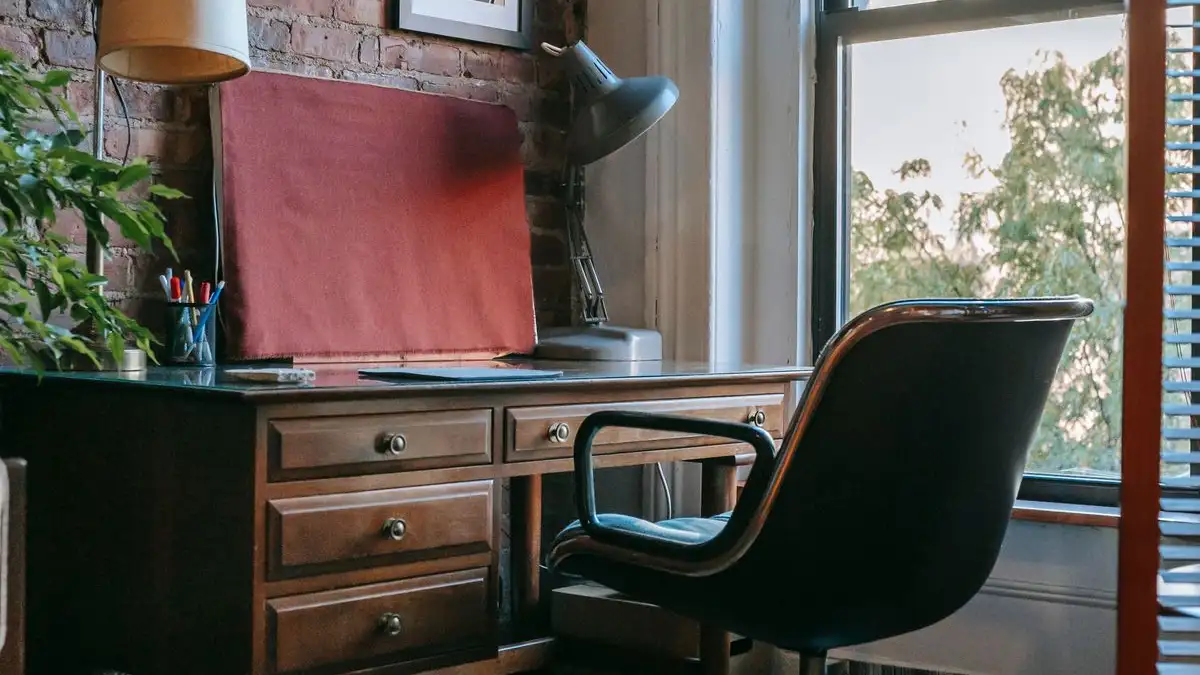
Place the desk on the longest uninterrupted wall, perpendicular to the window, with 36 inches behind the chair and 3 to 6 feet of camera background.
Place the desk on the longest uninterrupted wall, perpendicular to the window, with 36 inches behind the chair and 3 to 6 feet of camera background.
A per-square-foot way to size a first-year decorating budget before you divide it by room, including the window treatments and lighting people forget.
The tint doesn't change. The light does. How sheen shifts depth, saturation, and tint bases, and how to test a color in the finish you'll buy.
Construction finishing ends with a punch list. Rugs, window treatments, and layered lighting are the final phase — and the reason a new room still echoes.
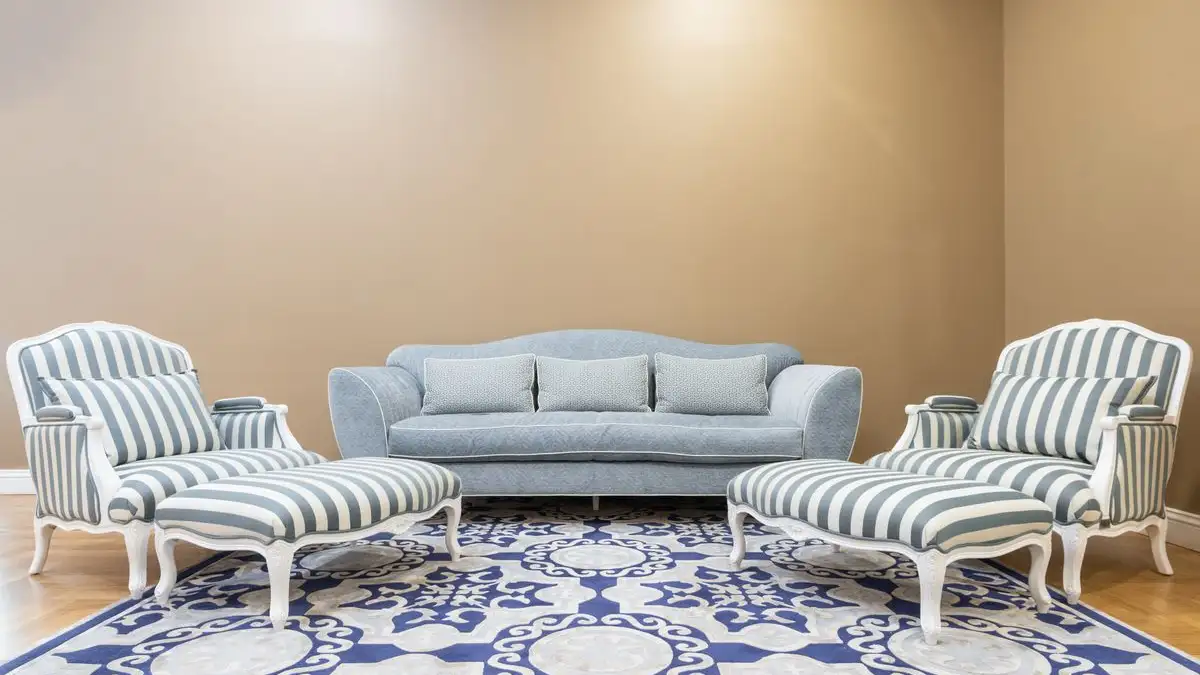
Matching sets flatten a room. Design shows up in focal points, sight lines, and scale. Here's how to compose a room the eye can actually read.
A percentage split for a home office budget, ordered by what's hardest to change later: layout first, then chair, lighting, desk, storage, and finishing.
Set the walkway first, then aim the seating at the focal point. Practical clearances, off-center layouts, and rug anchoring that keep traffic moving.
Compare nylon and wool carpet by total cost per year of service life, with relative cost tiers and a percentage budget split by room traffic.
Patio sliders, arches, bays, and corner glass have no frame to measure from. Here's what replaces it, and how to keep drops and stack-back honest.
Divide a fixed kitchen remodel budget across layout, cabinets, counters, appliances, and finishes with percentages — and set the demolition contingency first.