What’s Your Home’s Style? The 3 Questions That Decide
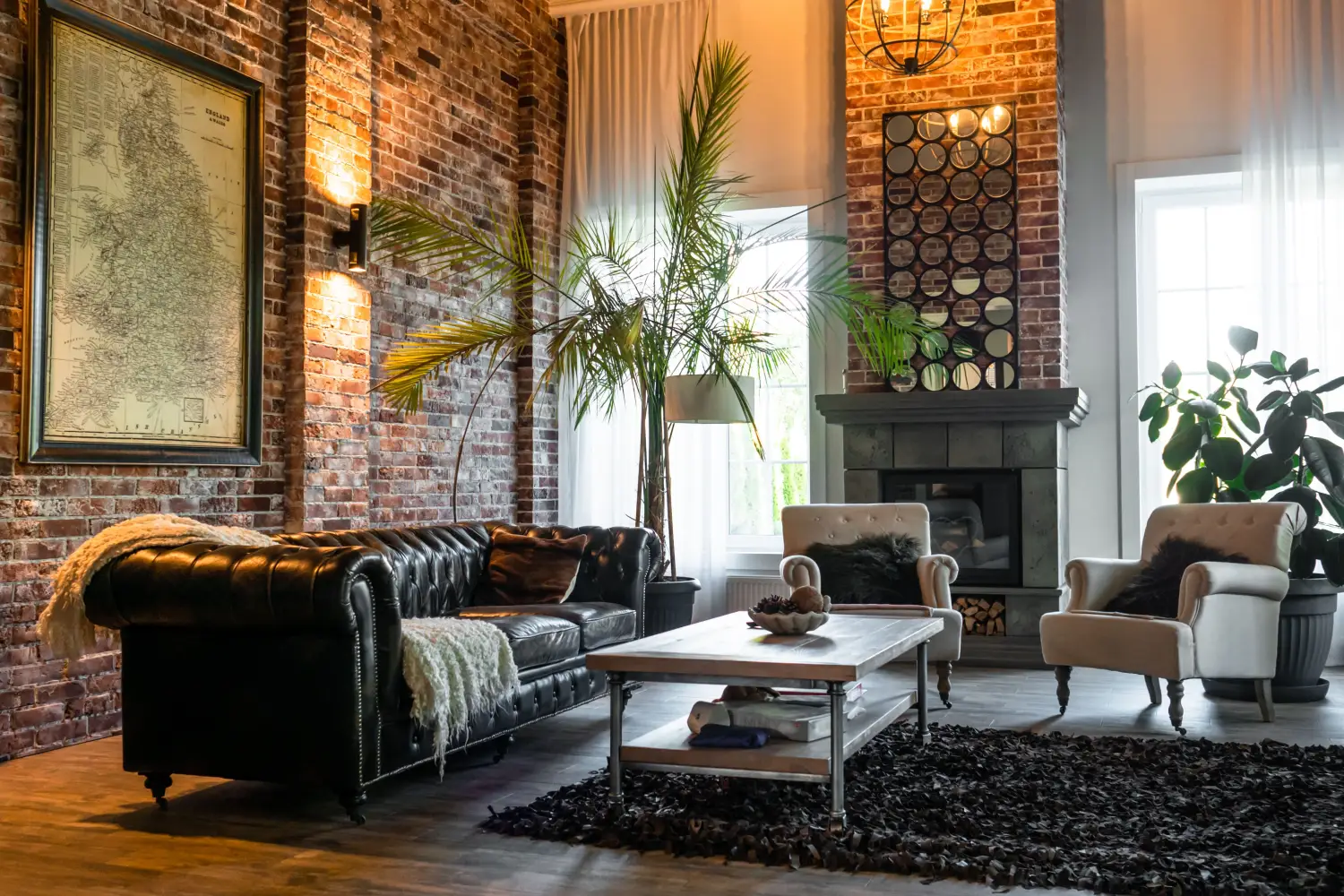
Style is not a label you pick from a list. It's what you get when you align your house's structure, your actual daily habits, and the one object you already stare at the longest. Answer three questions and you'll have a filter that replaces most furniture-shopping second thoughts.
Question One: What Your Home's Architecture Is Asking For
Ceiling height, window proportion, doorway trim—these are non-negotiable facts. They predate your arrival and will outlast your next sofa. A room with 7½-foot ceilings and a narrow casement window will not accept a 40-inch-deep sectional gracefully, no matter how comfortable the showroom model felt. Accept the architecture as a set of constraints, not flaws, and the decisions become simpler.
Walk each space and record the hard numbers:
- Ceiling clearance—under 8 feet forces you toward lower visual mass and vertical lines that draw the eye up; over 10 feet lets you use taller headboards and heavier lighting without the room feeling top-heavy.
- Window walls—a full run of glass wants furniture that floats in front of it rather than blocking it; smaller symmetrically placed windows reward centered layouts.
- Millwork—wide crown molding, wainscoting, or heavy baseboards add formality; you can quiet them but fighting them with ultra-minimalist pieces wastes energy.
When the House Has a Clear Era
A Craftsman bungalow with exposed beams and built-in cabinetry will always read as Craftsman. Painting everything white and installing acrylic chairs will not erase that bone structure; it will just create ambient tension. The direct route is to honor the era's vocabulary—warm wood, honest joinery, earthy texture—and then layer in pieces you personally respond to. A mid-century ranch with horizontal sightlines works with low-slung sofas; a Victorian rewards a little ornament and a mix of pedigrees. Yield on the architecture first; then nudge it with the other two questions.
Working With Mixed or Generic Architecture
Many homes built in the last three decades arrive without a strong architectural signature. Ceilings vault suddenly, doorways collide with breakfast bars, trim is sparse. That absence is not a liability—it's clearance to lead with your daily-life patterns and anchor piece. The one architectural fact that still matters is scale: a 14-by-20-foot room with 9-foot ceilings cannot absorb a sectional that consumes three walls. Proportion remains the hard boundary.
Question Two: How You Actually Move Through a Day
Design for the life you log, not the life you imagine. A one-day weekday log and one weekend log will reveal where you drop keys, which room collects clutter by 5 p.m., and where you sit when you're tired. That is the data that should drive layout and material choices.
Note these four points:
- The room where you spend the most waking hours gets the biggest furniture budget.
- The surface that first attracts mail and keys gets built-in organization.
- The shoe-dropping zone is your real entry—spend your mudroom budget there, not at the formal front door.
- The room that feels cramped at 6 p.m. signals a flow problem, not a style problem.
The Entry You Ignore vs. the Kitchen You Live In
If nobody ever uses the front door, don't buy a console table for it. Put the bench, the easy-clean runner, and the bag hooks where the actual foot traffic terminates. In a house where the kitchen island doubles as homework station and dinner prep surface, stool fabric needs to withstand tomato sauce and pencil shavings. Wipeability and back support determine the aesthetic more than any catalog spread called "farmhouse kitchen."
Pets, Kids, and the Reality of Delicate Fabrics
A home with two large dogs and a toddler cannot sustain white linen slipcovers. That is not a deprivation; it's an editing tool. Performance velvet, indoor-outdoor rugs, and round-edged furniture that forgives impacts—all of those can produce a soft, layered, inviting interior. The style you land on will be durable and forgiving, and that is a legitimate direction, not a consolation prize.
Question Three: The Anchor Piece You Already Love
Most people own one object they'd grab first in an evacuation—a painting, a rug, a chair, a ceramic bowl. That piece is the starting point for your home's color range, texture vocabulary, and emotional temperature. It gives every future purchase a reference point.
Starting With Art, a Rug, or a Family Heirloom
If the anchor is a canvas with deep indigo, ochre, and cream, pull those colors outward. A warm neutral sofa, pillows holding the ochre, a blackened steel side table—everything looks intentional because it orbits the same focal point. A faded Persian rug with multiple tertiary colors gives you license to mix wood species; the rug absorbs the variation and holds the room still. A small ceramic bowl with a singular glaze can steer an entire bathroom's palette.
When Your Anchor Is Only a Color
No standout object but a consistent color attraction? Take a physical swatch of that dusty sage or terracotta and test every fabric, paint chip, and rug against it. One color, repeated in different textures and scales, registers as curation, not accident.
Putting the Three Answers Together Without Reaching for a Style Label
Naming a style is optional and often counterproductive. The working filter is what matters.
Take a real-world scenario: a 1960 split-level with low ceilings, an open living-dining space, and a sliding wall of glass onto a yard. Daily life is cooking, reading after dinner, and hosting friends on weekends. The anchor piece is a mid-century Danish armchair with teak arms and muted olive wool.
Architecture demands: low-profile pieces, nothing blocking the glass, respect the horizontal lines. Daily-life data demands: durable seating, open circulation, spill-tolerant fabrics. Anchor piece says: olive, teak, clean mid-century lines, soft texture.
The filter is three questions repeated on every candidate: Does this fit a low horizontal room? Will it survive weekend entertaining without constant vigilance? Does it work with olive and warm wood? A deep navy velvet sofa likely fails the color test; a tall carved armoire fights the ceiling height; a delicate silk pillow dies at the first dinner party. The decisions make themselves.
The Filter in Five Points
- Architecture sets the boundary: ceiling height, window lines, and era clues define what the room physically supports.
- Daily life dictates function: durability, traffic flow, and genuine habits override aspirational pictures.
- An anchor piece provides the aesthetic thread: one object or color that keeps every new purchase in relation to what you already care about.
- When the three conflict, let daily life win on function and architecture win on scale; the anchor can adjust through accents and accessories.
- Stop looking for a style name; run every purchase through the three questions instead.
Common Questions About Finding Your Home's Style
What if I dislike my home's architectural character?
You don't have to stage a period revival. Isolate the one architectural trait that works—ceiling height, a window shape, a particular doorway—and build around it. Keep walls and floors neutral to quiet the architecture, and let your daily-life data and anchor piece steer the furnishings.
Can two people with opposing tastes use this method?
Yes. Each person names one anchor piece or color they genuinely love. Find the overlap—a shared attraction to texture, a narrow color range—and use that as the common thread. Then measure every purchase against whether it honors both anchors and fits the architecture. The three questions turn a taste standoff into a solvable filter.
What if my anchor piece is as small as a postcard?
Size doesn't matter. Keep the postcard visible while you make every decision. If helpful, enlarge a digital scan to a temporary print and use it as a tabletop palette. The colors in a small piece are just as instructive as those in a 9-by-12 rug.
How do I handle an open floor plan where rooms bleed together?
Treat the contiguous space as one room. Architecture controls overall scale; daily life identifies the natural zones—cooking, lounging, dining; your anchor piece lives in the zone you care about most and guides adjacent zones through a repeated accent color or shared texture.
Start spending on the item that stops the guessing. In most homes that's a significant piece of seating in the room you use most—the sofa, the sectional, the banquette. Get its color and proportion right against all three answers, and every smaller purchase afterward has a built-in compass.

Clara Bennett
After five years of transforming my 1920s bungalow room by room, I’ve refinished floors, hung blinds in bay windows, and spent more time choosing light bulbs than I’d like to admit. I learned paint sheens by painting my kitchen ceiling three times, and I found out the hard way that a rug too small makes a room feel unfinished. I believe every home can be both functional and beautiful, no matter the budget.
Related posts
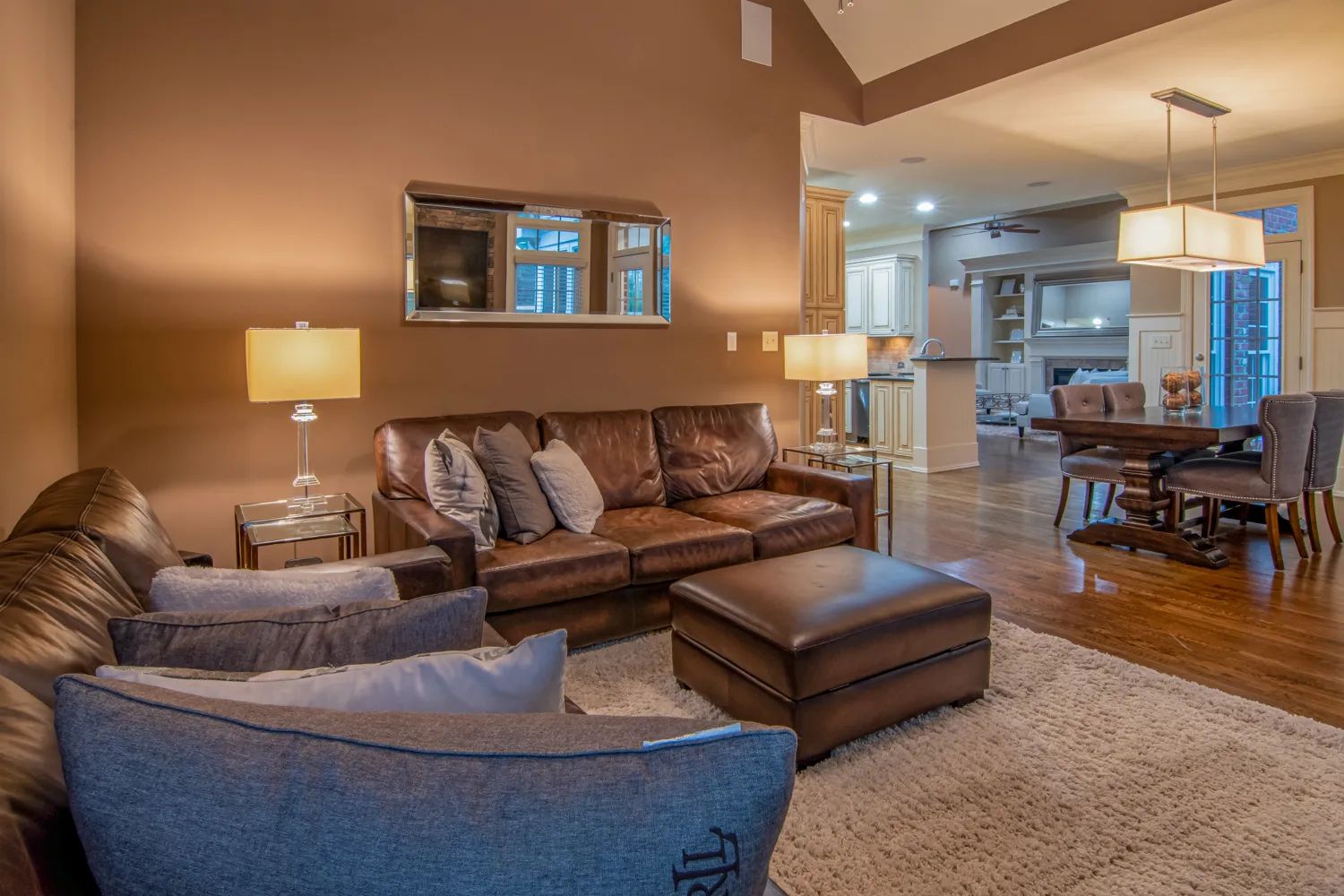
How 8 Out of 10 Designers Actually Mix Opposing Decor Styles
Pair industrial with coastal, or rustic with modern, without chaos. This repeatable 2-axis method (chromatic undertone + profile weight) shows you exactly how.

The One Color Palette Mistake That Makes Your Style Look Cheap
One wrong temperature choice can make expensive trim and furniture look cut-rate. Learn how ignoring a historical style's native warmth cheapens your room—and how to fix it.
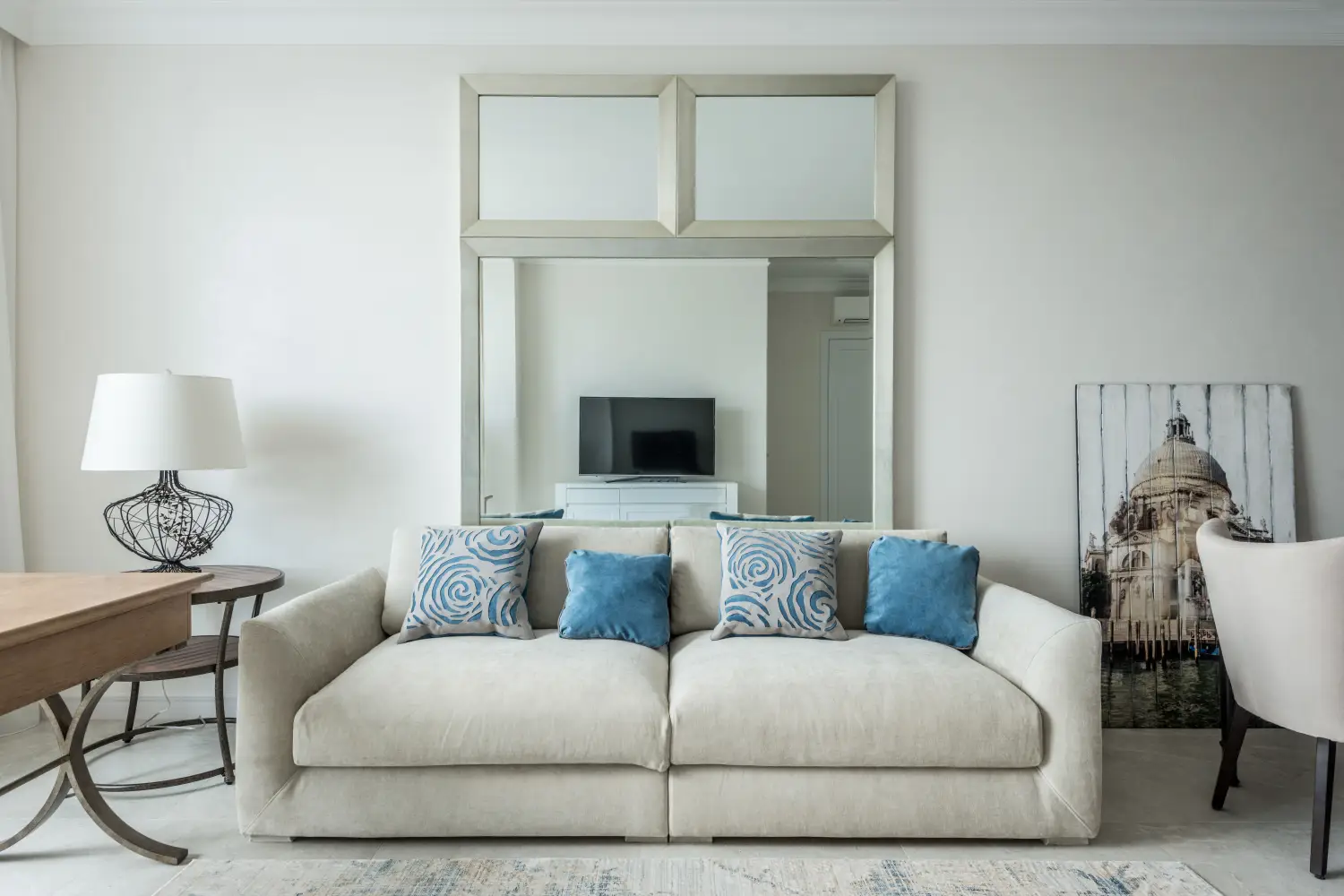
The One Focal Point Interior Designers Build Every Room Around
Learn how a room’s fireplace, bay window, or built-in shelving holds its own style DNA — and why aligning furniture and color to that era creates a home that feels truly cohesive.

5 Signs Your Decor Style Will Look Dated by 2026
Use a color picker, a tape measure, and a material-age check to catch dated décor before 2026. Five quantifiable signs that predict when a room will turn stale.
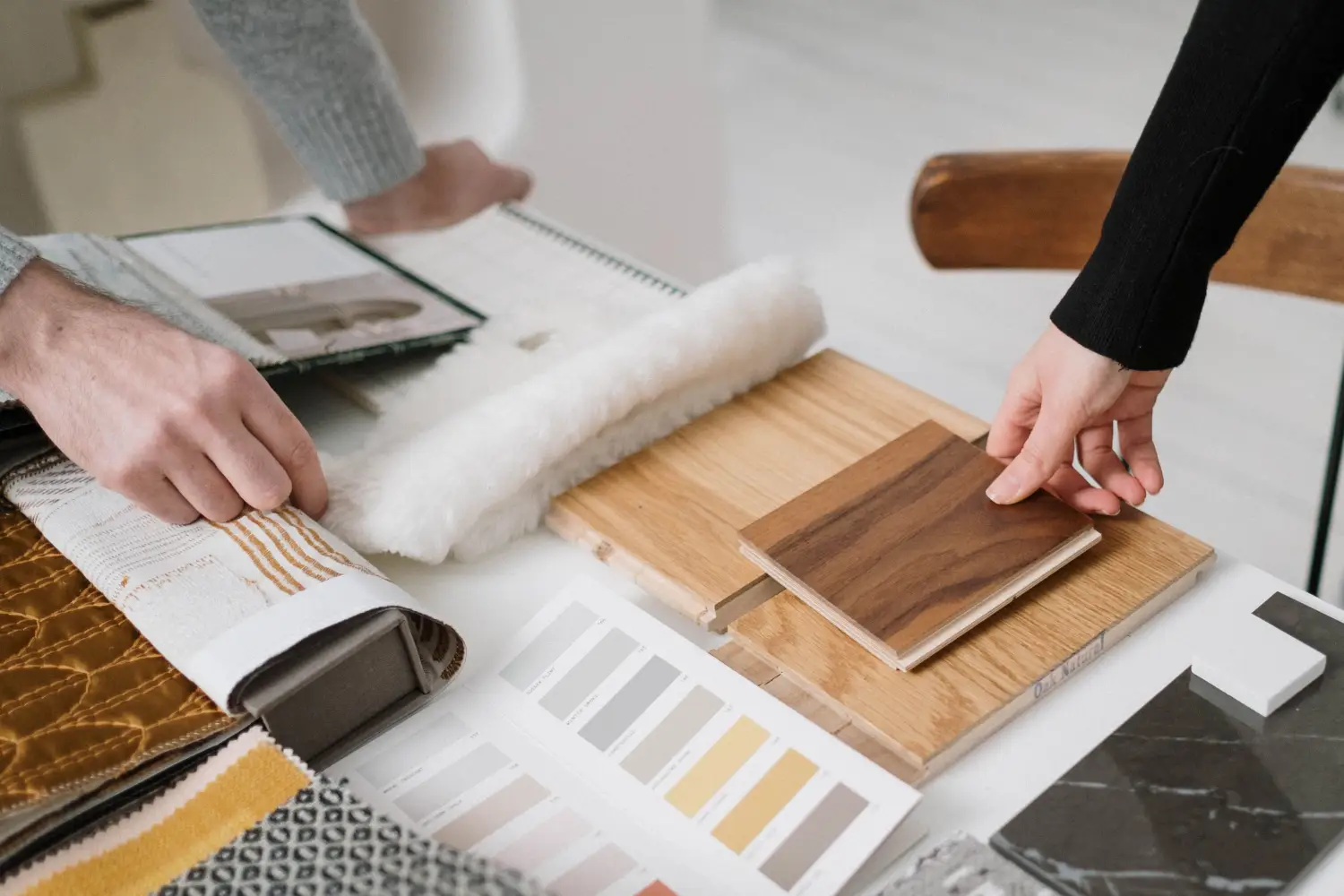
The One Decor Detail That Commits to a Style Before You Do
Before you buy the sofa, test a finish with a $4 drawer pull. Learn how hardware samples let you lock in a whole-room style with zero regret.