The One Decor Detail That Commits to a Style Before You Do
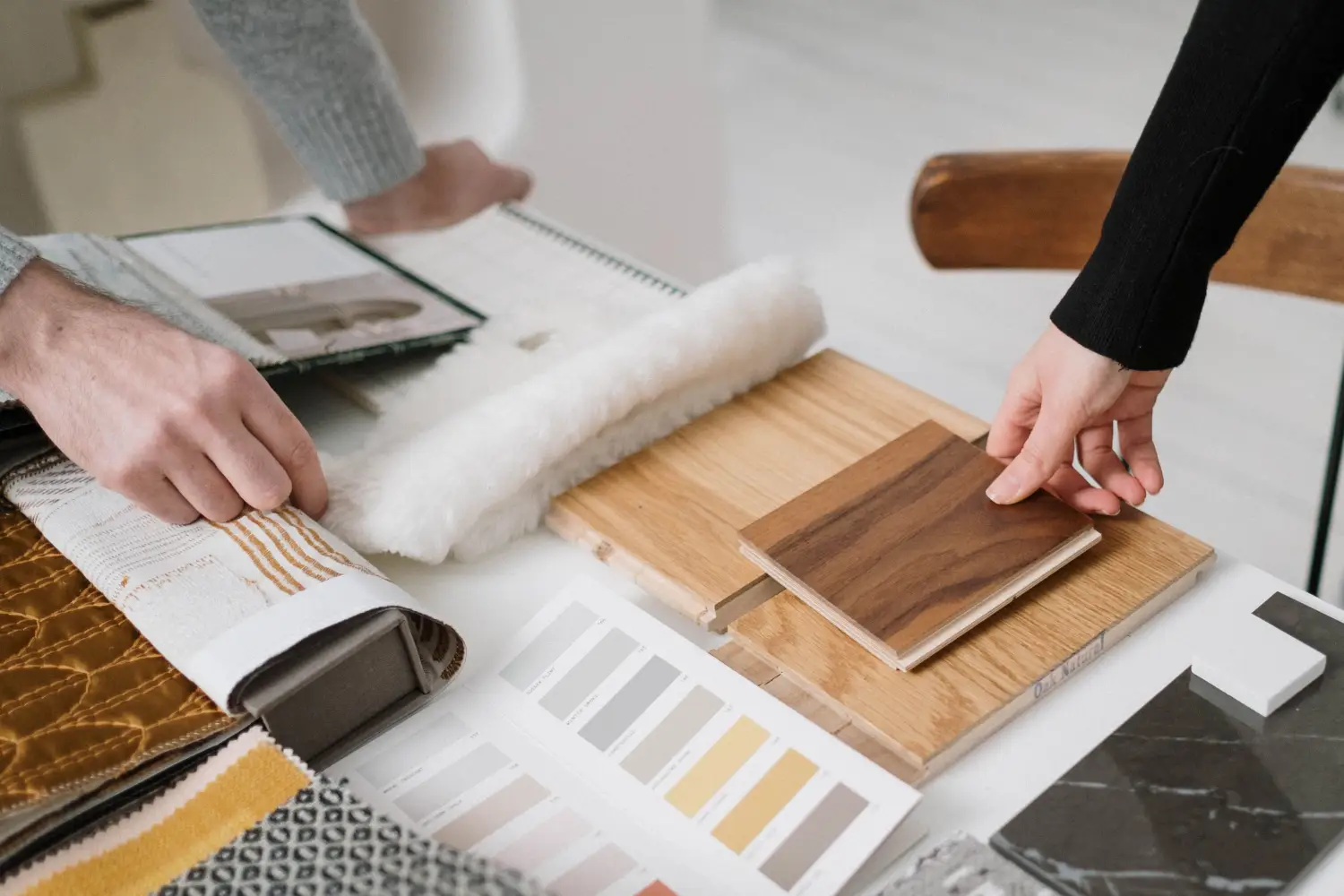
Cabinet pulls and switch plates give you a way to try a style’s finish and scale for pocket change, long before you commit to a sofa or a dining table. When a room still feels up in the air, the hardware you touch every day—the pull on a kitchen drawer, the plate around a hallway switch—lets you lock in a metal tone and a size you can truly live with, and you can change it all in ten minutes if the feeling sours.
That’s the quiet power behind this method: you don’t have to trust your gut in a showroom. Instead, you bring home a $3 brass pull or a $9 matte black toggle plate, install it where you’ll see it a dozen times a day, and let ordinary life make the decision for you. No big-budget gamble, no “hope it looks right in the room” anxiety. Just a low-cost, reversible test that respects how expensive decorating mistakes can feel.
Why Hardware Decides the Style Before the Furniture Does
Hardware is the smallest, most forgiving statement you can make in a room. A brushed brass cup pull, a matte black finger pull, or a square switch plate in oil-rubbed bronze carries the exact same finish language that will later show up in faucets, curtain rods, and picture lights. By testing on something that costs less than a lunch out, you learn whether that finish reads warm or cool against your wall color, whether the scale feels good in your hand, and whether you still smile when you see it after a week of morning coffee runs and late-night bathroom trips.
The beauty of this approach is how kind it is to a budget and to second thoughts. You unscrew one test plate and put the old one back. No patched drywall, no shipping return labels. If a polished nickel looks sterile in your north-facing light, or a chunky pull dwarfs a slim drawer, the lesson costs only the hardware itself—and that’s a bargain compared to a pendant light you’d eventually replace.
Your 5-Step Pre-Commitment Test
- Choose one finish (brushed nickel, matte black, antique brass, etc.) and one pull or switch plate style that genuinely interests you.
- Buy two samples of that exact finish in different sizes or placements (for example, a 3-inch pull and a 5-inch pull, or a single-toggle plate and a rocker plate).
- Mount them in the room where you’ll see them most—a kitchen cabinet and the nearest light switch are ideal.
- Leave them alone for a full week. Touch them, switch the light, notice them at dawn and dusk.
- Decide: commit to the finish and scale for the rest of the room’s hardware and accents, adjust by trying a lighter or darker variant of the same metal, or start over with a different direction.
Step-by-Step: How to Test Finishes and Scale on Your Walls
Choose a Finish and a Pull Shape That Both Intrigue You
Pick something you actually want to look at, not just the “safe” choice you think you should make. If your walls are a warm white, a satin brass pull might add just enough glow; if high contrast feels more you, a matte black rectangular pull can anchor a clean-lined kitchen without trying too hard. The goal now isn’t to match every other finish in the house—it’s to discover whether the spark you felt in the store lasts past day three.
Buy Two Samples and Mount Them Where You’ll See Them Daily
Most home improvement stores sell pulls and plates individually, and online retailers offer single samples for just a few dollars. Choose two sizes within the same finish family: a smaller scale (around 3 inches) and a larger one (5 or 7 inches). Install both on a drawer or cabinet you use every day, and place a switch plate sample next to the entry light you instinctively reach for. Seeing the options side by side helps your eye settle on the proportion that feels right for the space.
Live With the Test for Seven Days—No Rushing
The first day, a new finish feels exciting. By day four, you’ll know if it still makes you happy or if it’s started to grate. Notice how it plays with the cabinet stain, the countertop, the paint undertones. If your hand hesitates every time you pull the drawer, the finish may be fighting the room’s existing colors. If you never think about it, it’s blending well—but you might also decide you wanted a little more presence. A full week gives you distance from the “shiny new thing” rush, so you’re choosing based on everyday comfort, not on a first impression.
Check the Look in Three Types of Light
Morning sun, midday shade, and warm lamplight at night will each show you a different face of the finish. Brushed nickel can look crisp and silvery under daylight, then fall flat and grey under a 2700K bulb. Oil-rubbed bronze might appear nearly black in dimness but reveal deep chocolate undertones in direct sun. Walk past your samples at different hours. If you love the finish across all lighting, it’s a keeper. If it turns harsh in one condition, consider a softer version: satin brass instead of polished, or a warmer nickel instead of chrome.
Decide: Yes, Adjust, or Start Over
After seven days, your reaction becomes your roadmap:
- If the finish and scale feel right, you’ve found your direction. Order the rest of the cabinet hardware and switch plates in that finish, and let it guide future picks like door handles and light fixtures.
- If the finish feels off but the scale works, try one sample in a near-adjacent tone—champagne bronze instead of standard brass, or brushed gold instead of matte black—and test for another week. This small shift often locks things into place.
- If the finish looks great but the size feels wrong, step up or down one length or plate size and test again. That’s a few dollars and five minutes with a screwdriver.
- If you can’t wait to take it off, you’ve just avoided buying a whole room’s worth of hardware you’d end up dreading. That’s the test doing exactly what it was designed to do.
Checkpoints: What a Good Test Tells You
After the week, check for these signs that the experiment paid off:
- The finish flatters the wall color and never reads too yellow, too blue, or washed out.
- The pull or plate size feels right under your hand and doesn’t overwhelm the drawer face or switch area.
- You stop actively noticing the hardware—it’s become a natural part of the room.
- You can easily imagine other pieces in the same finish (curtain rods, a faucet, a ceiling fan pull) without hesitation.
- The sample hasn’t attracted fingerprints or tarnish that bother you, or you’ve decided you don’t mind a little patina.
When the Finish Doesn’t Work: Two Quick Corrections
The Finish Clashes with Your Wall Color’s Undertone
This is the most common snag. A brushed nickel with a cool, blue-leaning undertone can fight a warm beige wall, creating a tension you can’t put your finger on. To pinpoint the mismatch, hold a sheet of white printer paper next to the hardware. If the metal suddenly looks icier than you want, switch to a warmer finish like antique brass or a champagne gold. If it looks too yellow, try a soft black or a muted bronze. One new sample and a three-day check is usually enough—this is a small correction, not a complete restart.
The Scale Feels Wrong in the Space
A 3-inch pull that gets lost on a wide drawer, or a large rectangular switch plate that dominates a tiny wall, means the proportion is off. Swap the sample for the other size you bought. A good rule of thumb: a pull about one-third the width of a drawer over 18 inches wide tends to look balanced, while shorter pulls suit narrow drawers. For wall plates, a standard single-gang plate rarely feels oversized, but oversized designer plates can crowd a tight hallway. Keep both sample sizes handy so you can test the fix right away before ordering a whole set.
Small Hardware, Big Questions
Can I mix finishes on pulls and switch plates?
Yes, as long as it’s done with intention. A mixed-finish approach works when one metal leads and the other supports—think matte black pulls throughout the kitchen with unlacquered brass switch plates on the dining side only. Randomly combining three or more finishes tends to feel scattered rather than curated, so aim for one dominant metal and one accent.
What finish hides fingerprints best?
Matte and brushed surfaces are the most forgiving. Brushed nickel, satin brass, and matte black all camouflage everyday smudges far better than chrome or polished brass. Oil-rubbed bronze with a living finish also hides marks well, but it will mellow and change over time, which some people enjoy and others wish they’d known about beforehand.
How do I know if a pull is too large for my cabinet?
Hold the pull up to the drawer face before drilling. If it spans much more than a third of the drawer width, it may look heavy. For drawers under a countertop, make sure your knuckles have clearance—if they brush the counter when you grip the pull, it’s too long. With switch plates, leave at least an inch of clear wall on each side for a clean, uncluttered look.
Should switch plates match the wall or the hardware?
Either works, but the choice changes the feel of the room. A paintable plate that matches the wall blends in and keeps attention on larger pieces. A metal plate that echoes the drawer pulls ties the switch into the broader hardware story and looks intentional. If you want the hardware to quietly lead the style, a finished plate in the same metal is the stronger move.
Where to Go Next
After a week of living with a finish that feels right, the next step is to order the remaining handles, knobs, and plates in that metal and then let it climb upward—into a pendant light, a mirror frame, or curtain rods—because you already have proof that this tone belongs in your home.

Clara Bennett
After five years of transforming my 1920s bungalow room by room, I’ve refinished floors, hung blinds in bay windows, and spent more time choosing light bulbs than I’d like to admit. I learned paint sheens by painting my kitchen ceiling three times, and I found out the hard way that a rug too small makes a room feel unfinished. I believe every home can be both functional and beautiful, no matter the budget.
Related posts
What’s Your Home’s Style? The 3 Questions That Decide
Forget style labels. Answer three practical questions about your architecture, daily life, and one anchor piece to create a filter that makes every decor decision easier.
How 8 Out of 10 Designers Actually Mix Opposing Decor Styles
Pair industrial with coastal, or rustic with modern, without chaos. This repeatable 2-axis method (chromatic undertone + profile weight) shows you exactly how.

The One Color Palette Mistake That Makes Your Style Look Cheap
One wrong temperature choice can make expensive trim and furniture look cut-rate. Learn how ignoring a historical style's native warmth cheapens your room—and how to fix it.
The One Focal Point Interior Designers Build Every Room Around
Learn how a room’s fireplace, bay window, or built-in shelving holds its own style DNA — and why aligning furniture and color to that era creates a home that feels truly cohesive.

5 Signs Your Decor Style Will Look Dated by 2026
Use a color picker, a tape measure, and a material-age check to catch dated décor before 2026. Five quantifiable signs that predict when a room will turn stale.