The One Focal Point Interior Designers Build Every Room Around
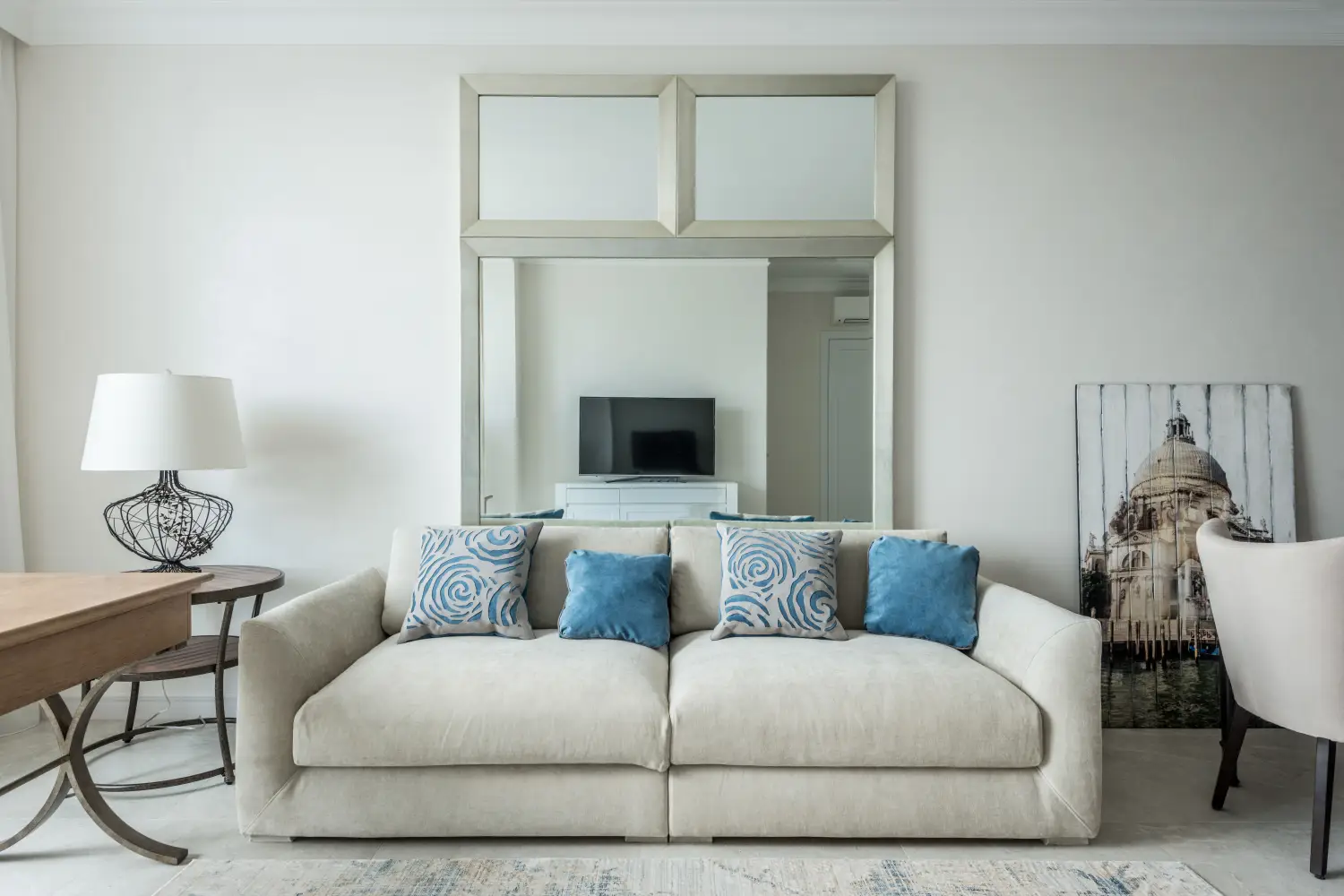
A room feels completely settled when every object in it responds to a single, steady presence at its center. Interior designers find that center in the architecture itself — not in a magazine photo or a fleeting trend. A fireplace, a deep bay window, a wall of built-in shelving carries a quiet authority. It was shaped by a specific era and scaled to fit a particular room, and it will resist any furniture or color scheme that tries to ignore that history. The reward for listening carefully is a room that coheres at a level most people feel without being able to name.
This guide works backward from that one architectural feature. You'll learn to identify what era and proportion a focal point is expressing, then let those signals steer you toward furniture silhouettes, color choices, and textures. The result is a room where every piece has a reason for being where it is, not just a room that happened around a view or a hearth.
What a Focal Point’s Era Actually Says
A focal point never exists in a vacuum of style. The narrow fireplace surround from a 1920s bungalow — low-relief carvings, a delicate mantel shelf — speaks a different language than the massive, face-split stone hearth that anchors a 1960s suburban living room. The period reveals itself in the molding profile, the width of the hearth, even the type of brick or stone. When you pay attention to those details, furniture decisions become easier. A low-slung mid-century sofa with exposed legs falls naturally into place alongside that 1960s hearth; the same sofa next to the 1920s fireplace would feel jarring, too horizontal for the verticality the older architecture expects.
Proportion carries equal weight. A towering floor-to-ceiling stone fireplace in a vaulted great room can support deep seating, dark paint, and substantial art that would swallow a smaller hearth. Conversely, a petite cast-iron stove in a cottage living room asks for furnishings scaled down to its own modesty. Ignoring the mass of the focal point leads to a room that feels heavy in the wrong places — furniture that appears to crowd the architecture rather than defer to it. Respect the visual weight the feature already claims, and the rest of the room settles into its proper place.
Three Focal Points and the Design Directions They Demand
The Fireplace: Era Shapes Everything
A fireplace is a timestamp in the wall. A mid-century modern version with a simple raised concrete hearth and an unadorned brick breast does its best work when the furniture around it echoes that restraint: clean lines, tapered wooden legs, a palette anchored in warm neutrals and textured weaves. Place a deep-cushioned roll-arm sofa in front of it, and the room starts to feel like two different conversations happening at once. An ornamental Victorian fireplace, with its cast-iron inset and carved wood surround, rewards softer shapes, layered fabrics, and a richer, more deliberate palette — dusty blues, burnished golds, deep greens. The mantel’s depth also sets limits: a too-shallow ledge can't support a dense gallery wall, so the art must be chosen at a scale that respects that constraint.
The Bay Window: Soft Light and Layered Depth
A bay window pulls attention outward and washes the room in daylight. Its authority is gentler than a fireplace’s but no less binding. Victorian and Edwardian bays especially invite a window seat — a cushion tucked into the recess, with drapery panels hung wide enough to leave the glass mostly exposed. Furniture should be arranged to acknowledge the light and the view, not to compete with it. The window’s projection also defines the footprint for the rug beneath the seating group: the front legs of chairs and sofas should land within the bay’s visual boundary, anchoring the arrangement without spilling into the walkway. When this rhythm is honored, the room feels as though it breathes with the light.
Built-In Shelving: Order and Display
A full wall of built-in shelves imposes a grid on the room. The lines are strong and repetitive, so the furniture opposite them works best when it aligns with that geometry — a structured sofa placed parallel to the shelves, a pair of chairs set square, rather than angled casually. Color choices benefit from restraint. White or wood-toned shelving allows the objects to become the focal point; stacked books, ceramics in a unified palette, and a few carefully spaced statement pieces read as a deliberate composition. When the shelves themselves are ornate, the surrounding furniture should recede. The goal is a sense of quiet order, not a busy visual report.
When the Focal Point and Your Taste Collide
Not every architectural focal point arrives as a gift. A 1970s stone fireplace can feel heavy and dark; an old bay window might seem fussy. The understandable urge is to paint everything over or start fresh with a new surround. Before making permanent changes, it's worth asking what the structure contributes to the room’s proportions. That behemoth stone hearth often anchors the room’s width in a way a skimpy replacement would not. A coat of soft white paint on brick and a new, more contemporary tile on the hearth can shift the mood considerably while preserving the room’s sense of groundedness. Stripping out the original feature entirely risks leaving the room adrift — a space that feels unfinished no matter how carefully the rest is furnished.
Building From Nothing: Creating a Focal Point in a Blank Box
A builder-grade room or an open-plan expanse with no built-in features demands invention. The challenge is to create a focal point that reads as permanent, not provisional. A large-scale artwork hung low and anchored by a slim console table and a pair of lamps can carry enough visual weight to organize the room. A well-proportioned media unit — lower cabinets, open shelving above, perhaps a row of books and objects — can do the same functional and visual work a fireplace would. The same discipline applies: decide on a clear stylistic direction, whether it’s streamlined Scandinavian or warm traditional, and let that decision flow outward into furniture silhouettes and colors. Without that discipline, the absence of an architectural anchor can quickly dissolve into a collection of unrelated pieces.
Key Takeaways
- The room’s strongest focal point is already built in; the first task is to recognize its era, material, and scale before arranging anything else.
- A fireplace, a bay window, and a wall of shelving each speak a distinct stylistic language — furniture choices should answer that language rather than override it.
- A large focal point can support heavier furniture and deeper colors; a small one demands restraint in both size and saturation.
- When personal taste conflicts with the focal point’s era, thoughtful edits — paint, hardware, tile — can bridge the distance without erasing the room’s anchor.
- In a room with no built-in focal point, construct one with the visual weight of a permanent feature and let its style govern the scheme.
The single most useful next step is to stand in the center of your room for five minutes. Notice which architectural feature draws your eye first — not the one you wish were there, but the one the room has already given you. Study its era, its texture, its scale. Every design decision that follows should feel like a quiet answer to what that feature has been saying since the day it was built. When you listen to the room’s original voice, the result is a space held together by a logic that lasts.

Clara Bennett
After five years of transforming my 1920s bungalow room by room, I’ve refinished floors, hung blinds in bay windows, and spent more time choosing light bulbs than I’d like to admit. I learned paint sheens by painting my kitchen ceiling three times, and I found out the hard way that a rug too small makes a room feel unfinished. I believe every home can be both functional and beautiful, no matter the budget.
Related posts
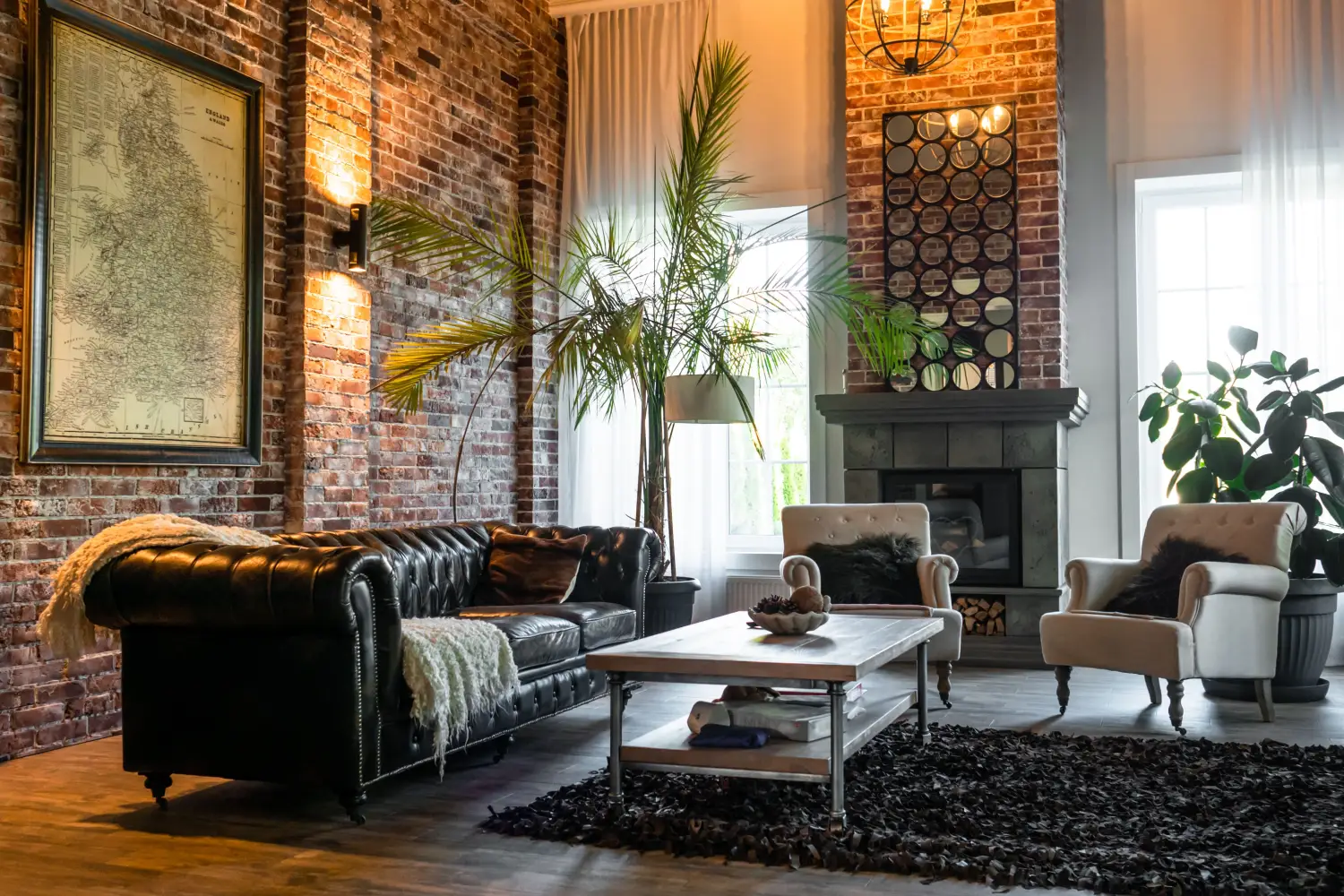
What’s Your Home’s Style? The 3 Questions That Decide
Forget style labels. Answer three practical questions about your architecture, daily life, and one anchor piece to create a filter that makes every decor decision easier.
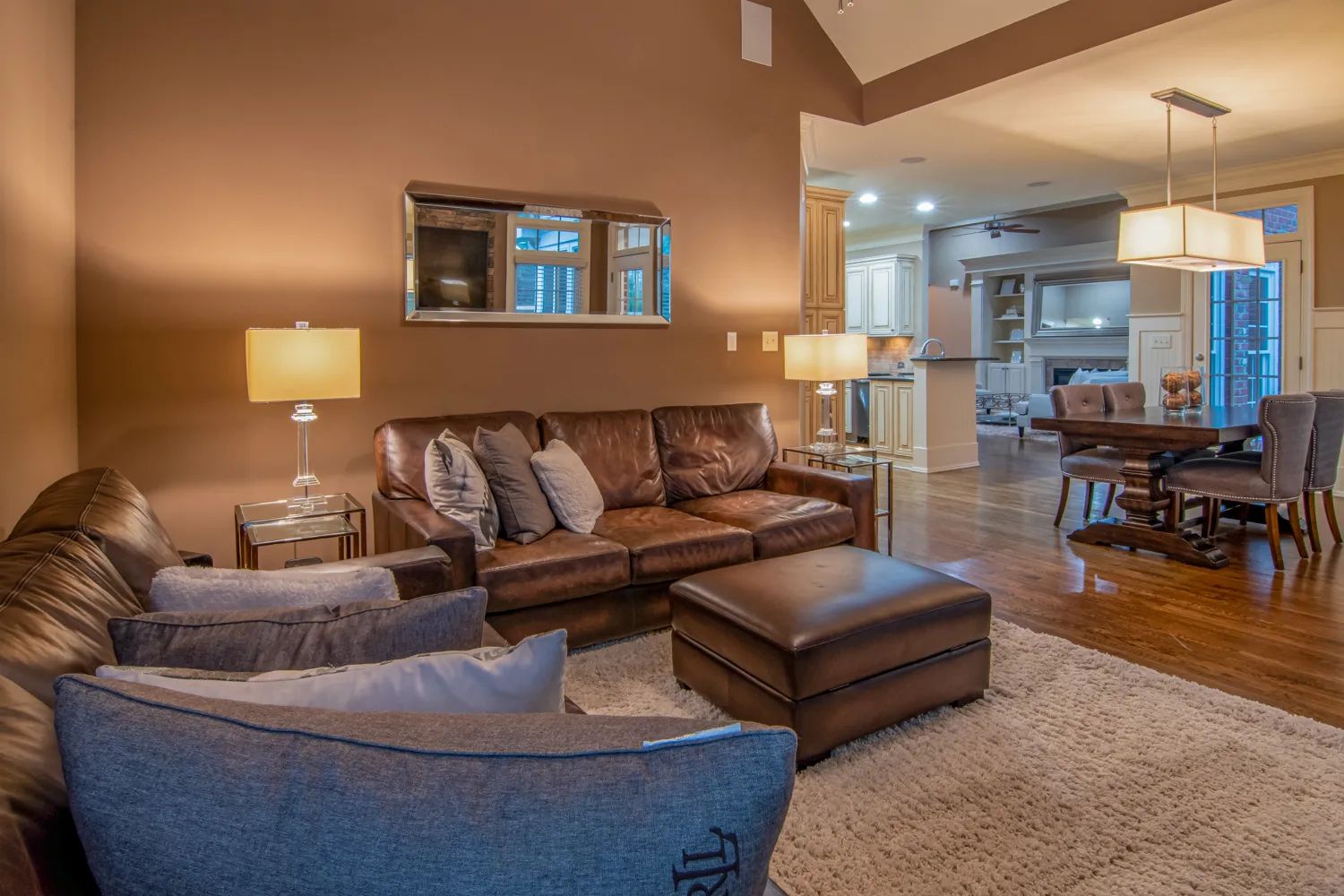
How 8 Out of 10 Designers Actually Mix Opposing Decor Styles
Pair industrial with coastal, or rustic with modern, without chaos. This repeatable 2-axis method (chromatic undertone + profile weight) shows you exactly how.

The One Color Palette Mistake That Makes Your Style Look Cheap
One wrong temperature choice can make expensive trim and furniture look cut-rate. Learn how ignoring a historical style's native warmth cheapens your room—and how to fix it.
5 Signs Your Decor Style Will Look Dated by 2026
Use a color picker, a tape measure, and a material-age check to catch dated décor before 2026. Five quantifiable signs that predict when a room will turn stale.
The One Decor Detail That Commits to a Style Before You Do
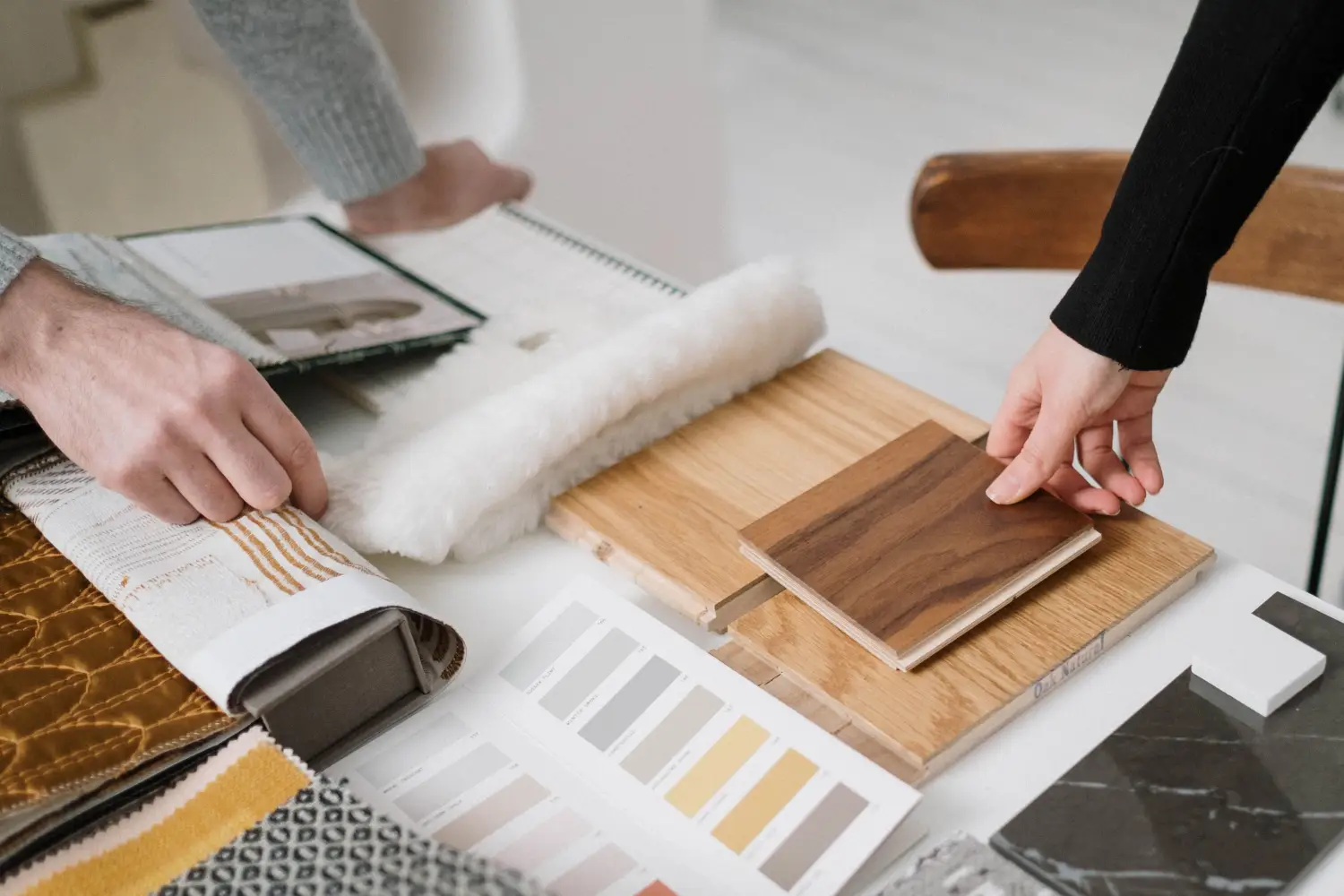
Before you buy the sofa, test a finish with a $4 drawer pull. Learn how hardware samples let you lock in a whole-room style with zero regret.