Stop Losing Style: How to Mix Wood and Metal Finishes Right
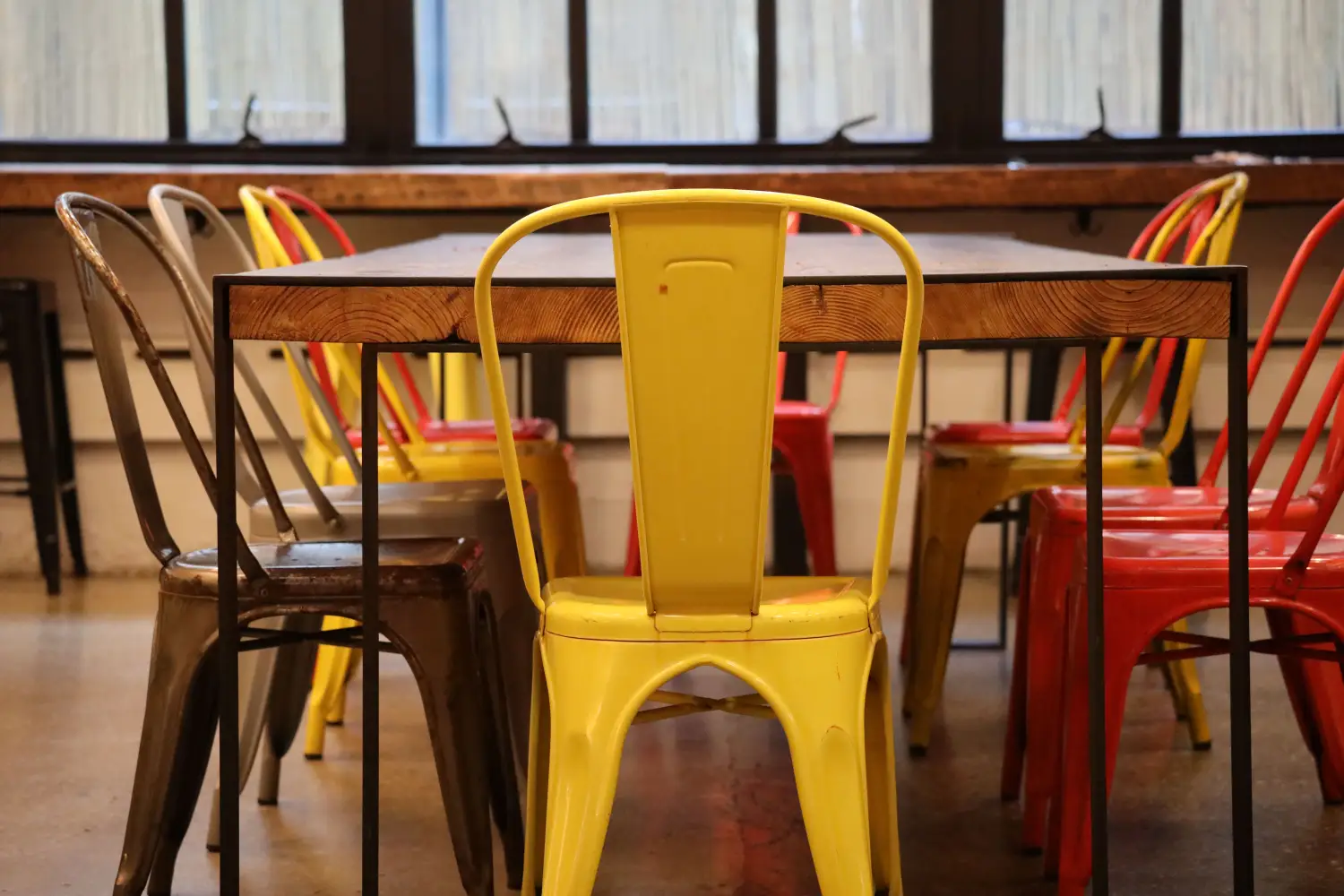
You can stop losing style over mixed finishes by using one sorting method: warm versus cool. Pair same temperatures for a risk-free match, or add a bridge piece that intentionally blends the two. This takes the guesswork out of the equation.
Warm woods—honey oak, cherry, walnut with red undertones—share a core color with warm metals like brass, gold, and copper. Cool woods—ash, gray-stained maple, whitewashed oak—read best with cool metals: chrome, polished nickel, satin nickel, and matte black. Sorting finishes this way turns a chaotic pile of options into a clear decision tree.
A room where finishes connect looks intentional. A dining room with a walnut table and satin brass hardware shows the warm connection; a bathroom with a gray-wash vanity and polished nickel faucet shows the cool. That’s the benchmark.
The Temperature-Sorting Checklist for Mixing Wood and Metal Finishes
- Identify whether your room’s main wood tone is warm or cool.
- List every metal finish already in the space, including small hardware.
- Choose one mixing rule: match temperatures exactly, or introduce a bridge piece that blends both.
- Select your next item—hardware, lighting, furniture—strictly by that rule.
- Check the combination in the actual room light, not just in the store.
How to Apply Each Step Without Overthinking It
1. Pin Down the Dominant Temperature of Your Wood
Look past the surface color to the undertone. Yellow, orange, red, or amber hints mean warm. Gray, blue-tinged, or ashy cast means cool. A plain sheet of white paper held next to the wood will make the undertone obvious. Use the room’s largest wood element—flooring or cabinetry—as the reference.
Typical time: 2–3 minutes per wood surface.
Common mistake: Only checking the main color under bright showroom lights; undertones often shift in natural daylight.
2. Take a Full Inventory of Every Metal Finish in Sight
Walk the room and write down every exposed metal surface—knobs, pulls, hinges, faucets, light fixtures, appliance trims, even the metal legs of a side table. Tag each as warm, cool, or bridge. Do not skip small items; a hinge that clashes will erode the entire plan.
Typical time: 10–15 minutes for a typical room.
Common mistake: Overlooking small items like door hinges or electrical outlet covers, which can introduce a third temperature that disrupts a clean scheme.
3. Choose Your Mixing Rule: Temperature Twins or a Deliberate Bridge
If the inventory puts all existing metals in one temperature, stick with it. If the room forces a mix—chrome fixtures against a warm oak floor—add a bridge piece. A bridge is an object that displays both warm and cool metal, like a dual-finish lamp or a furniture piece combining warm wood with cool metal legs. Without one, the mix registers as a mistake.
Typical time: This is a decision, not a task; it takes about 30 seconds once you’ve inventoried your finishes.
Common mistake: Adding a bridge piece that is too subtle to read—a tiny mixed-metal knob won’t reconcile a chrome faucet and a brass chandelier.
4. Select Your Next Addition Based on That Rule, Not on Trends
When buying a new faucet, handle, or light fixture, bring a wood sample—a drawer front or flooring scrap—and hold it next to the metal in the store. Confirm the metal falls in the same temperature category. If you rely on a bridge piece, verify it actually contains both tones, not just a minimal accent.
Typical time: 5–10 minutes per item.
Common mistake: Choosing a finish you love in isolation, then bringing it home and discovering it fights the wood undertones.
5. Test the Pairing Under the Room’s Real Lighting
Before drilling any holes, place one sample in the actual room and observe it under morning light and again under evening light. Warm metals can turn brassy under cool LEDs; cool metals can read sterile under warm bulbs. Adjust your choice if the finish shifts too far.
Typical time: A few hours, but actual observation takes only a minute each check.
Common mistake: Judging a finish only under store fluorescent lighting and skipping the home test.
Quick Answers to Finish Questions People Actually Search
Can I mix brass and stainless steel in the same room?
Yes, but only with a deliberate bridge—a fixture that combines brass and silver tones. Without one, the safer route is to keep the two metals in separate zones so they don’t compete directly. If you can’t add a bridge, not mixing them at all usually produces a cleaner result.
What wood finish looks best with matte black hardware?
Matte black is cool. It pairs cleanly with cool woods like gray-stained oak, ash, or whitewashed pine. When used on a warm wood such as golden oak, the contrast reads as harsh unless a bridge piece—such as a black metal object with brass accents—softens the transition.
Should all the metal finishes in my house match?
No. Matching everything creates monotony and can feel dated. Apply the temperature rule room by room. In an open floor plan, keep the dominant metal temperature consistent across the connected space; otherwise, each room can follow its own palette without issue.
How many different metal finishes can I use before it feels busy?
Two finishes plus one bridge piece is the practical limit for a typical room. Three finishes can work if a clear bridge relates them and the room offers visual separation. Beyond three, the lack of a strong unifying element nearly always makes the space feel busy and unconsidered.
What’s the easiest wood-and-metal combo that always works?
Warm walnut with satin brass. The warm undertones align, and the satin sheen hides fingerprints and glare. The cool counterpart is gray-toned ash with brushed nickel or matte black—equally straightforward because the temperatures match without effort.
Your 5-Minute Sanity Check Before You Bolt Anything Down
- The room’s dominant wood temperature (warm or cool) is reflected in at least one metal finish that touches it.
- If a metal finish falls outside that temperature, a bridge piece clearly connects it to the rest.
- No metal item is a total orphan—every finish has a visual link to either the wood temperature or the bridge.
- The combination has been checked under the room’s actual lighting at two different times of day.
- The overall look doesn't distract from the room’s main focal point; the finishes support, not compete.
When wood and metal share a temperature or a deliberate bridge, the room reads as intentional, not accidental. For faster results next time, keep a wood sample—a cabinet offcut or a floorboard scrap—in your vehicle. Hold it against any new metal in the store, and the temperature match or mismatch becomes obvious in seconds.

Clara Bennett
After five years of transforming my 1920s bungalow room by room, I’ve refinished floors, hung blinds in bay windows, and spent more time choosing light bulbs than I’d like to admit. I learned paint sheens by painting my kitchen ceiling three times, and I found out the hard way that a rug too small makes a room feel unfinished. I believe every home can be both functional and beautiful, no matter the budget.
Related posts

Decor Mixing That Works: A Realistic Plan for New Homeowners
Stop memorizing rules. Use this anchor-first framework to mix any furniture, finishes, and accessories into a room that feels intentional—step by step, with real-life starting points.

Matching Sets Are Over: How to Mix Furniture Styles Successfully
Stop buying matching sets. Use the 'common thread' method to mix furniture styles without chaos—one shared detail unifies the room. Learn how.
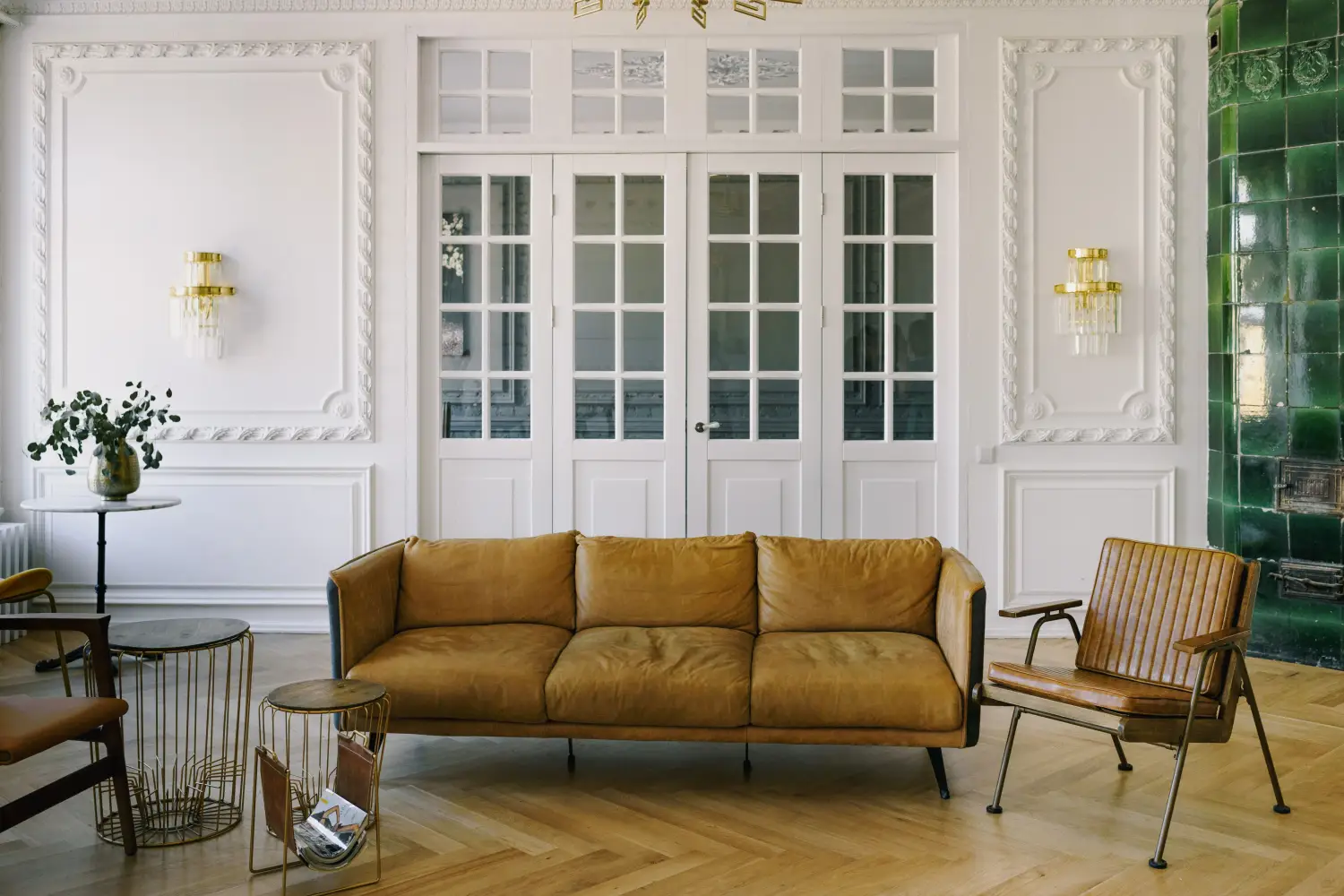
The Decor Rule Pros Break When Mixing Old and New
Pros ignore the 'one antique per room' rule. Learn the focal-point method that makes vintage pieces the star and modern items the frame — so the contrast reads as intentional, not accidental.
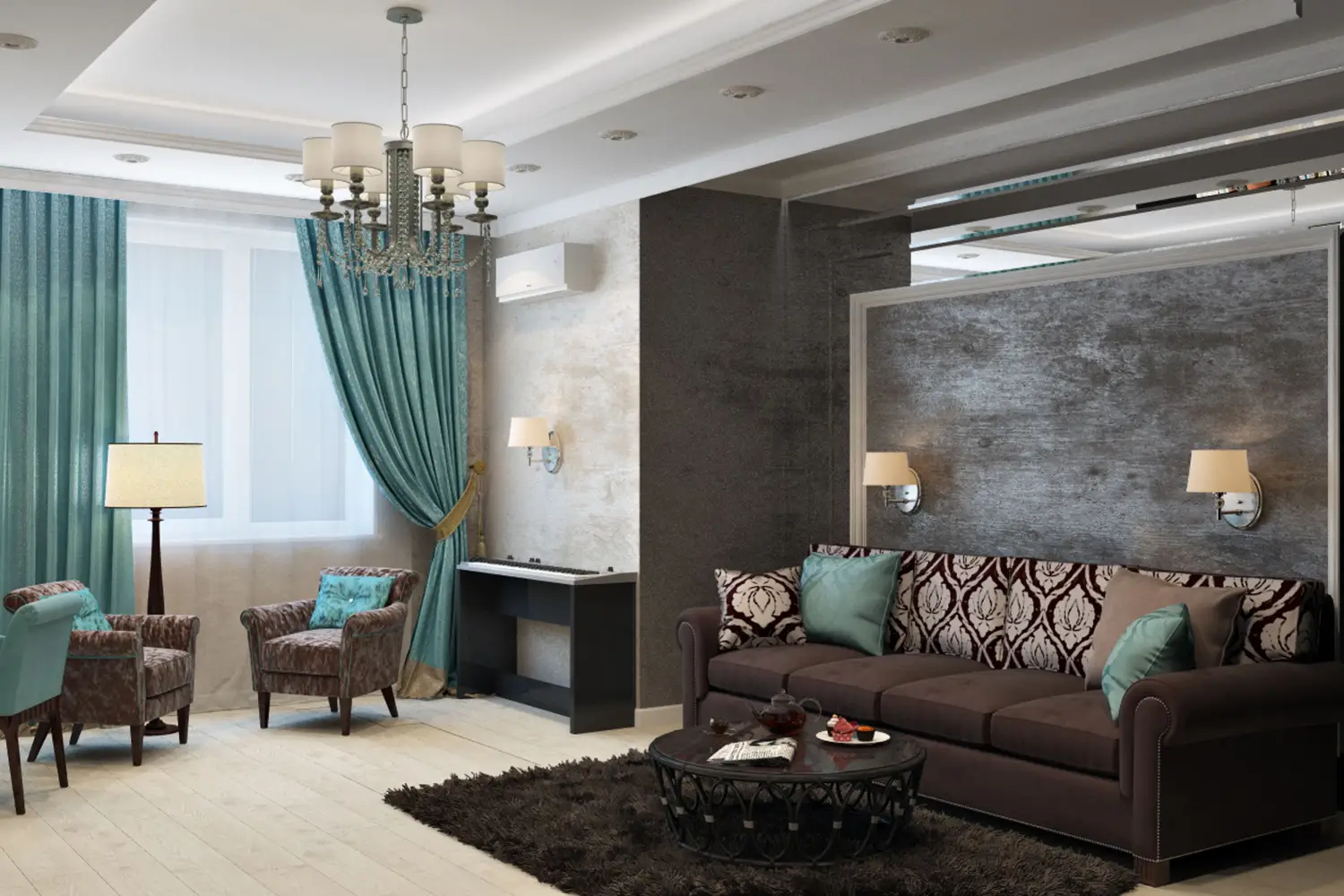
7 Pattern-Mixing Rules for a Cohesive Look in Any Room
Learn the room-specific sequence for pattern mixing: start with a large-scale pattern, add a small-scale coordinate, finish with texture. Adjust order for kitchens, bedrooms, and more. Beginner-friendly rules.
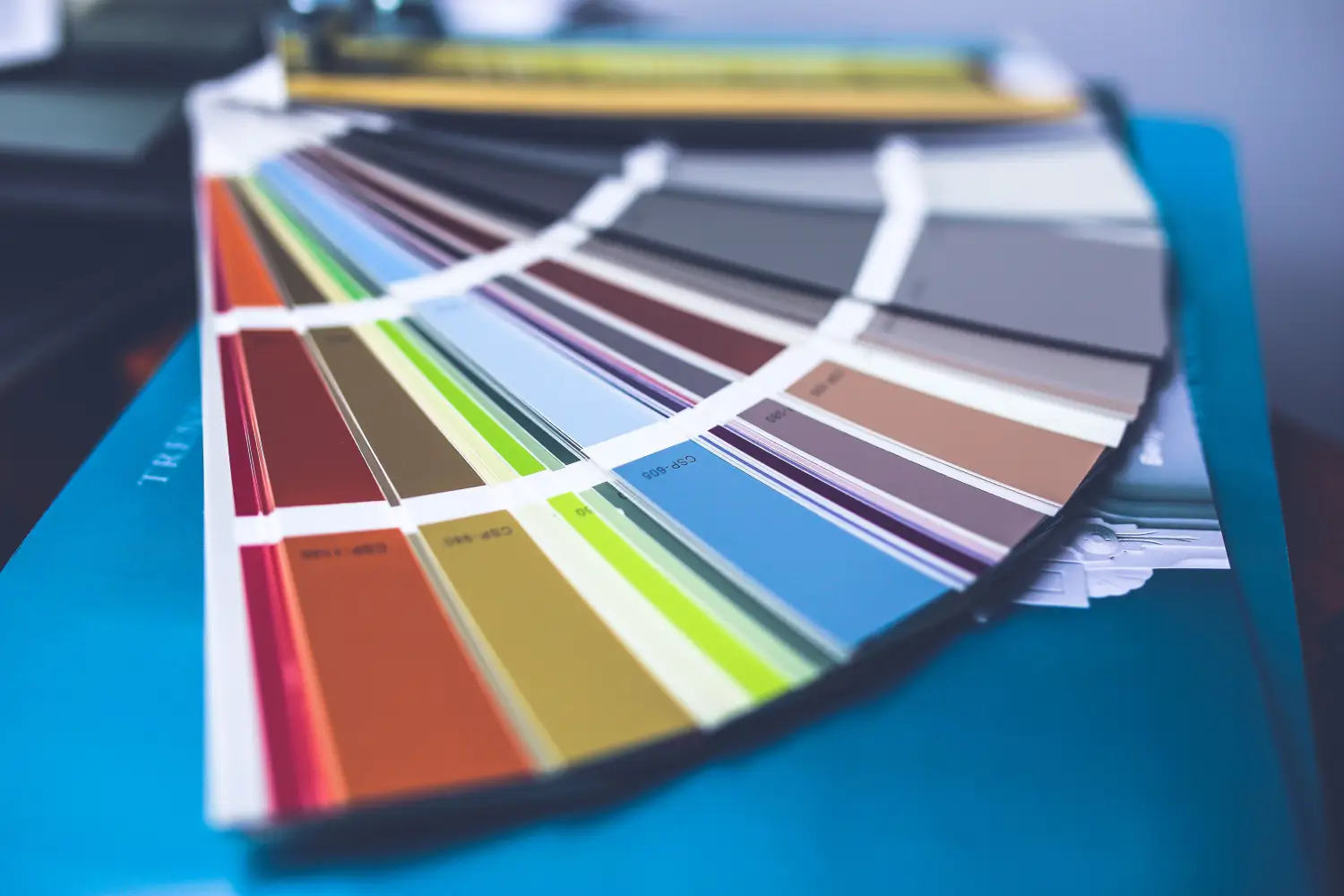
How Interior Designers Mix Colors in a Room (Steal Their System)
Stop guessing with 60-30-10. Learn how to assign square footage to each color so the eye lands where you want it first. A designer’s system you can steal.