The Decor Rule Pros Break When Mixing Old and New
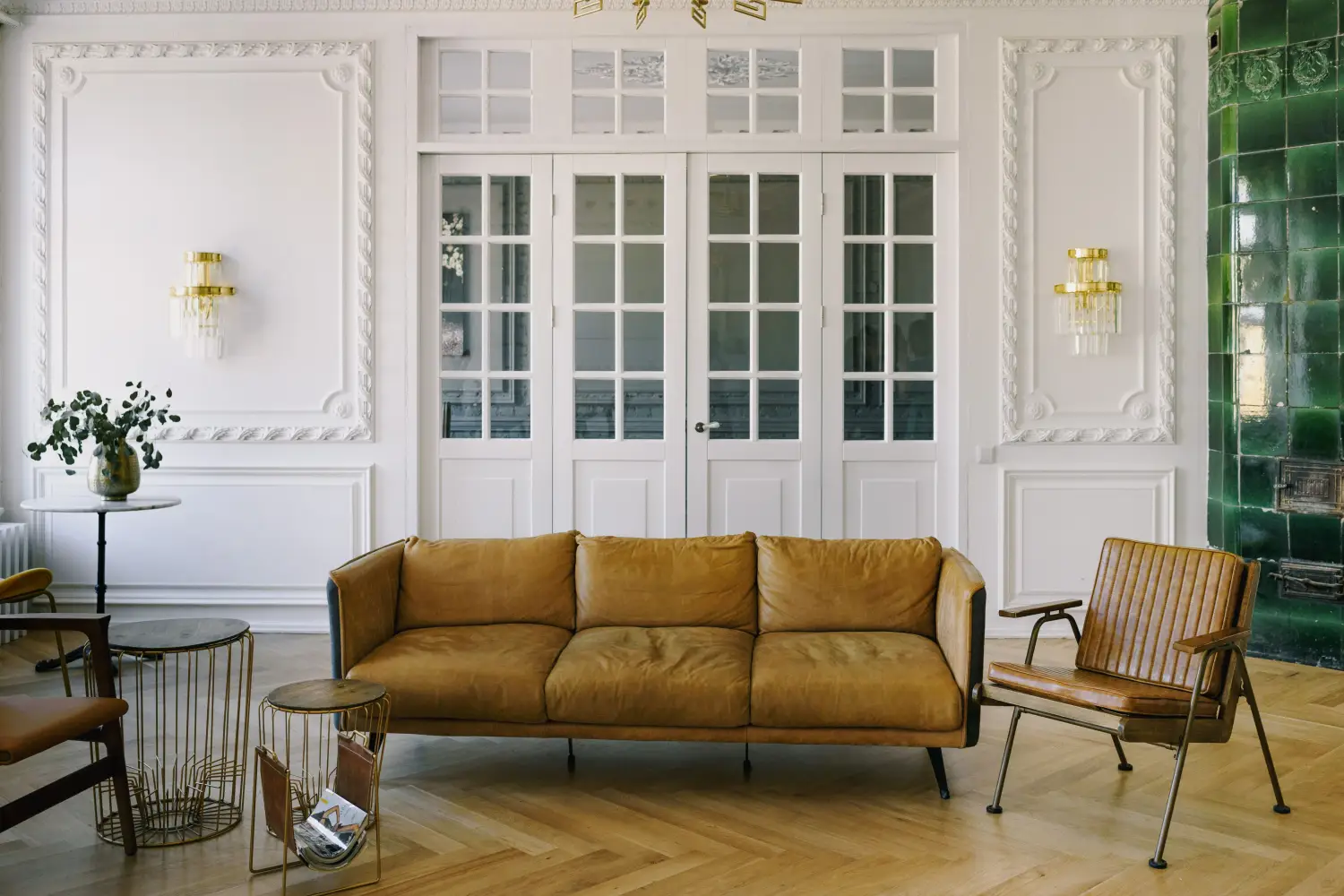
The decor rule pros break when mixing old and new is the advice to limit vintage pieces to one per room. Instead, they treat a single standout antique as the room's focal point and surround it with modern furnishings that support, not compete, making the contrast feel deliberate.
This approach turns the whole composition into a system where every element answers to the focal piece. The old item is not a token decoration; it's the center of gravity. The modern items exist to give it space, amplify its presence, and create a tension that feels like a solution, not a conflict. The result is a room that reads as intentionally layered rather than indecisively mixed.
Three Paths to Mixing Vintage and Modern (Pick Yours)
You likely arrive here from one of a few situations. The route through this article depends on which one fits.
You inherited an impressive antique and don't know how to make it work with your existing decor. Your path: Choose that piece as the focal point, then build a modern frame around it stage by stage.
You love vintage finds but every room you try looks like a thrift store instead of a home. Your path: Stop scattering small pieces and instead anchor the room with one large-scale vintage item, then deliberately pair it with clean-lined counterparts.
You're redecorating from scratch and want a look that's layered, not one-note. Your path: Start by hunting for a vintage piece that can carry a room visually, then select every other element to support it.
Pick a Vintage Piece That Can Command the Room
What This Stage Achieves
This stage moves you from randomly collected antiques to a single, intentional focal point. The aim is an item with enough physical presence and visual weight that it anchors the entire layout — a piece you could imagine a modern room revolving around.
How to Do It
Look for size first. A tall armoire, a six-foot-wide farmhouse table, a gilded mirror that covers a third of a wall. Small accent pieces like candlesticks or figurines rarely carry enough weight to organize a room.
Check condition next. Surface wear adds character, but structural problems — a wobbly leg, a cracked frame — demand repair costs that can derail a beginner's budget. Pick a piece that needs at most cosmetic attention.
Finally, test its visual anchor power. Place the piece in the room and step back. Does your eye land there first? If you mentally remove it, does the room feel hollow? If yes, you have your focal point.
When You're Ready to Move On
You know you've found the right piece when you can describe the room it belongs to in a sentence: “a modern living room centered on a weathered French buffet,” or “a bright white kitchen anchored by a raw-wood workbench island.” That mental picture is your signal to start framing.
Build a Modern Frame Around Your Vintage Focal Point
What This Stage Achieves
Here you stop treating the vintage piece as the sole antique in a room full of modern objects. Instead, you deliberately choose modern pieces that act as a supporting cast — items that create a clean, quiet perimeter, letting the antique hold the spotlight.
How to Do It
Position the vintage piece first — not against a wall as an afterthought, but where sightlines converge. A dining table lives in the center; an armoire faces the entry; a large mirror hangs opposite a window to double the light.
Select modern counterparts with simple silhouettes and low texture. A streamlined sofa without turned legs, a flat-panel media console, a plain linen rug. The goal is visual breathing room around the antique.
Limit additional vintage pieces. Let one other small vintage item appear — a pair of brass sconces, a single ceramic lamp — but nothing that vies for attention. More than that and the focal point dissolves into a general antique collection.
When You're Ready to Move On
Stand at the doorway and note where your gaze travels. If it lands first on the vintage focal piece, then fans out to take in the modern elements as a supporting whole — without snagging on competing antiques — the frame is working.
Adjust the Contrast Until It Feels Intentional
What This Stage Achieves
Controlled contrast is what separates a room that reads as “I couldn't decide” from one that reads as “I planned this tension.” This stage tunes the relationship between old and new so the gap feels like a deliberate design choice, not a mismatch.
How to Do It
Use color to bridge eras. If your vintage piece has warm wood tones, echo that warmth in one modern textile — a rust throw pillow, a cognac leather chair — then let the rest of the palette stay crisp (whites, charcoals, soft greens). The single color link makes the contrast legible.
Manipulate scale. Pair an oversized vintage mirror with a low, horizontal modern sofa. The antique's height and ornament become dramatic, not disproportionate, because the low line of the modern piece frames it from below.
Repeat a shape or material. A vintage turned-leg table beside a modern chair with subtly rounded arms — the curve appears in both, but one is ornate, the other restrained. That shared language signals intentional pairing.
When You're Ready to Move On
The room reaches this point when a guest could walk in and immediately name the two eras at play, but without sensing friction. Instead, they register a visual tension that feels resolved — the room makes sense as a single composition.
Signs Your Vintage-Modern Mix Is Ready for the Next Stage
- You can describe your room in one sentence that names the focal piece and the modern setting.
- The vintage piece sits at a natural sightline convergence, not pushed against a wall.
- Your eye lands first on the antique, then roams across clean modern pieces without snagging on competing vintage items.
- A single color or material thread links old and new, making the contrast feel deliberate.
- Someone seeing the room for the first time can name both the old and the new element, but experiences the mix as a single resolved composition.
Worries About Mixing Old and New That You Can Defer
Worry: “Should I limit myself to one antique per room?”
That rule exists to prevent clutter, not to govern focal-point design. When your entire layout revolves around one vintage piece, the rule loses relevance. Address it only if you later add multiple competing antiques — the trigger is when your eye can't settle on the hero piece.
Worry: “Do I need to match wood tones or metal finishes?”
Matching is a shortcut to harmony, not a requirement. A vintage walnut table can sit beside a chrome modern lamp without trouble, as long as the overall contrast feels intentional through color bridging or scale play. This worry becomes real only when the finishes clash so loudly they break the composition — typically four or more competing metal tones in one sightline.
Worry: “What if the vintage piece looks out of place with my modern walls or flooring?”
The focal piece defines the room, not the other way around. Plain white walls and light oak floors are the ideal canvas precisely because they don't compete. Defer this concern until you've finished the framing stage; if the piece still feels adrift then, add one texture echo — a natural-fiber rug or linen curtains — rather than repaint the room.
Worry: “Can I afford the restoration work on a large antique?”
Start with pieces in sound structural condition and you avoid this worry entirely. Cosmetic wear — scratches, faded finish — needs no professional treatment and often enhances the contrast with modern pieces. This concern becomes active only if you fall in love with a piece that needs joint regluing or full refinishing; at that point, get a repair quote before buying.
Common Questions About Making Vintage Pieces the Focal Point
How do I choose a vintage focal piece if my room is very small?
Select something tall rather than wide. A narrow floor mirror with a carved frame, a slender shop cabinet mounted on the wall — vertical antiques draw the eye up without eating floor space. Keep every other piece compact and leggy to preserve visual breathing room.
What if my vintage piece is sentimental but not visually strong?
Use scale and position to amplify it. Hang a small heirloom portrait in an oversized modern frame and place it where sightlines converge — above a mantel or at the end of a hallway. Pair it with only one other modern object, such as a simple console below, and remove everything else in that zone so the piece reads as intentionally isolated.
Can I have two vintage focal pieces in one room?
Only if they work as a single visual unit. A pair of antique carved doors or two matching sconces flanking a modern bed can read as one focal point. Two unrelated antiques — a grandfather clock and a roll-top desk — will fight for attention and break the composition. If you must include both, subordinate one by placing it in a secondary zone, like a reading corner, while the main sightline stays centered on the other.
How do modern lighting choices affect a vintage focal piece?
Lighting controls attention. Aim a directional modern fixture — a minimalist track light or a simple swing-arm sconce — directly at the vintage piece. The contrast between the clean source and the ornate target reinforces the old-new tension. Avoid ornate vintage-style chandeliers over a focal antique; they create a costume-y feel instead of a deliberate mix.
When the Mix Works: What It Looks Like and Where to Start Now
A room that reaches this goal doesn't advertise its planning. It looks like the person who lives there knew exactly which piece mattered most and built everything else around it without fuss. The antique reads as the star, the modern elements as its support, and the room lands as a single cohesive idea.
For the most common starting point — an inherited antique you're unsure how to use — the first action is to place it where sightlines converge and strip the room of everything that competes. Stand in the doorway tomorrow morning, see where your eye goes, and begin there.

Clara Bennett
After five years of transforming my 1920s bungalow room by room, I’ve refinished floors, hung blinds in bay windows, and spent more time choosing light bulbs than I’d like to admit. I learned paint sheens by painting my kitchen ceiling three times, and I found out the hard way that a rug too small makes a room feel unfinished. I believe every home can be both functional and beautiful, no matter the budget.
Related posts

Decor Mixing That Works: A Realistic Plan for New Homeowners
Stop memorizing rules. Use this anchor-first framework to mix any furniture, finishes, and accessories into a room that feels intentional—step by step, with real-life starting points.
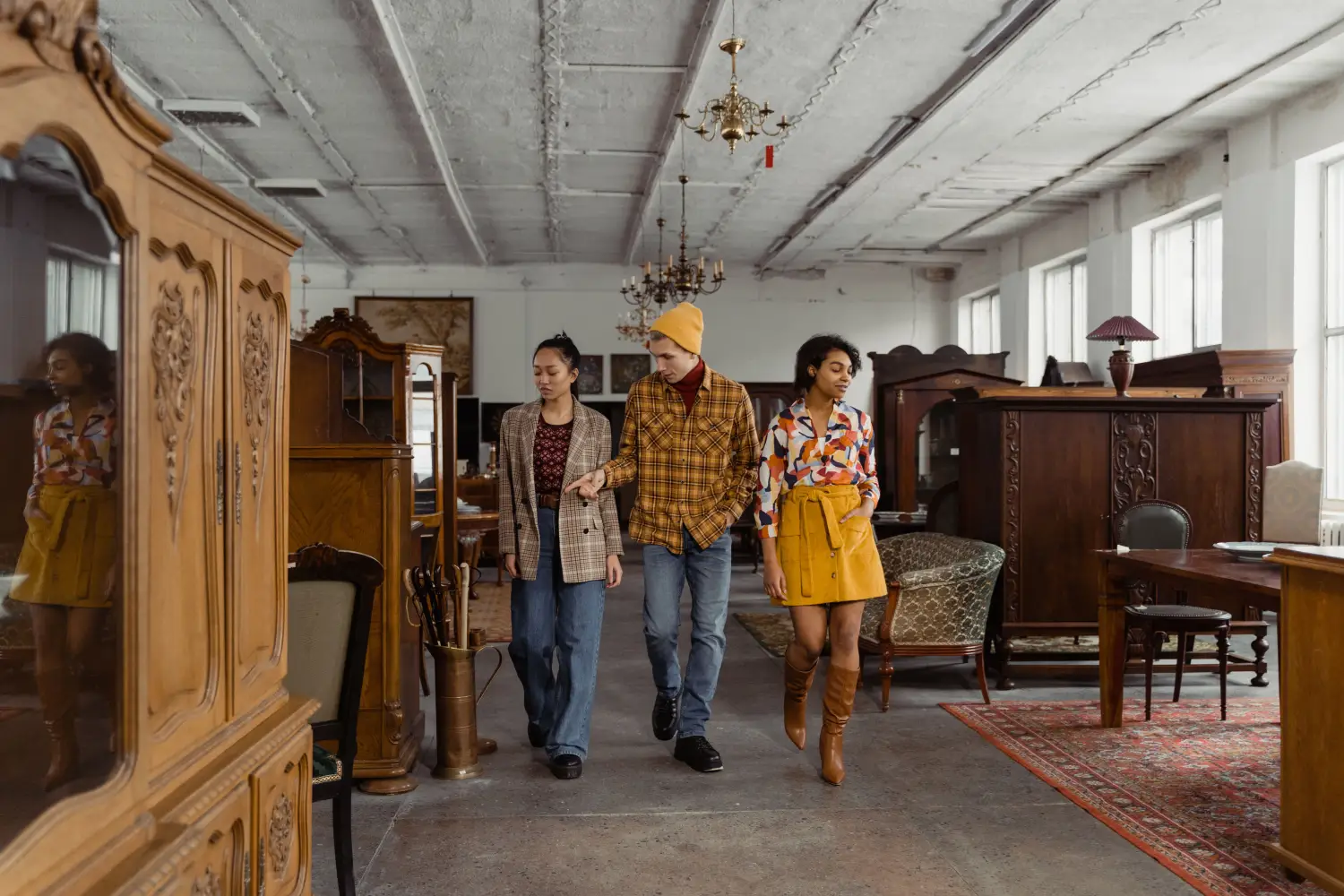
Matching Sets Are Over: How to Mix Furniture Styles Successfully
Stop buying matching sets. Use the 'common thread' method to mix furniture styles without chaos—one shared detail unifies the room. Learn how.
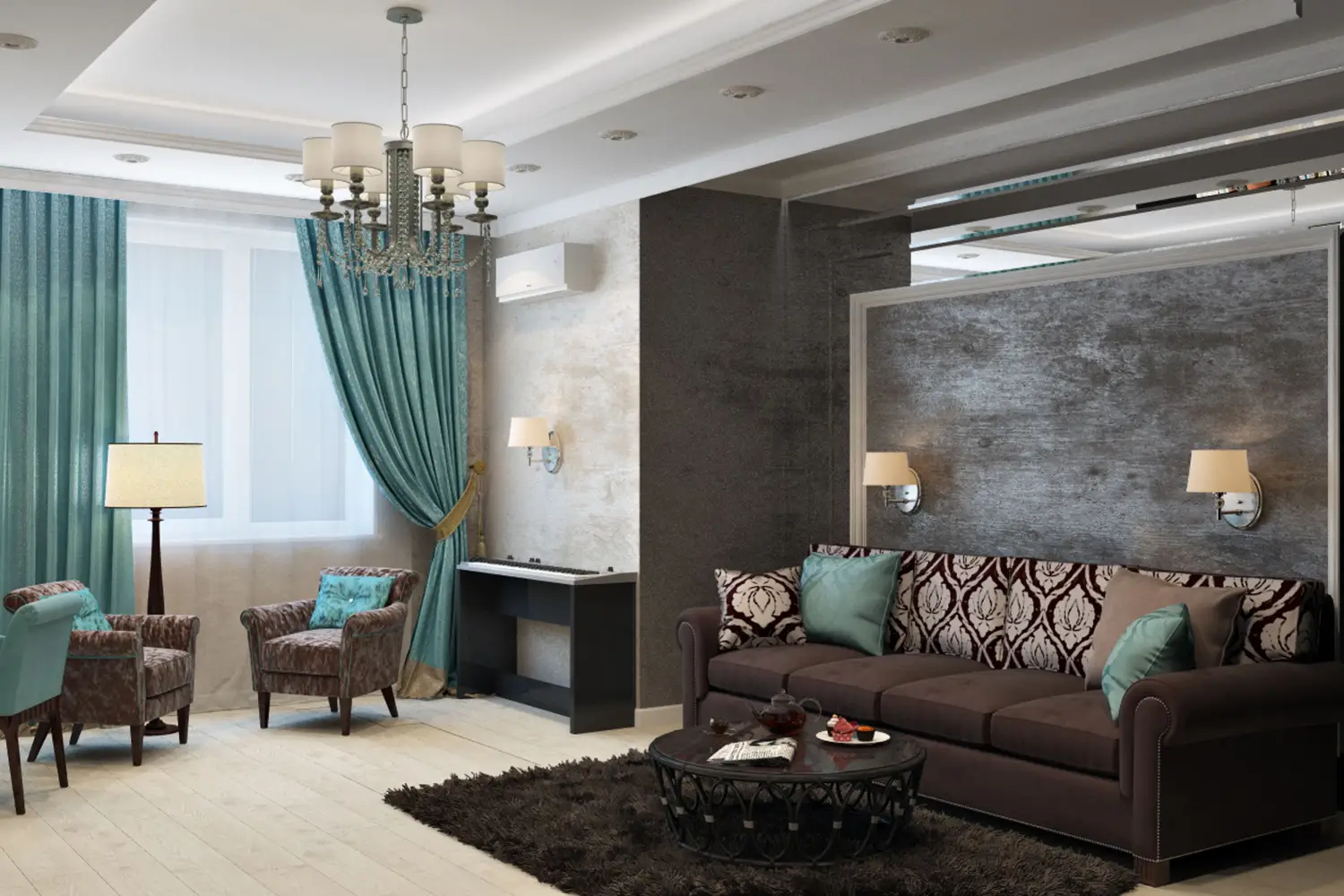
7 Pattern-Mixing Rules for a Cohesive Look in Any Room
Learn the room-specific sequence for pattern mixing: start with a large-scale pattern, add a small-scale coordinate, finish with texture. Adjust order for kitchens, bedrooms, and more. Beginner-friendly rules.

How Interior Designers Mix Colors in a Room (Steal Their System)
Stop guessing with 60-30-10. Learn how to assign square footage to each color so the eye lands where you want it first. A designer’s system you can steal.
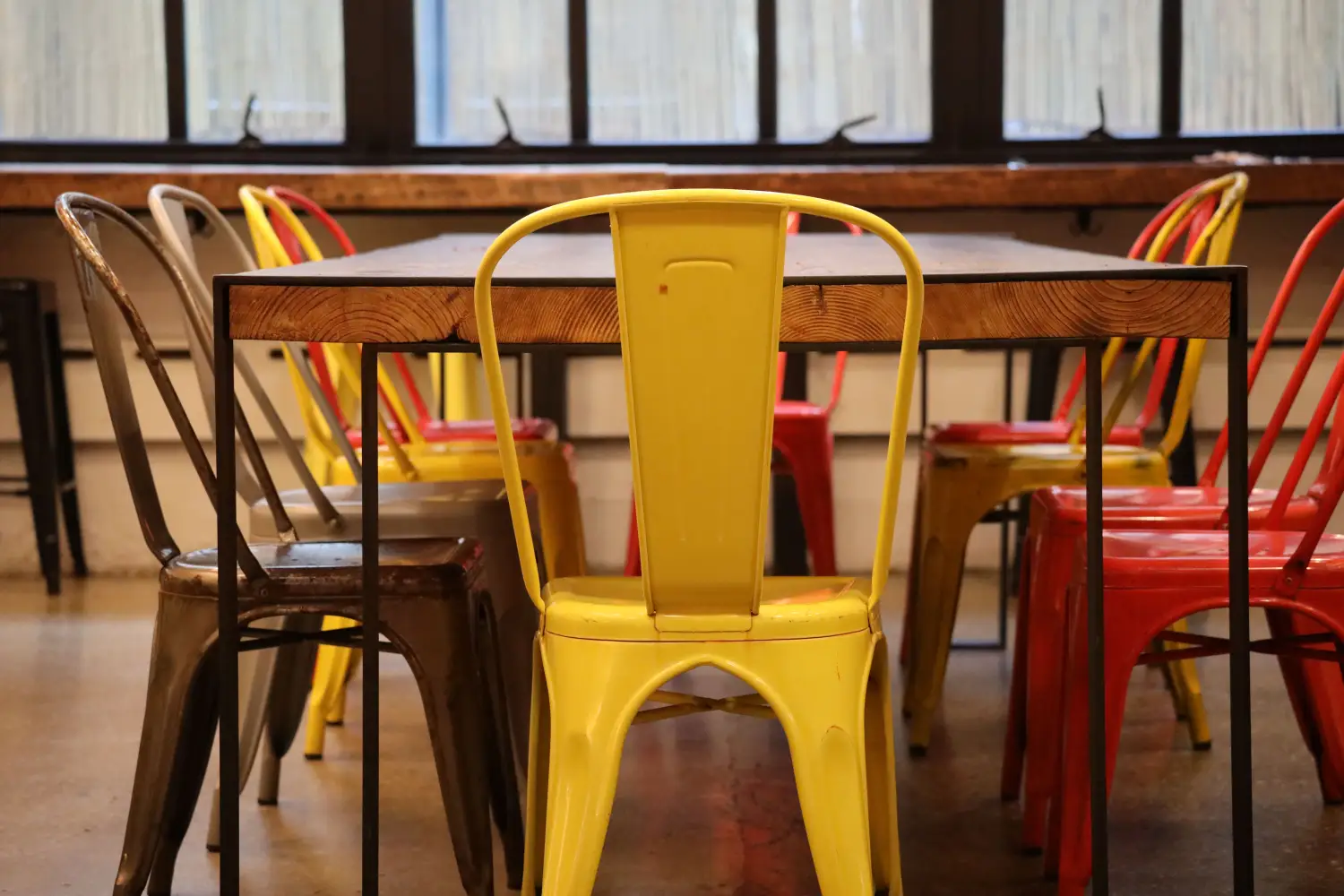
Stop Losing Style: How to Mix Wood and Metal Finishes Right
Stop guessing with wood and metal finishes. Use a warm/cool temperature system to pair brass, chrome, oak, and walnut—no design mistakes, just a clear rule.