Decor Mixing That Works: A Realistic Plan for New Homeowners

For new homeowners staring at a room that feels like a jumble, mixing decor that works comes down to one thing: a clear anchor piece that gives every other choice a reason. This article lays out a repeatable framework—no memorizing rules, just a path to a space that finally feels settled.
You don’t need a design degree to make a room come together. You need a way to make decisions that respects what you already own, even when pieces seem to clash.
Where Your Room Starts: Three Common Scenarios for New Homeowners
You’ve just moved in with a collection of hand-me-downs and a new sofa you splurged on. Your route: treat the sofa as your anchor if it's visually dominant, or pick the piece you're most excited about as the rallying point.
You bought a statement light fixture for the dining room, but the rest of the space is bare. The light fixture is your built-in anchor—everything else will take cues from its shape, material, or color.
You and your partner clash over a favorite rug that doesn’t match the inherited armchair. Let the rug set the tone as the anchor; the chair becomes a deliberate contrast you balance with other pieces.
Stage 1: Lock In Your Anchor Piece
What it aims to achieve: A single dominant piece that gives the whole room its direction. Without an anchor, every little choice feels like a separate, exhausting negotiation.
Concrete actions:
- Walk through your room and look at each piece. Rate its visual weight—size, color intensity, pattern boldness, or simple emotional pull.
- Choose the one piece that feels like the heart of the room. It might be a vivid rug, a sculptural chair, a large artwork, or even a built-in feature like a fireplace surround.
- Define three specific traits of that anchor: its main color, its primary material, and a style cue (e.g., curved legs, industrial metal, organic texture).
Ready to move on when: You can sum up your room’s starting point in one calm sentence that names the anchor and its key traits. For example, "I'm building from a deep green velvet sofa with brass legs."
Stage 2: Choose Your Contrast Carefully
What it aims to achieve: Enough variety to keep the room interesting, but enough connection to the anchor that nothing feels jarring or lonely.
Concrete actions:
- Decide on a loose balance ratio that feels right. A safe, comforting starting point is roughly 70% similarity (pieces that echo the anchor’s colors, shapes, or materials) and 30% deliberate contrast.
- For each new or repurposed item you bring into the room, check: does it share at least one common thread with the anchor? That thread could be a color from the same palette, a matching material (wood, metal, glass), or a repeated shape (rounded, angular).
- Use the anchor's traits as a quiet filter. If the anchor is a rustic wood table, a sleek metal console table still works if it repeats the warm brown tone or rectangular silhouette.
Ready to move on when: Every piece in the room has a clear, explainable relationship to the anchor. The room no longer looks like a random assortment but like a gathering of things that belong together.
Stage 3: Repeat a Thread So Everything Belongs
What it aims to achieve: A cohesive feeling that reads as a single, intentional collection—not a collection of coincidences. This is where the room goes from working to feeling truly at ease.
Concrete actions:
- Pick one element from your anchor (a color, a material, a shape) and repeat it in at least three different places across the room. A color could show up in a throw pillow, a vase, and a book spine; a material like black metal might appear in a lamp base, a picture frame, and a shelf bracket.
- Vary the scale. If your anchor’s dominant color is navy, include a large navy rug, a medium navy cushion, and a small navy ceramic bowl.
- Leave some white space. One pattern or texture repeated too uniformly can feel heavy; a few neutral areas let the repetitions breathe and the room feel calm.
Ready to move on when: Walking into the room brings a quiet sense of order. The mix reads as a deliberate collection, and a visitor would notice a theme without you needing to explain it.
Three Signs Your Mix Is On Track
- You can name your anchor and its defining traits in one sentence.
- Every piece in the room has a traceable connection back to that anchor.
- The room feels settled—a theme comes through without effort.
What to Stop Worrying About Right Now
Matching wood tones exactly. Most rooms look better with a subtle mix of wood finishes than with forced uniformity. Give yourself permission to ignore this until your anchor and balance are set. Even then, aim for compatible tones, not a perfect match. Trigger: when you’re adding the last side table or picture frame and it stands out as harsh rather than harmonious.
Labeling your style. Terms like "mid-century modern" or "bohemian" can narrow your choices and add pressure. Use them later if you need to shop efficiently online, but while building the mix, let the anchor’s actual characteristics guide you. Trigger: when you’re searching for a very specific missing piece and need to filter results.
Getting the rug size exactly right. A slightly small rug won’t ruin the feeling of the room while you’re still establishing the anchor and contrast. Revisit rug size once the layout and major pieces are finalized. Trigger: when you notice the furniture feels disconnected from the floor.
Coordinating all metal finishes. Mixed metals are fine as long as they relate to the anchor’s own metal or are used with a deliberate purpose. Ignore this worry until after Stage 2. Trigger: when you have at least three different finishes competing for attention and none ties back to the anchor.
A Few Shortcuts Worth Taking
These steps can speed up progress without undermining the framework:
- Build a digital mood board. Use a free app or website to place a photo of your anchor piece against images of potential additions. It makes it easy to see connections before you buy.
- Carry a snapshot of your anchor when shopping. On your phone, keep a clear photo of the anchor and a note listing its three key traits. Even a quick glance can filter out wrong choices.
- Test paint or fabric samples next to the anchor. A physical swatch held against the actual piece in your room's lighting reveals whether the relationship works.
Quick Answers to Mixing Questions
Can I mix modern and traditional furniture?
Yes. The framework handles this directly: let your anchor’s traits decide. If the anchor is a traditional oak dining table, add modern chairs that share its wood tone or geometric shape; the contrast becomes intentional.
What if I have two strong pieces that both want to be the anchor?
Choose the one with the most visual weight (larger, bolder color, more decorative), and treat the other as a supporting actor. You can still honor that second piece by repeating its color or material elsewhere.
How many different colors can I mix before it looks messy?
Start with the anchor’s palette—usually 2-4 colors that appear in it—and add one accent color at most. A 3- to 5-color room feels rich; more than that, and the eye has nowhere to rest.
Do I have to use the same metal finish throughout the room?
No. Pick one dominant metal that ties to the anchor, then use one contrasting finish sparingly in small accents. Brass and matte black, for example, can coexist if the brass is on the anchor and the black appears in picture frames or lamp bases.
What about mixing patterns?
Treat pattern as a repetition tool. If your anchor has a large floral pattern, bring in a smaller geometric print in one of the same colors. The connection is the shared color, not the pattern type.
When your room feels settled—not like a collection of unrelated items but like they all belong to the same story—you’ve successfully mixed your decor. If you’re starting with a jumble of hand-me-downs, pick the piece that makes you happiest right now and make it your anchor tonight.

Clara Bennett
After five years of transforming my 1920s bungalow room by room, I’ve refinished floors, hung blinds in bay windows, and spent more time choosing light bulbs than I’d like to admit. I learned paint sheens by painting my kitchen ceiling three times, and I found out the hard way that a rug too small makes a room feel unfinished. I believe every home can be both functional and beautiful, no matter the budget.
Related posts

Matching Sets Are Over: How to Mix Furniture Styles Successfully
Stop buying matching sets. Use the 'common thread' method to mix furniture styles without chaos—one shared detail unifies the room. Learn how.
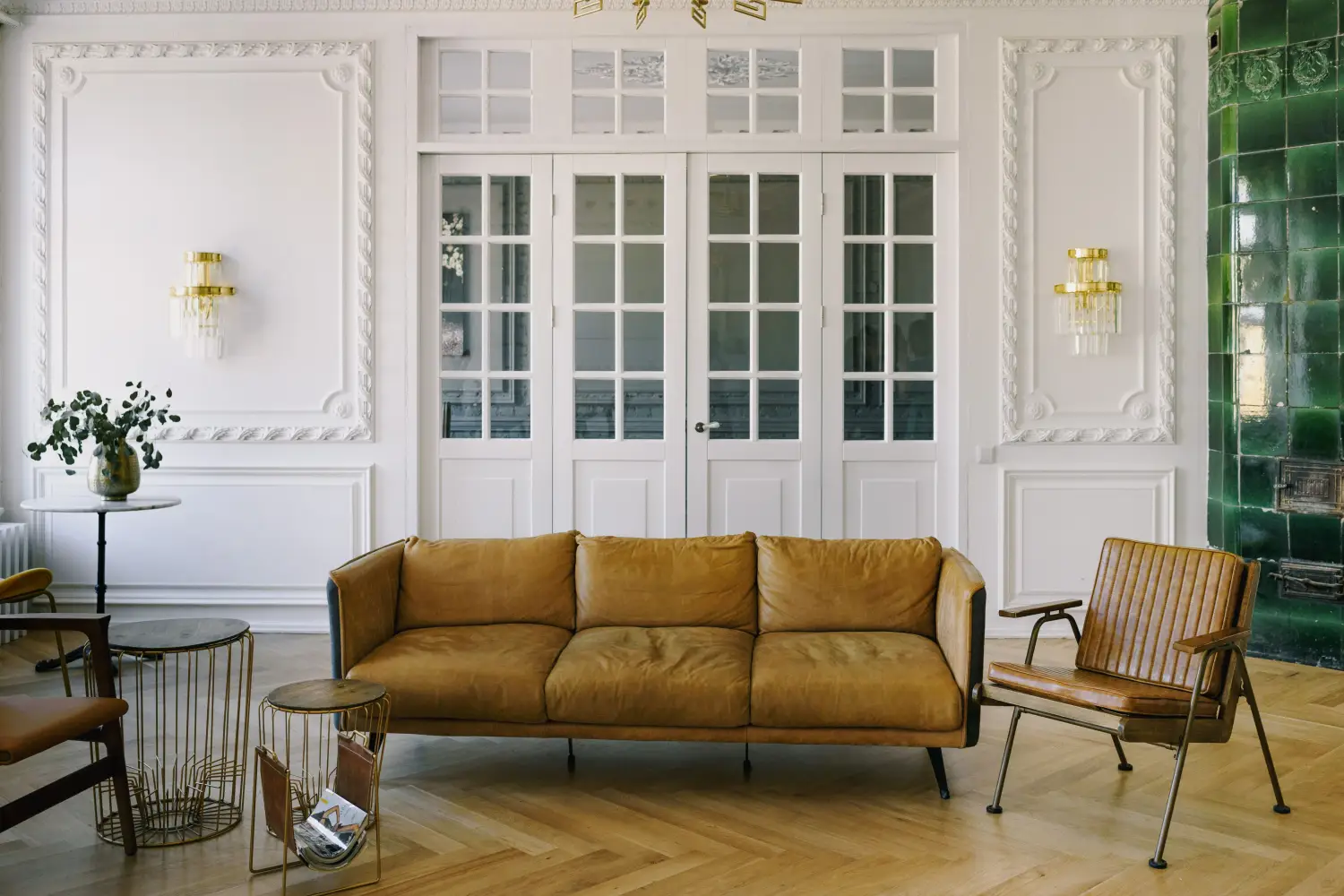
The Decor Rule Pros Break When Mixing Old and New
Pros ignore the 'one antique per room' rule. Learn the focal-point method that makes vintage pieces the star and modern items the frame — so the contrast reads as intentional, not accidental.
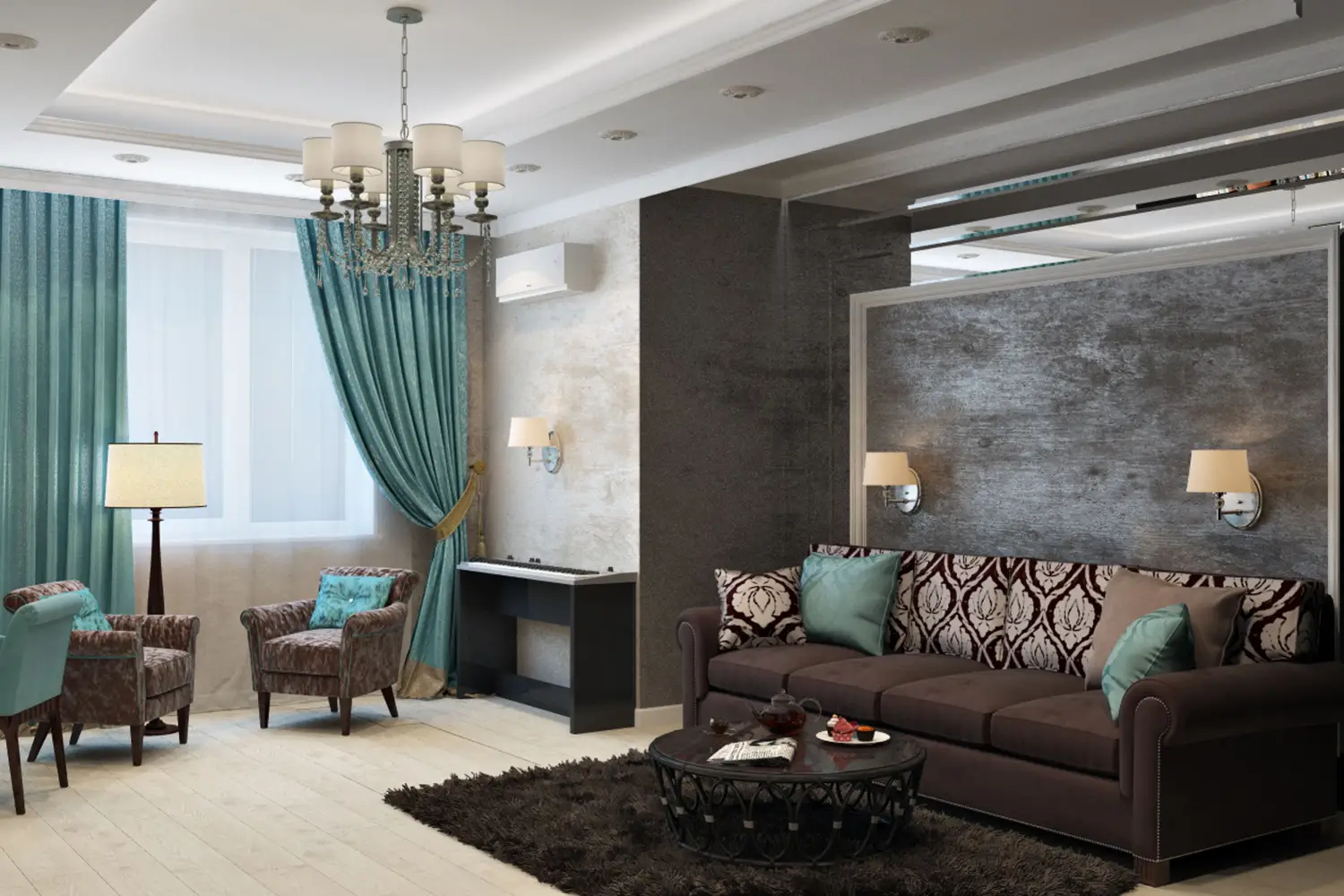
7 Pattern-Mixing Rules for a Cohesive Look in Any Room
Learn the room-specific sequence for pattern mixing: start with a large-scale pattern, add a small-scale coordinate, finish with texture. Adjust order for kitchens, bedrooms, and more. Beginner-friendly rules.

How Interior Designers Mix Colors in a Room (Steal Their System)
Stop guessing with 60-30-10. Learn how to assign square footage to each color so the eye lands where you want it first. A designer’s system you can steal.

Stop Losing Style: How to Mix Wood and Metal Finishes Right
Stop guessing with wood and metal finishes. Use a warm/cool temperature system to pair brass, chrome, oak, and walnut—no design mistakes, just a clear rule.