Roman Shades vs Cellular Blinds: The One Number That Settles It
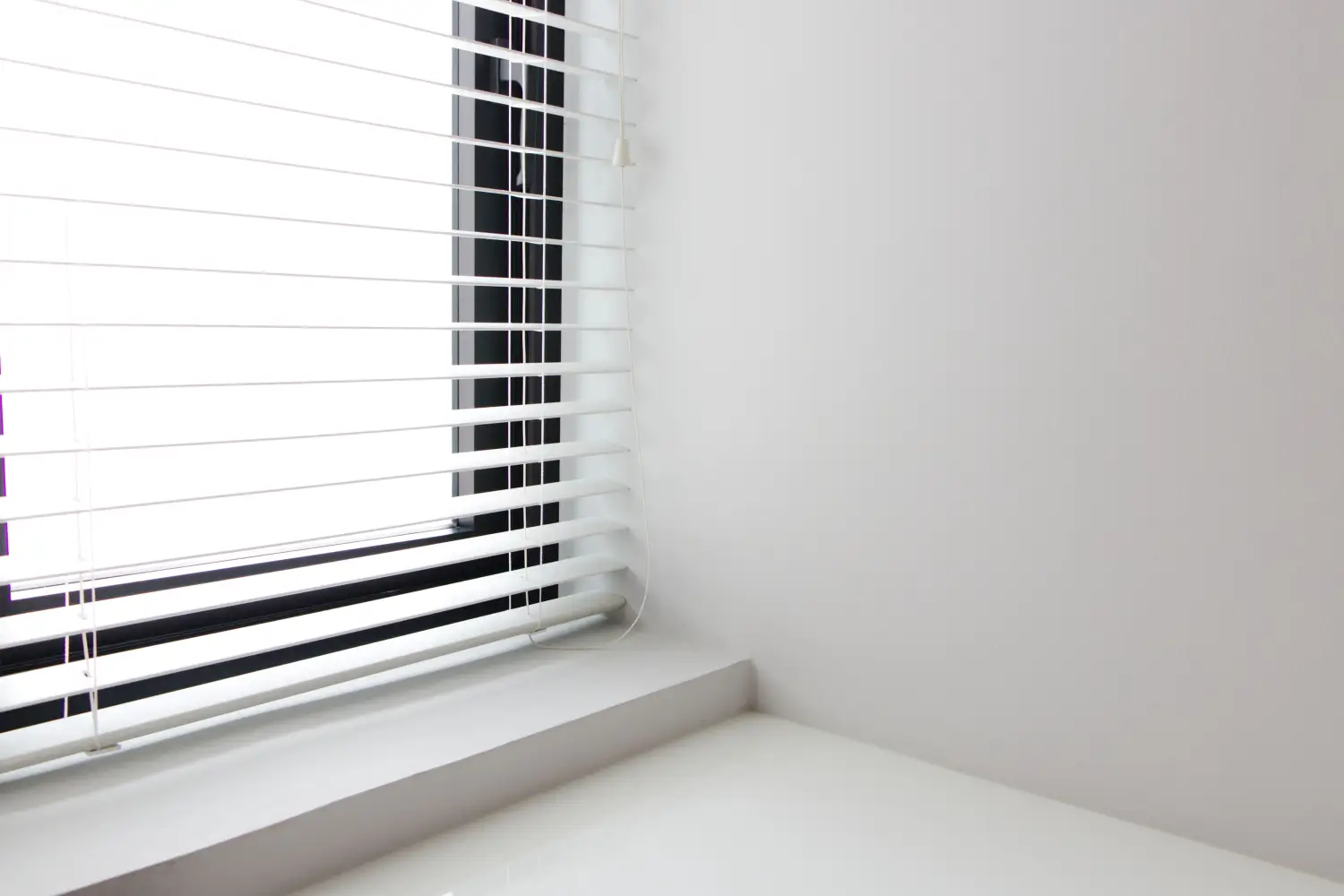
Deciding between Roman shades and cellular blinds isn’t about browsing swatches. It’s about two numbers you can map in five minutes. Compute a simple Climate Demand Score: take the daily peak sun hours hitting your window and multiply by your area’s heating degree days (or cooling degree days, if you live where AC runs more than heat). If that product tops 5,000, buy cellular blinds—no further deliberation needed. Below 5,000, Roman shades control light more precisely and cost less per window. To produce that single figure, gather four data points: (1) average daily peak sun hours on the specific window, (2) your local heating degree days or cooling degree days, (3) the typical indoor‑outdoor temperature gap you fight, and (4) the absolute most you’ll spend per window.
Find Your Shade in 30 Seconds: The Climate‑Light Decision Table
| Your Situation | Winner | Why |
|---|---|---|
| Winter heating bills feel punitive, windows drafty | Cellular blinds | Honeycomb cells trap an insulating air layer that resists heat flow; a double‑cell version can add R‑5 to a bare window. |
| West‑ or south‑facing window, afternoon sun makes the room unusable | Roman shades | A blackout‑lined roman with a tight fit cuts glare instantly and can be lowered to any height without distorting the view above. |
| Nursery or media room that must be pitch dark at noon | Roman shades (with wrapped blackout liner) | The dense panel and optional side seals block light leaks that cellular blinds’ pinholes and side gaps commonly leave. |
| Three windows to cover, tight budget, still want a polished look | Roman shades | Entry‑level flat‑fold poly‑cotton Romans can cost half as much installed as the cheapest cordless cellular per unit. |
| Living room where you want soft light but not a blocked‑out view | Roman shades | A semi‑sheer roman cuts intensity while retaining an open vista; cellular blinds scatter light diffusely and reduce the view. |
When Heating or Cooling Bills Drain Your Account
If the utility statement sets the household rhythm, cellular blinds are the logical pick. Each cell creates a still‑air pocket—the same physics that made double‑glazed windows a standard. A single‑cell unit adds roughly R‑2 to the window assembly; a double‑cell design climbs past R‑4 in quality lines. That upgrade transforms a cold‑radiating pane into a surface that stays close to room temperature, and it trims cooling load in a sun‑baked room as well.
What you surrender: fabric choice. Cellular blinds come in a limited palette of neutrals and textured solids; they won’t deliver the silk, linen, or botanical prints that Roman shades can. Upfront cost runs higher—plan on $85 to $150 per window installed, compared with $50 to $100 for a basic Roman shade. In a climate where the furnace quits by March, that premium may never be recovered.
When Intense Sun Glare Ruins Your Afternoon
Windows that catch unfiltered sun from 2 p.m. onward need a shade that moves fast and blocks hard. Roman shades excel here because they lower and raise with a smooth, weighted drape. A blackout roman pulled halfway down carves a sharp shadow boundary and leaves the upper pane clear, while a cellular blind diffuses the light softly but never truly blacks it out—unless you pay for a foil‑lined cellular that costs nearly double the standard model.
Trade‑off: that crisp light control adds negligible insulation; a roman shade might contribute R‑1 at best. When the outdoor mercury reads 95°F, a cellular blind will actually fight the heat gain, whereas a roman merely blocks the brightness. So the roman wins the glare fight, but the cellular wins the slower, steady war on the thermostat.
When Absolute Darkness Is a Hard Requirement
For a nursery or a media room, the pass/fail test is zero visible light. Roman shades, built with a heavy blackout liner and side‑channel wraps, seal so tightly that midday sun becomes a dull rim glow. The fabric’s weight presses against the casing, eliminating the thin gaps that plague even premium cellular blinds at the cord‑routing holes and side tracks.
Cellular blackout blinds can perform decently—especially with internal foil layers and dedicated side tracks—but they rarely match the edge‑to‑edge seal of a lined roman. However, that perfect darkness comes with a physical burden: the roman shade is heavy. Lifting and lowering it several times a day in a mixed‑use room will strain cords and test patience. The cellular blind, lighter by design, glides effortlessly if the room requires frequent opening and closing. Reserve the roman’s blackout power for a space that primarily stays dark.
When the Budget Cap Leaves No Room for Maneuver
Price draws a hard line. A simple flat‑fold roman shade—cotton‑polyester blend, inside‑mount—lands around $30 to $60 per square foot installed. The cheapest cordless cellular blind starts near $45 per square foot and escalates with double‑cell construction and specialty linings. Across three 3‑by‑4‑foot windows, that gap can mean several hundred dollars.
Roman shades win on raw upfront cost. The trade‑off is thermal performance: without an engineered air‑cell layer, the shade adds almost nothing to the window’s R‑value. In a room that faces north in a heating‑dominant zone, the cellular premium can pay for itself in a decade through lower fuel bills. But if the room sees only occasional use, the Roman shade’s lower ticket price is the correct financial call.
Stop Sweating These Specs—They Don’t Sway the Outcome
Some comparison points burn mental energy for zero gain. Eliminate them from the decision:
- Cordless operation: both types can be ordered cordless; motorization adds a similar surcharge to either.
- Inside‑mount vs. outside‑mount: both accommodate either installation, with no built‑in advantage on fit or thermal seal.
- Top‑down/bottom‑up: available on both, though slightly more prevalent in cellular lines. If needed, order it on either shade.
- Light‑filtering grades: each comes in sheer, semi‑sheer, and room‑darkening fabrics. What matters isn’t the fabric label but how tightly the panel closes against the frame.
- Color range: Roman shades historically offered more prints, but today’s cellular blinds cover the essential neutrals. Unless a specific floral or stripe is non‑negotiable, color isn’t a differentiator.
If you’ve been stuck comparing any of these, cross them off the list. They won’t flip the Climate Demand Score.
The Hard Stops: Conditions That Instantly Rule Out One Shade
A High‑Moisture Room Like a Bathroom
Moisture and honeycomb cells are incompatible. The fabric traps humidity, spawning mildew that’s impossible to extract from inside the pockets. Roman shades, typically polyester‑based, resist moisture and can be spot‑cleaned. In a bathroom, shower‑adjacent window, or damp basement, Roman shades are the only workable option.
A Kitchen Window You Raise and Lower Constantly
A blind above the sink might see ten cycles a day. Lightweight cellular shades glide by design; the cords and headrail rarely feel the strain. Roman shades—particularly with a heavy blackout liner—put repeated stress on the lift mechanism, leading to fraying and uneven stacking within a few years. High‑frequency windows favor cellular blinds.
Extra‑Wide Windows Exceeding 72 Inches
Many stock cellular blinds top out at 72 inches without a center support rail that breaks the view. Custom Roman shades, conversely, can be fabricated as a single unbroken panel up to 96 inches. A wide picture window usually looks more cohesive with one uninterrupted roman.
Child‑Safety Rules and Non‑Compliant Roman Shades
Since 2018, U.S. regulations require new stock shades to be cordless or have inaccessible short cords. Budget Roman shades, especially those from second‑tier sources, still sometimes ship with exposed pull cords. Cellular blinds have largely eliminated cords across all price points. If cord safety is a non‑negotiable, verify that any Roman shade you order is factory‑cordless; when in doubt, cellular blinds offer a safer default.
Money Talks: How Price Per Window Reshapes the Equation
Raw price doesn’t override the climate score, but it alters the verdict when the score sits near the threshold. Rough numbers: a 30‑by‑60‑inch entry‑level Roman shade runs $50–$80 installed; a comparable cordless cellular blind runs $85–$130. That’s a $35–$50 difference per opening.
In a heating‑dominant climate, that extra expense buys real energy return. A properly fitted cellular blind can cut heat loss through a single‑pane window by 30–40%, saving perhaps $15–$20 per year. Over a decade, the cellular blind not only recoups its premium but comes out ahead. In a region with only two months of real heating demand, the savings shrink to pocket change, and the Roman shade’s lower cost is the sharper financial choice. A hard budget of $200 for three windows eliminates cellular entirely.
Questions Homeowners Ask Before Pulling the Trigger
Do Roman shades provide any insulation?
They add about R‑1 at most—a thin thermal buffer. The fabric plus a trapped air gap does slow heat transfer, but it’s a fraction of what a double‑cell cellular blind achieves. Do not count on roman shades to move the needle on energy bills.
Can cellular blinds be cleaned without damage?
Dust can be vacuumed with a soft brush attachment; light stains respond to spot cleaning with mild soap and a damp cloth. Never immerse or machine‑wash cellular blinds, as that collapses the cells. Embedded dirt or mold inside the honeycomb chambers is permanent, which is why kitchens and bathrooms are high‑risk locations.
Do either block sound?
Neither acts as a sound barrier. The small air pockets in a cellular blind create a barely perceptible dampening—on par with a lightweight curtain. For meaningful noise reduction, look to heavy acoustic drapes, not blinds.
Are motorized versions available for both?
Yes. Battery‑powered or hardwired motors can be fitted to Roman shades and cellular blinds alike. Because cellular blinds weigh less, the motor assembly can be more compact and quieter, but the gap is small enough that it shouldn’t steer the purchase.
For the bulk of households that live with four real seasons—where a west‑facing living room gets brutal afternoon light and the heating plant runs hard from November through March—cellular blinds provide the strongest, most measurable benefit. Ask one question: does this room need to battle outdoor temperatures first, or does it need to match a specific fabric pattern? The answer will point directly to the right shade.

Clara Bennett
After five years of transforming my 1920s bungalow room by room, I’ve refinished floors, hung blinds in bay windows, and spent more time choosing light bulbs than I’d like to admit. I learned paint sheens by painting my kitchen ceiling three times, and I found out the hard way that a rug too small makes a room feel unfinished. I believe every home can be both functional and beautiful, no matter the budget.
Related posts
The Cleaning Mistake That Ruins Roman Shades (And How to Avoid It)
Stop using water on Roman shades—that's the cleaning mistake that ruins the folds and backing. Learn how often to vacuum, how to spot-clean safely, and what to avoid.
R-Values: Roman Shades vs Cellular Blinds — 3 Crucial Numbers
Stop guessing. See exactly how much insulation a cellular blind adds vs a Roman shade on a 3x5 window. R-values from R-1 to R-4.5 compared.
Overpaying? How to Get Cellular Blinds’ Savings Without the Price
Roman shades that ignore energy costs can run $400 more than cellular blinds. See which wins for drafty windows, blackout needs, and short timelines.
Roman Shades Are Outdated? The Cellular Blind Design That’s Sleeker
Roman shades aren't always outdated, but a modern cordless cellular blind hides hardware and looks cleaner. See when to use each and the one style that feels fresh.
The Blackout Problem: Why Roman Shades Fail at 5 AM Every Morning
Roman shades marketed as blackout leak light at dawn because they lack side channels. See exactly why and how cellular blinds with tracks deliver the darkness you expect.