Roman Shades Are Outdated? The Cellular Blind Design That’s Sleeker
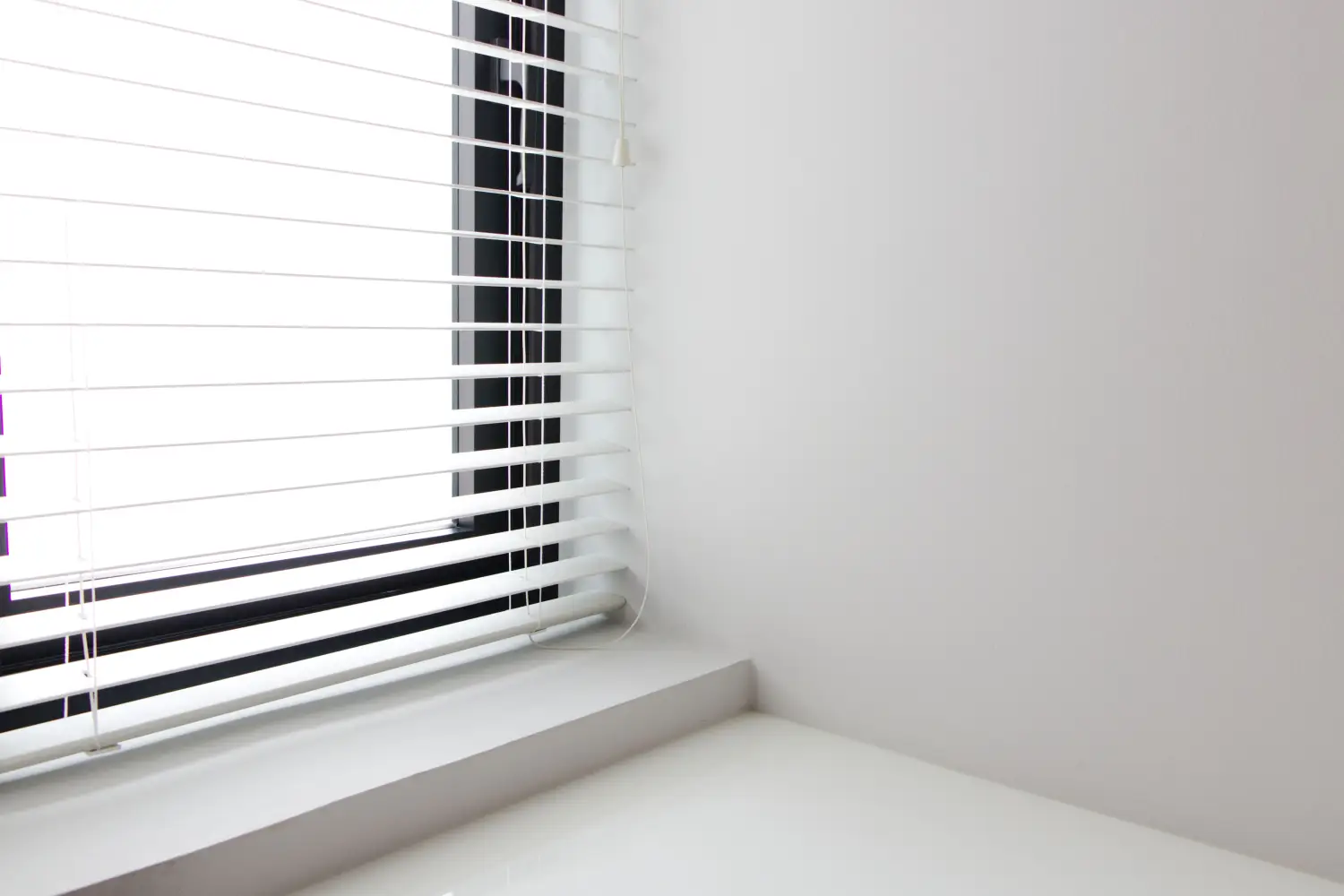
Roman shades aren’t banished, but walk through a new-construction great room with floor-to-ceiling glass and you’ll see why they feel like leftover formalwear. The window treatment that turns heads now is a cordless cellular shade with a fabric-wrapped headrail—so sleek and clean that it practically merges with the trim. It’s a world away from the yellowed accordion blinds you might remember from rental apartments.
When Roman Shades Still Make Sense in a Modern Home (and When They Don’t)
Roman shades were built for depth. Give them a grand bay window in a 1920s Tudor with leaded glass and heavy drapes, and they’ll add a soft, tailored layer that fits the room like a tailored jacket. In a sunroom full of wicker and botanical prints, a Roman shade in linen or cotton brings warmth without fighting the architecture.
But drop one into a kitchen with slab-front cabinets and a window that sits flush with the drywall, and suddenly the whole room feels fussy. The gathered fabric eats up visual space, and the cord front, even when neatly tucked, reads as clutter. In a minimalist bedroom where every surface is level and smooth, a Roman shade’s folds land like a wrinkled shirt on an otherwise crisp bed. Here, the shade works against the room’s own language. The takeaway is honest: Roman shades deserve rooms with trim, molding, and a bit of historical weight—nothing less.
The Cellular Blind That Breaks Every Old Stereotype
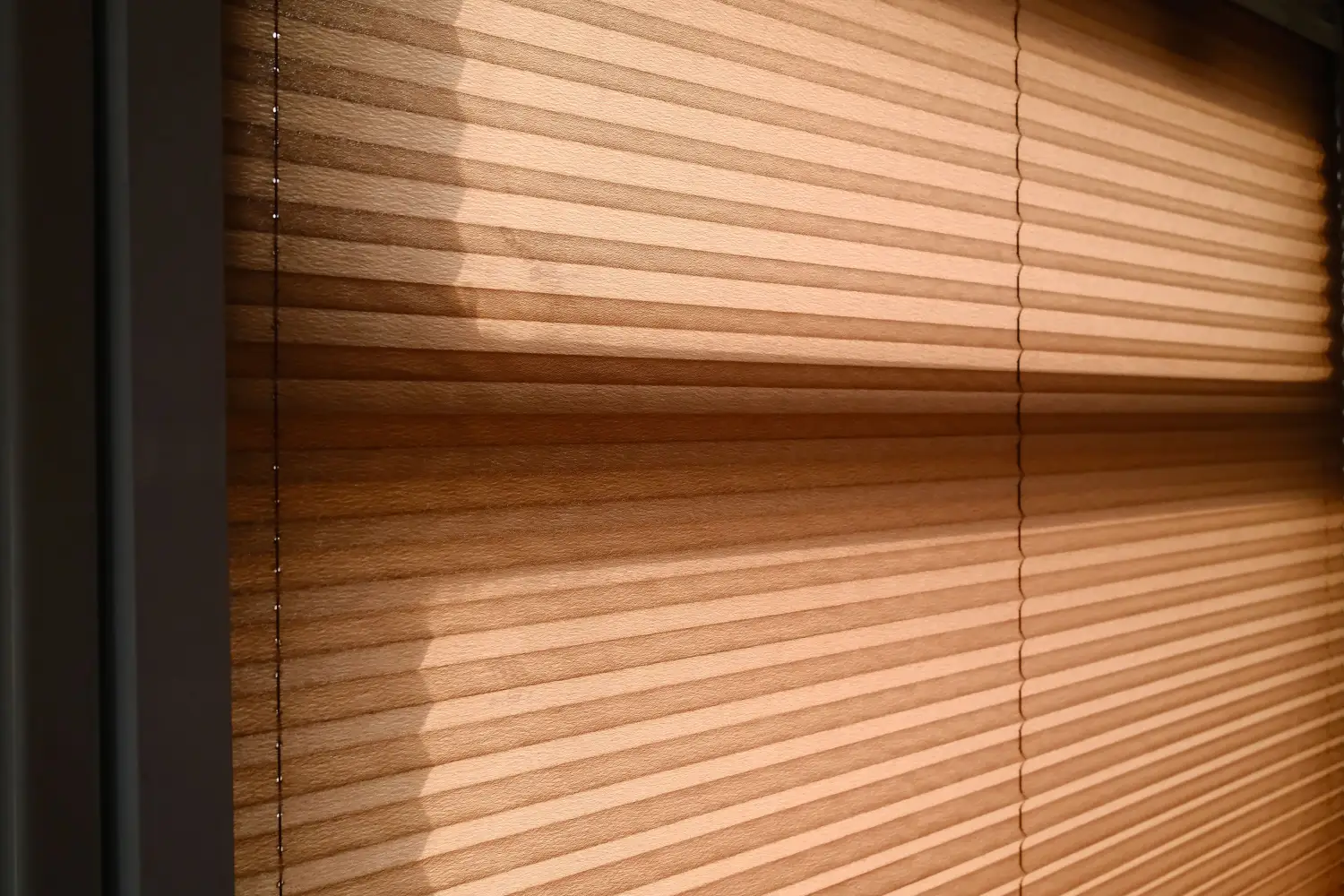
Forget any image of a wavy, semi-transparent honeycomb that yellowed in the sun. The cellular blind that’s winning over designers has a flat, architectural face that looks more like a finely pleated panel than an accordion. The top mechanism is hidden inside a slim, fabric-wrapped cassette or a barely-there headrail, and the pleats—tight and uniform—stack into a compressed band no thicker than a paperback book.
What makes it truly stand out, though, is the top-down/bottom-up lift. On a street-facing window, you lower the top a few inches to flood the room with daylight while keeping the bottom closed for privacy. A Roman shade can only go up or down; this one splits the difference—and that’s a game-changer in a bathroom or a living room that opens to a sidewalk. The fabric options now include soft woven textures that echo linen, and the popular colors are warm off-whites and warm greys that blend into painted trim so well the blind almost vanishes. It’s the kind of window treatment that makes you forget there’s a window treatment.
Everyday Advantages Over Roman Shades: Light, Insulation, and Cleaning
Insulation That Actually Performs
A double-cell honeycomb isn’t just a style upgrade—it’s a genuine insulator. The air trapped between two layers cuts heat transfer noticeably, especially on single-pane or older windows. A Roman shade, even with a thermal lining, still lets air slip through the sides and between the gather points. During a cold snap, a double-cell blind keeps the drafts out in a way that a Roman shade simply doesn’t.
Light Control Without Sacrificing Privacy
Light-filtering cellular fabrics turn harsh midday sun into a soft, even glow without hot streaks. With top-down operation, you get full privacy at eye level while daylight streams in from above—a setup that’s perfect for a first-floor home office or a bedroom where the bed faces the street. Roman shades, by contrast, force a single trade-off: either light and exposure, or privacy and a darkened room.
Far Easier to Keep Dust-Free
The flat vertical face of a cellular shade is a dust-dodger compared with the horizontal ledges of a Roman fold. When it does need a refresh, a gentle pass with the vacuum’s upholstery brush lifts everything off in seconds. Roman shades, on the other hand, typically demand professional cleaning—spot treatments can leave water marks, and the fabric can shrink or warp if you’re not careful. For a busy kitchen or a kid’s room, that ease of cleaning is pure relief.
What to Look for When Choosing a Modern Cellular Shade
The market still has plenty of old-school cellular blinds with shiny plastic rails and skimpy fabric. To land the sleek version that holds its own against a Roman shade, keep these priorities front and center:
- Cell construction: Double-cell gives you better insulation and a more solid, premium look than single-cell. Triple-cell adds bulk that often reads industrial—skip it for living spaces.
- Opacity: Light-filtering fabrics throw a soft, luminous glow and highlight the woven texture. Room-darkening options block enough for bedrooms but keep a modern, non-blackout feel that doesn’t scream “dorm room.”
- Mounting style: An inside mount set flush within the frame is the cleanest route—no side gaps, no protruding hardware. Outside mounts work when the frame is too shallow, but they add projection.
- Valance choice: A fabric-wrapped cassette hides everything and reads as an intentional header. A flat valance or no valance pushes the “barely there” look further but reveals the top rail, so pick based on how much you want to see.
- Lift system: Cordless is standard, safe, and effortless. For windows over a bathtub or a tall sliding door, motorized lifts (smartphone or remote) earn their keep quickly.
Quick Comparison: Roman Shades vs Modern Cellular Blinds
| Feature | Roman Shades | Modern Cellular Blinds |
|---|---|---|
| Aesthetic | Soft, layered, traditional | Flat, crisp, architectural |
| Light control | Up or down only | Top-down/bottom-up option; diffused light |
| Insulation | Minimal, even with lining | High, especially double-cell |
| Cord safety | Often corded; cordless available but less common | Cordless standard |
| Cleaning | Professional cleaning usually needed | Vacuum with brush attachment |
| Best rooms | Living rooms, formal dining | Bedrooms, kitchens, bathrooms, offices |
Key Takeaways
- Roman shades haven’t vanished—they still work in rooms with architectural depth and layered drapery.
- For modern, airy spaces, a cordless cellular blind with a fabric-wrapped cassette offers a sleeker silhouette that blends into trim.
- Top-down/bottom-up function lets you enjoy daylight and privacy simultaneously—something Roman shades cannot do.
- A double-cell blind delivers real insulating power, cutting drafts and heat gain in a way that even lined Roman shades can’t match.
- Cleaning takes seconds with a vacuum brush, while Roman shades often require professional care.
Frequently Asked Questions
Are modern cellular blinds really that different from old accordion styles?
Yes. Today’s versions use tighter pleats, richer fabrics, and slim hidden headrails. The result is a flat, tailored look, not the bubbly, plastic-feeling blinds of decades past.
Can you see through light-filtering cellular blinds at night?
Interior lights will create faint silhouettes, but light-filtering fabric still blurs details more than a sheer curtain. For full nighttime privacy, step up to a room-darkening fabric or layer with a simple roller shade.
Do cellular blinds work in bathrooms or humid rooms?
Standard cellular blinds handle occasional humidity, but constant steam can cause sagging over time. Choose a moisture-resistant option or switch to faux-wood blinds if your bathroom stays wet.
How do I measure for an inside-mount cellular shade?
Measure the width at the top, middle, and bottom of the window opening, and use the narrowest number. For height, take three measurements (left, center, right) and use the longest. A metal tape and eighth-inch accuracy make all the difference.
Are cordless cellular blinds truly child-safe?
Absolutely. Removing the looped pull cord eliminates a known strangulation risk, making cordless blinds the safest choice for homes with children or curious pets.
Conclusion
Roman shades haven’t disappeared, but modern windows demand a different kind of grace. The cellular blind that looks nothing like the one you remember earns its place on sheer practicality—insulation, top-down privacy, and a clean face that lets the room breathe. The single best move: order a handful of free swatches in a double-cell, light-filtering fabric with a low-profile cassette, and hold them right up to your own windows. The moment you see how much brighter and calmer the room feels, a heavy Roman fold starts to look like the past.

Clara Bennett
After five years of transforming my 1920s bungalow room by room, I’ve refinished floors, hung blinds in bay windows, and spent more time choosing light bulbs than I’d like to admit. I learned paint sheens by painting my kitchen ceiling three times, and I found out the hard way that a rug too small makes a room feel unfinished. I believe every home can be both functional and beautiful, no matter the budget.
Related posts
Roman Shades vs Cellular Blinds: The One Number That Settles It
Multiply sunlight hours by insulation need to find the clear winner. Our no‑nonsense guide calculates the four numbers every homeowner needs before buying blinds.
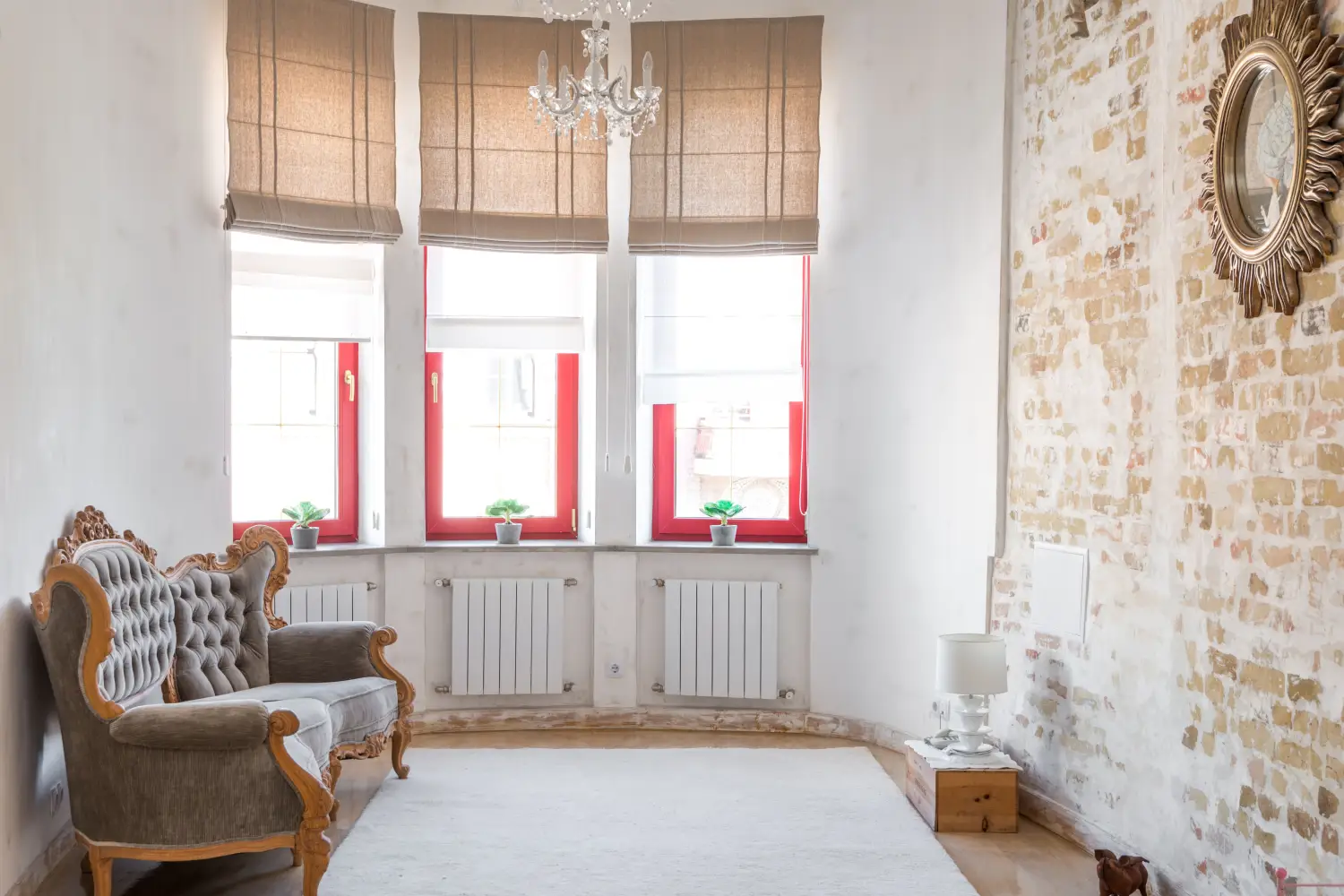
The Cleaning Mistake That Ruins Roman Shades (And How to Avoid It)
Stop using water on Roman shades—that's the cleaning mistake that ruins the folds and backing. Learn how often to vacuum, how to spot-clean safely, and what to avoid.
R-Values: Roman Shades vs Cellular Blinds — 3 Crucial Numbers
Stop guessing. See exactly how much insulation a cellular blind adds vs a Roman shade on a 3x5 window. R-values from R-1 to R-4.5 compared.
Overpaying? How to Get Cellular Blinds’ Savings Without the Price
Roman shades that ignore energy costs can run $400 more than cellular blinds. See which wins for drafty windows, blackout needs, and short timelines.

The Blackout Problem: Why Roman Shades Fail at 5 AM Every Morning
Roman shades marketed as blackout leak light at dawn because they lack side channels. See exactly why and how cellular blinds with tracks deliver the darkness you expect.