R-Values: Roman Shades vs Cellular Blinds — 3 Crucial Numbers
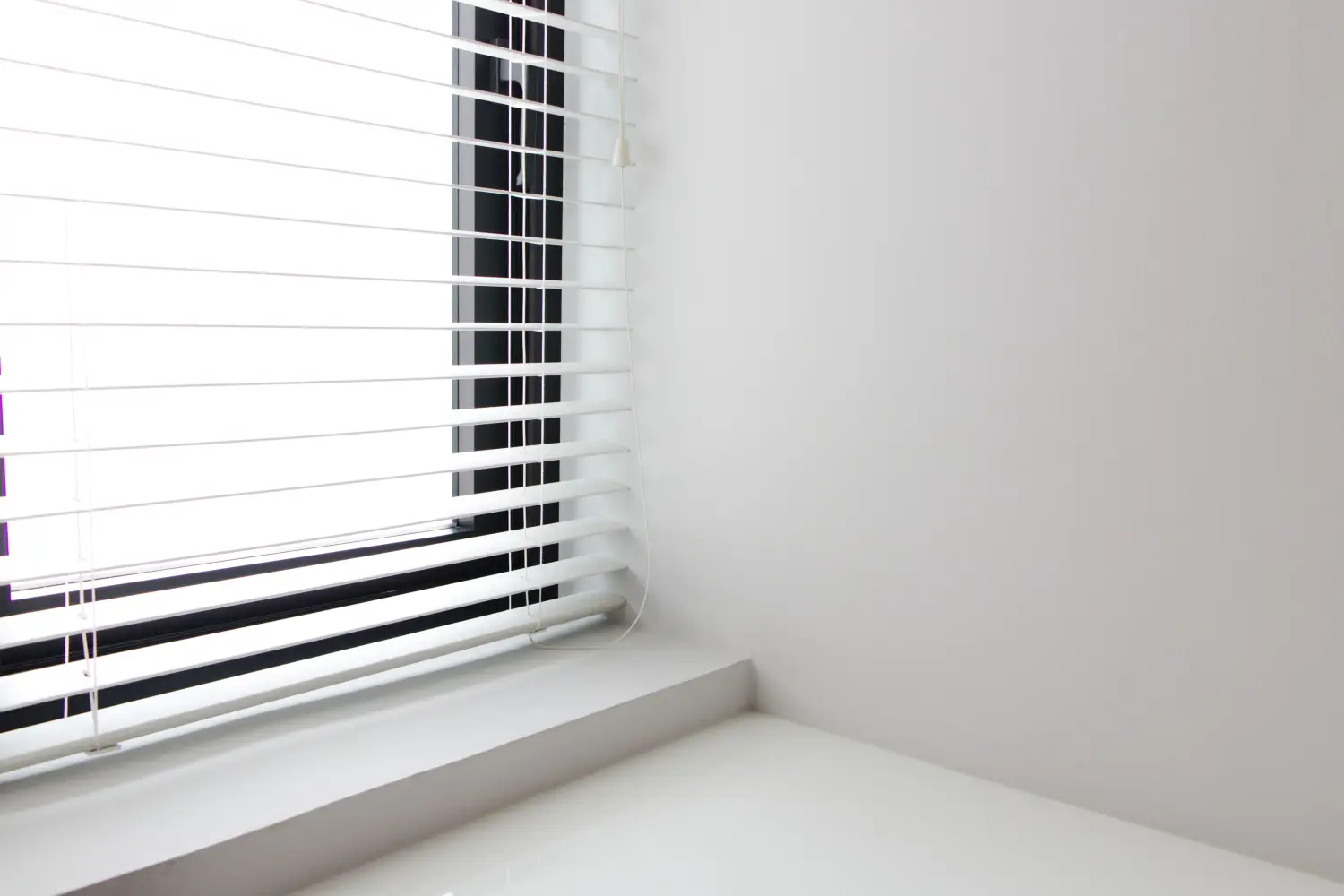
For a 3x5 window, the R-value numbers leave no room for debate. A standard Roman shade adds roughly R-1.0–1.5. A double-cell cellular blind adds R-3.5–4.5. That is the difference between a drafty window and one you can sit next to comfortably. This article sorts through manufacturer test data and third-party reports so you don’t have to guess.
What You Need vs. Which Shade Delivers
| Situation | Best Pick | Reason |
|---|---|---|
| You want maximum insulation and lower heating bills | Cellular shade (double-cell) | R-3.5–4.5, three times the resistance of a standard Roman shade |
| You care about style but still want some warmth | Roman shade with thermal liner | Reaches R-2.0–2.5; you lose about R-2 of insulation but keep fabric choices |
| You need total darkness and high R-value | Cellular blackout shade | Up to R-4.5 with near-complete light blocking |
| Budget is the first constraint | Unlined Roman shade | Lowest upfront cost; R-1.0–1.5 means you’ll notice cold seeping through |
When You Need Every Bit of Insulation
Rooms with single-pane glass or northern exposures make a window treatment the main barrier to heat loss. Cellular shades were built for this. A double-cell honeycomb traps two air layers, acting like a storm window. For a 3x5 window, the total resistance jumps from R-1 (single-pane) to R-4.5–5.5, cutting heat loss by roughly 40% based on performance labels from window-covering manufacturers.
Even with a thermal liner, a Roman shade tops out at about R-2.5. That’s half the insulating power of a double-cell shade. On a freezing night, the difference is immediate — you feel cold radiating through the Roman shade, while the cellular shade keeps the surface near room temperature. The trade-off: cellular shades look functional and modern. They will not give you the soft, tailored appearance of fabric Roman shades.
When the Window Must Match the Room’s Decor
Rooms where the window treatment ties into furniture and wall color leave Roman shades as the obvious choice. The fabric selection is wide, and patterns can match nearly any style. Insulation does not disappear entirely — a thick interlined fabric with a thermal backing can reach R-2.5, enough to cut a noticeable draft, especially on double-pane windows.
The sacrifice here is about R-2.0 compared to a double-cell cellular shade. In a south-facing window that gets sun, you may never notice. In a north-facing bedroom, you will feel it on the first cold morning. The numbers don’t care about your fabric choice.
When Blackout and Insulation Can’t Be Separated
Media rooms, nurseries, and bedrooms for shift workers need light control as much as temperature control. Cellular blackout shades cover both bases. The cell structure provides insulation; the opaque fabric and tight side channels block light. Roman shades can accept blackout liners, but they rarely seal tightly at the edges, letting light leak in. And the best-lined Roman shade still falls short at R-2.5 compared to the cellular’s R-4.5.
If you choose a Roman shade with a blackout liner for appearance, you pay more and get less insulating value. The cellular blackout shade offers fewer fabric choices but delivers on the two performance metrics that actually matter in these rooms.
Where the Differences Disappear
R-values don’t dictate every outcome. In summer, when solar heat gain drives your cooling bill, both products behave similarly. With a reflective backing or light color, either can cut direct sunlight by 50% to 70%. The insulating R-value matters little when the indoor-outdoor temperature difference is small, so a Roman shade and a cellular shade will produce essentially the same cooling cost.
Maintenance and lifespan also converge. Surface dust is the only real upkeep for both. A vacuum with a brush attachment takes care of it. No special cleaners. Well-made versions of either type last 5 to 10 years before sagging becomes an issue.
Non-Negotiable Limitations
Some window conditions make the decision for you:
- Shallow mounting depth. Cellular shades need 1½–2 inches of depth for an inside mount. Roman shades can often fit into ¾ inch. If the window frame is old and narrow, cellular may not mount at all.
- Frequent operation. Roman shades stack high, leaving the glass completely exposed. Cellular shades collapse to a thicker stack that still covers 3–5 inches of glass. If you want a full view when the shade is up, Roman shades win.
- Moisture. In bathrooms or above kitchen sinks, fabric Roman shades can warp or mildew. Polyester cellular shades resist humidity better, though neither tolerates direct water. Cellular shades handle the wet environment with less damage.
Price vs. Payback: Does the Upfront Cost Add Up?
A custom 3x5 single-cell cellular shade costs $80–$180; a double-cell blackout version runs $130–$250. A comparable custom Roman shade costs $70–$150 unlined and $120–$200 with thermal lining and blackout. The price ranges overlap, but the top-end cellular shades carry a premium of $50 or more.
Energy savings tip the balance if you live in a climate with real winters. A double-cell shade cutting heat loss by 40% on a window that accounts for 10% of a heating bill can save $30–$60 per year. That pays back the upcharge inside five years. In a mild climate, that payback stretches out, and the Roman shade’s lower initial cost becomes the smarter financial choice.
R-Value Questions You’re Probably Asking
What is the actual R-value of a single-cell versus a double-cell cellular shade?
A single-cell cellular shade gives R-2.0–2.5 for a standard 3x5 window. A double-cell version gives R-3.5–4.5. Air pocket size, fabric opacity, and edge sealing change the final number.
Can I add insulation to an existing Roman shade?
Yes. Sew-in thermal liners or stick-on insulating backing raise the R-value from roughly R-1 to R-2.5. It isn’t as effective as a cellular shade because the fabric won’t trap air, but it’s a clear improvement over bare fabric.
Do cellular blinds really lower energy bills?
Yes, especially in heating-dominated climates. Independent lab tests and manufacturer performance labels show cellular shades reducing window heat loss by 30–50%. The dollar savings depend on your climate and number of windows.
Which shade is better for old single-pane 3x5 windows?
A double-cell cellular shade is the strongest option. It raises the window’s overall R-value close to that of a basic double-pane unit — something a Roman shade cannot do.
Will a cellular shade yellow or sag over time?
Quality cellular shades use UV-stabilized polyester that resists yellowing. Sagging is rare when cords or retainer clips are installed correctly. Roman shades can sag if the fabric stretches, typically after 5–10 years in high humidity.
To stop heat loss through a cold window, a double-cell cellular shade is the straightforward answer. The only question worth asking is whether you’re willing to give up fabric style for an extra R-3 of insulation.

Clara Bennett
After five years of transforming my 1920s bungalow room by room, I’ve refinished floors, hung blinds in bay windows, and spent more time choosing light bulbs than I’d like to admit. I learned paint sheens by painting my kitchen ceiling three times, and I found out the hard way that a rug too small makes a room feel unfinished. I believe every home can be both functional and beautiful, no matter the budget.
Related posts
Roman Shades vs Cellular Blinds: The One Number That Settles It
Multiply sunlight hours by insulation need to find the clear winner. Our no‑nonsense guide calculates the four numbers every homeowner needs before buying blinds.
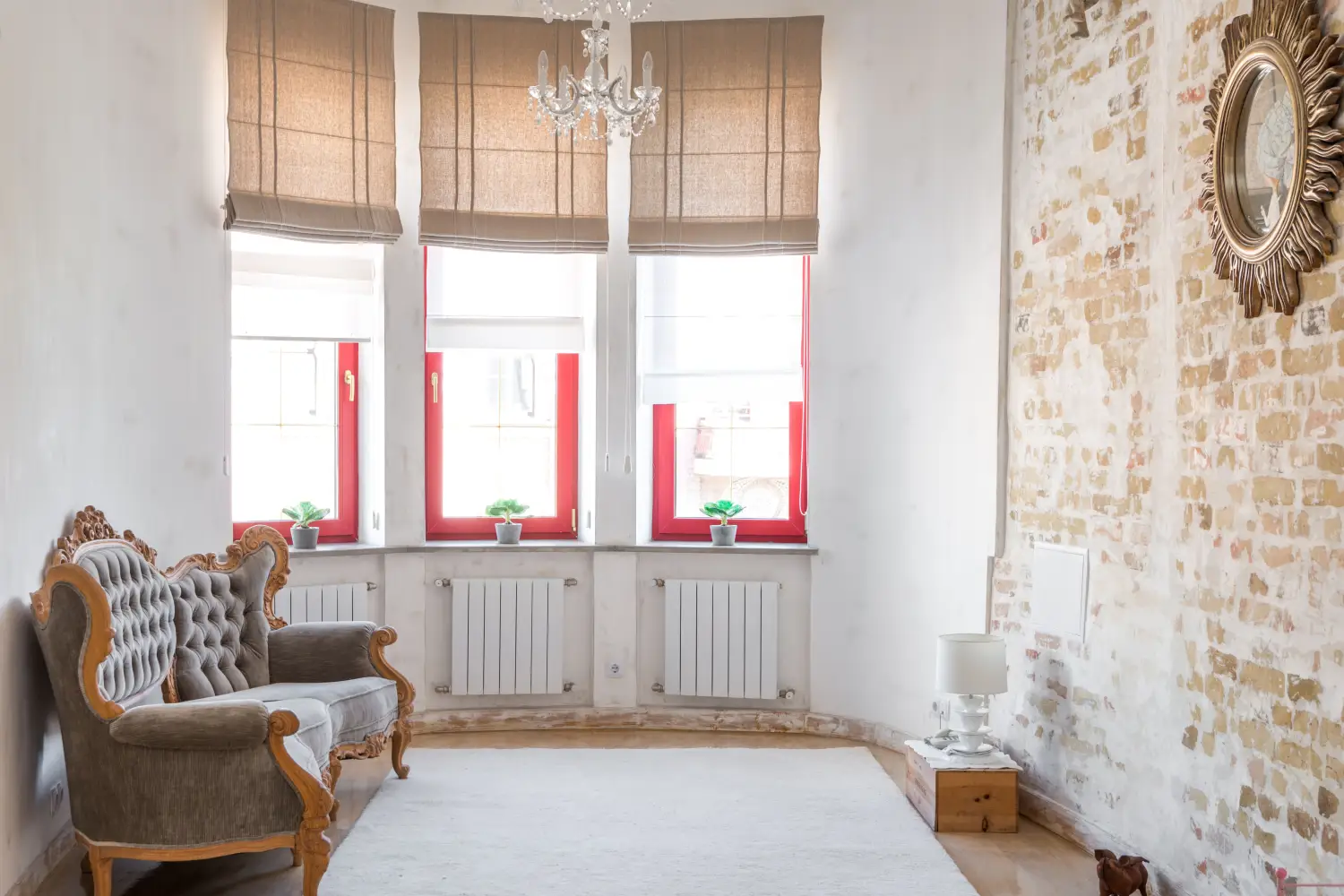
The Cleaning Mistake That Ruins Roman Shades (And How to Avoid It)
Stop using water on Roman shades—that's the cleaning mistake that ruins the folds and backing. Learn how often to vacuum, how to spot-clean safely, and what to avoid.
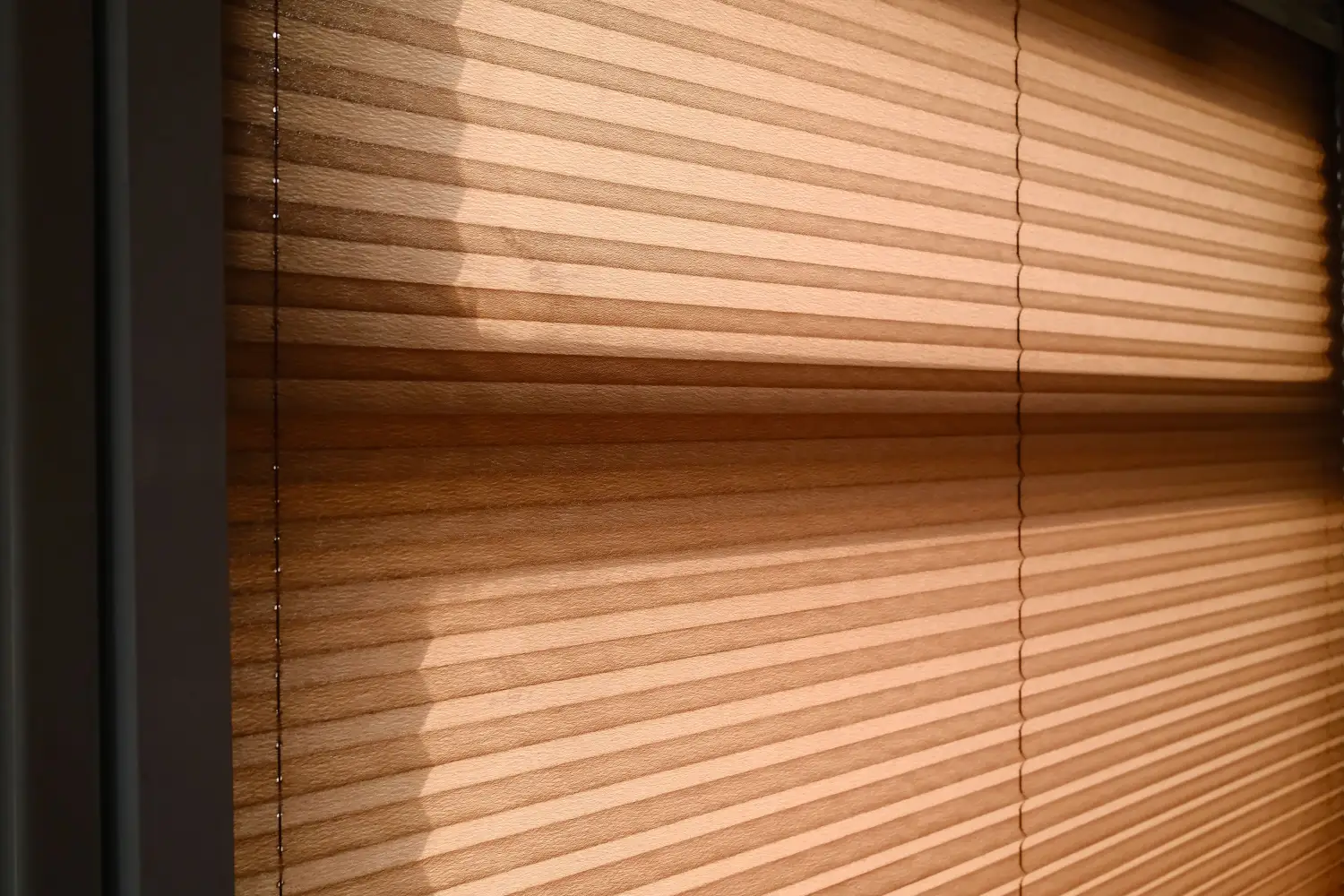
Overpaying? How to Get Cellular Blinds’ Savings Without the Price
Roman shades that ignore energy costs can run $400 more than cellular blinds. See which wins for drafty windows, blackout needs, and short timelines.
Roman Shades Are Outdated? The Cellular Blind Design That’s Sleeker
Roman shades aren't always outdated, but a modern cordless cellular blind hides hardware and looks cleaner. See when to use each and the one style that feels fresh.
The Blackout Problem: Why Roman Shades Fail at 5 AM Every Morning
Roman shades marketed as blackout leak light at dawn because they lack side channels. See exactly why and how cellular blinds with tracks deliver the darkness you expect.