The Cleaning Mistake That Ruins Roman Shades (And How to Avoid It)
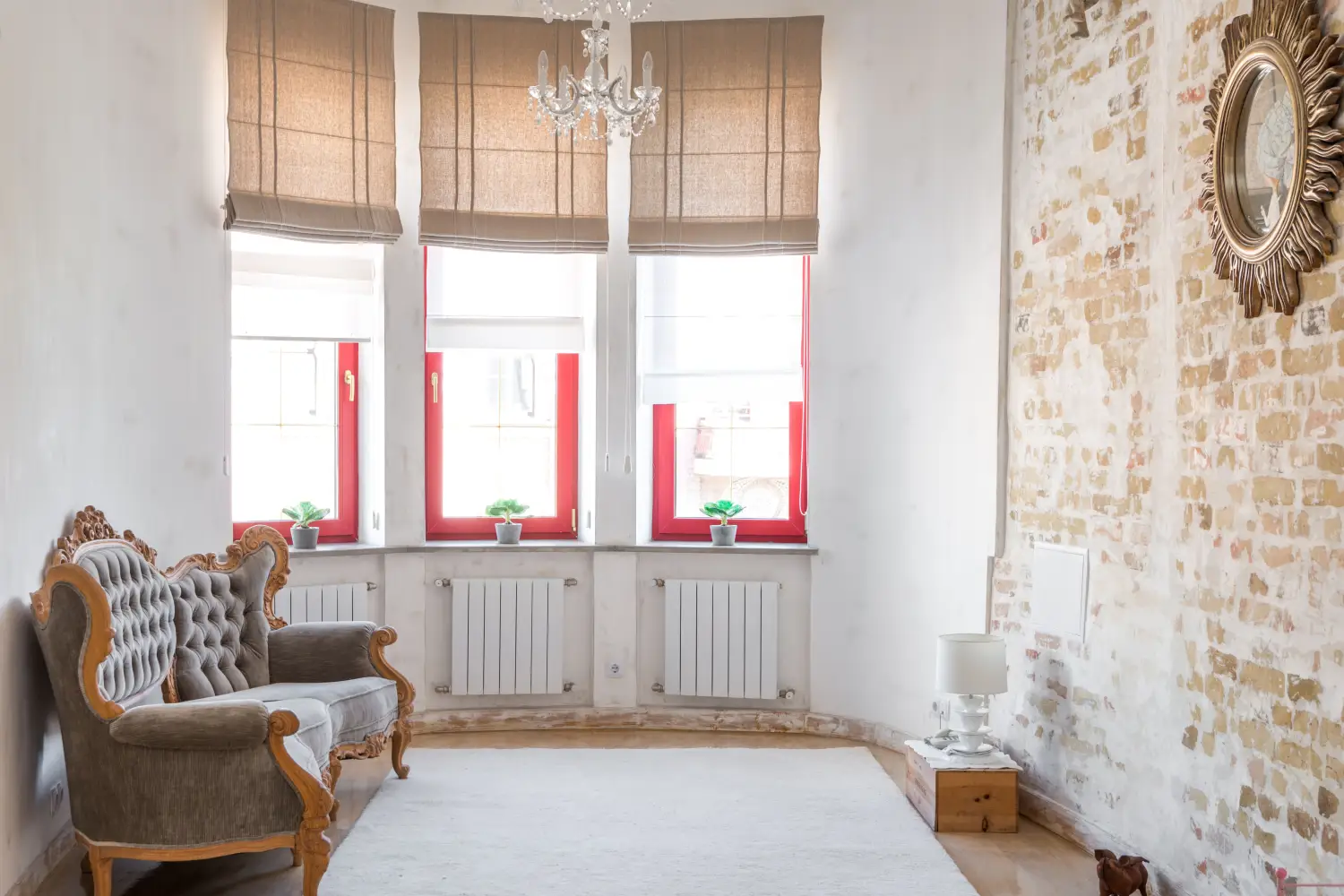
Vacuuming Roman shades twice a month stops dust from burying itself into the folds—that invisible buildup that fades the color and eats through the fibers. The one cleaning method that destroys them is wet washing: water, steam, or machine cycles warp the shade and weaken the stiffened lining for good.
Supplies to Have Ready Before Cleaning Roman Shades
- Upright vacuum with a soft brush attachment
- White microfiber cloths (colored cloths can bleed dye)
- Dry cleaning solvent or foam upholstery cleaner rated safe for delicate fabrics
- Small sponge
- Step ladder
- Handheld steamer (use cautiously—many fabrics can’t handle steam; test in a hidden spot or skip it)
The Safe Process for Cleaning Roman Shades
1. Vacuum the Folds Every Two Weeks
Dust is the root of all other cleaning trouble. Once it settles inside the horizontal pleats and mixes with moisture, it turns into a paste that no amount of surface wiping removes. Lower the shade completely, hold the fabric steady with one hand, and run the brush attachment from the top down. Do this every two weeks in kitchens and living rooms, once a month in low-use rooms. Do not use a crevice tool—it chokes the suction and snags the weave.
2. Blot Stains with a Dry Solvent, Never Water
A coffee drip or a smudge does not call for laundry. Water pushes the stain outward and soaks into the backing, where it dissolves adhesives and leaves a permanent ripple. Dampen a white microfiber cloth corner with a small amount of dry cleaning solvent. Press the cloth against the stain—do not rub. Work from the outer edge inward to stop a ring from forming. If the solvent’s label lists any fiber restrictions, test it on an inconspicuous bottom corner first.
3. Deep Clean with Foam Only When No Other Option Works
When regular vacuuming isn’t enough and the shade looks dingy, go straight to a foam upholstery cleaner that dries to a powder. Apply it with a sponge, work it in gently, let it dry fully as the product directs, then vacuum up the residue. Foam lifts grime without saturating the lining. Skip this step on blackout-coated shades—even foam moisture can peel the coating from the fabric over time.
4. Leave the Shade Lowered to Air-Dry
After any spot or foam session, keep the shade down until it’s entirely dry. Raising it while damp locks in wrinkles that won’t come out later. If the pleats look flattened, a very brief burst of steam from a handheld unit held at least six inches away might reset them—but only if the manufacturer’s care tag says steam is safe. When the tag doesn’t mention steam, assume it isn’t. Hand-shaping while the fabric is slightly damp is often enough.
Mistakes That Send Roman Shades to the Trash
Treating a Non-Washable Shade with Water
Roman shades are built in layers: face fabric, a stiffener or liner, and sometimes a blackout film. Water breaks down the glues that keep those layers flat. The result is a warped panel with puckered corners and folds that refuse to hang straight. Once the backing separates, the shade cannot be repaired—only replaced.
Scrubbing the Fabric
Rubbing a stain feels effective, but it drives the stain deeper and roughens the surface. On a Roman shade, aggressive scrubbing also pulls the fabric out of its precise fold lines. Blotting—possibly for several minutes—is the only motion that won’t damage the shade.
Waiting Until Dust Is Obvious
When a layer of dust is thick enough to see on the top fold, the inside pleats already have a hard crust that only a professional can handle. Regular vacuuming isn’t about appearance today—it prevents that crust from forming at all.
Blasting Steam Without Reading the Care Label
Some synthetic fabrics melt under steam; others shrink. A steamed shade can lose its fold memory and end up looking like a limp curtain. The safe default is no steam. Use it only if the care tag explicitly permits it.
Alternative: Handling Machine-Washable Roman Shades
A small segment of Roman shades—lightweight cotton or polyester blends with no stiffener—can be machine-washed. If the sewn-in tag says “machine wash,” remove any wooden or metal hardware, put the shade in a mesh laundry bag, and run a gentle cycle with cold water and mild detergent. Never add bleach or fabric softener. Lay the shade flat to air-dry; a dryer shrinks it and destroys the folds. Even then, the rod pockets may need restitching after washing.
Frequently Asked Questions
How often should I vacuum Roman shades?
Every two weeks for shades in kitchens, living rooms, and entryways. Once a month for bedrooms and guest rooms. If someone in the house has allergies, vacuum all fabric shades once a week to cut down on airborne dust.
Can I iron wrinkles out of Roman shades?
Only with a pressing cloth and the lowest heat, and only if the care tag allows ironing. The face fabric scorches easily, and the lining adhesive can melt. A steamer used from a distance is a lower-risk alternative, but many fabrics still can’t tolerate it.
How do I remove dust that vacuuming won’t get?
A full-panel application of foam upholstery cleaner, allowed to dry and then vacuumed off, pulls out embedded dust in most cases. For severe grime on a valuable shade, contact a soft-furnishings cleaner experienced with delicate window treatments.
What if my Roman shade accidentally gets wet?
Lower it fully and let it dry away from direct heat and sunlight. Do not raise, fold, or aim a fan at it. Once dry, inspect the backing for bubbling and the folds for warping. If damage is present, the shade probably needs professional blocking or replacement.
Long-Term Roman Shade Care
The hidden dust trap has a straightforward fix: set a recurring reminder to vacuum the folds, treat stains with a dry solvent, and never bring water near the shade. That habit keeps the fabric crisp, the folds sharp, and the shade working right. Right now, check every Roman shade’s care label, compare it against the cleaning supplies you already have, and throw out any spray cleaner that lists water as its first ingredient.

Clara Bennett
After five years of transforming my 1920s bungalow room by room, I’ve refinished floors, hung blinds in bay windows, and spent more time choosing light bulbs than I’d like to admit. I learned paint sheens by painting my kitchen ceiling three times, and I found out the hard way that a rug too small makes a room feel unfinished. I believe every home can be both functional and beautiful, no matter the budget.
Related posts
Roman Shades vs Cellular Blinds: The One Number That Settles It
Multiply sunlight hours by insulation need to find the clear winner. Our no‑nonsense guide calculates the four numbers every homeowner needs before buying blinds.
R-Values: Roman Shades vs Cellular Blinds — 3 Crucial Numbers
Stop guessing. See exactly how much insulation a cellular blind adds vs a Roman shade on a 3x5 window. R-values from R-1 to R-4.5 compared.
Overpaying? How to Get Cellular Blinds’ Savings Without the Price
Roman shades that ignore energy costs can run $400 more than cellular blinds. See which wins for drafty windows, blackout needs, and short timelines.
Roman Shades Are Outdated? The Cellular Blind Design That’s Sleeker
Roman shades aren't always outdated, but a modern cordless cellular blind hides hardware and looks cleaner. See when to use each and the one style that feels fresh.

The Blackout Problem: Why Roman Shades Fail at 5 AM Every Morning
Roman shades marketed as blackout leak light at dawn because they lack side channels. See exactly why and how cellular blinds with tracks deliver the darkness you expect.