The Overlooked Element Behind Bedroom Color Choices
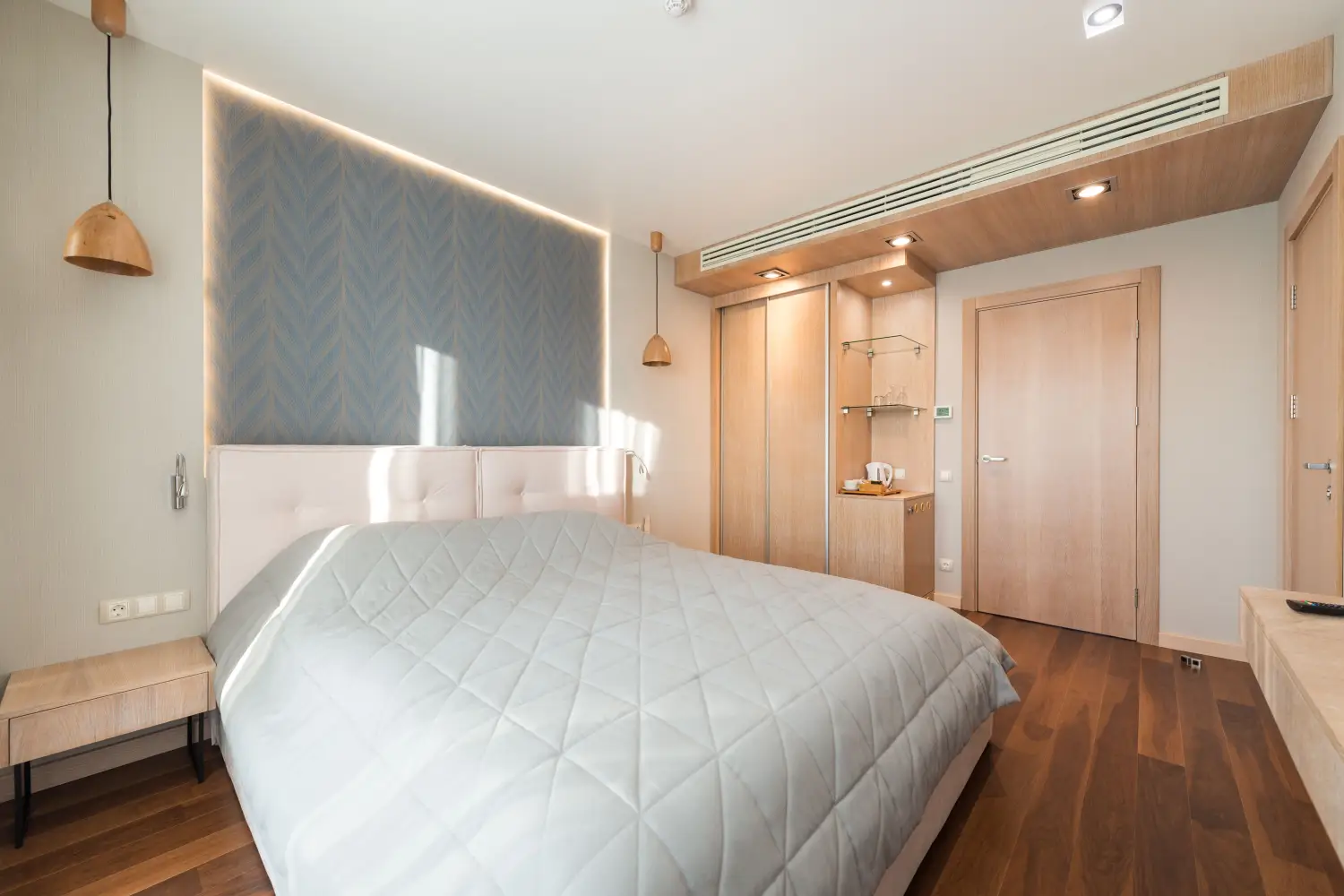
Most people paint a bedroom to create a certain look, but the colors also shape how the body wakes and falls asleep—often in ways no one notices until a restless night. A circadian-friendly palette treats wall paint, textiles, and artificial light as three partners that cooperate to bring clarity in the morning and quiet at night. This guide walks through that partnership, showing how small, intentional shifts can bring a room into alignment with a natural daily rhythm.
Why Your Brain Responds to Bedroom Color and Light
The body’s internal clock doesn’t just read a watch—it reads light. Specialized cells in the eye pick up blue-rich wavelengths and signal the brain to hold back melatonin while nudging cortisol upward, creating alertness. In the opposite direction, dim, warm light lets melatonin rise and eases the brain toward sleep. What sits on the walls and windows interacts with those signals from sunrise to bedtime. A pale blue wall reflects morning daylight one way; under a 2700 K lamp, the same wall softens into a muted gray-blue that feels entirely different. Recognizing that your room is never one fixed color is the first step toward a palette that supports both ends of the day.
The Three Layers of a Circadian-Friendly Palette
A bedroom palette that works with your biology isn’t a single color scheme locked in place. It’s a living sequence made up of three interacting layers that drift the room’s perceived color from morning to night.
Layer 1: Wall Color as Your Circadian Canvas
Wall color sets the baseline, but its true job is to reflect light. A shade with a high light reflectance value (LRV above 60)—think warm white, pale sky blue, or soft sage—bounces morning daylight back into the room, amplifying the alerting signal the brain expects early in the day. Under warm, dimmed evening lamps that same wall reads as a gentle, enveloping tone, never harsh. The safest choices are colors that don’t fight the lighting layer; a deeply saturated or very dark wall tends to absorb too much light and resists the transformation that evening calls for, leaving the room feeling heavy when it should feel calm.
Layer 2: Textiles That Shift With the Day
Textiles bring the most emotionally felt change—the cool slide of cotton sheets in the morning versus the weight of a knit throw in the evening. In the morning, light, breathable fabrics in whites or barely-there pastels (sheer curtains, crisp cotton bedding) keep the space airy and open. At night, deeper accent pillows in navy, charcoal, or olive and a heavier throw blanket settle the room into something smaller and more cocooning. No one needs to redecorate daily; a small basket of evening pillows and a folded throw stored by the bed take under a minute to swap. Even a reversible duvet cover—one side light, one side darker and warmer—can shift the room’s felt temperature without changing a single bulb.
Layer 3: Lighting Temperature — The Missing Active Layer
Lighting is the most consequential layer because it actively edits how the other two are perceived. Tunable white bulbs allow a transition from around 4000 K–5000 K in the morning to 2200 K–2700 K at night, and a dimmer adds finer control. Morning light placed at the bedside for 30 to 60 minutes after waking helps reinforce the alerting signal; evening light should sit below eye level in floor or task lamps to avoid a direct retinal hit. A pale blue wall under 2700 K light loses its cool edge and becomes a subdued gray-blue, signaling the brain that the day’s active phase is over. This is not decoration—it’s a behavioral cue, and getting it right matters more than any other element in the room.
Quick Reference: The Circadian Layering Formula
| Layer | Morning Role | Evening Role |
|---|---|---|
| Wall Color | Choose a shade with LRV 60+ that reflects cool daylight; pale blue, warm white, soft green. | Same base, but it appears warmer under low-K lighting. Avoid dark or intense hues that feel oppressive without enough morning reflectivity. |
| Textiles | Light, breathable fabrics: white cotton sheets, sheer curtains, minimal pattern. | Add deep-toned accent pillows, a throw blanket in navy, charcoal, or moss; heavier textures like velvet or knit. |
| Lighting | 4000 K–5000 K bedside lamp for 30–60 minutes after waking. | 2200 K–2700 K dimmable light; no overhead fixtures; use targeted task lamps below eye level. |
Designing a Morning-Wake Palette
Begin with the wall. An east-facing room already receives cool morning sun, so a pale blue, cool mint, or soft white wall amplifies that natural signal without feeling stark. In a north-facing room, where the light is cooler and often dimmer, a slightly warmer neutral like a greige with an LRV above 60 can still feel crisp under a 4000 K lamp. Hang sheer white curtains that diffuse daylight without blocking it, and keep the bed dressed in all-white cotton—the kind of surface that feels cooler to the touch and brighter to the eye. Place a lamp with a tunable bulb set to around 4000 K on the nightstand for the first hour of waking. Small reflective accents—a mirror opposite the window, a metallic picture frame—bounce that early light deeper into the space, reinforcing the lift the body needs to start the day.
Building an Evening Calm Sequence
The same room needs a different mood after sunset. Draw blackout curtains to shut out stray light. Switch off overhead fixtures and rely on two or three low-level lamps with warm bulbs (2700 K or lower). Because the wall color is a light neutral, it now glows softly rather than feeling washed out. Add the evening textile layer: a velvet pillow in deep indigo, a mohair throw folded at the foot of the bed, a textured charcoal rug. These darker, heavier pieces absorb light and make the space feel intimate—exactly the sensory shift that tells the brain to let go. Keep blue-rich screens out of reach, or at least turn on a warm night mode; otherwise, the lighting layer’s careful signal is undercut by a single device.
Common Mistakes When Creating a Circadian Palette
Picking a Wall Color Only Under Showroom Lighting
A swatch under fluorescent store lights is not the same color as the same swatch on a bedroom wall at dusk. Test samples on several walls and watch them under both morning daylight and your planned evening lamp color—the shift in tone can be startling and instructive.
Ignoring the Textile Layer Completely
Repainting is a big commitment and often feels like the only path, but textiles do heavy lifting that paint cannot. A few deep-toned pillows and a throw can change the room’s emotional temperature more than a new wall color ever could, and they cost almost nothing in comparison.
Using One Fixed Color Temperature All Day
A 3000 K bulb may feel neutral during the day, but it still carries enough blue spectrum to delay melatonin if it’s the last light you see. Two lamps—one with a cool bulb for morning, one with a warm bulb for evening—can create the shift without any smart technology.
Placing Light Sources at Eye Level at Night
When a reading lamp points directly toward the face, it floods the retina with light that fights melatonin, regardless of color temperature. Evening light should sit below eye level, with shades that direct light downward, so the glow feels present without being a glare.
Forgetting That Device Screens Are Part of the Palette
A thoughtfully layered room loses its effect when the last thing you see is a bright, blue-white phone screen. Treat screens as an extra light source that needs the same warm-dim treatment as the lamps, or keep them out of the bedroom entirely during the wind-down hour.
Key Takeaways
- A circadian-friendly bedroom is not a single color scheme; it’s a sequence of three layers—wall, textiles, lighting—that moves from morning alertness to evening calm.
- Wall color acts as a reflective canvas; choose a lighter shade with an LRV above 60 so it supports brightness in the morning and warmth at night.
- Textiles are the fastest, most emotionally felt way to modulate the room’s perceived color and texture.
- Lighting temperature functions as the active controller; tunable white bulbs allow a smooth transition from 5000 K to 2200 K.
- Small, budget-friendly changes—a dimmable bulb, a set of evening pillows, a mirror—can create a noticeable circadian shift without a full renovation.
Frequently Asked Questions
What is a circadian-friendly bedroom palette?
It’s a design approach that coordinates wall paint, fabrics, and lighting temperature to support the body’s natural sleep-wake cycle. The room uses cooler, brighter elements in the morning and warm, dimmed elements at night.
Can dark wall colors work in a circadian bedroom?
They can, but dark walls absorb light, meaning you’ll need brighter, cooler lighting in the morning to feel alert. In the evening, they can create a cozy, cave-like retreat under warm, dimmed light. Morning reflectivity can be preserved through lighter textiles and strategic mirrors.
Do I need smart bulbs to achieve a circadian palette?
Smart bulbs are convenient but not necessary. A simple lamp with a cool white bulb for morning and a second lamp—or a manual bulb swap—with a warm bulb for evening replicates the shift. Dimmable bulbs add flexibility, but manual switching works just as well.
How often should I change the textile layer?
It does not need to be a daily chore. Keeping a few evening accent pillows and a throw in a basket near the bed takes under a minute to swap. A reversible duvet cover or a lightweight daytime blanket replaced with a heavier one at night also handles the transition cleanly.
Will a circadian palette make my room look mismatched?
Not if you treat morning and evening as two moods of the same space. The wall color stays constant, and the lighting unifies the textiles. The aim is a subtle drift from fresh and open to soft and enveloping—not a clash.
Conclusion
A bedroom’s color story is not a still life—it’s something that moves with the light. By layering wall color, textiles, and lighting temperature, you can guide the body from wakefulness to rest without sacrificing the room’s character. Begin with the easiest shift: replace one bedside bulb with a tunable white model and feel the difference it makes in the morning hours. Add an evening textile or two afterward, and you’ll have built a room that quietly supports the rhythms your body already knows.

Clara Bennett
After five years of transforming my 1920s bungalow room by room, I’ve refinished floors, hung blinds in bay windows, and spent more time choosing light bulbs than I’d like to admit. I learned paint sheens by painting my kitchen ceiling three times, and I found out the hard way that a rug too small makes a room feel unfinished. I believe every home can be both functional and beautiful, no matter the budget.
Related posts

Your First Bedroom Design: A Foolproof Step-by-Step Plan
Design your first bedroom without costly mistakes. Follow a sequential plan: function, layout, lighting, then color. A beginner’s guide that ends decision paralysis.

You Don't Need More Closets: Bedroom Storage That Works
Learn a 4-zone audit that reclaims vertical, under-bed, and multi-use storage without buying new furniture. Start with the one zone you're ignoring the most.
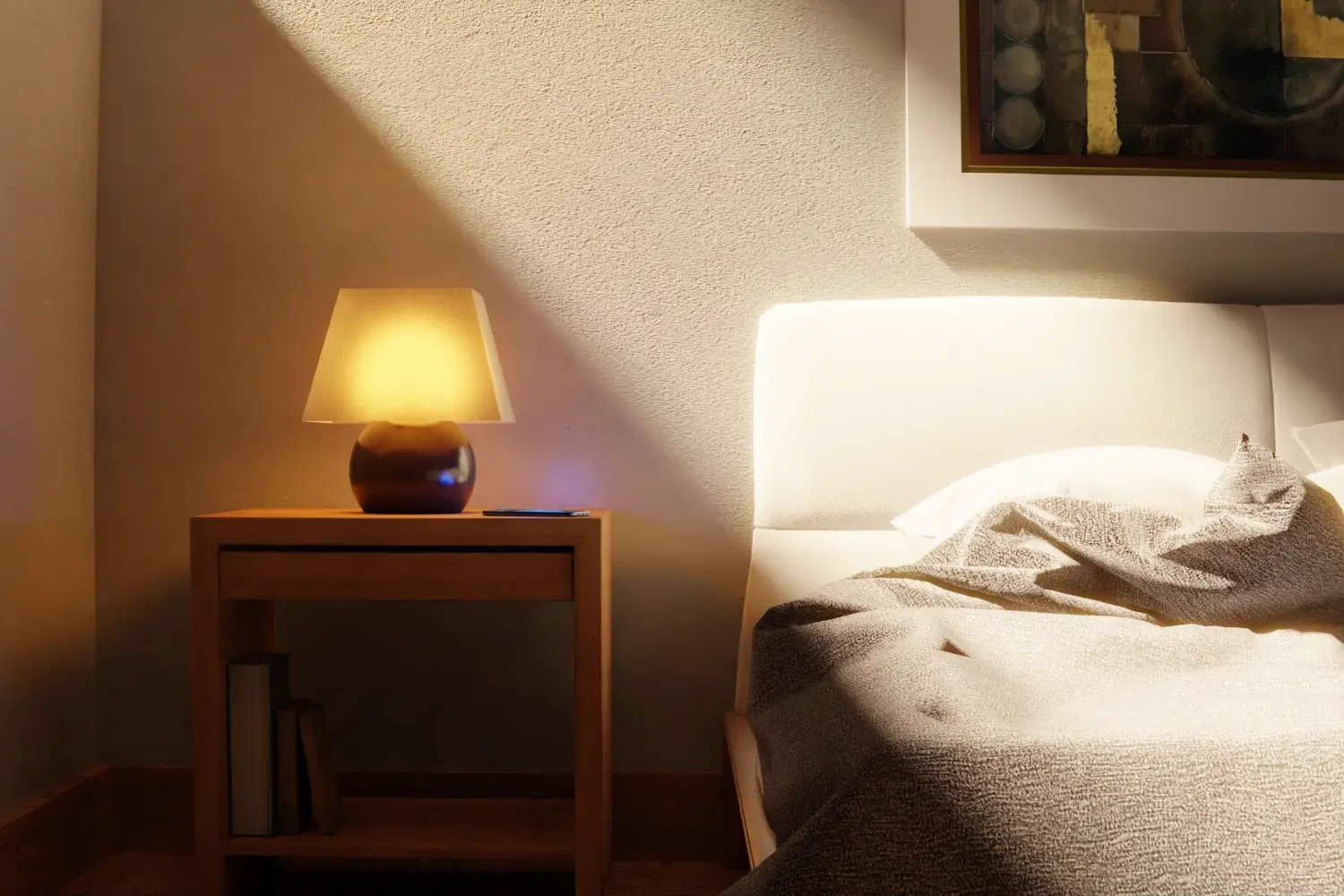
The 3-Layer Bedroom Lighting System Designers Use
Design a bedroom lighting plan with ambient, task, and accent layers for sleep, dressing, and reading. Fixture types, Kelvin ranges, and dimmers — no electrician required.
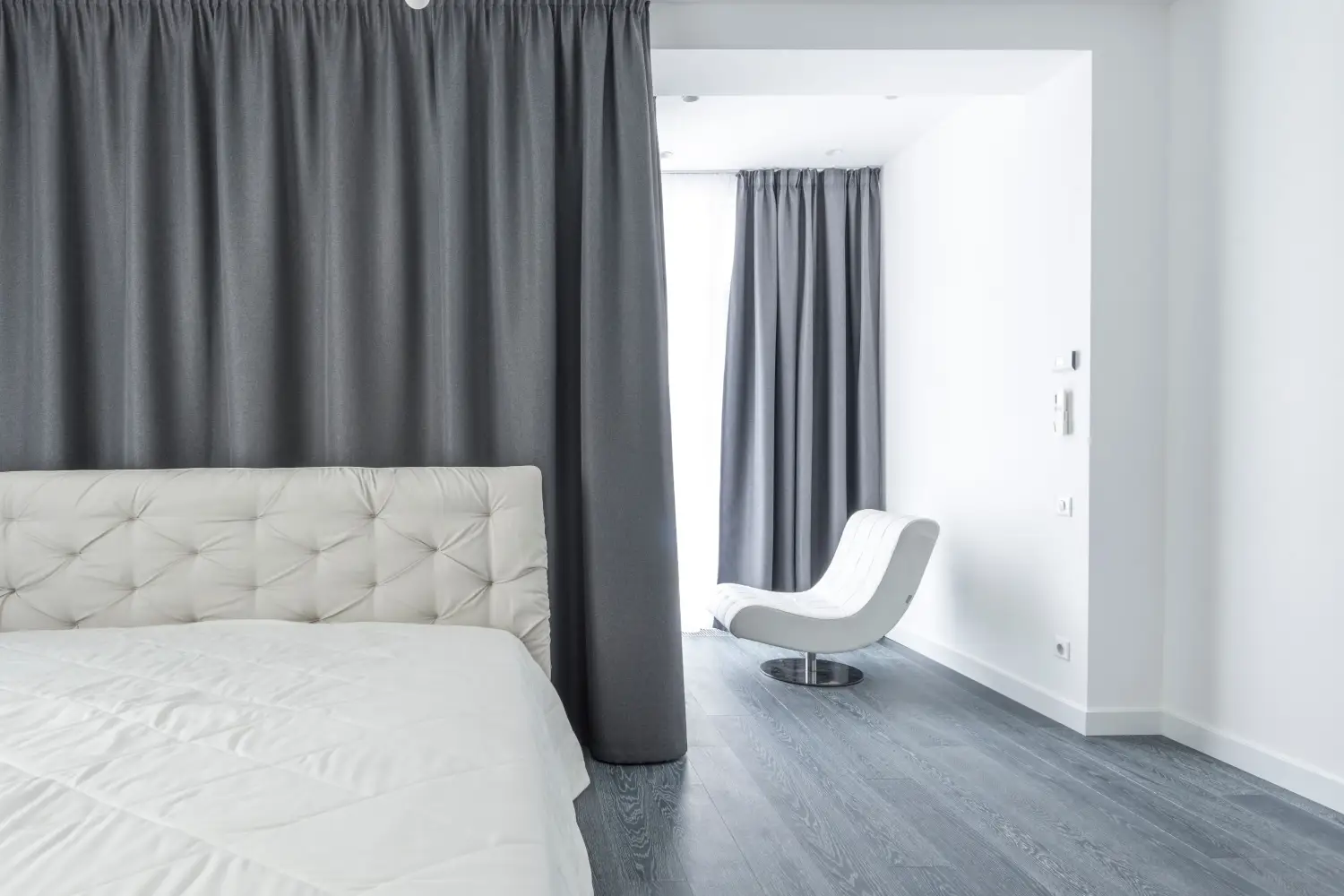
3 Clearance Rules That Fix Awkward Bedroom Layouts
Learn the three critical furniture clearances—bed-to-wall, walkway, and dresser access—with precise minimums to make any bedroom functional from day one.

Are Your Bedroom Windows Quietly Undermining Your Sleep?
If light or temperature swings mess with your sleep, your window coverings likely need a reset. Learn the opacity-mounting-safety decision tree that works.