You Don't Need More Closets: Bedroom Storage That Works
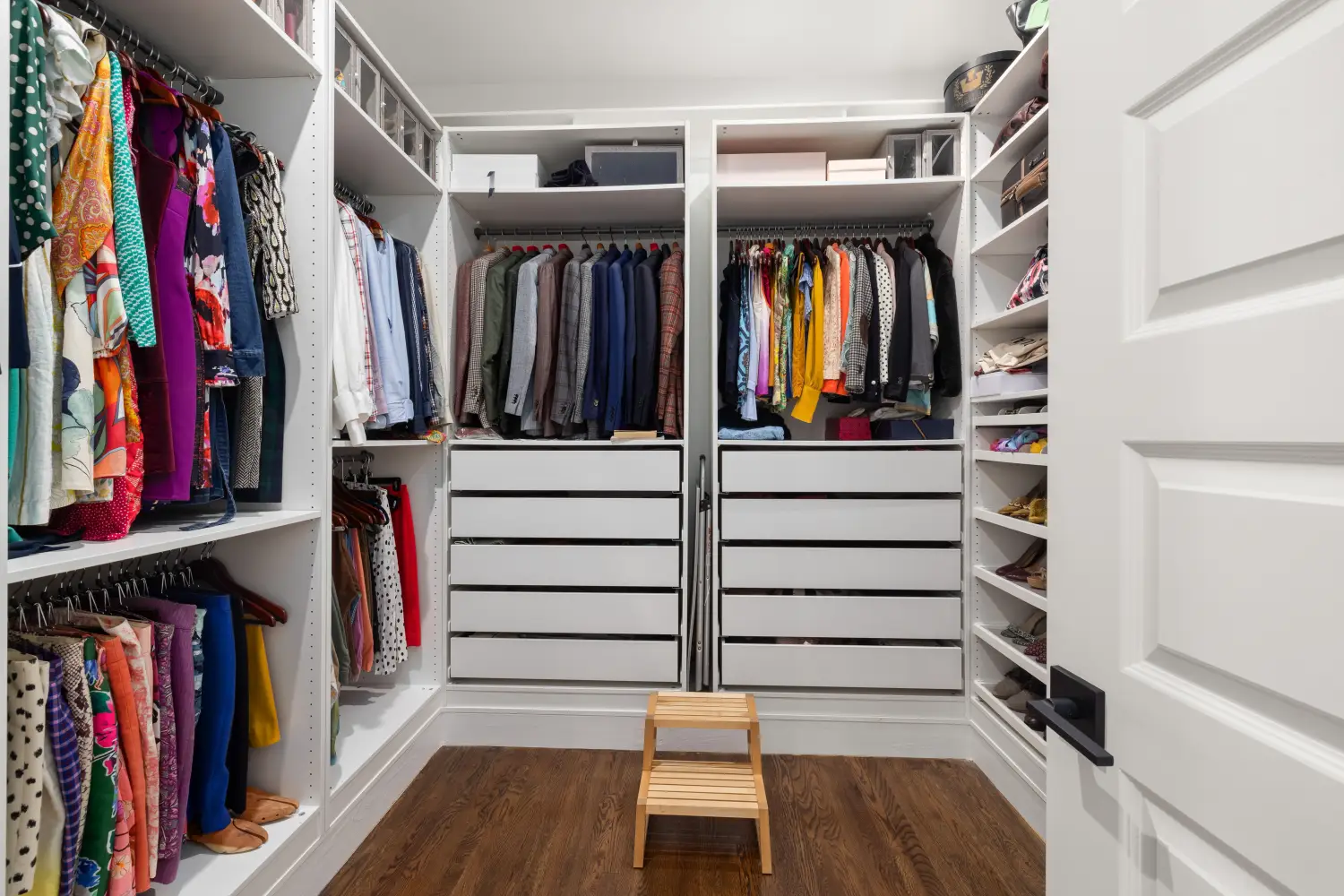
You don't need a bigger closet. The floor, walls, and bed you already have store more than you think—if you audit them one zone at a time. No new furniture, just a sharper look at what's already there.
The Real Reason Your Bedroom Feels Cluttered (It's Not the Closet)
Four things waste storage in a bedroom. Clutter on the floor. Walls that are bare from knee height to ceiling. The empty cavity under the bed. And furniture that takes up space but offers no storage. Adding a closet solves none of these—it just hides the mess. A zone audit fixes them one by one.
The Four-Zone Bedroom Audit
Work through these four zones in order. Each builds on the last. Skipping ahead means wasted money and bins that don't fit.
Zone 1: Your Walls Are Wasted Vertical Real Estate
Start with the walls because they're free. Every vertical inch from baseboard to ceiling can hold shelves or hooks without eating any floor space. Install floating shelves at three heights: eye-level for daily stuff, chest-high for decorative bins, ceiling-adjacent for out-of-season gear. Use over-door hooks for robes and bags. Done well: the floor is clear and every wall surface holds something useful.
Zone 2: The Eight-Inch Kingdom Under Your Bed
Measure under the bed. If the gap is at least six inches, you have a drawer system waiting. Under-bed bins slide out for seasonal clothes, extra bedding, and shoes. Use long, low-profile bins with wheels. Clear plastic lets you see contents without digging. Done well: the whole under-bed rectangle is filled with bins that slide smoothly—no cramming.
Zone 3: Every Piece of Furniture Should Earn Its Floor Space
Check your existing furniture. A dresser drawer that's half empty is wasted space. Reassign it: socks and accessories in one, electronics in another. A nightstand with a drawer and open shelf stores more than a solid block. Even a bench at the foot of the bed can have a lift-top compartment. The goal: every furniture item pulls two jobs.
Zone 4: Corners and Doorways Hold Hidden Capacity
Scan the dead corners and door edges. A corner shelf fits into a right-angle dead zone and holds folded items. Behind a door, a hook rack handles tomorrow's outfit. A slim cart slides into a 6-inch gap beside the bed for chargers and books. Done well: no vertical niche goes unused.
The Audit in Action: Transforming a Cluttered Bedroom Without Buying Anything
Take a typical 130-square-foot bedroom: queen bed, four-drawer dresser, small nightstand, closet stuffed. Shoes on the floor, clothes on a chair. Audit order: Zone 1—walls bare over bed and dresser. Add two floating shelves above the headboard for folded clothes and a bin. Over-door hooks on closet and bedroom doors for bags and belts. Zone 2—7 inches under the bed. Two rolling bins swallow off-season shoes and spare bedding. Zone 3—reassign dresser drawers: socks/workout gear top, accessories middle, electronics bottom. Nightstand open shelf gets a basket for glasses and notepad. Zone 4—behind-door hook strip for robe, corner shelf next to dresser for T-shirts. Result: closet closes, floor is clear. No new furniture bought.
Three Ways People Sabotage Their Zone Audit
Buying Storage Containers Before Measuring Clearance
You see bins on sale and buy them. They don't fit under the bed or between shelf brackets, so they sit on the floor—adding clutter, not storage. Measure every dimension first and give yourself a half-inch clearance for sliding.
Mounting Heavy Shelves Without Proper Anchors
Screwing a shelf directly into drywall with plastic anchors to hold stacks of jeans is asking for a hole in the wall. Find studs or use toggle bolts rated for 50 pounds. A shelf pulling out in the middle of the night is worse than no shelf.
Ignoring Reach and Clearance Above Your Headboard
Mount a shelf too high or too close to the top of the bed and you'll hit your head every morning. Mark the height while sitting up, and leave at least 18 inches above the mattress for head clearance. A shelf you can't reach without a step stool will stay empty.
Quick Reference: The Four Zones at a Glance
| Zone | Goal | Key Action |
|---|---|---|
| Vertical Walls | Convert bare walls into storage without using floor space | Install floating shelves and over-door hooks at three heights |
| Under-Bed | Turn wasted floor area into hidden, accessible storage | Slide in low-profile bins on casters that match your clearance |
| Multi-Use Furniture | Make every piece store more than one category | Reassign drawers and add shelf inserts to unused cavities |
| Corners & Doorways | Exploit tight dead spaces to hold small items | Hang behind-door hooks and fit corner shelving into right angles |
Frequently Asked Questions
How can I add storage without making my bedroom look cluttered?
Use bins that match—white or natural fiber—and closed containers for messy items. A floating shelf with a single stacked bin looks intentional, not crowded.
What's the best under-bed storage for shoes?
Clear plastic shoe boxes with vents or a compartmented under-bed bag. Make sure they're shorter than your clearance by half an inch.
Can I install vertical storage if I rent?
Yes. Over-door hooks, command-strip shelves for light stuff, tension rods. Skip heavy floating shelves unless you're ready to spackle.
What if my bed frame has no clearance?
Bed risers. They lift the frame a few inches. Check the weight limit and stability before sliding anything under.
Start With One Zone Today
The Four-Zone Audit proves you don't need more closets. Walls, under-bed space, and existing furniture hold all the storage you need. Start with Zone 1: clear the floor, measure a wall, and mount one shelf this weekend. Once you see how much space you've been ignoring, the rest falls into place.

Clara Bennett
After five years of transforming my 1920s bungalow room by room, I’ve refinished floors, hung blinds in bay windows, and spent more time choosing light bulbs than I’d like to admit. I learned paint sheens by painting my kitchen ceiling three times, and I found out the hard way that a rug too small makes a room feel unfinished. I believe every home can be both functional and beautiful, no matter the budget.
Related posts
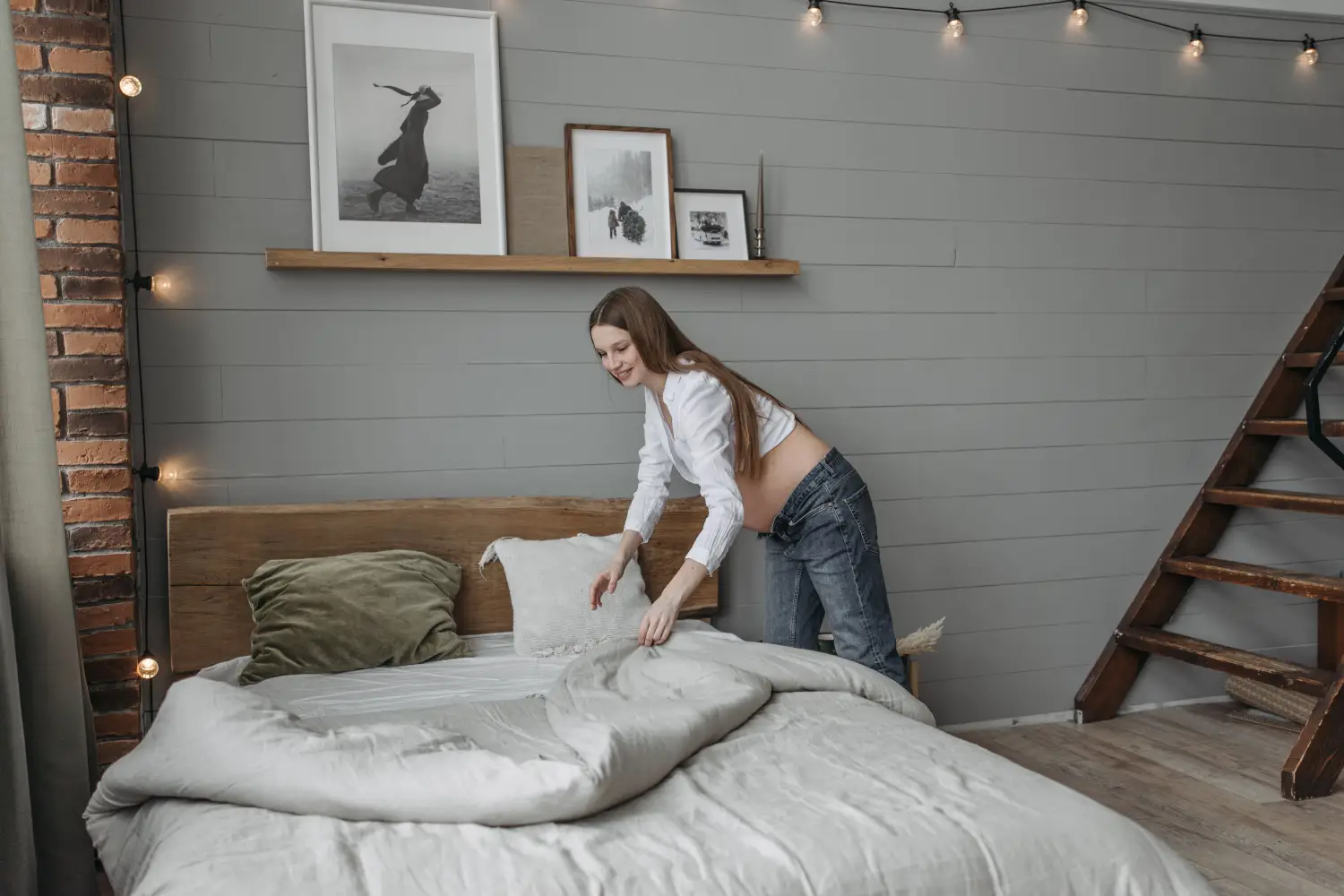
Your First Bedroom Design: A Foolproof Step-by-Step Plan
Design your first bedroom without costly mistakes. Follow a sequential plan: function, layout, lighting, then color. A beginner’s guide that ends decision paralysis.

The 3-Layer Bedroom Lighting System Designers Use
Design a bedroom lighting plan with ambient, task, and accent layers for sleep, dressing, and reading. Fixture types, Kelvin ranges, and dimmers — no electrician required.
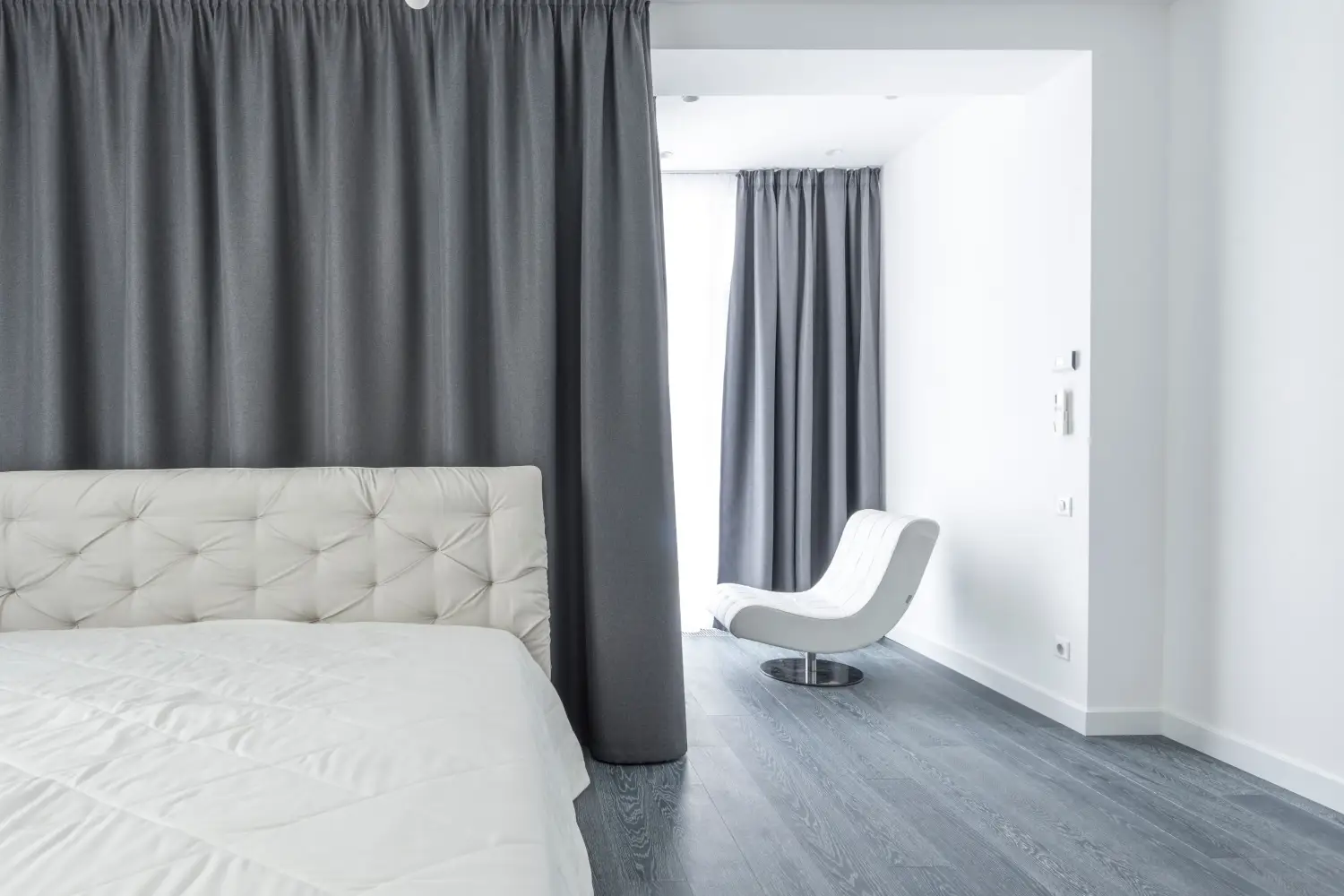
3 Clearance Rules That Fix Awkward Bedroom Layouts
Learn the three critical furniture clearances—bed-to-wall, walkway, and dresser access—with precise minimums to make any bedroom functional from day one.
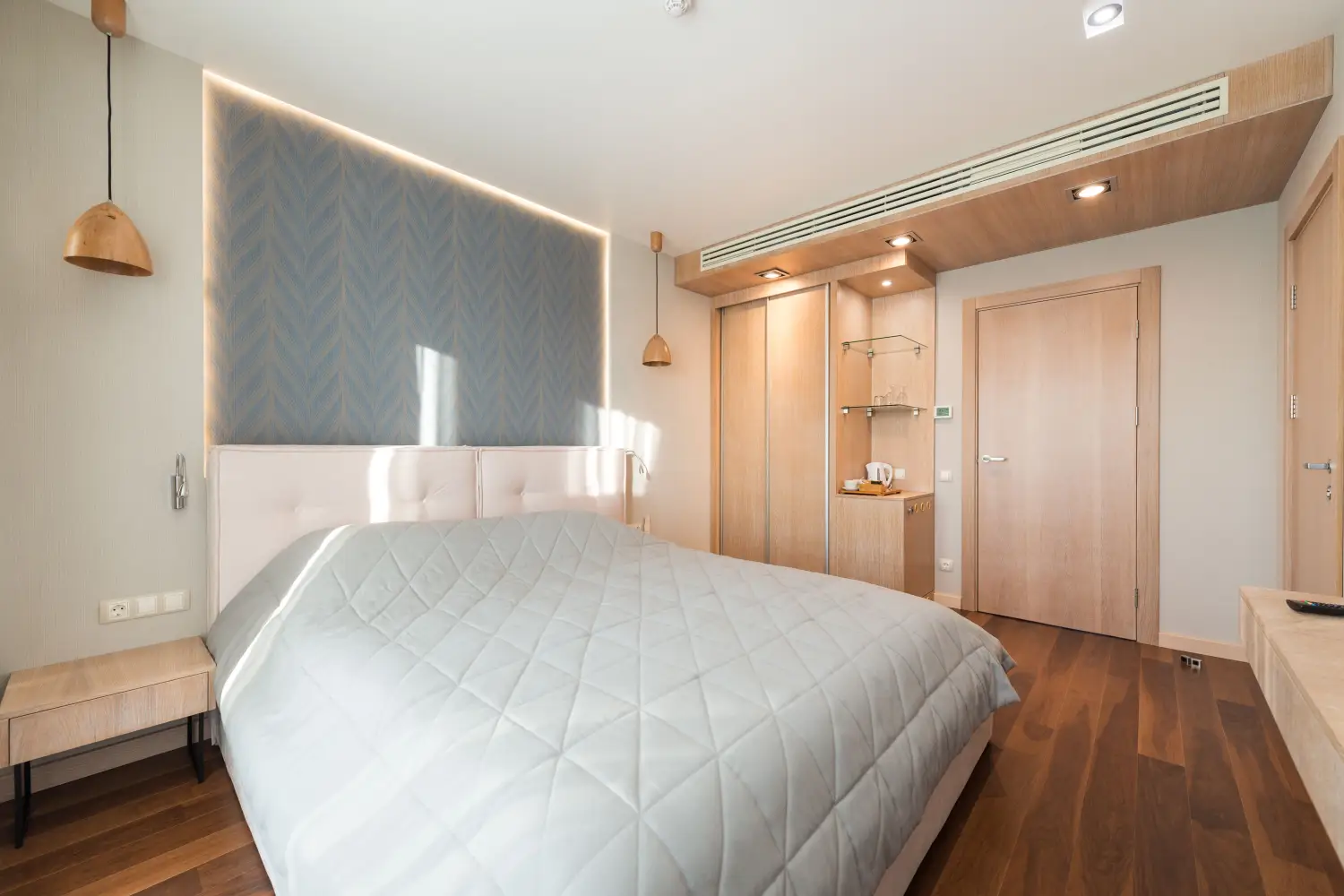
The Overlooked Element Behind Bedroom Color Choices
Discover how to layer wall color, textiles, and lighting temperature into a circadian-friendly palette that supports alert mornings and calm evenings.

Are Your Bedroom Windows Quietly Undermining Your Sleep?
If light or temperature swings mess with your sleep, your window coverings likely need a reset. Learn the opacity-mounting-safety decision tree that works.