Why the Best Decor Accents Do More Than Look Pretty
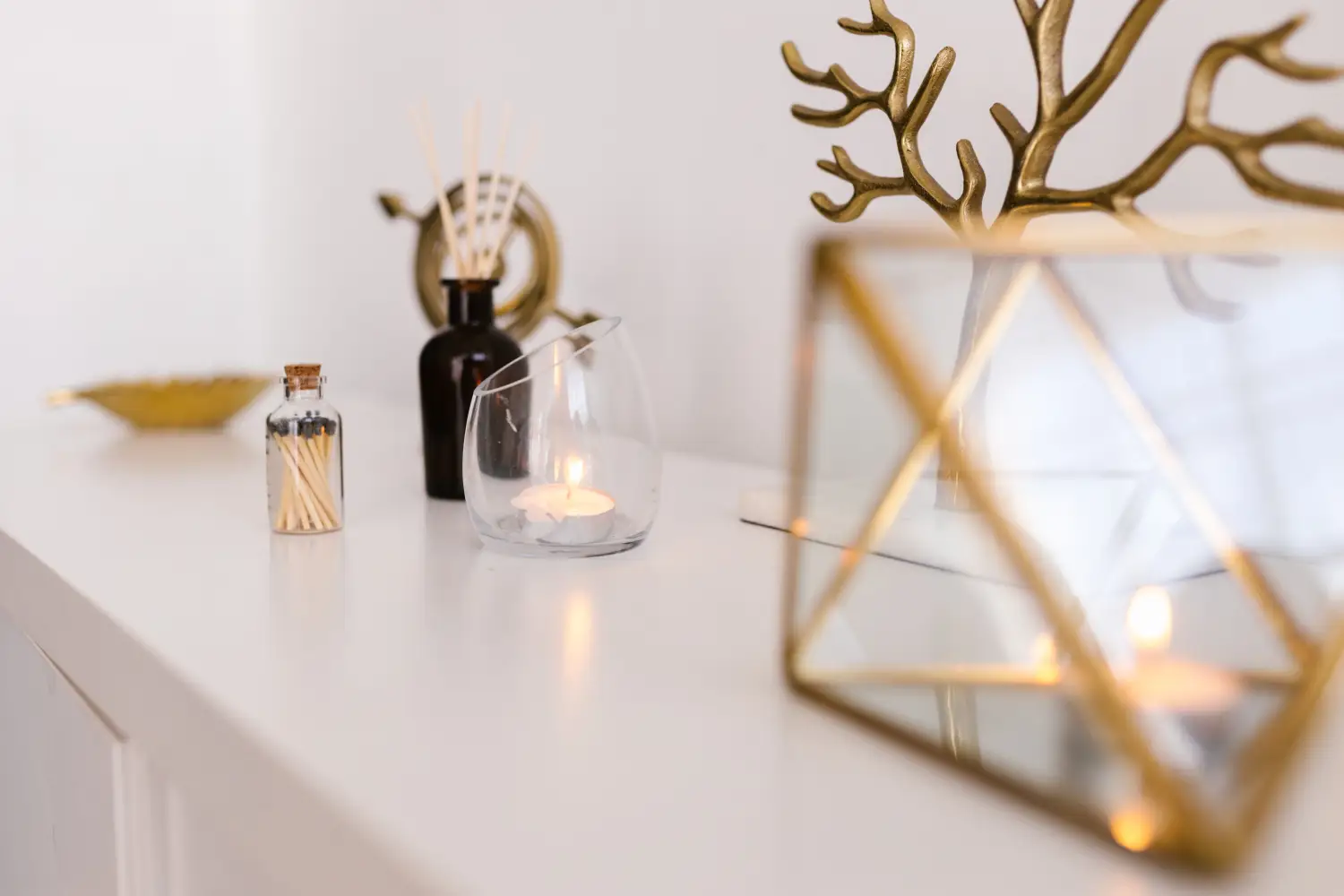
A room full of accents that only look pretty is a room full of missed chances. The best decor accents pull their weight—they do something while they sit there. A clock tells time and anchors a wall. A tray keeps remotes and coasters from sprawling across a coffee table. A purely decorative vase offers one thing: it takes up space.
This contrast is the backbone of every decision here. Functional accents—clocks, trays, books you read—earn their square inches with a specific job. Purely decorative pieces—vases that stay empty, sculptures that collect dust—only deliver visual interest. Neither side wins every situation. The right call depends on the room and what actually happens on that surface. The breakdown below treats each common surface as a decision point, laying out when function should lead and when decoration alone is enough.
Quick Guide: Which Accent Wins Where
| Scenario | Winner | Why |
|---|---|---|
| Coffee table that doubles as a landing zone | Functional (tray) | Contains everyday clutter while keeping the surface useable. |
| Nightstand where you need to wake up on time | Functional (clock) | Tells time and serves as an alarm; a sculpture does neither. |
| Desk that must stay productive | Functional (pen cup, tray) | Keeps supplies reachable and cuts down on visual noise. |
| Kitchen counter used for meal prep | Functional (fruit bowl, utensil crock) | Holds items grabbed daily; decorative canisters just gather dust. |
| Bathroom counter with toiletries | Functional (tray) | Groups bottles so they look intentional, not sloppy. |
| Entryway where keys and mail land | Functional (key tray, catchall) | Stops small items from migrating across the console. |
| Mantel or shelf meant solely as a focal point | Decorative (sculpture, vase) | No daily task to fulfill; visual impact can take priority. |
This table is a fast verdict. Each scenario, though, has trade-offs worth examining closely. The sections that follow look at what you gain and what you lose with each choice.
Coffee Tables: Why a Tray Does More Than a Vase
A coffee table is a work surface first. It catches remotes, drinks, phones, and the occasional pair of feet. The functional accent that works here is a tray—wide enough to hold the small items that would otherwise spread everywhere, low enough to avoid blocking sightlines.
A purely decorative vase on that same table adds height and a shot of color, but it does nothing to manage the mess. Set a drink beside it and the whole arrangement falls apart. Choosing the tray means you give up the vertical accent, but you get a surface that stays usable all day. If the coffee table is the room’s hub, function keeps it livable.
Nightstands: Why a Clock Beats a Sculpture
A nightstand has a job before sunrise. The alarm clock is the simplest functional accent in the house—it tells you when to get up. A small sculpture or decorative object adds personality but offers zero help at 6 a.m.
The trade-off is direct. A clock sacrifices the calm look of an art piece for reliability. For anyone who needs to see the time without grabbing a phone, a clock is non-negotiable. If the bedroom is strictly a retreat and a phone handles alarms, a decorative piece can work. Most rooms, however, lean toward the clock because waking up on time is a non-negotiable task.
Desks: Why Pen Cups Win Over Figurines
A desk is a tool, not a stage. Functional accents—a pen cup, a letter tray, a slim bookend—keep supplies within arm’s reach and reduce visual clutter. A purely decorative figurine adds personality but occupies space that could hold something you actually use.
Opting for function means you give up a little whimsy for efficiency. That is the right trade in a home office or study corner. The exception is a desk that acts as a display surface in a formal living room; there, a decorative object might fit. But for everyday work, a pen cup beats a figurine every time.
Kitchen Counters: Fruit Bowls Over Empty Canisters
Kitchen counters are some of the most valuable real estate in a home. A functional fruit bowl or a crock full of cooking utensils earns its spot—you reach for an apple or a spatula multiple times a day. Decorative canisters that hold nothing, or a vase that never sees a stem, claim space without justification.
The risk: functional accents can look cluttered if overfilled. A well-chosen decorative piece might pull the room’s color scheme together. But in a room built around activity, an item that never gets used starts to feel like an obstruction. A fruit bowl wins because it is useful and welcoming, not just pretty.
Entryways: Why a Key Tray Outperforms a Vase
The entry console is the home’s first and last stop. A functional tray or catchall dish gives keys, sunglasses, and spare change a designated home. A decorative vase in the same spot looks inviting but offers no practical help when you are rushing out the door.
Choosing a tray means you trade a curated vignette for something more utilitarian. The moment someone sets keys in that vase, though, the whole setup breaks. For entryways with daily foot traffic, the tray is the clearer bet.
Mantels and Shelves: When Decorative Pieces Earn Their Keep
Not every surface demands a practical payoff. A mantel or a high shelf in a formal living room exists for visual impact. Here, a purely decorative sculpture, vase, or art object can anchor the room’s style without doing anything else.
Choosing a decorative piece here means accepting it will sit idle. That is a fair trade when the spot is out of reach or exists only for looking. A clock or a tray on a mantel can feel forced—like someone is trying too hard to justify its presence. In these rare zones, decoration for its own sake is the logical choice.
Where the Choice Makes No Difference
Some conditions make the debate irrelevant. When the accent is small—a single bud vase on a windowsill, a tiny sculpture on a bookshelf—the functional difference is zero. Both options read as a quiet detail, not a utility.
Color, texture, and material matter more than function in these cases. A ceramic vase and a small clock in the same finish contribute equally to a room’s palette. Stop weighing function when the item is under four inches tall and sits on a shelf no one touches daily.
Another wash: accents that serve a role you never use. A decorative book that no one opens and a purely decorative object are functionally identical. In those situations, pick the one that looks better.
Deal-Breakers: When One Side Cannot Work
You need the item to perform a recurring task. If a room lacks a clock and you depend on it to start the day, no decorative piece can stand in. The same rule applies to a tray in an entryway that already suffers from scattered keys. Function wins by default when there is a job no other object in the room is handling.
The surface cannot support weight or bulk. Some decorative pieces are fragile or heavy and simply will not fit on a narrow ledge. A sturdier, more compact functional piece then becomes the only practical option.
The entire purpose of the piece is artistic expression. A sculpture bought because it stirs something should not be drilled, repurposed as a planter, or forced to hold mail. Decorative pieces win when their value is purely aesthetic and any functional retrofit would ruin them.
The surface is visible but never touched. High shelves, ledge displays above doorways, and deep mantels behind furniture fit this description. Any functional item placed there would waste its usefulness, so a decorative piece takes the spot by default.
Frequently Asked Questions
Can I mix functional and decorative accents in the same room?
Yes, and mixing is often the best approach. Pair a tray (functional) with a small sculpture (decorative) on a coffee table to get organization and visual interest. The rule: make sure the functional piece is actually doing a job. A tray holding nothing is as useless as a vase that stays empty.
How many accents should a room have?
Aim for three to five per surface, adjusting for size. Place the functional ones first—a clock, a tray, a catchall—then fill remaining gaps with purely decorative items. If every accent in the room is purely decorative, the space risks feeling like a showroom, not a lived-in home.
What if I have a very small room?
In a small room, every object must justify its footprint. A decorative piece that occupies square inches without offering storage or another use can make a tight space feel tighter. Lean heavily toward functional accents—a slim clock on the nightstand, a wall-mounted tray in the entry—and limit purely decorative items to one or two you truly like.
The Short Answer
For the rooms you live in every day, a functional accent almost always delivers more lasting satisfaction than a purely decorative one. The question to ask before buying any new piece: “Will this do something, or will it just sit there?”

Clara Bennett
After five years of transforming my 1920s bungalow room by room, I’ve refinished floors, hung blinds in bay windows, and spent more time choosing light bulbs than I’d like to admit. I learned paint sheens by painting my kitchen ceiling three times, and I found out the hard way that a rug too small makes a room feel unfinished. I believe every home can be both functional and beautiful, no matter the budget.
Related posts

The Budget Habit That Leaves Every Room Half-Finished
Skipping the last 5% of a room budget leaves it feeling undone. See how a $2,000 spend can finally finish a space—without going over budget.
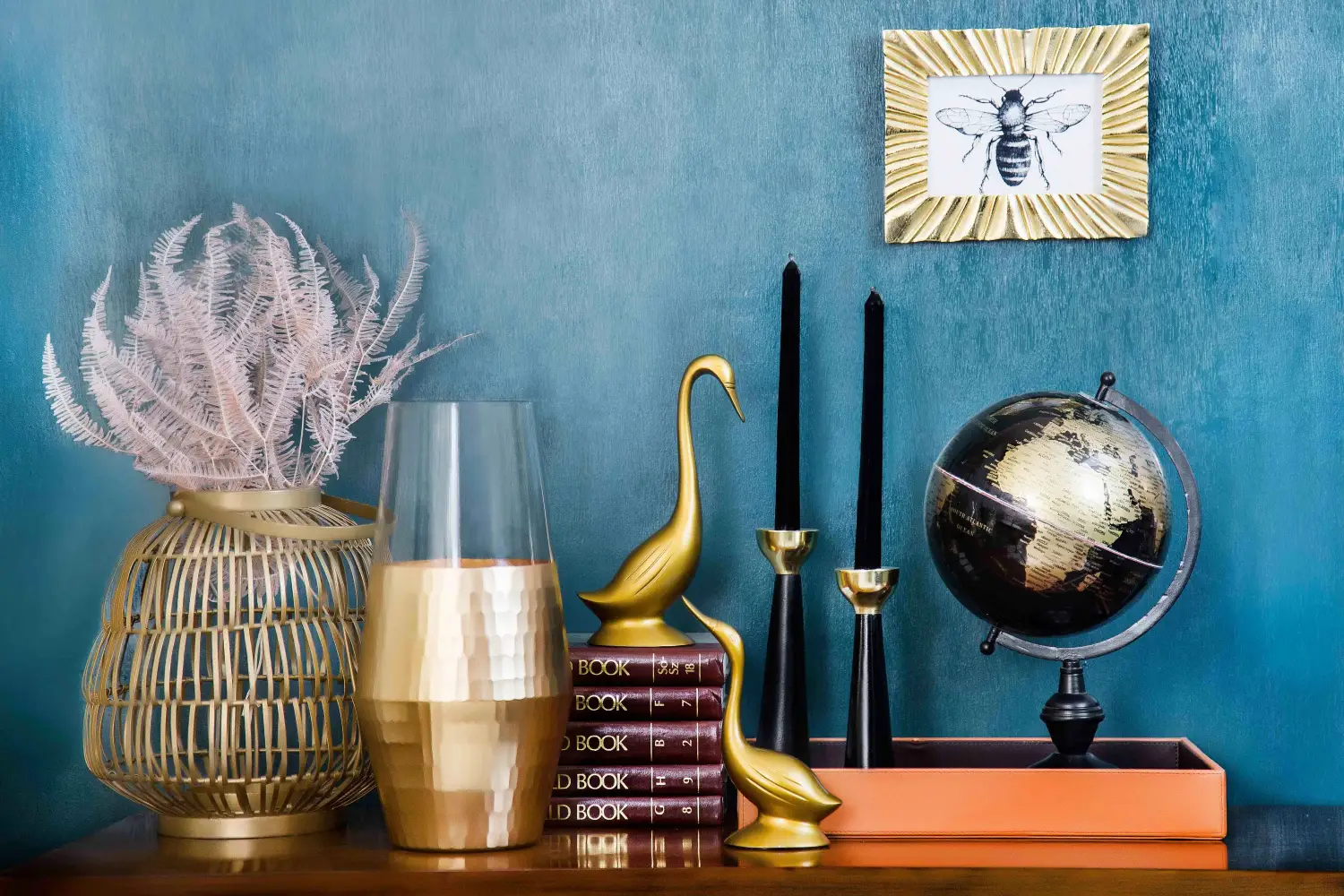
How to Mix Vintage and Modern Accents Without Regret
Pair a mid-century lamp with a rustic side table confidently using one shared material. This simple strategy stops the 'doesn't match' regret every time.
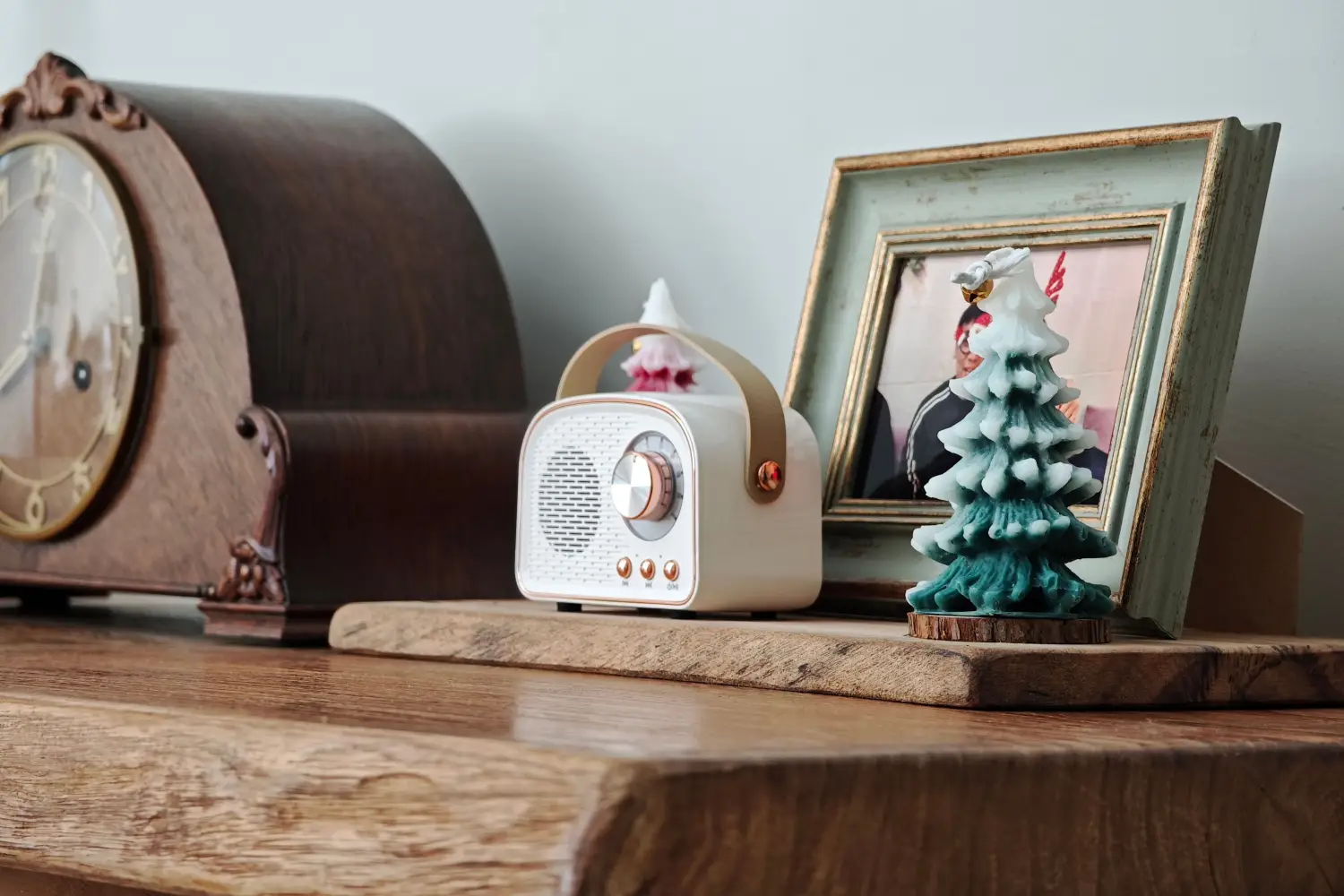
The 3-Item Rule for Styling Any Shelf or Tabletop
Use the 3-item rule and layered heights to style any shelf, mantel, or tabletop. Includes a before-and-after mantel case study and troubleshooting for common mistakes.
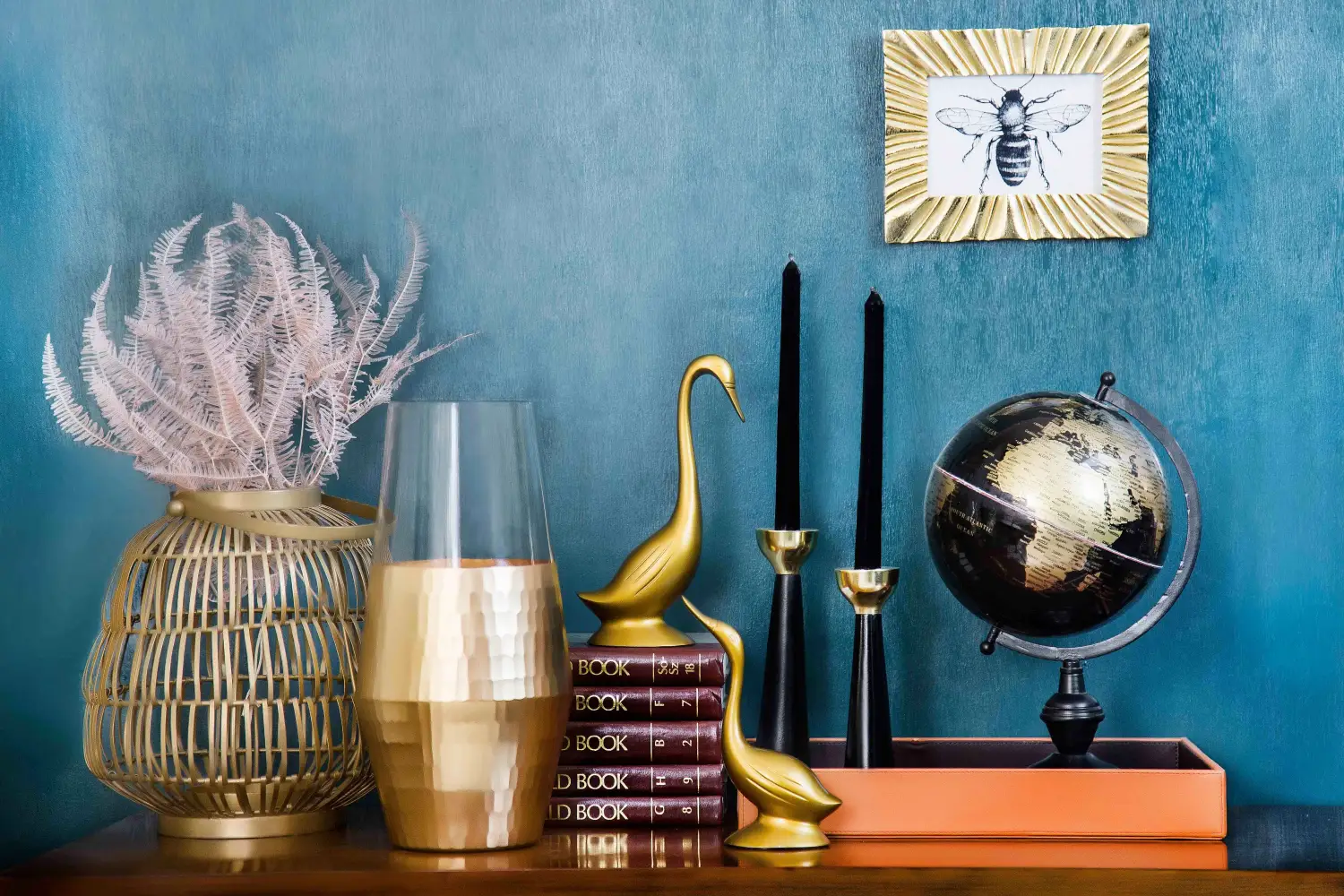
5 Decor Accent Mistakes That Scream 'Amateur' to Designers
Overcrowding, scale mismatch, and too much matchy-matchy ruin a room. Use these 4 accent swaps to fix the 5 mistakes designers notice first. See the quick picks.