How to Mix Vintage and Modern Accents Without Regret
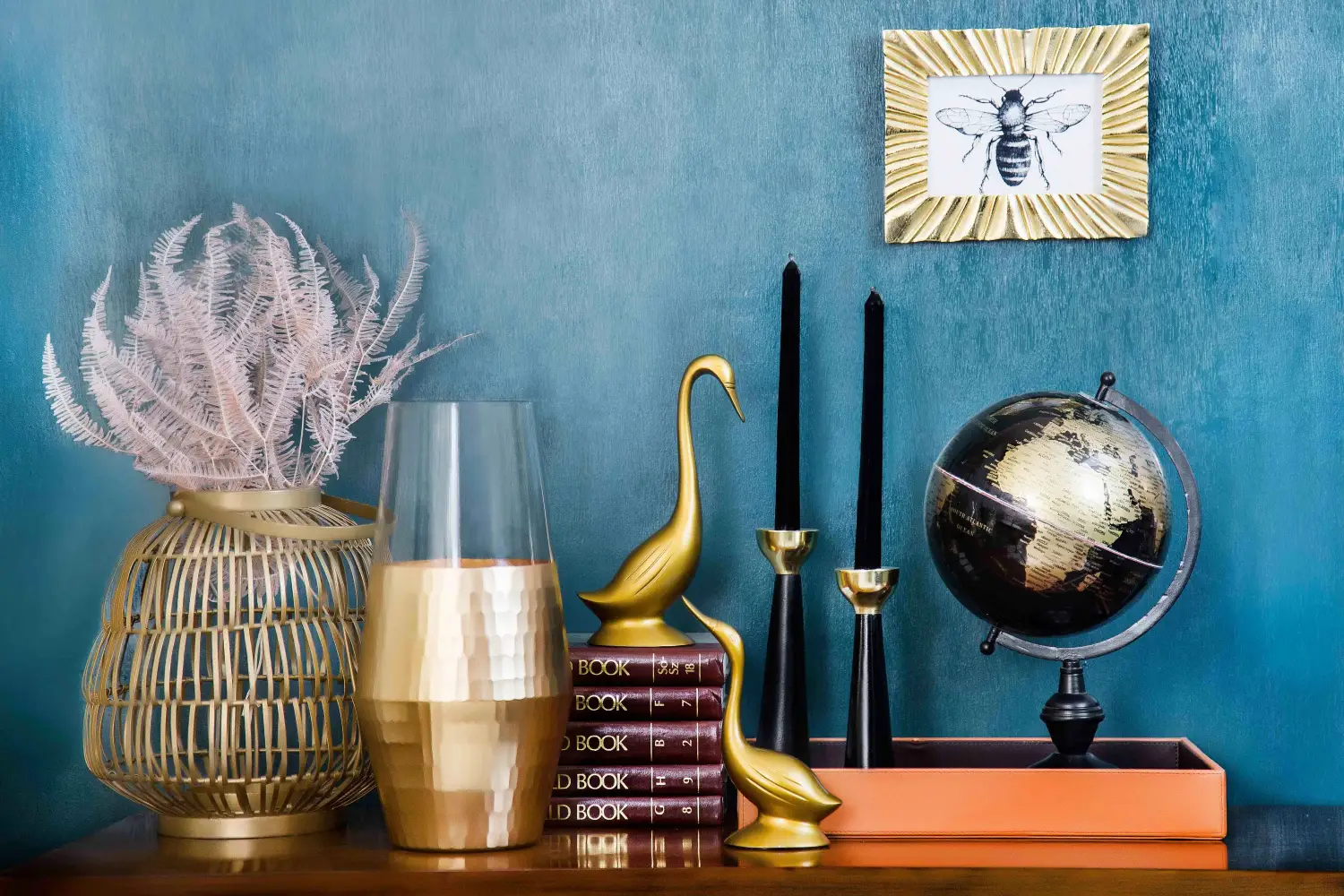
That sinking moment when you set two pieces you love next to each other and they simply refuse to get along—it’s avoidable. The problem is never the mix of styles. It’s the missing handshake. A mid-century lamp and a rustic side table can share the same corner without friction if you give them one material to agree on. Black metal, when matched in finish, tells the eye the pairing was deliberate. That single bridge turns an uneasy corner into a quiet, confident one.
The look you can count on: a slender tripod lamp with a matte black stem rests beside a reclaimed-wood table whose dark iron legs hold the same flat tone. The glance travels from lamp to table without a pause. No squint, no cringe, no regret. That is the outcome this process builds toward.
Your 5-Step Mixing Checklist
- Locate the one material both pieces already own—or finish that reads identically
- Confirm the finish tone matches (matte, satin, oil-rubbed), not just the color
- Check the scale and line quality so neither piece dominates the other
- Add a third object that borrows the same material to anchor the scene
- Step back, leave the room, return, and ask: does it feel like a decision?
How to Find a Material Both Pieces Already Have in Common
Run a hand over the lamp and the table. Is there black metal on a pull, a stem, a finial, a leg cap, a nailhead trim? The mid-century lamp might have a slim black pole; the rustic side table may hide black metal in its stretchers or drawer hardware. A material only counts as a bridge when it’s visible from a normal standing or sitting distance—otherwise the eye never catches it.
This check takes two or three minutes. The mistake that trips people up is treating a dark stain or espresso paint as metal. Wood stained black is not a material bond; it reads as a color gesture, and color alone won’t stop the disconnect.
Match the Finish, Not Just the Material
Black metal has many faces: glossy powder coat, matte cast iron, brushed steel darkened by chemical patina, hammered wrought iron, smooth spray-painted tubing. A sleek matte lamp stem next to a chalky, textured table base creates the same discord as two completely unrelated pieces.
Hold a bright light—phone flashlight is fine—and study the sheen. Aim for finishes that sit within one step of each other on the gloss scale. A matte lamp and a satin table pull work together. Mirror-polished chrome paired with raw black iron does not.
This takes five minutes. The most common error is assuming “black is black.” Finish is the dialect the material speaks, and if it’s not the same language, the corner feels unsettled no matter how carefully you arrange it.
Check the Scale and Line Quality So Neither Overpowers
A wispy, narrow lamp beside a thick, blocky table creates friction no shared material can fix. Place a hand on each piece and gauge its footprint: the lamp’s base diameter versus the table’s top width. A lamp standing 24 inches tall with a 10-inch base feels at ease beside a 22-inch-wide table of a similar height. The mid-century curves—those rounded edges, those tapered legs—should find a subtle echo in the table’s profile, even if the table leans rustic.
This evaluation takes less than a minute. The mistake is ignoring proportion because the material connection feels so promising. A shared material rescues nothing when the scale is fighting.
Add a Third Object That Borrows the Same Material
Set a small black metal tray, a vase with a dark iron rim, or a picture frame with a matte black edge on the table. That third element locks the connection into place and makes the pairing feel inevitable rather than forced.
Execution takes as long as walking to another room to fetch a candidate—around three minutes. The frequent error is piling on a fourth or fifth black item, which turns the vignette into a monochrome display. One extra piece is enough to seal the bond.
Step Back and Trust the Deliberate Feeling
Leave the room for ten minutes. Come back and look at the pairing from the doorway. Does the eye travel evenly from lamp to table without catching? If it does, the mix is right.
This final check takes ten idle minutes, but the active looking is only fifteen seconds. The biggest mistake is overthinking while standing too close. Distance is what lets you see whether the material bridge is doing its quiet job.
Final Verification: 3 Quick Yes-or-No Checks
- Same black metal finish (or within one gloss level)?
- Proportions—base, top, height—comfortable beside each other?
- At least one third object sharing that same metal in view?
If any answer is no, go back to that step before calling the corner complete.
Common Questions About Mixing Vintage and Modern Styles
What if neither piece has a black metal element?
Look for a different shared material. Unfinished wood, clear glass, or leather appear in both mid-century and rustic designs often enough. If nothing exists, introduce a black metal accent on both sides—swap the lamp finial and add a black metal coaster. The bridge can be brought in, not just discovered.
How do I handle a wall color that clashes with black metal?
Black metal is visually neutral and works against most wall colors. The exception is very dark walls that swallow it. In that case, shift to a lighter metal—unlacquered brass or brushed nickel—and let that become the shared material instead.
Can I mix more than one vintage-modern pair in the same room?
Yes. Apply the same checklist to each pair, but choose a single unifying material for the entire space. If black metal ties the lamp and side table together, let it also show up in the floor lamp, a curtain rod, or a mirror frame. That material becomes the room’s silent thread.
What’s the most common regret after mixing without a plan?
The “I’ll get used to it” feeling that never arrives. Someone buys a lamp they love and a table they love, places them together, and hopes affection for each individual piece will override the disconnect. Without a shared material, the eye keeps circling the mismatch, and the room never feels restful.
The Result: A Corner That Feels Intentional, Never Forced
That mid-century lamp and rustic side table now sit like old friends. The black metal link is quiet enough to avoid looking matchy, sturdy enough to need no explanation.
Next time you walk through a flea market or an estate sale, bring that black metal filter with you. When a piece speaks the same material language as something already at home, you can buy it without a second thought.

Clara Bennett
After five years of transforming my 1920s bungalow room by room, I’ve refinished floors, hung blinds in bay windows, and spent more time choosing light bulbs than I’d like to admit. I learned paint sheens by painting my kitchen ceiling three times, and I found out the hard way that a rug too small makes a room feel unfinished. I believe every home can be both functional and beautiful, no matter the budget.
Related posts
Why the Best Decor Accents Do More Than Look Pretty
See how clocks, trays, and books stack up against vases and sculptures room by room. Learn when function beats pure decoration—and when it doesn’t.

The Budget Habit That Leaves Every Room Half-Finished
Skipping the last 5% of a room budget leaves it feeling undone. See how a $2,000 spend can finally finish a space—without going over budget.
The 3-Item Rule for Styling Any Shelf or Tabletop
Use the 3-item rule and layered heights to style any shelf, mantel, or tabletop. Includes a before-and-after mantel case study and troubleshooting for common mistakes.
5 Decor Accent Mistakes That Scream 'Amateur' to Designers
Overcrowding, scale mismatch, and too much matchy-matchy ruin a room. Use these 4 accent swaps to fix the 5 mistakes designers notice first. See the quick picks.