The Budget Habit That Leaves Every Room Half-Finished

The habit that leaves a room feeling half-done isn't about taste or skill—it's about where the money stops. A $2,000 room budget spent almost entirely on a sofa, a bed frame, or a set of shelves will never look finished because the last 5 percent of the budget, the part that buys curtains, pillow covers, real art, and a properly sized rug, gets skipped. That tiny slice of spending is what signals a room is lived in on purpose, not just occupied.
How a $2,000 Room Budget Gets Tangled Up in the Big Purchases
Most people start furnishing a room by assigning dollar amounts to the largest pieces: $900 for a sofa, $500 for a bed frame and mattress foundation, $400 for a dining table. Together those three items already land just under $2,000, leaving nothing for anything else. The room then gets a string of temporary fixes—an old floor lamp, a single curtain panel from the clearance bin, walls that stay blank because framing something feels like an afterthought.
When the budget is squeezed, the things that make a room feel pulled together are the first to go. Curtain rods, rug pads, a set of matching pillow covers, a plant in a real pot—all of those come in under $50 individually but vanish from the plan because the big items consumed every dollar. The result is a space that technically has the required pieces but still looks incomplete.
The Real Consequence of Skipping the Small Stuff
A living room with a beautiful sofa set against bare walls and no rug underneath will always seem like someone just moved in. A bedroom with a solid bed but no art, no bedside lamp, and a bare window looks like a rental that hasn't been personalized. It is not a decorating failure; it is an allocation failure. The room has all the heavy, functional elements and none of the light, finishing ones.
The 5 Percent That Makes a Room Look Deliberate
Five percent of a $2,000 budget equals $100. That is not a lot of money, but it buys specific, high-impact items that act as visual punctuation. Two pillow covers in a fabric that pulls a color from the walls or rug, a thrifted framed print hung at eye level, a ceramic pot for a plant instead of the nursery container, and a cord cover that ties back to the baseboard—all of those together can be landed for under $100.
These small additions do something that a sofa cannot: they tell the eye that someone completed the room. They fill the gaps that make a space look like a project that ran out of steam. Without them, even an expensive room feels unfinished.
What $100 Actually Buys
- Two pillow covers in a textured fabric: $20
- A framed print from a thrift store or online marketplace: $25
- A ceramic planter for an existing plant: $18
- Two curtain finials and a set of clip rings for an old rod: $15
- A cord management kit: $12
- A 20x30-inch poster frame for budget art: $10
All of those items listed together are $100, give or take a few dollars. They are easy to overlook in a budget spreadsheet because each line seems trivial, but collectively they determine whether a room reads as done or half-done.
Where to Find the Room-Finishing Accents Without Blowing the Budget
An accent budget of $100 is not restrictive if the shopping strategy changes. Big-box furniture stores are not the right place for finishing touches—their accessories are priced to add on, not to fit a tight budget. The better sources are thrift stores, online marketplaces, and household swaps.
Thrift stores are reliable for framed art, ceramic pots, and curtain rods in decent condition. Online marketplaces often list new pillow covers at a fraction of what home decor stores charge. And using what is already in the house—moving a table lamp from one room to another, pulling a throw blanket out of the linen closet—costs nothing but changes the feel of the room immediately.
A Better $2,000 Allocation: Big Items, Finishing Touches, and a Cushion
A $2,000 room budget works better when it is split before the spending starts. A workable breakdown for a beginner is to earmark 80 percent for large furniture, 15 percent for secondary layers like window treatments, lighting, and a rug, and 5 percent for the final accents. That translates to $1,600 for big pieces, $300 for the next layer, and $100 for the finishing touches.
If the room is mostly empty, the 80 percent might shift upward slightly, but the 5 percent for accents never drops to zero. Even a $50 finishing budget, gathered by choosing a slightly smaller sofa or a less expensive bed frame, will make the difference between a room that feels like a collection of things and a room that feels finished.
When to Sacrifice a Big Item for a Finishing One
If the sofa costs $1,000 and the only alternative that still works is $800, that $200 gap can fund every accent on the list above and leave room for a second framed print or a proper curtain rod. The room will feel more complete with the $800 sofa and the finishing touches than it will with the $1,000 sofa and blank walls. That trade-off is the core of the budget habit that needs to change.
Key Takeaways
- Rooms feel half-finished not because of poor style but because the budget allocates almost nothing to the last 5 percent of finishing accents.
- On a $2,000 room budget, $100 buys the pillow covers, art, planters, and cord management that make a room read as complete.
- Small accents are often ignored because each one seems individually trivial, but together they carry the visual weight that signals a finished space.
- Separating the budget into large furniture, secondary layers, and finishing touches before spending prevents the big items from consuming the whole amount.
- Trading down a single big-ticket purchase by $100 or $200 can fully fund a room's accent layer.
The One Move That Changes the Outcome
The single most important action for anyone furnishing a room on a budget is to reserve the accent money first, before picking the sofa or the bed. Set aside $50 to $100 for finishing touches and build the rest of the budget around what remains. That one habit forces the room to end up complete instead of stopping short at the heavy pieces. Start the next project by writing down the accent budget at the top of the list, and protect it like a line item that cannot be erased.

Clara Bennett
After five years of transforming my 1920s bungalow room by room, I’ve refinished floors, hung blinds in bay windows, and spent more time choosing light bulbs than I’d like to admit. I learned paint sheens by painting my kitchen ceiling three times, and I found out the hard way that a rug too small makes a room feel unfinished. I believe every home can be both functional and beautiful, no matter the budget.
Related posts
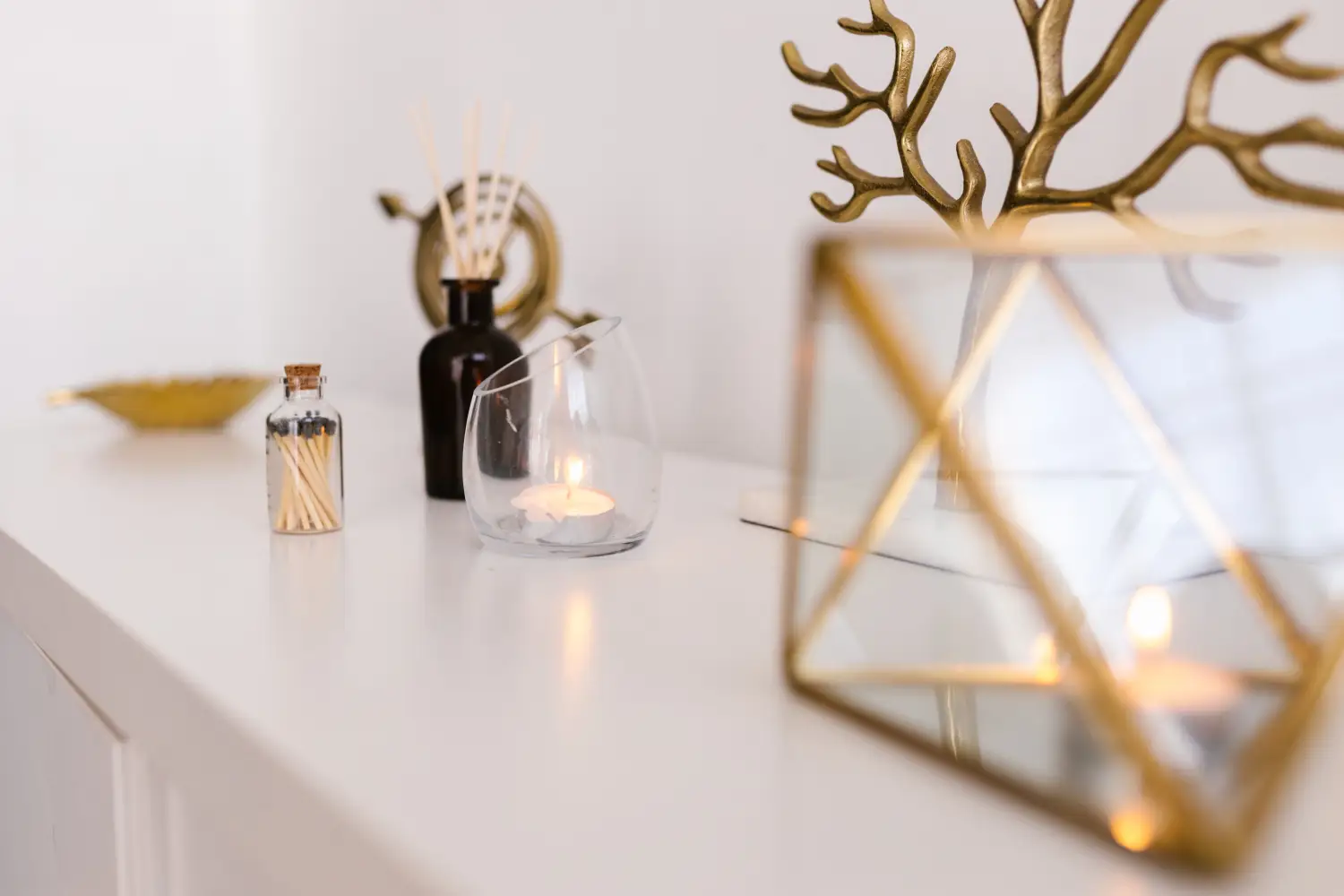
Why the Best Decor Accents Do More Than Look Pretty
See how clocks, trays, and books stack up against vases and sculptures room by room. Learn when function beats pure decoration—and when it doesn’t.
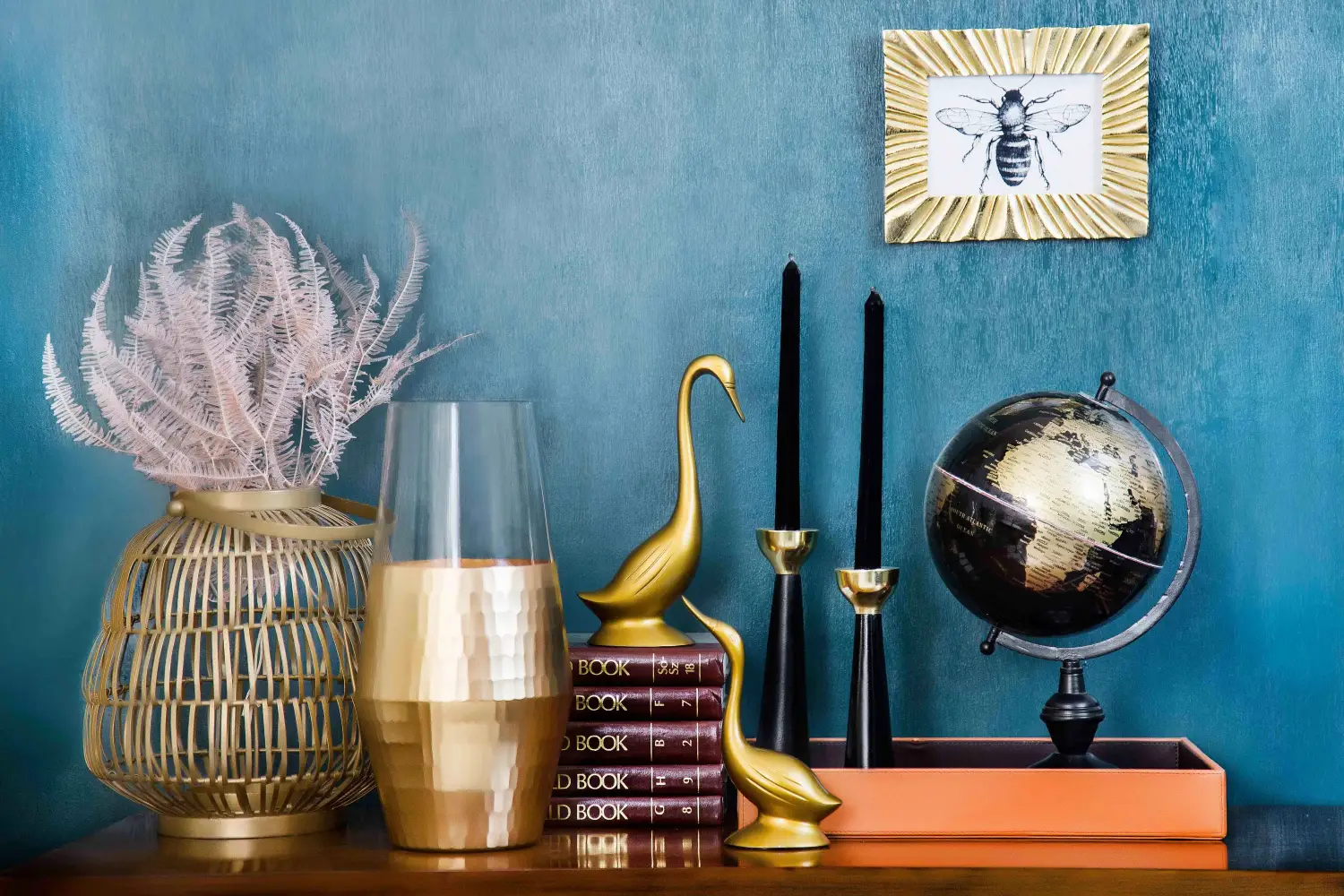
How to Mix Vintage and Modern Accents Without Regret
Pair a mid-century lamp with a rustic side table confidently using one shared material. This simple strategy stops the 'doesn't match' regret every time.
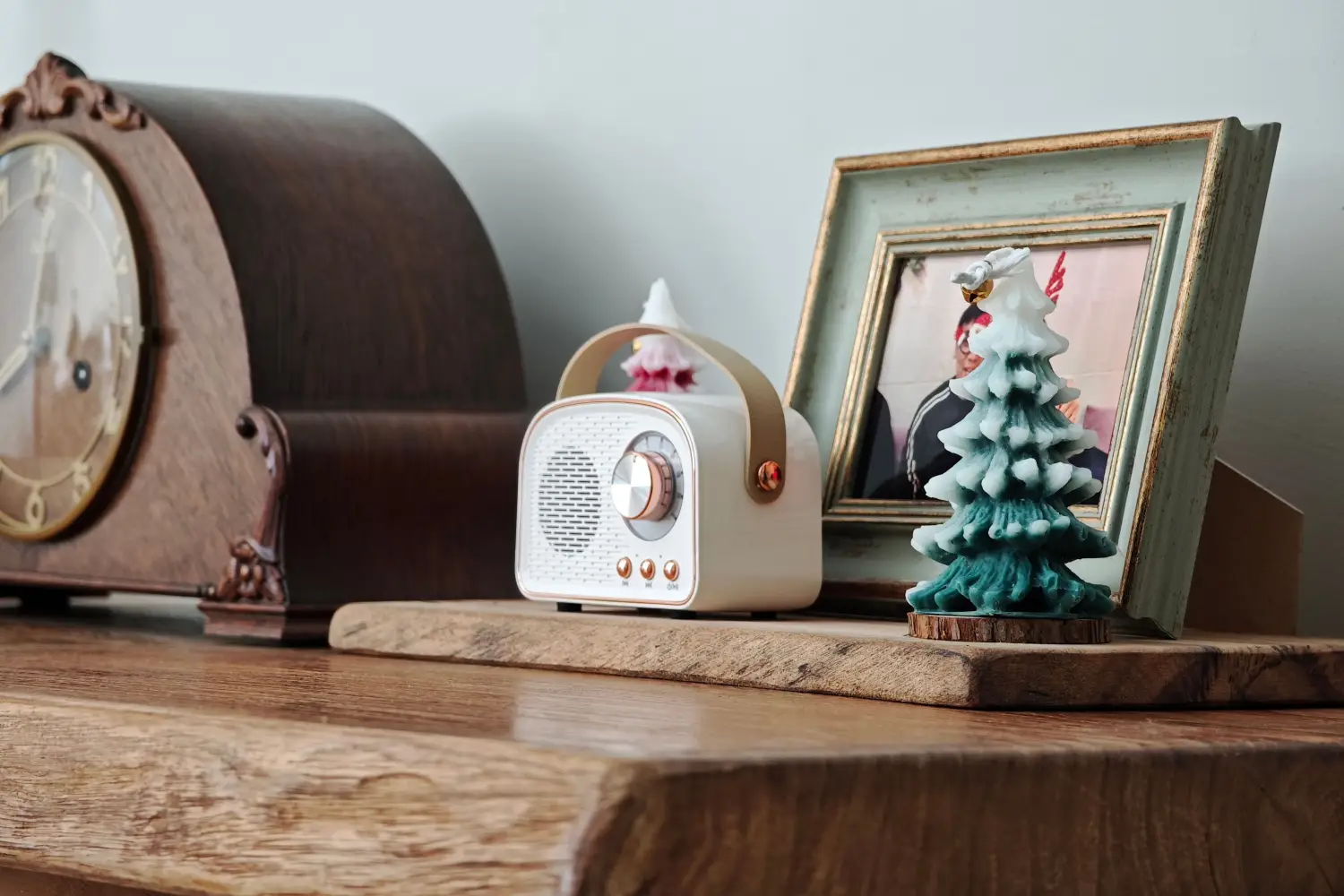
The 3-Item Rule for Styling Any Shelf or Tabletop
Use the 3-item rule and layered heights to style any shelf, mantel, or tabletop. Includes a before-and-after mantel case study and troubleshooting for common mistakes.
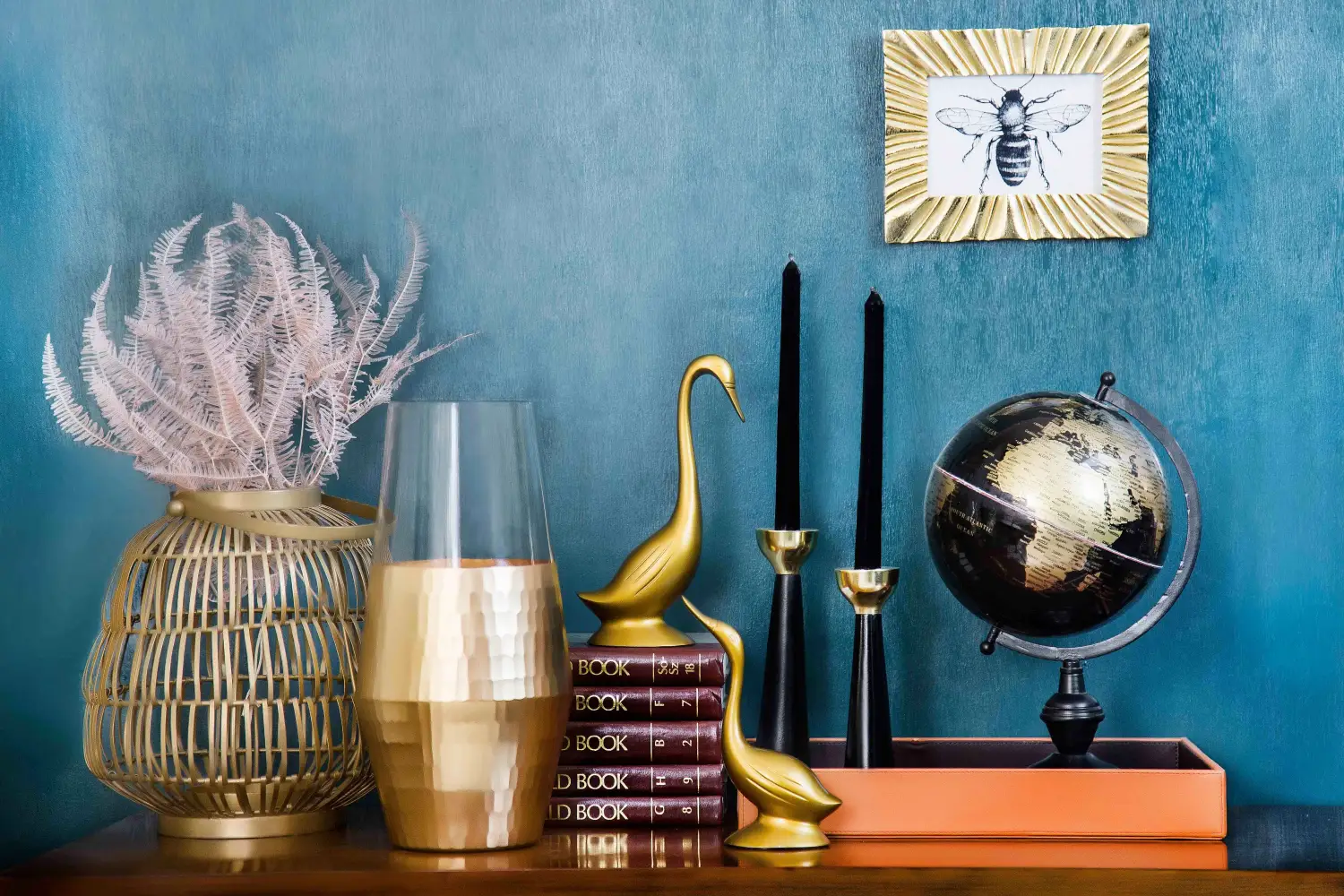
5 Decor Accent Mistakes That Scream 'Amateur' to Designers
Overcrowding, scale mismatch, and too much matchy-matchy ruin a room. Use these 4 accent swaps to fix the 5 mistakes designers notice first. See the quick picks.