The 3-Item Rule for Styling Any Shelf or Tabletop
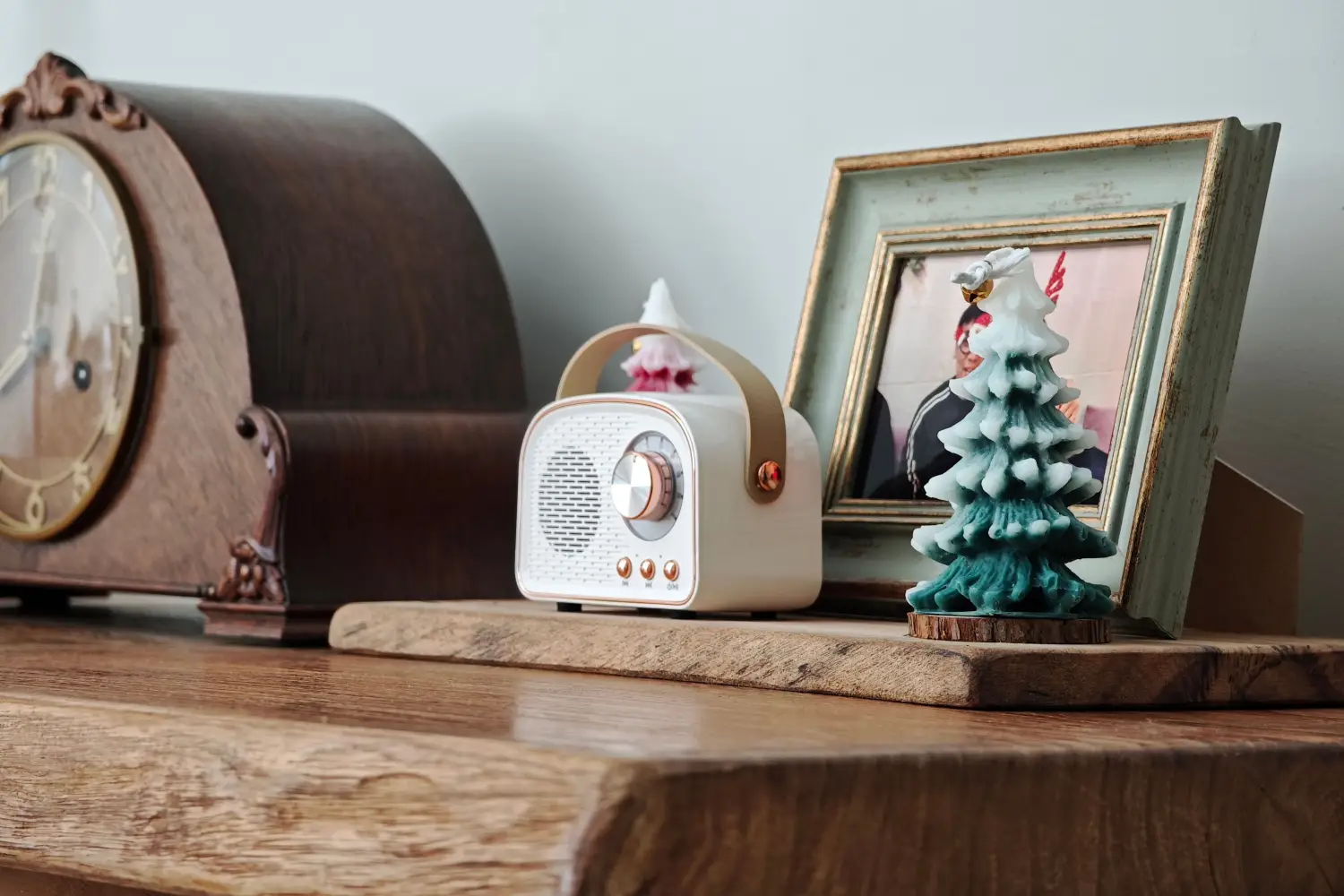
A shelf or mantel that feels settled nearly always uses odd-numbered groupings, most often three objects whose heights step gently down like a small hillside. The 3-item rule is the fastest path from a random pile of belongings to a composed display, and it doesn’t require a shopping trip. The following walkthrough follows an actual mantel as it moves from a dust-covered jumble of tiny frames and half-burned candles to a calm, layered arrangement — nothing more than the rule and some attention to height.
The 3-Item Rule in Four Steps
- Take everything off the surface so you can see what you’re working with.
- Gather objects in sets of three: look for a tall piece, a mid-height piece, and a short piece per set.
- Set the tallest item in place first, then the medium, then the shortest, letting them fan out into a loose triangle.
- Leave at least a hand’s width of open surface between each grouping so the trios read separately.
Building a Balanced Vignette with the 3-Item Rule
Clear the Surface Completely
Begin with a bare shelf, mantel, or tabletop. Removing every object, even if you plan to reuse most of them, resets the eye. Wipe the surface while it’s empty — a clean foundation makes the final result feel cared for. If the shelf is shallow, less than eight inches deep, one grouping will likely be plenty; a deep console can hold two or three without feeling crowded.
Forming Your Groups of Three
Walk through each room and pick up anything with a noticeable height span: a vase, a stack of books, a small framed photograph, a candle holder, a simple sculpture. Aim for at least a six-inch difference between the tallest and shortest object in each trio. If something needs a lift, set it on a couple of horizontal books or a small riser — borrowed height works just as well. Keep each trio to one or two colors so the eye isn’t asked to process too much at once.
Layering Heights: Tallest First
Place the tallest object first, a little off-center so the arrangement feels easy rather than formal. That piece anchors the group. Next, set the medium-height item to one side, close enough to relate to the tall piece but not touching. Finally, bring in the shortest object — often a slim stack of books or a small bowl — in front or to the other side. When you step back, the heights should stair-step downward, never line up in a flat row.
Spacing Between Groupings
On a longer surface, repeat the process with a second trio. Leave enough bare surface between groups that you could set your hand down flat. If the shelf has multiple levels, treat each shelf as its own vignette; vary where the tallest piece sits so it doesn’t stack directly above the level below. Balance comes from how the eye travels, not from mirroring left and right.
The Mantel Transformation: Before and After
One common starting point is a mantel lined with small picture frames, a few taper candles in mismatched holders, and maybe a souvenir figurine. The surface feels tight, and nothing stands out. After clearing, a single three-piece grouping was built: a tall rectangular mirror leaned against the wall, a medium ceramic vase holding dried eucalyptus, and a short stack of two vintage books topped with a small glass paperweight. The mirror gave the arrangement a tall, quiet anchor. The vase introduced softness and a middle height. The books grounded everything at the lowest point. The mantel ends were left empty, giving the grouping room to breathe and making the whole thing read as intentional.
How to Check If Your Arrangement Is Balanced
- After clearing, the surface is completely bare — nothing hiding at the back.
- Squinting at each trio reveals a clear triangular shape.
- From a few feet away, the eye moves smoothly from one grouping to the next without snagging on stray objects.
- No item touches the outer edge of the shelf or mantel.
- The tallest piece is not dead center unless it’s a symmetrical focal point like a large mirror.
Troubleshooting Common Shelf Styling Mistakes
The Surface Still Looks Cluttered
Scale back the number of groupings. One calm trio on a small shelf almost always reads better than two squeezed groups. Remove anything that repeats a height you already have covered or that doesn’t add a distinct step in the silhouette.
The Arrangement Feels Lopsided
Dark, heavy objects draw the eye and can make one side feel weighted. Try replacing a dark vase with a lighter ceramic, or simply clear a little extra open space on the heavier side. Sometimes shifting the tallest item an inch away from center restores a sense of ease.
All the Items Look Like They Came from the Same Store
Vary the finishes: combine one glossy piece, one nubby texture like woven fiber, and one matte surface. That mix adds depth without adding more objects. If every piece is shiny, introduce one matte item; if the palette is all neutrals, slip in a small object with a subtle pattern.
Common Questions About the 3-Item Rule
What exactly is the 3-item rule in decorating?
It’s a simple design guideline: objects arranged in odd numbers, notably three, create more natural visual interest than even-numbered sets. On a shelf or tabletop, three pieces of different heights form a dynamic, triangular composition that feels settled without looking stiff.
Does this rule work for a small shelf or only for tabletops?
It works on any flat surface, but the scale of the objects needs to match. A tiny ledge can hold three very small items — a bud vase, a matchbox, and a miniature frame — while a large coffee table calls for larger-scaled pieces. The rule stays the same; you just adjust the proportions.
Can I use two groups of three on a long mantel?
Yes, as long as each group has room to stand alone. Keep at least twelve to eighteen inches between the centers of the groupings. For a mantel under five feet, one trio is usually enough; a mantel over six feet often benefits from two trios spaced apart.
Why does an odd number of objects look better?
An odd number creates a gentle asymmetry that encourages the eye to move around the arrangement. Even-numbered pairs prompt the brain to split things into matching sides, which can feel static or overly formal. Three feels naturally dynamic without tipping into disorder.
A shelf or mantel goes from cluttered to collected once the heights step naturally and each object has room. The next task is to choose what hangs above the surface — a piece of art, a mirror, or a simple wall sconce — to finish the vignette and give the eye a place to land.

Clara Bennett
After five years of transforming my 1920s bungalow room by room, I’ve refinished floors, hung blinds in bay windows, and spent more time choosing light bulbs than I’d like to admit. I learned paint sheens by painting my kitchen ceiling three times, and I found out the hard way that a rug too small makes a room feel unfinished. I believe every home can be both functional and beautiful, no matter the budget.
Related posts
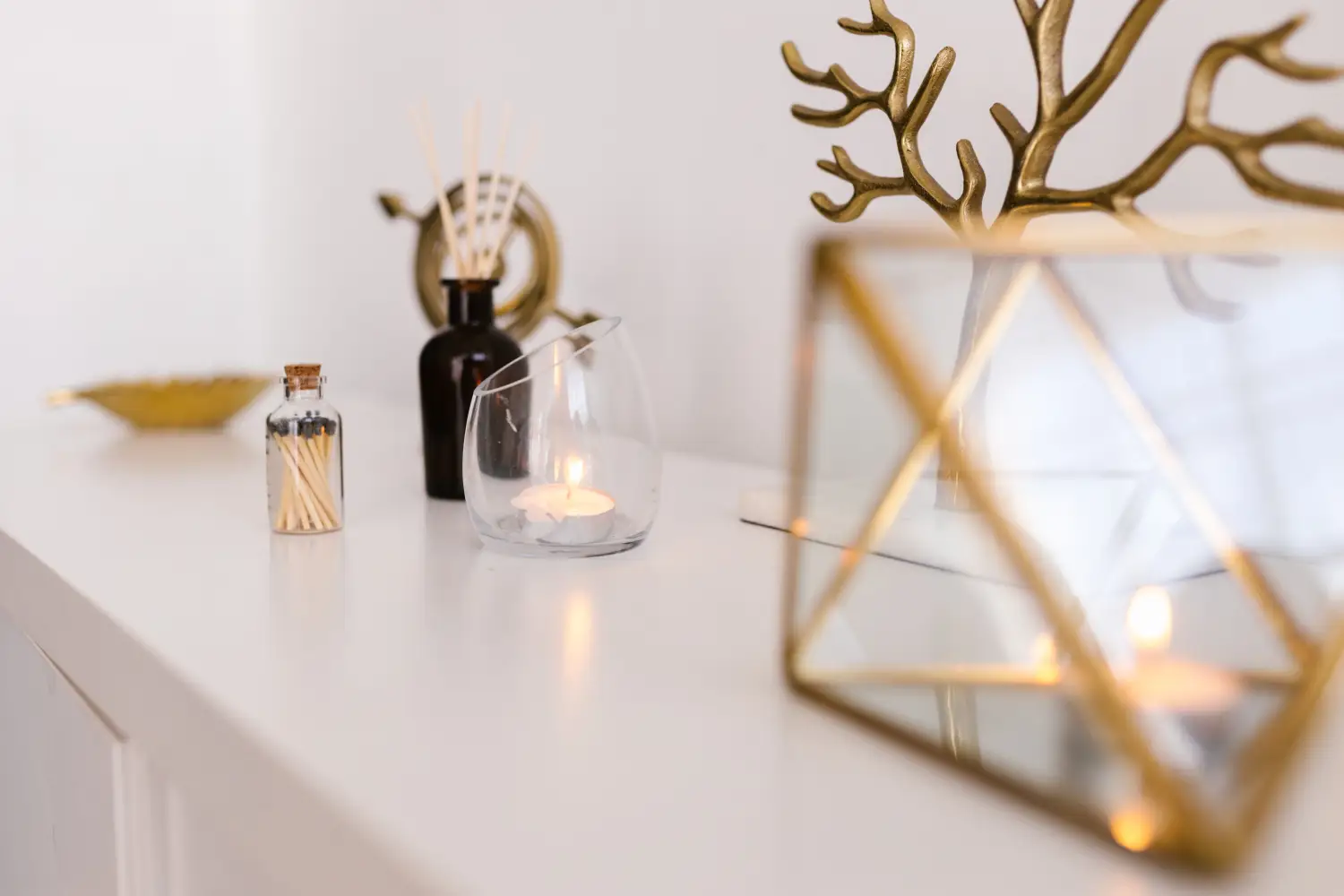
Why the Best Decor Accents Do More Than Look Pretty
See how clocks, trays, and books stack up against vases and sculptures room by room. Learn when function beats pure decoration—and when it doesn’t.

The Budget Habit That Leaves Every Room Half-Finished
Skipping the last 5% of a room budget leaves it feeling undone. See how a $2,000 spend can finally finish a space—without going over budget.
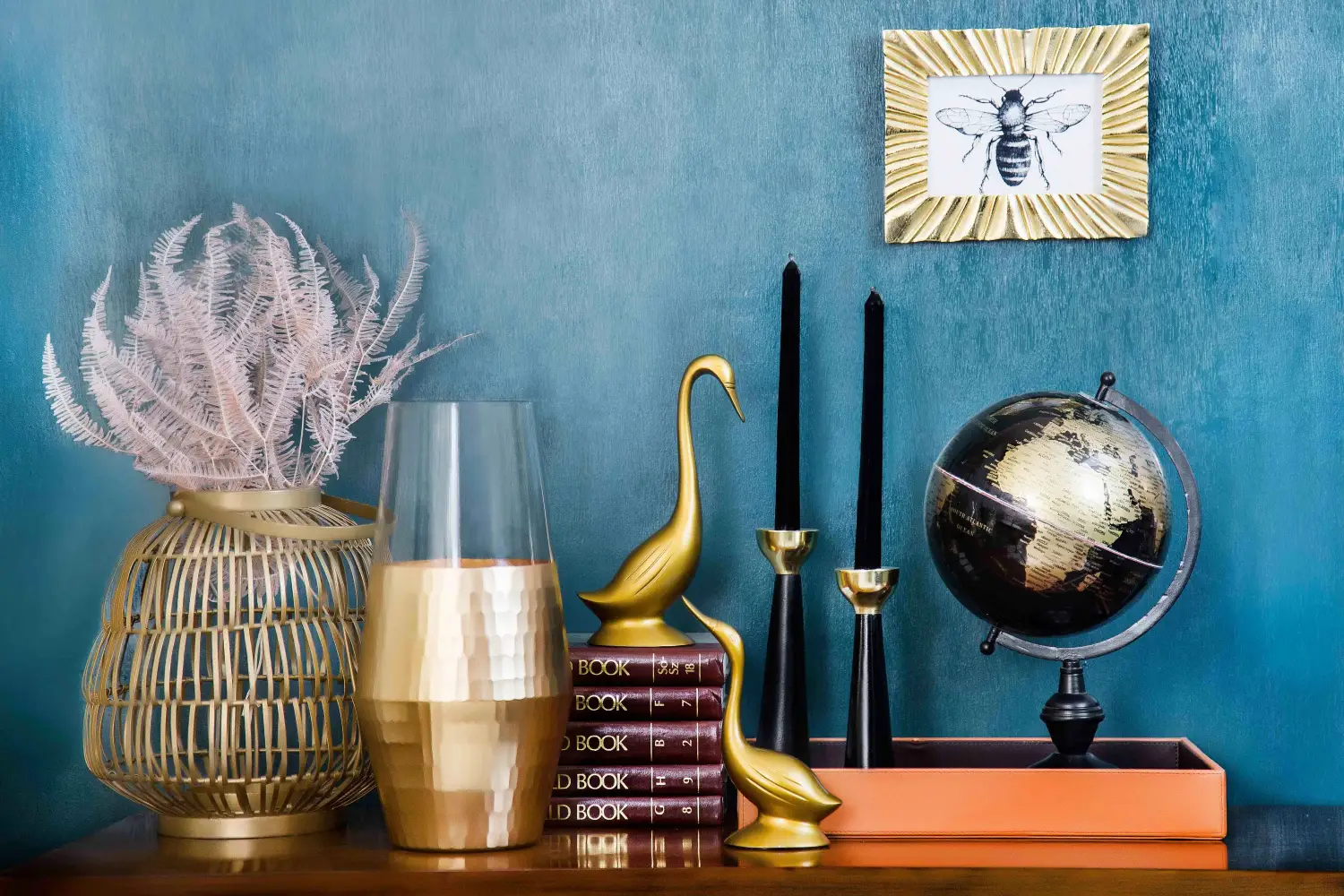
How to Mix Vintage and Modern Accents Without Regret
Pair a mid-century lamp with a rustic side table confidently using one shared material. This simple strategy stops the 'doesn't match' regret every time.
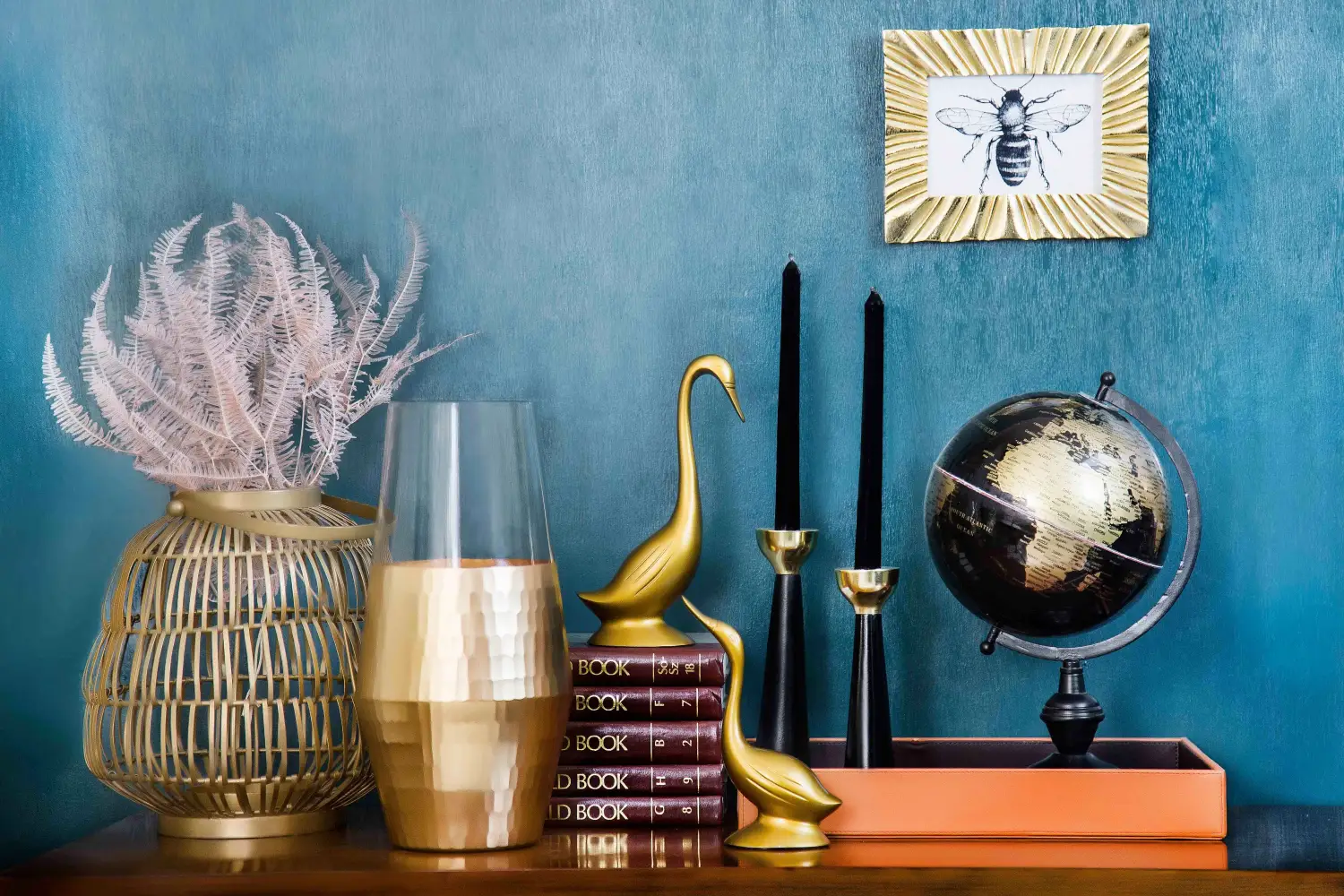
5 Decor Accent Mistakes That Scream 'Amateur' to Designers
Overcrowding, scale mismatch, and too much matchy-matchy ruin a room. Use these 4 accent swaps to fix the 5 mistakes designers notice first. See the quick picks.