The 3-Minute Window Test for Flat vs Eggshell Sheen
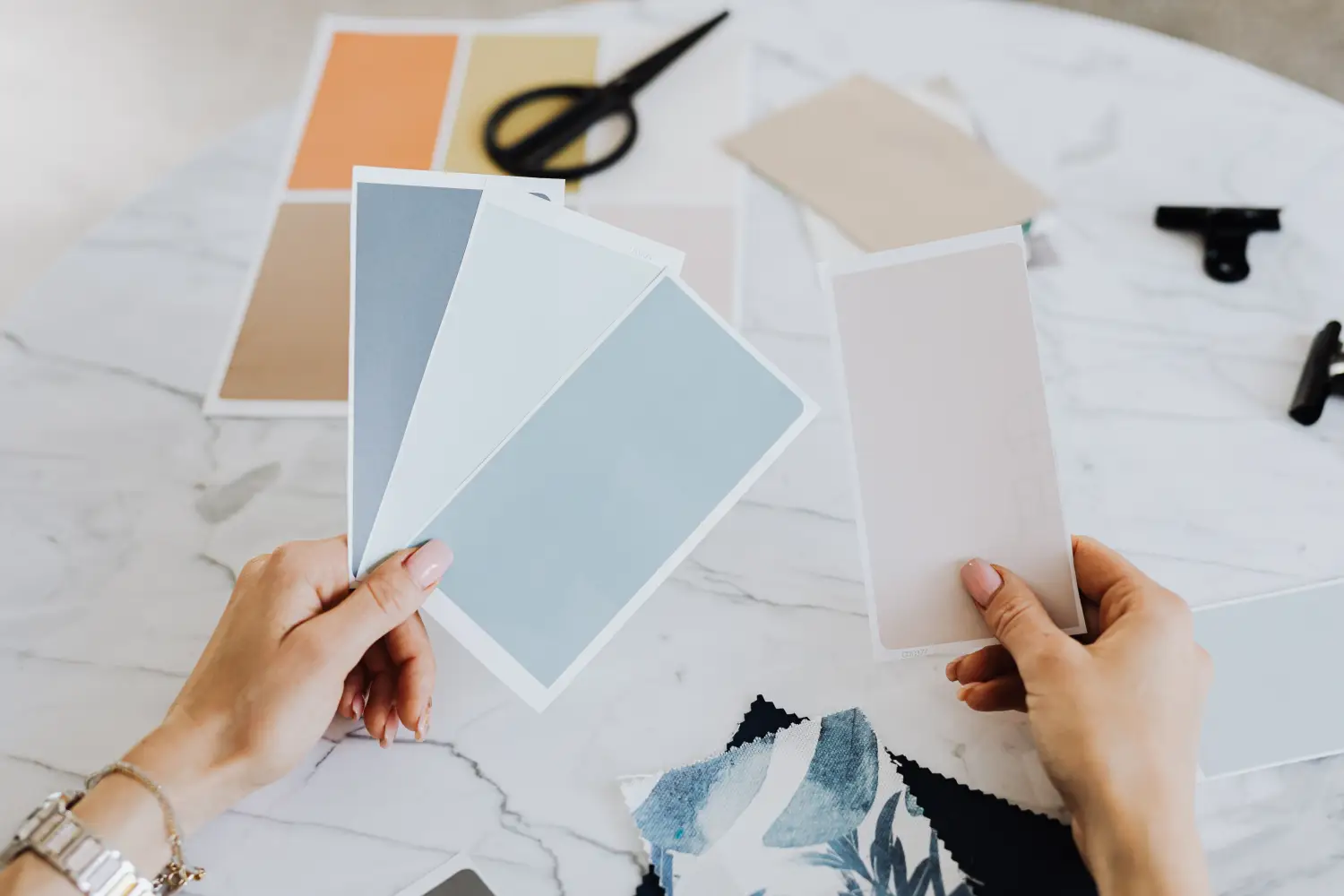
Flat and eggshell paint behave like different materials once daylight hits them. In three minutes, you can hold a sample board beside the room's main window and see exactly how each sheen looks on your walls, under your light, at the time you'll actually use the space. No chart, no showroom memory—just what your eye registers in real time.
Which of These Three Painting Scenarios Is Yours?
You're repainting a living room with imperfect walls. Flat appeals because it hushes bumps and tape lines, but someone told you eggshell is more practical. Your route: build the board, run the test, and watch how flat makes flaws retreat when light skims across the surface.
You're choosing sheen for a kitchen or bathroom and worry about gloss. You know a dead-flat finish can't take steam, yet you don't want a wipe-clean sheen that glares. Your route: use the window test to judge whether eggshell's low luster still reads as calm in your light, then decide if its cleanability matters.
You've brought home a dozen paint chips and still can't commit. Every chip shifts color under store lighting. Your route: the test replaces the stack with a side-by-side you can read once and trust.
Step 1: Build a Two-Sheen Sample Board in Under Five Minutes
Use a scrap of drywall, a stiff piece of cardboard, or a smooth plank roughly 12 by 18 inches. Paint one half with the flat and the other half with the eggshell, same color and brand as the final wall. Roll it on with a mini roller—brush strokes mislead the eye. Let it dry completely; an hour in average humidity is usually enough. When the board feels dry and the two sheens look clearly different under ordinary room light, you're ready to move on.
Step 2: Position the Board at the Window—The Angle That Reveals Everything
The point is to see light rake across the paint the same way it will on the finished wall. Stand next to the room's largest window and hold the board flush against the wall to one side of the glass, at normal eye height. Tilt the board away from the glass just enough for daylight to graze the surface, not blast it head-on. Run this step at the hour the room is most active—morning for a breakfast corner, late afternoon for a west-facing family room. You'll know you're ready when you can clearly see a path of light traveling over the wall's texture.
Step 3: Read the Light—Two Observations That Matter More Than a Sheen Chart
First, watch how each sheen handles drywall flaws. Flat paint absorbs that low-angle light and practically erases patches, tape joints, and roller stipple. Eggshell throws back a faint gloss that picks up every ridge. Neither result is a problem; it's simply what happens under your window.
Second, note any color shift. On an east or west wall, flat holds its color more steadily from morning to afternoon; eggshell can look slightly brighter or more reflective as the light angle changes. Step away for an hour, then come back. When one half of the board feels undeniably right in that light, you're done observing.
Step 4: Commit—When the Window Test Decides, and When You Need More Data
If one sheen wins on texture and color in your key light, that's the answer. Buy the gallon. When the difference is too fine to call, bring in the room's job. A hallway that sees dirty hands rewards eggshell's wipe-down tolerance. A ceiling that never gets touched rewards flat's defect-hiding power. But function enters only after the visual test, never ahead of it. You've finished the test when your choice comes from the light you watched, not from a generic sheen rule.
Readiness Signs Recap
- The sample board is dry and the two sheens are plainly distinct.
- You've held the board so daylight skims the surface and reveals the wall's texture.
- You observed how flat softens imperfections and eggshell announces them.
- You saw the color at the room's most-used hour and felt a clear preference.
- You've locked in a sheen based on that window-side observation, not on a pamphlet chart.
Washability, Durability, and Other Worries That Can Wait
Jumping straight to scrubbability puts the cart before the wheel. Sheen first defines how the room reads visually; durability just governs how it holds up. If the window test says flat looks right, you can use it in a powder room with good ventilation and a gentle cleaning habit. The moment washability should become the deciding factor is straightforward: the room faces daily water spray or sticky hands. Before that, it doesn't earn a vote.
Worrying about eggshell showing brush marks or looking uneven at night? That only matters if the daylight test left you undecided. Fix lighting after you settle the sheen. And the claim that eggshell's gloss makes a small room feel larger is a lighting theory, not a law. Trust the board in your own window.
Common Questions About the Flat-vs-Eggshell Dilemma
Can I use flat paint in a bathroom if I have good ventilation?
Yes, if the exhaust fan is strong and you're willing to wipe splashes occasionally. Flat will endure; it just won't survive repeated hard scrubbing the way eggshell can.
Does eggshell paint show more roller marks than flat?
It does. The light sheen catches grazing daylight and highlights every ridge and overlap, particularly on poorly primed drywall. The window test reveals this in seconds.
How does the window test compare to testing paint directly on the wall?
Painting a patch on the wall works but locks you in; if you change your mind, you're priming over it. A sample board gives an identical reading without the extra work or leftover patch.
What if my room has no window? Can I still use this test?
Yes, but substitute the room's main artificial light. Hold the board under the ceiling fixture or floor lamp that will illuminate the space, angling it the same way you would with daylight.
The Moment the Guesswork Ends
Running the window test means you arrive at the paint counter with a decision that already matches your room's exact light and texture. For the most common starting point—a living room with north-facing windows and some wall flaws—make a sample board today and test it in the soft, steady light of morning.

Clara Bennett
After five years of transforming my 1920s bungalow room by room, I’ve refinished floors, hung blinds in bay windows, and spent more time choosing light bulbs than I’d like to admit. I learned paint sheens by painting my kitchen ceiling three times, and I found out the hard way that a rug too small makes a room feel unfinished. I believe every home can be both functional and beautiful, no matter the budget.
Related posts
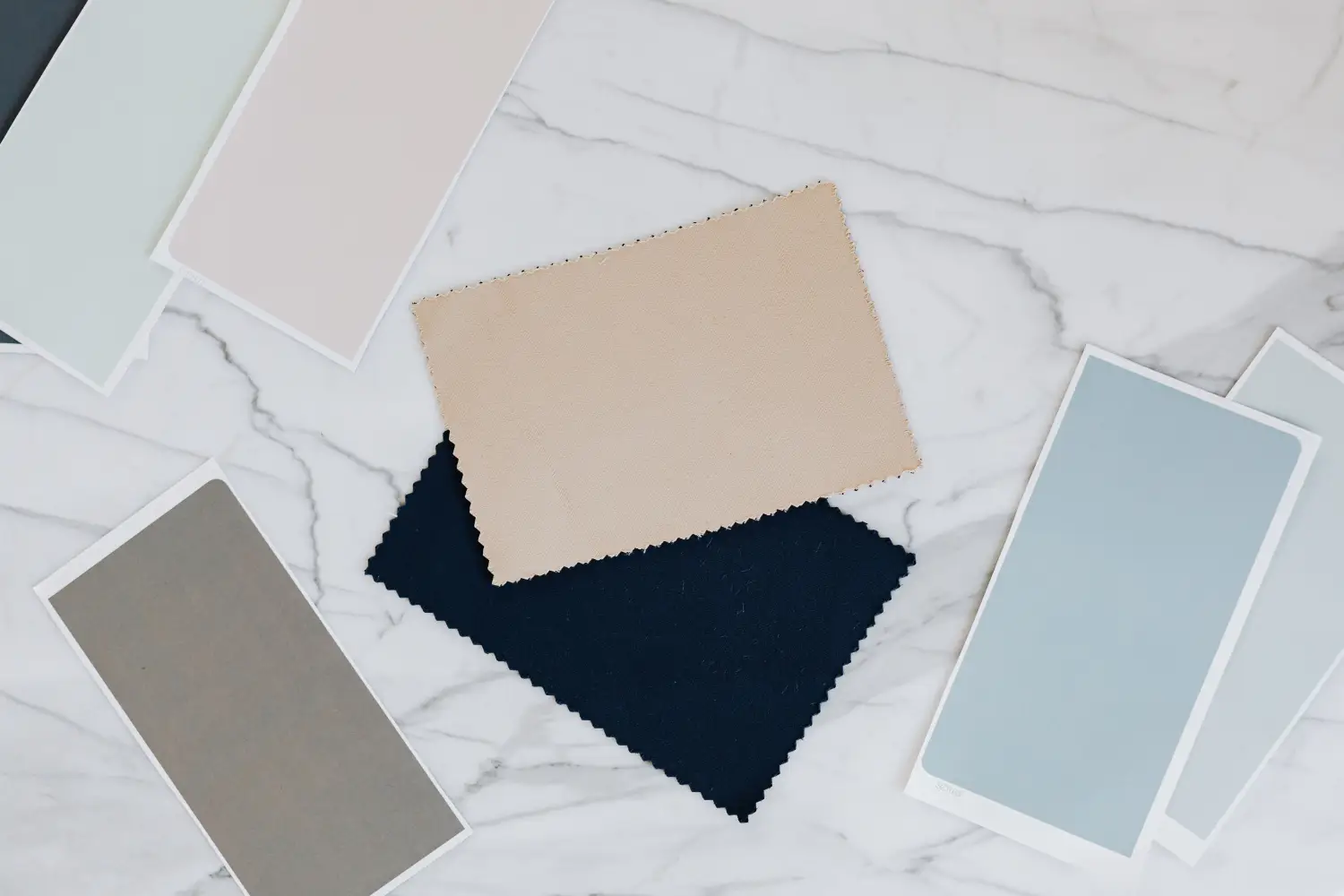
Flat vs Eggshell: Why 'Always Eggshell' Is a Mistake
Eggshell isn’t always the upgrade. See which rooms actually work better with flat paint — and why wall condition, light, and cleaning needs decide the winner.

Why Families with Kids Choose Eggshell Over Flat Paint
Families with kids need paint that can take a beating. See why eggshell wins for scuffs, moisture, and cleaning — and when flat paint won't hold up.
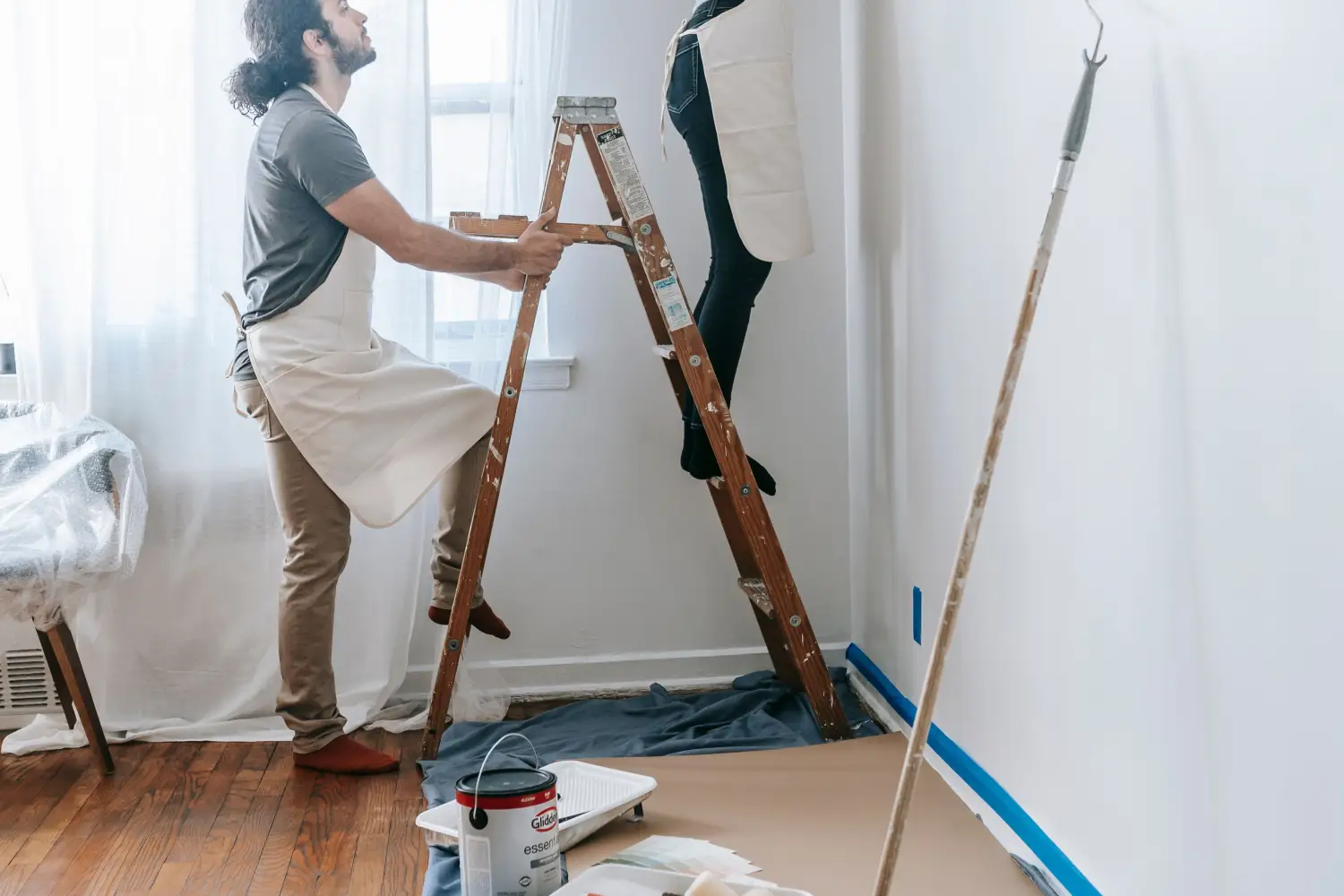
Flat Paint Can Hide Wall Flaws: A Room-by-Room Guide
Flat paint hides dents, seams, and uneven texture when matched to the right room. Learn to choose sheen based on wall condition and traffic, not trends.
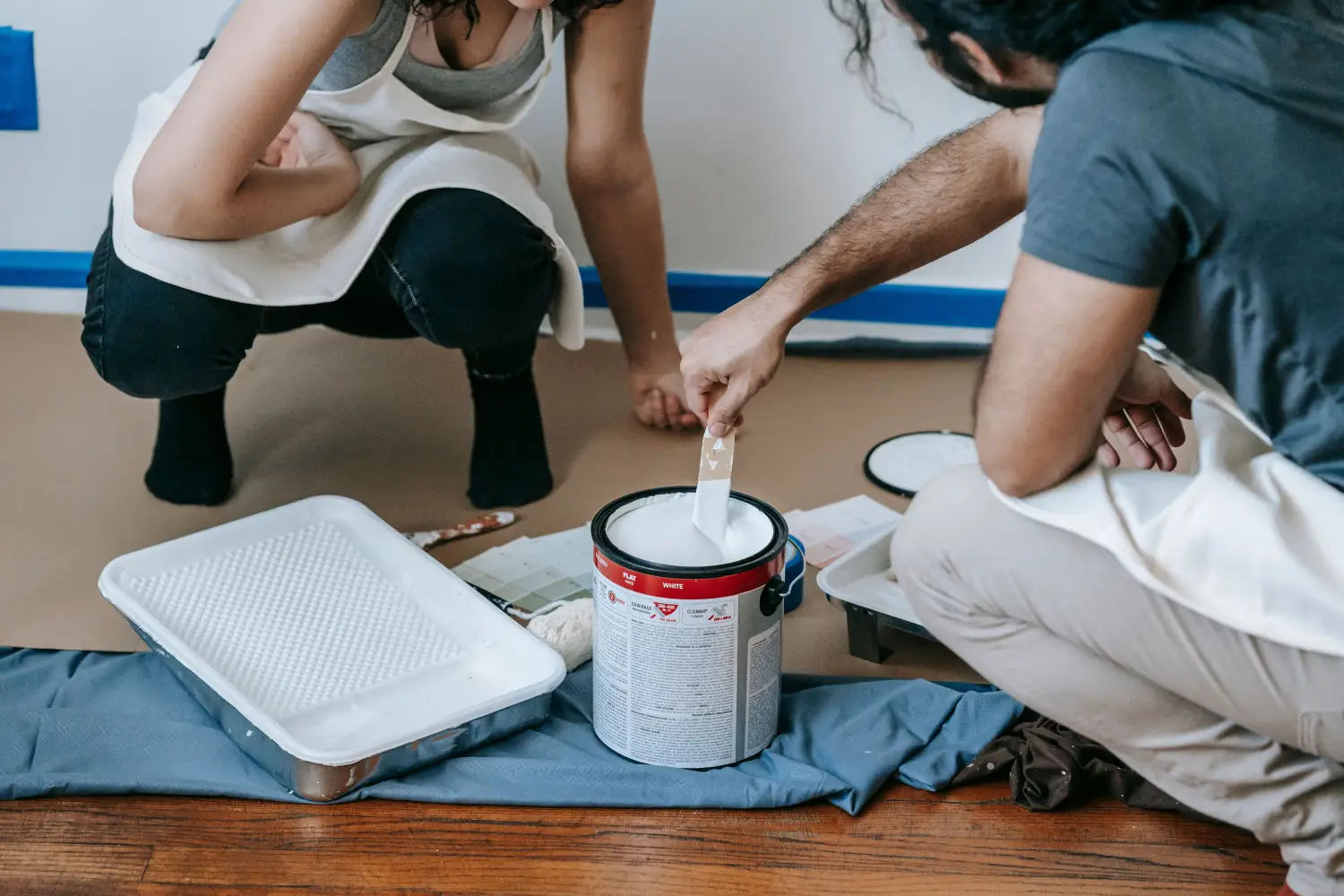
One Trick Painters Use When Mixing Flat and Eggshell
Turn leftover flat and eggshell into a design tool. Learn how to mix sheens to create visual depth and guide the eye—no color change needed.
Pros Never Use Eggshell on Ceilings Without This Check
Eggshell on a ceiling only works if the surface is near-perfect. Learn the inspection step pros use, when eggshell makes sense, and when flat is the only right call.