Flat vs Eggshell: Why 'Always Eggshell' Is a Mistake
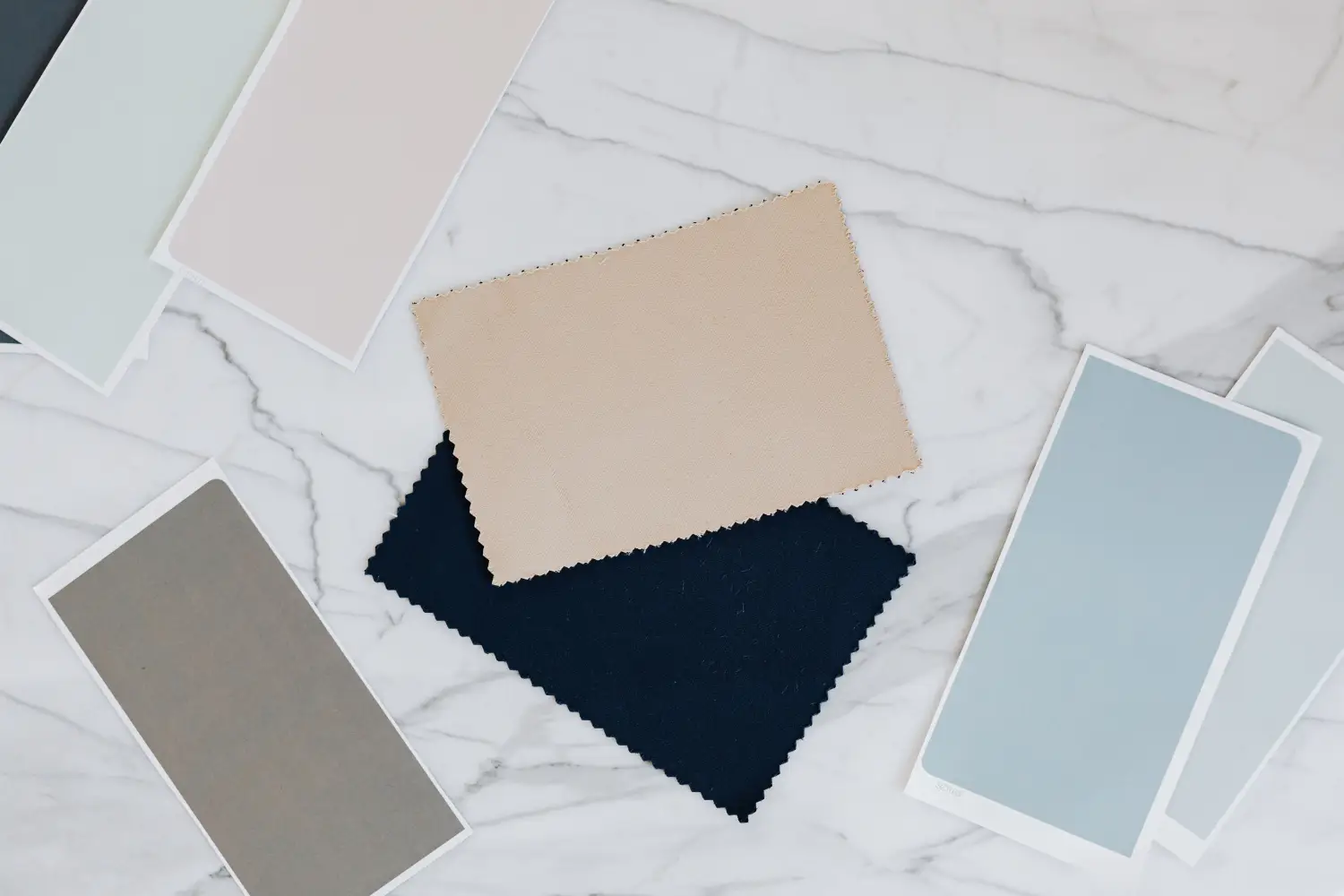
Most homeowners reach for eggshell because someone told them flat looks cheap or eggshell is the upgrade. That habit costs you in rooms where flat would have been the smarter call. Sheen isn’t a ladder you climb; it’s a tool you match to what the room actually demands — the light it gets, the traffic it sees, the condition of the drywall. The real win isn’t the paint finish. It’s that you stopped mistaking convention for function.
The Real Winner Depends on the Room
| Scenario | Winner | Why |
|---|---|---|
| You need to hide drywall seams, uneven texture, or old repair patches | Flat | No light reflection to outline bumps and waves |
| You need a finish that handles scrubbing — kitchen backsplashes, bathroom walls, mudrooms | Eggshell | That slight sheen creates a surface that releases grime instead of absorbing it |
| A room gets strong natural light that creates glare on painted surfaces | Flat | Eggshell reflects enough light to turn sunny walls into a mirror |
| You want the deepest, truest color — especially darker shades | Flat | Because it scatters less light, the pigment stays rich instead of washed out |
| You’re painting a room that stays damp or sees frequent condensation | Eggshell | Flat paint absorbs moisture and can stain or bubble over time |
When Your Walls Have Flaws to Hide
Flat paint wins, and it’s not close. Even the mild luster of eggshell throws enough reflected light to highlight every joint, patch, and wave. Under a window’s side light or a lamp aimed at the wall, eggshell turns those small imperfections into obvious shadows. Flat paint diffuses light in all directions, so the surface looks smoother than it actually is. The price you pay is cleanability. Flat can’t handle scrubbing without burnishing or leaving a mark. For bedrooms, dining rooms, formal sitting rooms — spaces you clean rarely — that’s a trade-off that makes sense. If the room demands regular wiping, flat is the wrong finish.
When Cleaning Matters More Than a Perfect Appearance
Eggshell takes this outright. The binders that produce the sheen also create a surface that resists water and stands up to abrasions. You can wipe off spaghetti sauce, crayon, or the dark smudge around a light switch without damaging the paint film. Flat paint’s open surface absorbs stains and lifts with moisture, often leaving a lighter patch or a scuffed area after cleaning. In kitchens, full bathrooms, laundry rooms, and any space you scrub monthly or more, eggshell is the functional minimum. The tough part: those same rooms, if they have sketchy drywall or strong raking light, will show every flaw that flat would have hidden. That trade-off is real, but in a room that demands cleanability, flat simply isn’t an option.
When Harsh Light Turns Paint Into a Glare Source
Flat paint is the answer. In sunrooms, living rooms with big south-facing glass, or anywhere recessed lights splash directly onto a wall, eggshell creates a sheen band — a shifting patch of glare that moves with you and highlights every roller lap. Flat absorbs light instead of bouncing it, so none of that happens. The color stays consistent no matter where you stand. You give up easy cleaning, but in a room defined by light, that’s nearly always the right sacrifice.
When You Want the Paint Color to Look Like the Swatch
Flat paint produces truer, more saturated color. Light scatters in many directions off the surface, so your eye sees the pigment, not a reflection. A deep navy or charcoal will appear darker and richer in flat than in eggshell, where the slight gloss lightens the perceived color by a noticeable half shade. This matters most in rooms with limited natural light — powder rooms, studies — where eggshell can drain the drama out of a bold color. The catch is still the same: cleanability. But if the goal is that color-drenched, high-design look, flat delivers it.
Where They’re Basically the Same: Stop Weighing These
A few points don’t deserve any more of your attention:
- Coverage and hide: Quality flat and quality eggshell from the same line cover comparably. Neither consistently requires an extra coat.
- Adhesion and primer needs: Sheen doesn’t change how well paint bonds to properly prepped drywall. Primer requirements follow the surface, not the finish.
- Dry time and odor: Within the same paint family, recoat windows and VOC levels are virtually identical between flat and eggshell.
- Color availability: The full fan deck mixes in both bases. You lose zero color options by picking either.
- Cost per gallon: The price gap, if one exists, rarely tops five dollars and won’t make a meaningful difference across a couple of rooms. Function should drive the call, not this.
If your decision is circling one of these, move on. The answer lives in what the room does to the paint after it’s dry.
The Two Lines You Can’t Cross: Absolute Deal-Breakers
Flat is instantly disqualified if:
- The room generates frequent splashes, steam, or grimy hands (kitchens, full bathrooms, kids’ playrooms).
- You anticipate cleaning the wall with anything wet more than once every couple months.
Eggshell is instantly disqualified if:
- The wall surface has visible patches, compound lines, or texture inconsistencies that will catch raking light.
- The room is dominated by large windows, skylights, or wall-wash lighting that turns even moderate sheen into a glare issue.
- You are painting a ceiling, especially one with any imperfections; eggshell on a ceiling bounces light in a way that highlights every joint and nail pop.
Price Is Not the Reason to Switch
Flat paint can cost a dollar or two less per gallon than eggshell from the same line. Over a few rooms, that’s barely lunch money. The real expense comes from choosing wrong and repainting — living with burnished marks on flat walls or staring at highlighted defects under eggshell. Use the small price gap as a tiebreaker only if both finishes genuinely could work, say in a low-traffic guest room with smooth drywall. Never let it override a functional deal-breaker.
Common Questions Homeowners Ask Before They Paint
Can I mix flat and eggshell to get a custom sheen?
No. Paint sheens don’t blend evenly because they depend on precise ratios of binders and flattening agents. Mixing them produces an inconsistent, often blotchy finish that won’t clean or look like the in-between sheen you wanted. If you need something between flat and eggshell, that’s matte — a separate product in most paint lines.
Will eggshell make a small room look bigger?
Not in any meaningful way. The tiny bump in light reflection isn’t enough to perceptibly open up a space. Color and lighting control perform that job; the sheen difference between flat and eggshell in a small room is subtle at best.
Can I use eggshell on ceilings?
It’s not recommended. Ceilings almost always show more imperfections than walls — joist shadowing, drywall seams, slight waves — and eggshell’s sheen catches those under light. Flat ceiling paint is the standard because it visually disappears and doesn’t draw attention upward.
Why does my eggshell paint look different on two walls in the same room?
The angle of light hitting the surface changes how much sheen you see. One wall gets full window light and appears lighter and glossier; the opposite wall stays in shadow and looks flatter and darker. Eggshell intensifies this because it reflects directional light. Flat paint, scattering light diffusely, reduces those differences.
The One Question That Actually Matters
For most American homes, the most common painting scenario — a living room or bedroom with average drywall and modest traffic — lands squarely on flat paint, because wall condition and comfortable light outweigh deep cleaning. Before you pick up a gallon, ask this: "What is this room actually going to do to this paint — expose it to water, greasy hands, and constant wiping, or just sit there looking good under shifting light?"

Clara Bennett
After five years of transforming my 1920s bungalow room by room, I’ve refinished floors, hung blinds in bay windows, and spent more time choosing light bulbs than I’d like to admit. I learned paint sheens by painting my kitchen ceiling three times, and I found out the hard way that a rug too small makes a room feel unfinished. I believe every home can be both functional and beautiful, no matter the budget.
Related posts

Why Families with Kids Choose Eggshell Over Flat Paint
Families with kids need paint that can take a beating. See why eggshell wins for scuffs, moisture, and cleaning — and when flat paint won't hold up.

The 3-Minute Window Test for Flat vs Eggshell Sheen
Hold a sample board to your window and see exactly how flat and eggshell look in your room’s light, not the store’s. A 3-minute DIY test that ends the guesswork.

Flat Paint Can Hide Wall Flaws: A Room-by-Room Guide
Flat paint hides dents, seams, and uneven texture when matched to the right room. Learn to choose sheen based on wall condition and traffic, not trends.
One Trick Painters Use When Mixing Flat and Eggshell
Turn leftover flat and eggshell into a design tool. Learn how to mix sheens to create visual depth and guide the eye—no color change needed.
Pros Never Use Eggshell on Ceilings Without This Check
Eggshell on a ceiling only works if the surface is near-perfect. Learn the inspection step pros use, when eggshell makes sense, and when flat is the only right call.