Why Families with Kids Choose Eggshell Over Flat Paint
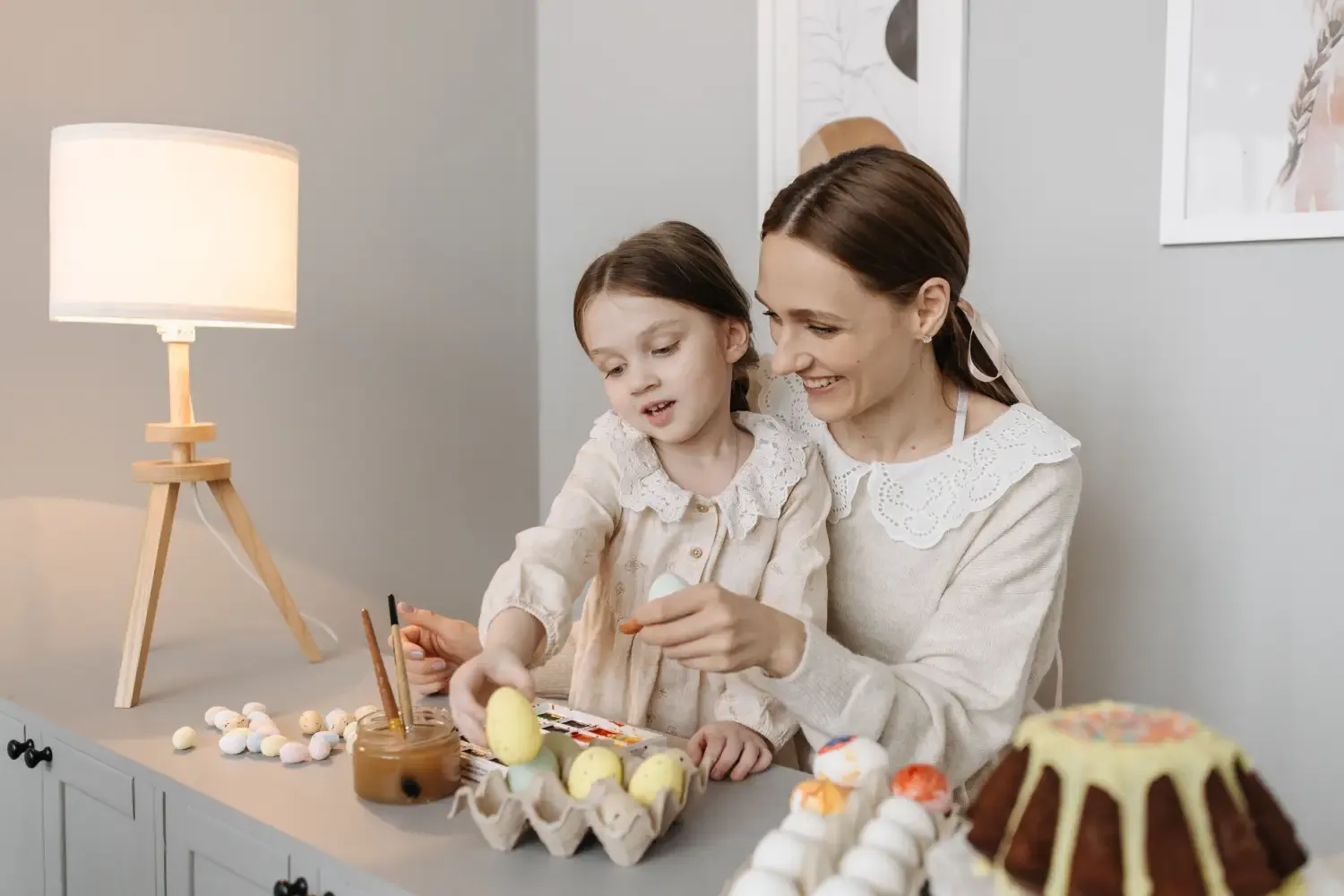
Parents learn fast that walls in a family home are getting tested every single day — crayons, sticky fingers, juice splashes. When paint shopping, the real decision between eggshell and flat comes down to what can hold up through the mess and keep looking decent. For most families with kids, eggshell is the answer because it cleans without stripping away the paint, while flat soaks up stains in ways you can’t reverse.
The point isn’t about gloss level; it’s about how the paint stands up to real family life — the scuffs in hallways, the bathroom steam after bath time, the spaghetti sauce that somehow ends up on the wall. Eggshell’s surface is just sealed enough to resist those moments, while flat paint can’t take more than a dry dusting before it starts to fail. The next time someone questions if the extra few dollars for eggshell are worth it, thinking through a few everyday scenes makes the call obvious.
Verdict by Scenario
| Scenario | Winner | Why |
|---|---|---|
| Walls in a playroom or hallway where little hands constantly touch | Eggshell | Smudges wipe off without removing the paint layer. |
| A child’s bathroom that gets steamy daily | Eggshell | Moisture beads up on the surface instead of soaking in. |
| Cleaning spaghetti sauce or juice off the dining area wall | Eggshell | Stains lift with a mild cleaner; flat paint would smear and dull. |
| Touching up scuffs in a bedroom a year after painting | Eggshell | Color blends in more evenly on a slightly glossy surface. |
| A formal living room that kids rarely enter | Flat | The matte look hides ceiling imperfections and feels elegant. |
When Little Hands Leave Their Mark
Reach down to where a toddler’s hand naturally lands on a hallway wall. Those low zones pick up everything from dirt to crayon wax. Flat paint has a porous, chalky surface that grabs oils and pigments almost instantly. Try to clean it, and the stain has already set; rubbing only creates a shiny patch that catches the light and looks worse than the original smudge.
Eggshell contains just enough binder to create a sealed finish. A damp microfiber cloth with a tiny bit of mild dish soap lifts most marks without changing the sheen. After dozens of cleanings, the wall still looks even. What you sacrifice is that velvet, zero-shine look that flat paint gives. In a long, sunlit hallway, eggshell will show a soft reflection that flat wouldn’t. But in a home where the walls are touched all day, that trade-off means less stress — and zero panicked scrubbing sessions.
When the Bathroom Turns Into a Steam Room
A bathroom shared by several kids runs like a small spa every morning and evening. Steam fills the room, water droplets coat the ceiling, and splashes from the sink are constant. Flat paint in that environment acts like a sponge, absorbing moisture and leaving water streaks that eventually turn into mildew spots or peeling edges near the tub. Within a year, those walls could need repainting.
Eggshell’s tighter surface repels enough water that droplets bead up and can be wiped away before they sink in. It’s not waterproof — a gloss is better for right above the shower — but it handles the day-to-day humidity without failing. The catch is that eggshell can highlight uneven drywall or old patches in a small bathroom with bright vanity lights. Many parents find that acceptable compared to stained, peeling walls that make the room feel unsanitary.
When Dinner Ends Up on the Wall
A dining area with a high chair is ground zero for splatter. Tomato-based sauces, juice, and chocolate milk leave behind stains that seem to set in seconds. Flat paint’s surface pulls those water- and oil-based liquids outward, creating a permanent ring even if you dab it quickly.
Eggshell won’t perform miracles, but it’s far more resistant. Most gentle household cleaners (look for “non-abrasive” on the label) work on eggshell without flashing or lifting color. The process is simple: blot the spill, use the mildest cleaner first, and pat dry. With flat paint, the advice often boils down to “leave it alone,” because any friction changes the finish — advice that’s useless in a home where a toddler eats every meal at the table.
When You Need a Quick Touch-Up
Toys, vacuum cleaners, and the constant shuffle of furniture leave dings on walls no matter how careful the family. A common hope is that flat paint will hide touch-ups easily because there’s no sheen to mismatched. In reality, after any cleaning, a flat wall’s surface becomes uneven — burnished in some spots, pristine in others — so a touch-up patch flashes differently and sticks out. Often the only fix is repainting the whole wall.
Eggshell’s light sheen helps bridge the gap visually. The tiny reflections blend new and old paint, making small touch-ups far less obvious. The technique still matters: use the same paint can, feather the edges, and apply thin coats. But the margin for error is wider. On the flip side, if you need to repaint an entire wall later, eggshell’s sheen does require a full coat to avoid noticeable differences in gloss level.
Where Eggshell and Flat Feel Almost the Same
In some parts of the home, the difference is too small to matter, and that’s a relief.
- Ceilings that never get touched. Both look smooth from below, and nobody ever cleans a ceiling.
- Rooms with very little natural or artificial light. In dim spaces, eggshell’s slight gloss is invisible.
- Closets and storage areas. Neither finish degrades under clothes and boxes.
- The first year of paint. Fresh out of the can, both look great; performance gaps only show with time and use.
In these cases, pick based on price or what’s already in the garage. Don’t stress durability where it won’t be tested.
The Showstoppers: When Only One Will Do
Sometimes one finish is immediately ruled out by a hard requirement.
Eggshell is out if… the wall has significant texture or damage you want to disguise. Flat paint’s light-diffusing quality hides bumps, patches, and trowel marks that eggshell will emphasize. An older home with cracked plaster or a less-than-perfect drywall job might require flat to keep the room looking calm.
Flat is out if… the wall will ever need any cleaning with moisture, even a damp wipe. That means any surface within reach of children, pets, or cooking grease. Once flat paint starts failing, the only option is new paint, not scrubbing.
What About the Price?
Across most brands, eggshell runs about 10–15% more per gallon than the same line’s flat sheen. For a typical child’s bedroom, that might be an extra $15 to $25 for two coats. Over an entire house, the difference is noticeable. However, even one extra repaint of a flat-painted room within five years wipes out that savings. Think of the extra upfront cost of eggshell as an investment in fewer painting weekends down the road.
Quick Answers to Common Questions
Can I use flat paint in a kid’s room and just be really careful?
Flat paint in a nursery or bedroom only works if you accept that many marks will become permanent and that any scrubbing ruins the finish. If the plan is to repaint within two or three years anyway, it’s a reasonable risk. For most families, the ease of eggshell brings more peace of mind.
Does eggshell paint look shiny like satin or semi-gloss?
No — it sits between flat and satin. In normal daylight, it reads as a soft, low-luster finish, not a glossy surface. Only under direct, angled light does a small sheen appear.
How do you clean eggshell walls without damaging them?
Start with plain warm water and a microfiber cloth, blotting the stain. If it needs more, add a drop of mild dish soap, then rinse with a damp cloth and pat dry. Avoid scrubbing pads and any cleaner with ammonia or bleach, which can degrade the paint film.
Will eggshell still look good on an older home’s bumpy walls?
It depends on the irregularity. Minor drywall waves are fine, but deeper cracks or uneven plaster patches will catch light more with any sheen. Testing a small section first can show if more surface prep is needed.
Can you paint eggshell over existing flat paint?
Yes, provided the flat layer is clean, dry, and still bonding well. A primer is recommended, especially over burnished or stained spots, to get even sheen and color coverage.
What This Means for Most Families
In the places where kids eat, sleep, play, and bathe, eggshell is the safer, more durable choice. The question that guides the decision for any room is straightforward: will this wall ever need to survive a damp cloth? If yes, go with eggshell.

Clara Bennett
After five years of transforming my 1920s bungalow room by room, I’ve refinished floors, hung blinds in bay windows, and spent more time choosing light bulbs than I’d like to admit. I learned paint sheens by painting my kitchen ceiling three times, and I found out the hard way that a rug too small makes a room feel unfinished. I believe every home can be both functional and beautiful, no matter the budget.
Comments
I wish I had read this two years ago. We painted our entire downstairs in flat white (so chic, right?) and now every fingerprint from our 2-year-old is a permanent art installation. The hallway near our kitchen looks terrible. Definitely going with eggshell for the repaint.