Mixing Warm and Cool in a Small Room? Avoid This Mistake
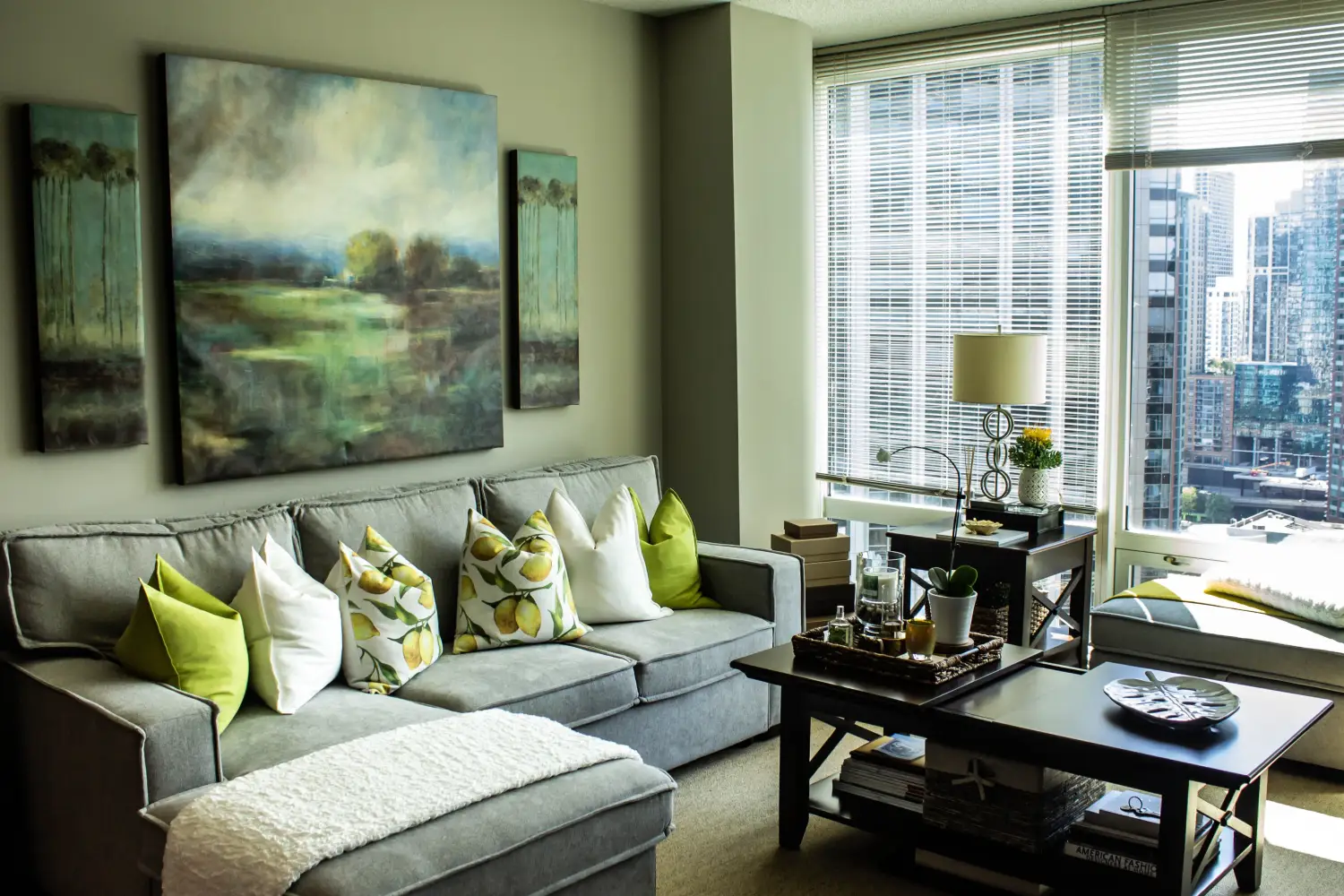
A small room that mixes warm and cool colors without a temperature hierarchy will always feel smaller than it is. Equal weight between the two temperatures creates visual noise, and that noise pushes walls inward. The fix is simple: assign 80 percent of the room to the temperature that matches the room's function, and let the opposite temperature take the remaining 20 percent as controlled accent. This is a temperature-tuning guide — not about color preference, but about making a room do its job.
When Your Small Room Feels Smaller After Mixing Colors
This mistake shows up as a room that looks cramped the moment you walk back in after painting. Colors that looked clean on the chip now clash. The eye bounces from warm to cool with no resting point, and the whole space feels boxed in. The cause is a failure to pick a winner. When neither temperature leads, the brain reads the busyness as clutter, and a cluttered small room always contracts.
Apply the 80/20 Temperature Split in 3 Steps
- Identify the room's primary psychological job. A bedroom used strictly for sleep needs calm — cool wins. A living room used for evening unwinding needs warmth. Decide whether the room should support focus or gathering, and commit to that answer.
- Give the dominant temperature 80 percent of the room's visual weight. Walls, the largest furniture piece, window treatments, and the main rug all stay inside that temperature family — cool or warm — even if shades vary.
- Introduce the opposite temperature as 20 percent accents. A few throw pillows, a small framed piece, a ceramic lamp base. Place them deliberately where the eye should pause, not scattered everywhere. Less than a fifth of the visual mass adds depth without dividing the space.
Why Your Mix Isn't Working — and How to Fix It
The Room's Function Doesn't Match Its Dominant Temperature
This is the most common failure. Warm terracotta walls in a home office undermine concentration because warm colors stimulate, and deep work requires calm. A stark cool gray powder room reads as inhospitable instead of crisp.
To confirm, stand in the room at the time you use it most and notice how you feel after five minutes. If the dominant temperature fights the room's purpose, you have the wrong anchor. Fix: repaint the largest surface — almost always the walls — to a temperature that supports the function. Cool for produce-and-focus spaces (office, laundry, quiet bedroom); warm for gather-and-relax spaces (dining zone, den, kitchen where people linger). If repainting isn't possible immediately, shift the balance with large textiles: a slipcover or wide curtain panel in the correct temperature.
The Accent Temperature Took Over
A warm pop was the plan, but a warm rug, warm curtains, and warm art later, the room reads as more warm than cool. The accent crossed the 20 percent threshold, and now the room fights itself.
Squint and identify which temperature you register first. If you can't name the dominant one instantly, the accent has taken over. Fix: pull out enough accent pieces until the dominant temperature clearly owns 80 percent of what you see. Start with the largest offender — often a rug or bedspread in the wrong temperature — and swap it for something in the dominant family.
Warm and Cool Live in Separate Zones
Painting one wall cool blue and the opposite wall warm sand doesn't create depth — it creates two opposing enclosures that cut the room in half. A small room cannot afford that kind of partitioning.
Walk to the room's center and turn slowly. If the temperature flips sharply from one side to another, you have a zoning problem. Fix: interweave the 20 percent accent. Keep a warm wooden side table on the predominantly cool side, and drape a warm throw across the cool sofa. Distribute small warm touches across the whole room so no patch of opposite temperature forms a solid block.
No Neutral Buffer Between Temperatures
A saturated cool teal next to an equally saturated warm mustard, with no white, cream, gray, or beige between them, creates visual voltage. The eye jumps from hot to cold with no rest, and a small room amplifies that tension.
Scan for neutrals. If the only light value comes from white baseboards and those are the sole meeting point for the two temperatures, the buffer is too thin. Fix: add at least one neutral element that touches both temperatures — a linen lampshade, a pale sisal rug, or a white ceiling. Even continuous white trim between wall color and a bold curtain can interrupt the clash.
Lighting Changes the Color Temperature You Thought You Chose
A paint sample that read perfectly cool under midday sun can turn gray-green under a 2700K bulb at night. Small rooms rarely get enough natural light to anchor the color, so artificial light ends up defining the temperature.
Hang a swatch at least two feet square and view it morning, afternoon, and under every artificial light you use in that room. If the dominant color's apparent temperature shifts significantly, lighting is rewriting your palette. Fix: choose the dominant color under the light that's on most often. A windowless bathroom requires testing under the vanity bulbs; a living room demands testing under the evening lamp arrangement. Swapping a 3000K bulb for a 3500K one can sometimes keep a cool wall from turning muddy without repainting.
When Standard Rules Fall Short
The Room Has No Natural Light at All
Basements, windowless bathrooms, and interior hallways burden any color temperature because there is no daylight to calibrate perception. The 80/20 rule still applies, but you must also control lightness value. A very light cool gray can appear almost white in a windowless space, while a medium warm tan risks looking like a cave. For no-light rooms, choose the dominant temperature based on function, but keep its light reflectance value above 60. The 20 percent accent stays in the opposite temperature but stays pale as well — deep, saturated accents fade into shadow.
The Room Serves Two Conflicting Functions
A studio apartment handles sleeping, living, and sometimes working in the same footprint. The 80/20 rule cannot serve all three perfectly, so you prioritize the function that occupies the most waking hours. If the space is mostly slept in, set the dominant temperature to cool and calm. Use the 20 percent warm accents near the seating area to signal gathering, and rely on lighting zones — a warm lamp over the sofa, a cool task light at the desk — to shift the perceived temperature in different corners.
Prevent the Mistake Before the Paint Can Dries
- Tape a swatch no smaller than two feet square onto the wall and live with it for three full days. Look at it morning, noon, and night before making a final call.
- Next to that swatch, pin a small sample of the opposite temperature accent you intend to use. Observe whether the relationship holds across lighting conditions.
- Apply a physical 80/20 check to every purchase: does this item belong to the 80 percent group or the 20 percent group? If you can't answer, leave it behind.
- Watch undertones. A cool gray with a blue undertone next to a warm beige with a pink undertone will feel more disjointed than two neutrals in the same temperature family, even if the second temperature is technically warm.
Frequently Asked Questions
Can I ever use equal amounts of warm and cool in a small room?
No. Equal amounts create competition, and in a small room, competition reads as disorder. Walls close in when the eye has nowhere to land.
What if I want a bold, high-contrast look?
High contrast in a small room works only when it comes from value — light versus dark — not from temperature. Maintain warm and cool in their 80/20 structure, but make the 20 percent accents extremely dark or saturated so they punch against a light dominant.
Does the 80/20 rule apply to the ceiling?
Yes. The ceiling belongs in the 80 percent dominant group. A warm ceiling in a cool room drags the top of the space downward; a cool ceiling in a warm room feels like a lid. For a contrasting ceiling, limit the experiment to a powder room where you spend minutes, not hours.
How do I decide the right temperature when the room has no clear function?
Look at the adjacent rooms. A hallway linking a warm living room to a cool bedroom can lean slightly neutral-cool to bridge the two without fighting either.
Can I use the 80/20 rule with only one accent piece?
Yes. A single substantial piece — a velvet armchair in the opposite temperature — can carry the full 20 percent, provided nothing else competes with the dominant temperature.
When the 80/20 Rule Still Doesn't Work
If you have adjusted the ratio, swapped the dominant temperature, added neutrals, and tested under every light, and the room still feels wrong, the issue is likely not temperature at all. It could be the scale of the furniture, the sheen on the paint bouncing too much light, or an undertone clash only a trained eye catches. Bring in a professional color consultation — many paint stores offer a one-room session for a flat fee — or use a digital visualization tool to see the whole space at once before pouring another gallon. Sometimes the quickest fix is a second set of eyes on the actual problem.

Clara Bennett
After five years of transforming my 1920s bungalow room by room, I’ve refinished floors, hung blinds in bay windows, and spent more time choosing light bulbs than I’d like to admit. I learned paint sheens by painting my kitchen ceiling three times, and I found out the hard way that a rug too small makes a room feel unfinished. I believe every home can be both functional and beautiful, no matter the budget.
Related posts
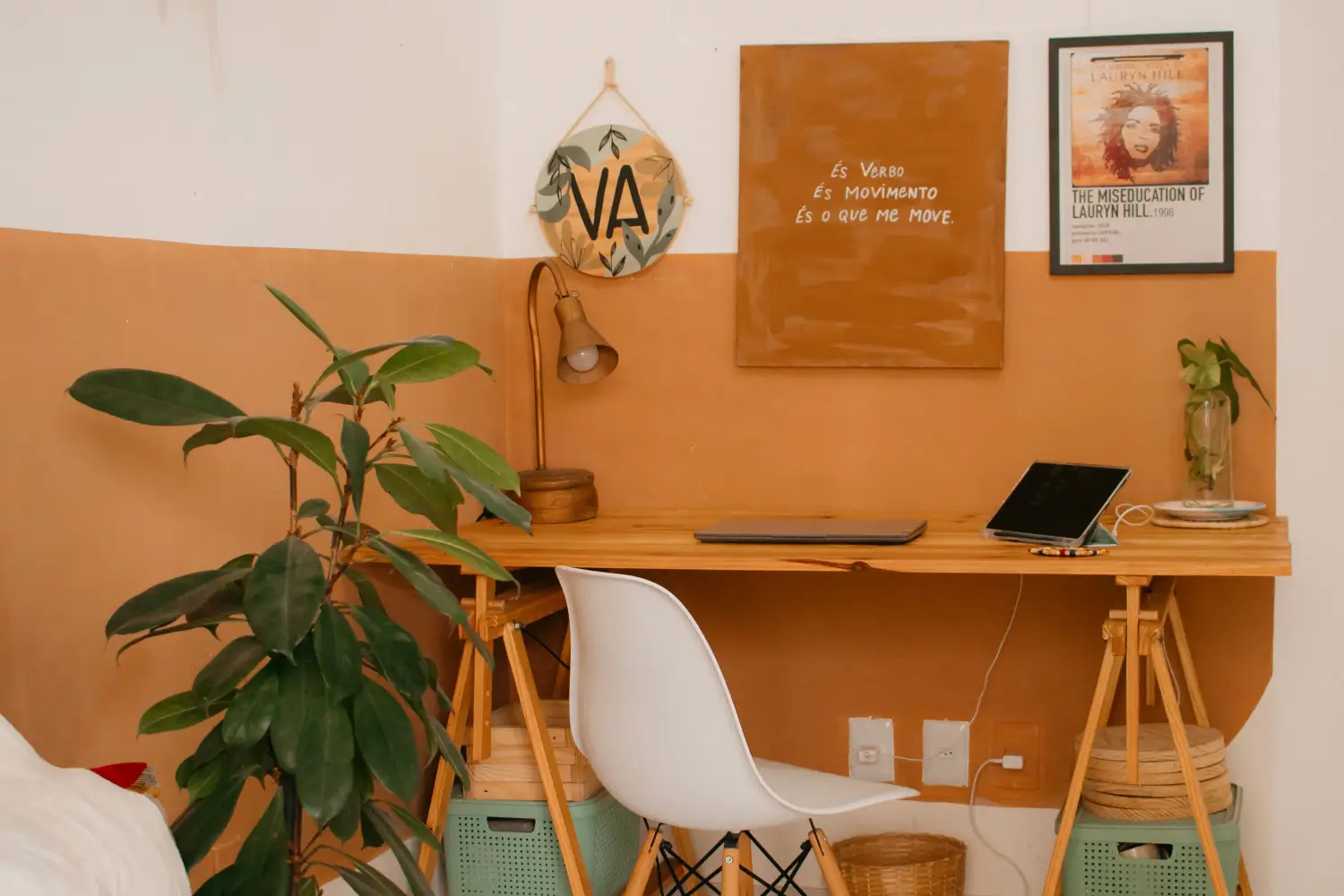
The Overlooked Factor That Makes Small Room Palettes Work
Small room palettes fail when color comes first. Use the Light-Forward 60‑30‑10 Protocol to map light, function, and spatial perception before picking a single swatch.
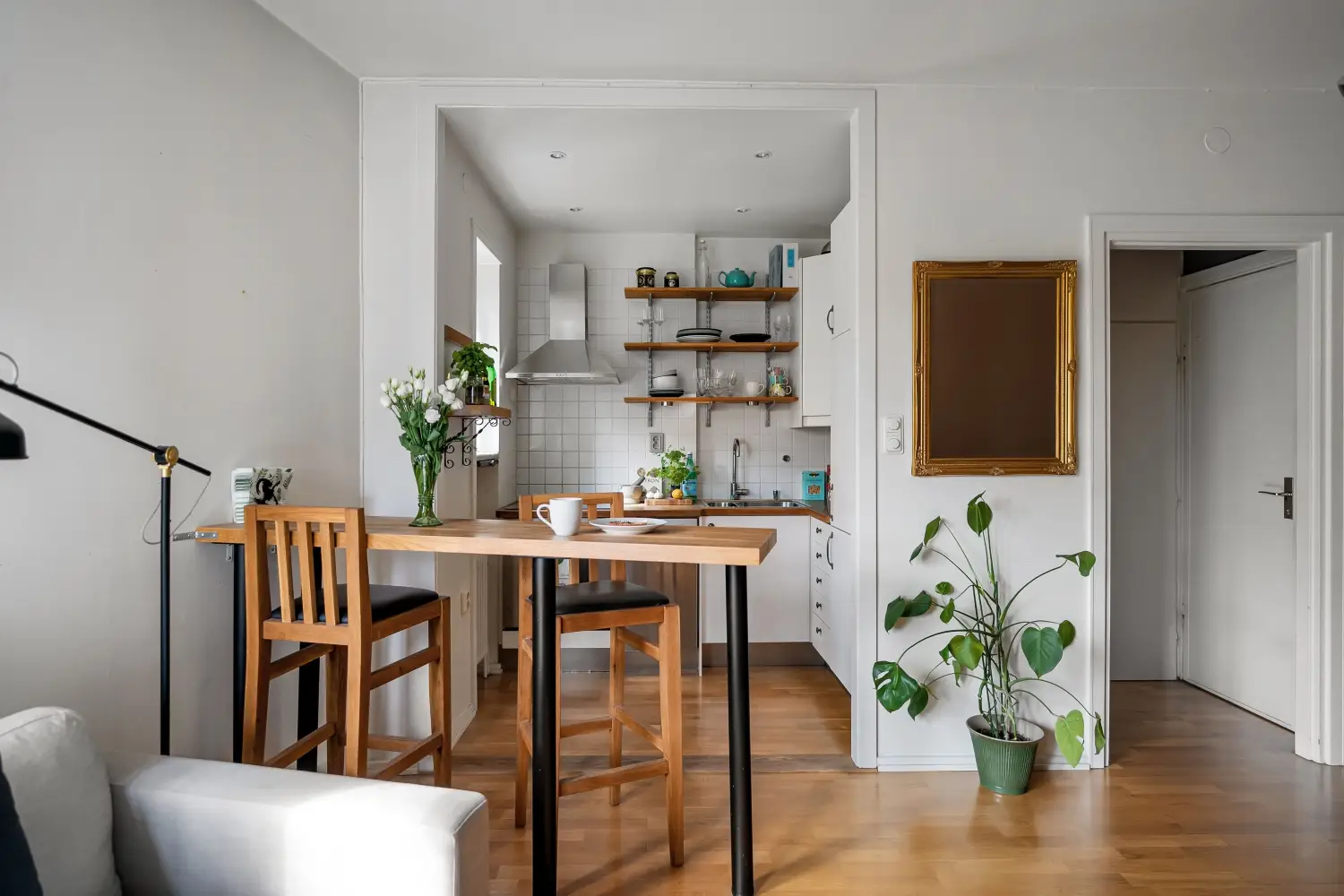
Why Accent Walls Often Shrink Small Rooms (And When They Don’t)
An accent wall can make a small room feel larger or tighter—find out which depends on the room's focal point and shape, not the color you pick.
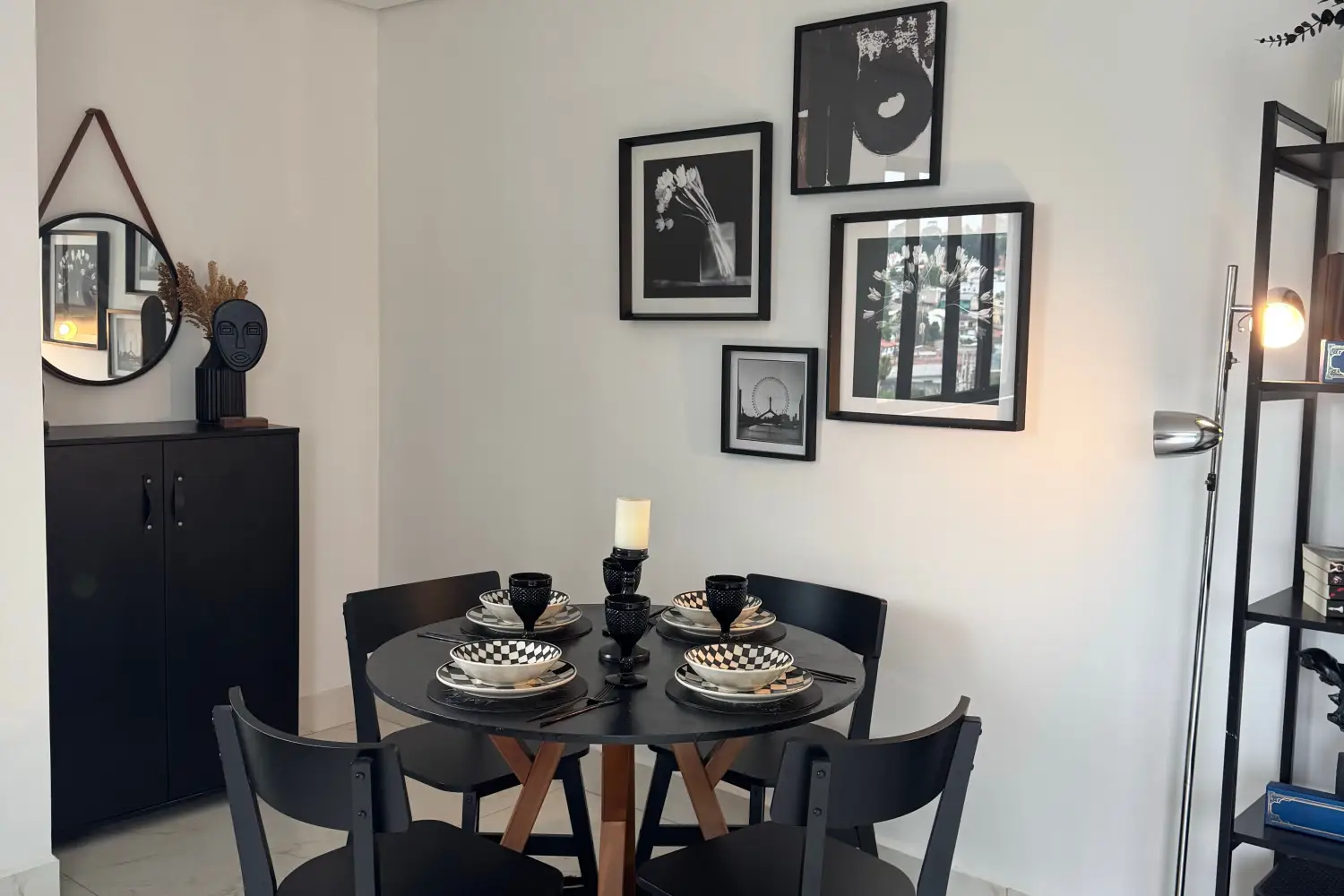
These Monochrome Palettes Actually Work in Small Rooms
Learn the value and sheen tricks that make monochrome small rooms feel spacious, light, and perfectly balanced—without ever looking flat.
5 Small Room Color Mistakes That Cut Your Space in Half
These paint mistakes can make a room feel half its size. From dark ceilings to glossy walls, learn the spatial consequences and exactly which surface to fix for instant breathing room.