Lighting Fixtures for First-Time Homeowners: Where to Start

You don't need a lighting style yet. You need a plan built on how you actually use each room. The framework that follows gives you that: a room-function-driven, layer-based sequence that prevents the disjointed mess of impulse buys and forces whole-house cohesion from day one.
Why Room Function Comes Before Fixture Style
A fixture's appearance is the final decision, not the first. Every room has a non-negotiable job—cooking, sleeping, focusing, socializing—and that job dictates the amount of light required, its placement, and the number of layers necessary. Once you know the function, the fixture choice becomes obvious. You stop guessing whether a hallway needs a pendant or a flush mount because you already know it needs shadow-free ambient light that won't clip tall moving boxes. The hunt turns from stressful to mechanical.
Starting with function also kills the classic first-owner error: buying a dramatic chandelier for one room and discovering the rest of the house now feels like a dark, disconnected afterthought. Whole-home cohesion is a layer strategy problem, not a matching-fixtures problem.
The Three Lighting Layers Every Room Needs
A room lit by a single ceiling fixture is unfinished. You need three layers—ambient, task, accent—deployed in combinations dictated by function. Master these and every room works harder.
Ambient Light: The Foundation
Ambient light sets the room's baseline brightness. It replaces daylight after sunset. Ceiling fixtures, recessed lights, and cove systems provide it. The mistake to avoid is assuming one central fixture does the job; ambient-only rooms feel flat and unwelcoming. Plan for diffused, even light that fills the floor space without dark corners.
Task Light: Where Activity Happens
Task light is directional and brighter, aimed at work surfaces: kitchen counters, desks, mirrors. It eliminates shadows where precision counts. Undercabinet strips, adjustable desk lamps, and vertical bathroom sconces belong here. Skip this layer and the most stylish kitchen becomes a dim, frustrating cave after dark.
Accent Light: The Finishing Touch
Accent light creates depth by drawing attention to art, texture, or architecture. It's the smallest layer but the one that separates a completed home from a bare rental. Picture lights, wall washers, and LED tape behind a headboard are common tools. First-time owners rarely buy accent fixtures at all; they sense something is missing but can't name it. That missing element is always a missing layer.
Grouping Rooms by Their Primary Job
Stop thinking room by room. Grouping by function cuts the number of distinct lighting problems you're solving and locks in a coherent result across the house.
Social Spaces: Living and Dining Rooms
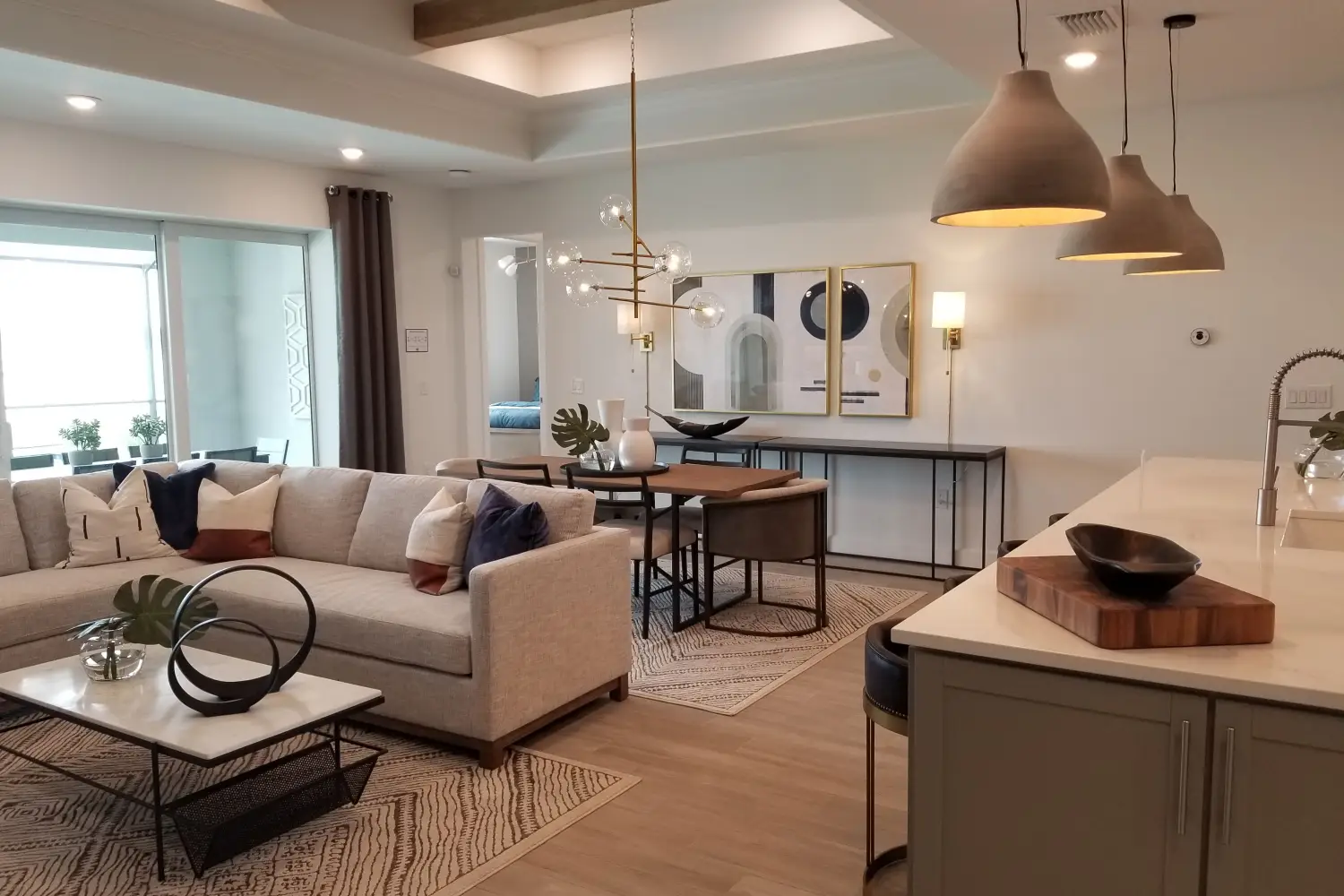
Social rooms need light that shifts—bright and lively for gatherings, low and calm for evenings. Demand at least two layers: ambient from recessed or track lights, and accent or task from floor lamps parked near seating. Dining rooms require a centerpiece fixture over the table that produces strong, dimmable light, plus accent light on a sideboard or artwork so the room doesn't vanish beyond the table's glow.
Task-Driven Zones: Kitchen, Home Office, Laundry
These rooms work hard, so task light is mandatory. Kitchens need undercabinet lighting for counters and a central ambient source. Home offices need an adjustable task lamp positioned to avoid screen glare and enough ambient light to keep the room from feeling like a basement office. Laundry rooms and utility spaces simply want bright overheads and small task fixtures near folding or work surfaces.
Recovery Areas: Bedrooms and Bathrooms
Bedrooms are for winding down. Ambient light should be soft and dimmable; task light appears only at the bedside for reading. An accent wash on the wall behind the headboard adds calm without raising brightness. Bathrooms demand crisp, shadow-free light for grooming—install vertical sconces flanking the mirror or a lighted mirror itself—plus a dimmable ambient layer for baths. These rooms serve two precise functions: clarity in the morning, deep rest at night.
The Purchase Sequence That Prevents Regret
You live in the house while upgrading, so order matters. Buy in this sequence to avoid expensive rework:
- Hardwired ambient fixtures first. Recessed lights, ceiling junction boxes, and wall sconce wiring go in before paint and furniture. These decisions shape everything else. Delay this step and you'll end up buying a costly floor lamp that can never fix a fundamentally dark room.
- Permanent task fixtures next. Undercabinet lights, vanity bars, and hardwired island pendants follow the ambient framework. This is when you confirm specific work zones are properly illuminated.
- Portable and accent fixtures last. Table lamps, floor lamps, picture lights, and plug-in sconces come after the hardwired layers. They're easy to swap, so they offer maximum style flexibility once the functional foundation is solid.
This sequence reduces electrician callbacks and prevents the common disaster: buying a beautiful lamp then discovering the ceiling needs cutting open later.
Three Common Traps and How to Avoid Them
Trap 1: Picking a Fixture for Its Look, Not Its Light
A fixture with an opaque shade or a tiny decorative bulb may look great online but throws almost no usable light. Ask two questions before buying: How many lumens does it produce, and where does the light actually go? If the room needs ambient light, you need wide, diffused output. A narrow-beam pendant won't cut it.
Trap 2: Forgetting Dimmers and Controls
Layered lighting without controls is wasted potential. Put dimmer switches on every ambient circuit—living rooms, dining rooms, bedrooms, even bathrooms. Smart bulbs and plugs add flexibility, but a simple dimmer switch is the cheapest, highest-impact upgrade you can install. It changes how a room feels across the day without any other fixture change.
Trap 3: Matching Finishes Across Every Room
Cohesion is not about identical finishes. A brushed nickel kitchen pendant and a matte black bedroom sconce coexist peacefully if they share a clean silhouette and your house uses a limited metal palette—two, maybe three finishes carried through the hardware and plumbing. Overmatching looks like a catalog order; a subtle thread of repetition is enough.
Quick-Reference Light Layer Guide
| Room | Ambient Source | Task Source | Accent Source |
|---|---|---|---|
| Living Room | Recessed, track, or ceiling fan | Floor lamp near seating | Wall art light, shelf LED |
| Dining Room | Central chandelier or pendant | N/A (the chandelier is the task light) | Sideboard lamp, wall sconces |
| Kitchen | Recessed or flush-mount ceiling | Undercabinet strips, island pendants | Toe-kick or glass-cabinet LED |
| Home Office | Overhead flush mount or recessed | Adjustable desk lamp | Shelving accent light |
| Bedroom | Dimmed ceiling fixture | Reading lamp on nightstand | Wall wash behind headboard |
| Bathroom | Central light or recessed | Vertical sconces beside mirror | Niche or tub accent light |
Questions First-Time Owners Ask
How many lumens do I need in a living room?
Shoot for 2,000 to 4,000 total lumens across all layers. Start with roughly 20 lumens per square foot of ambient light, then add focused task sources near seating or reading spots.
Should I convert all my lighting to LEDs immediately?
Yes. Modern LEDs provide warm, dimmable tones that rival incandescent. Replace bulbs as old ones fail, but choose fixtures that accept standard LED bulbs so you're never stuck with integrated LEDs that can't be swapped when they dim or fail.
Is it okay to mix fixture styles in an open floor plan?
Yes, if there's a deliberate visual link—consistent mounting heights, a shared shape language, or a restrained metal palette. In an open plan, pick one dominant finish for the most prominent fixtures and let small, secondary pieces introduce variation.
When can I skip accent lighting?
Skip it in rooms where you spend minimal active time: a guest powder room used for moments, a laundry area, a walk-in closet. Every other lived-in space gets at least one accent point.
What to Remember Once You're Standing in the Store
- The fixture's job comes first: ambient, task, or accent. Choose accordingly.
- Hardwired items before portables—this eliminates expensive backtracking later.
- Dimmer switches are mandatory, not optional; they're what make lighting layers usable.
- Cohesion lives in silhouette and light quality, not in matching finishes across every room.
Your First Move: A Room-Function Audit
Before you open a browser tab or walk into a showroom, do a walk-through with a notepad. For each room, write down its primary use, the times it's most active, and which layers are missing. That list becomes your purchasing plan. A pricey chandelier won't compensate for a living room with no task light by the sofa, but a $40 dimmable floor lamp will fix it immediately. Lighting succeeds when it works before it decorates.

Clara Bennett
After five years of transforming my 1920s bungalow room by room, I’ve refinished floors, hung blinds in bay windows, and spent more time choosing light bulbs than I’d like to admit. I learned paint sheens by painting my kitchen ceiling three times, and I found out the hard way that a rug too small makes a room feel unfinished. I believe every home can be both functional and beautiful, no matter the budget.
Related posts
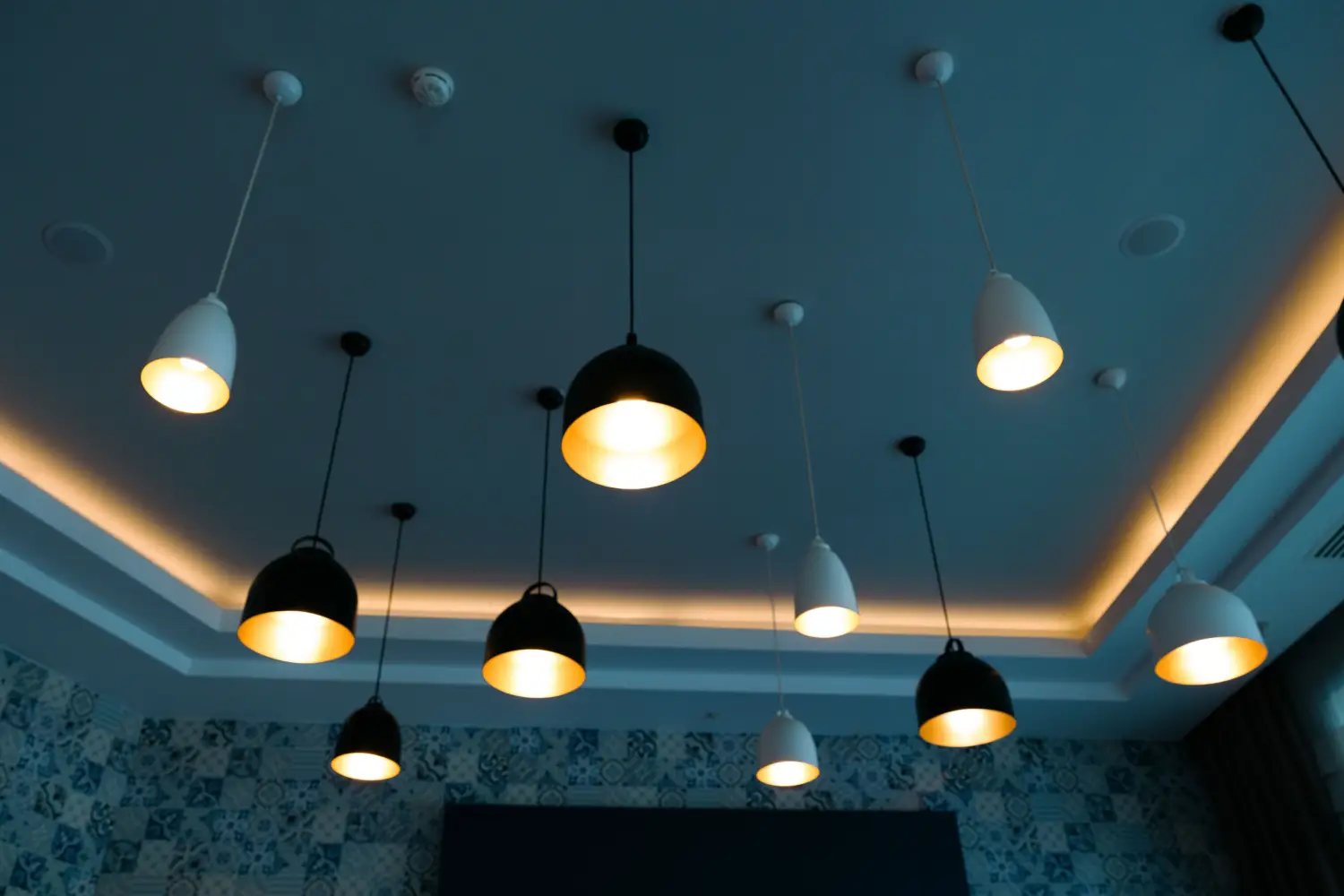
Flush or Semi-Flush? How to Pick the Correct Ceiling Light
Flush or semi-flush ceiling light? Here’s the clearance formula that settles it: ceiling height minus fixture drop must leave at least 7 feet. Rely on the numbers, not guesswork.
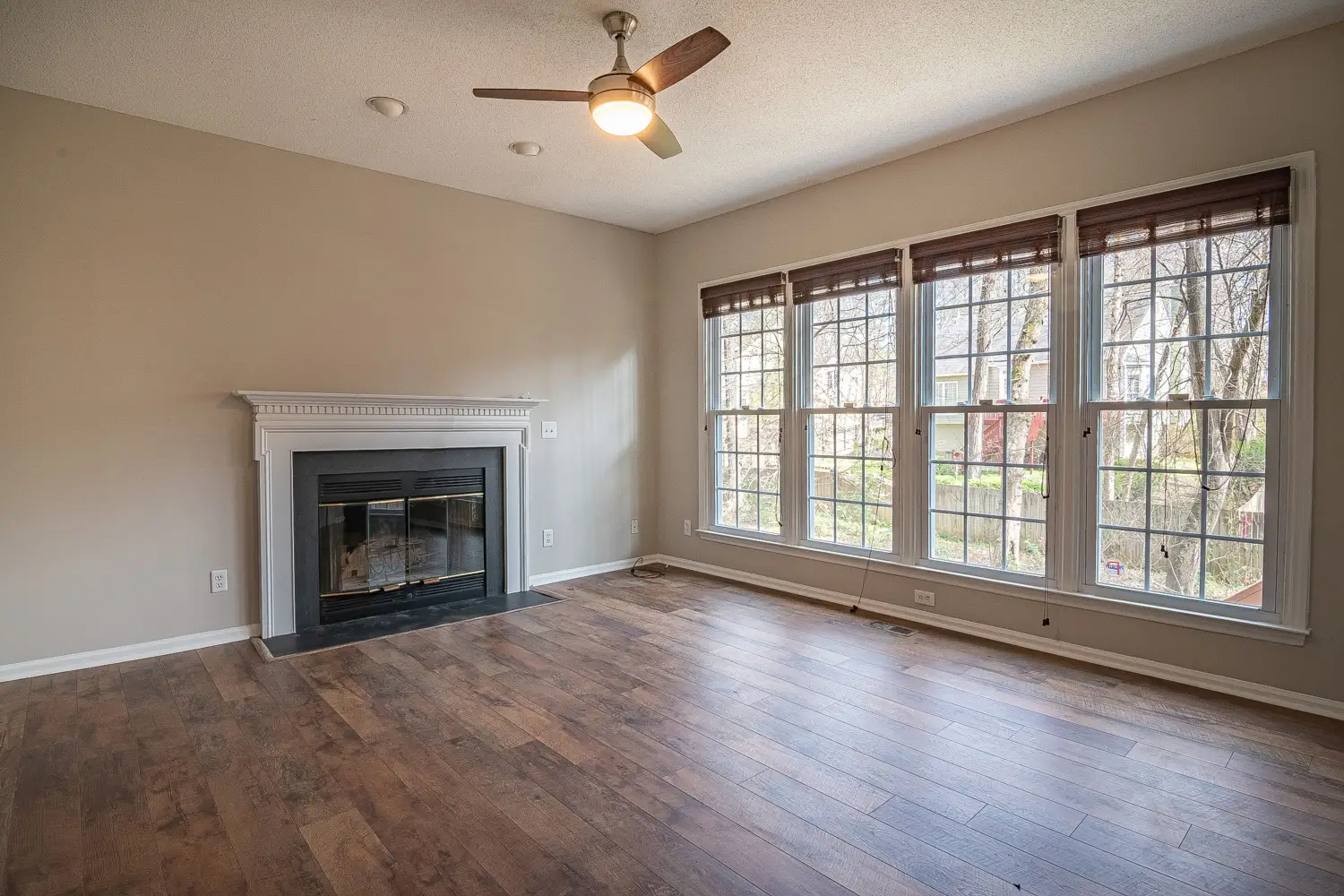
Ceiling Fans with Lights: Stop Guessing Blade Span and Lumens
Stop guessing on ceiling fan size and brightness. Measure square footage, match blade span from our chart, then check lumens. Dark blades lower the ceiling feel.
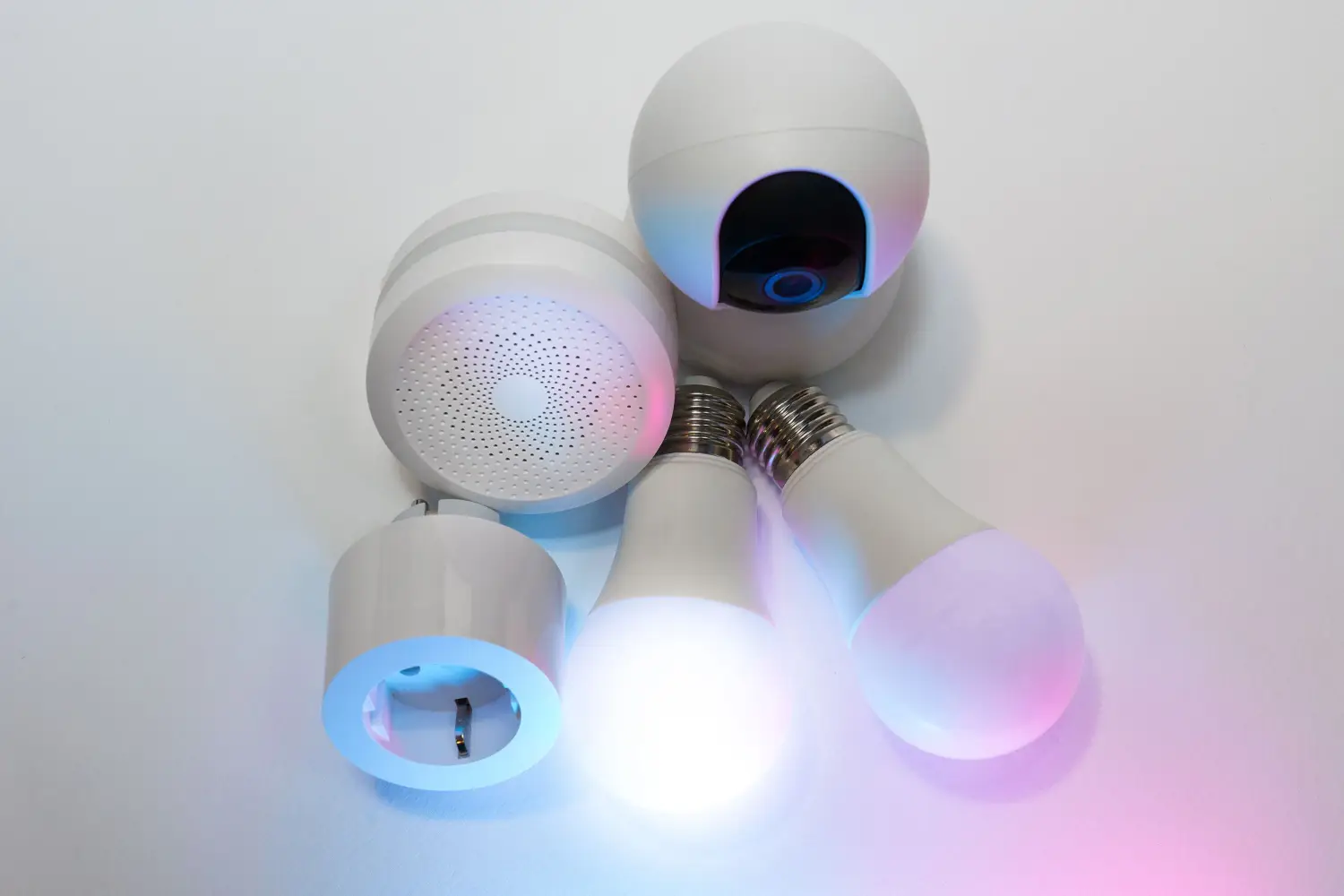
LED vs. Socket Fixtures: 10-Year Cost Comparison
See which option—integrated LED or replaceable socket—costs less over a decade in kitchens, bathrooms, and living rooms. The cheaper upfront choice often isn't.
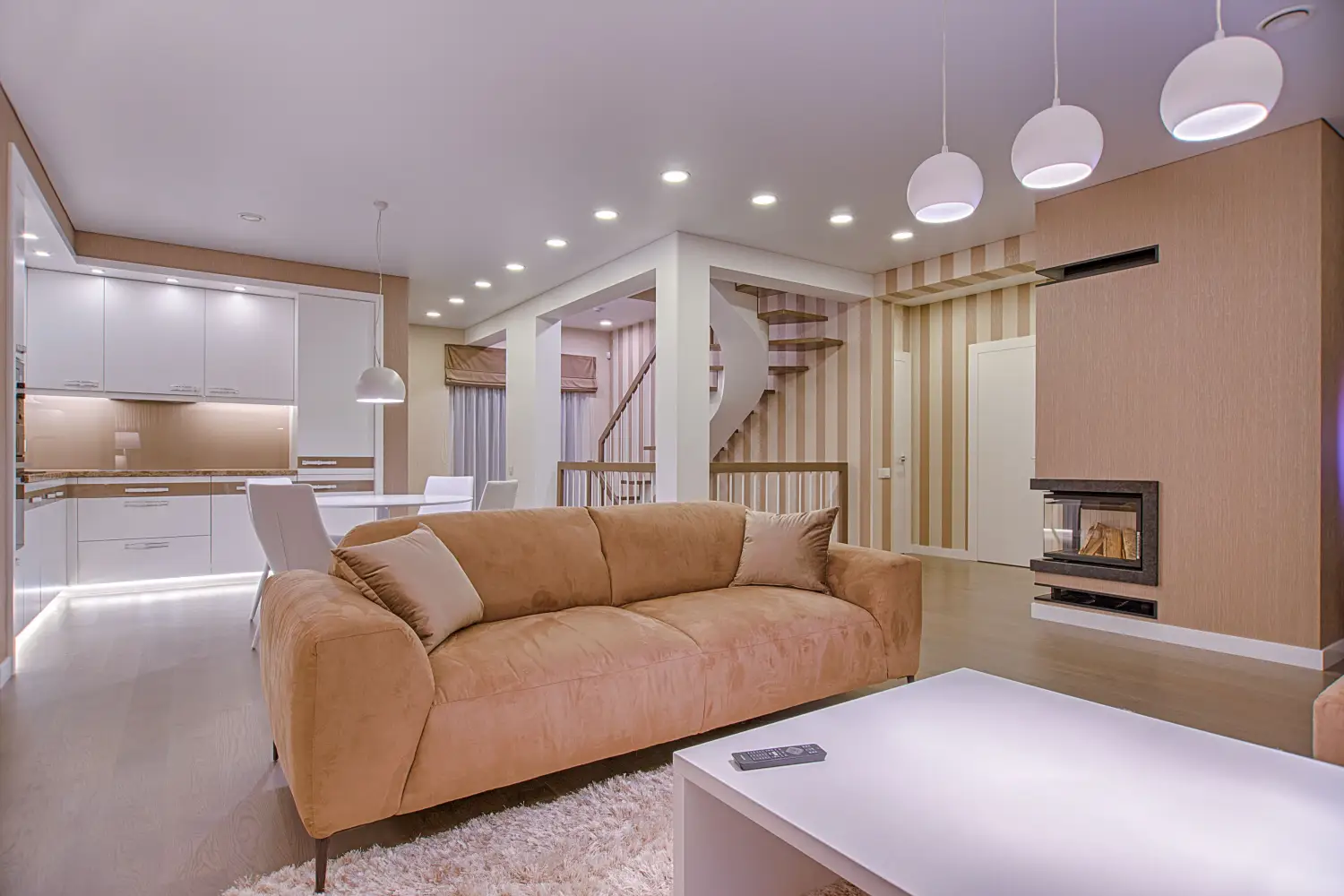
The Lighting Layer Most Rooms Miss (and How to Fix It)
Most living rooms skip the eye-level lighting layer, causing TV glare and dark corners. Learn the 4-stage fix with four real budgets in a standard 8.5-foot room.
Chandelier or Pendant? Height Rules That Make or Break a Room
Exact hanging heights for dining tables and islands, and how visual weight makes one fixture win in open floor plans. Stop guessing and use the measurements that actually work.