How Choosing the Wrong Bathroom Tile Invites a Slip Hazard
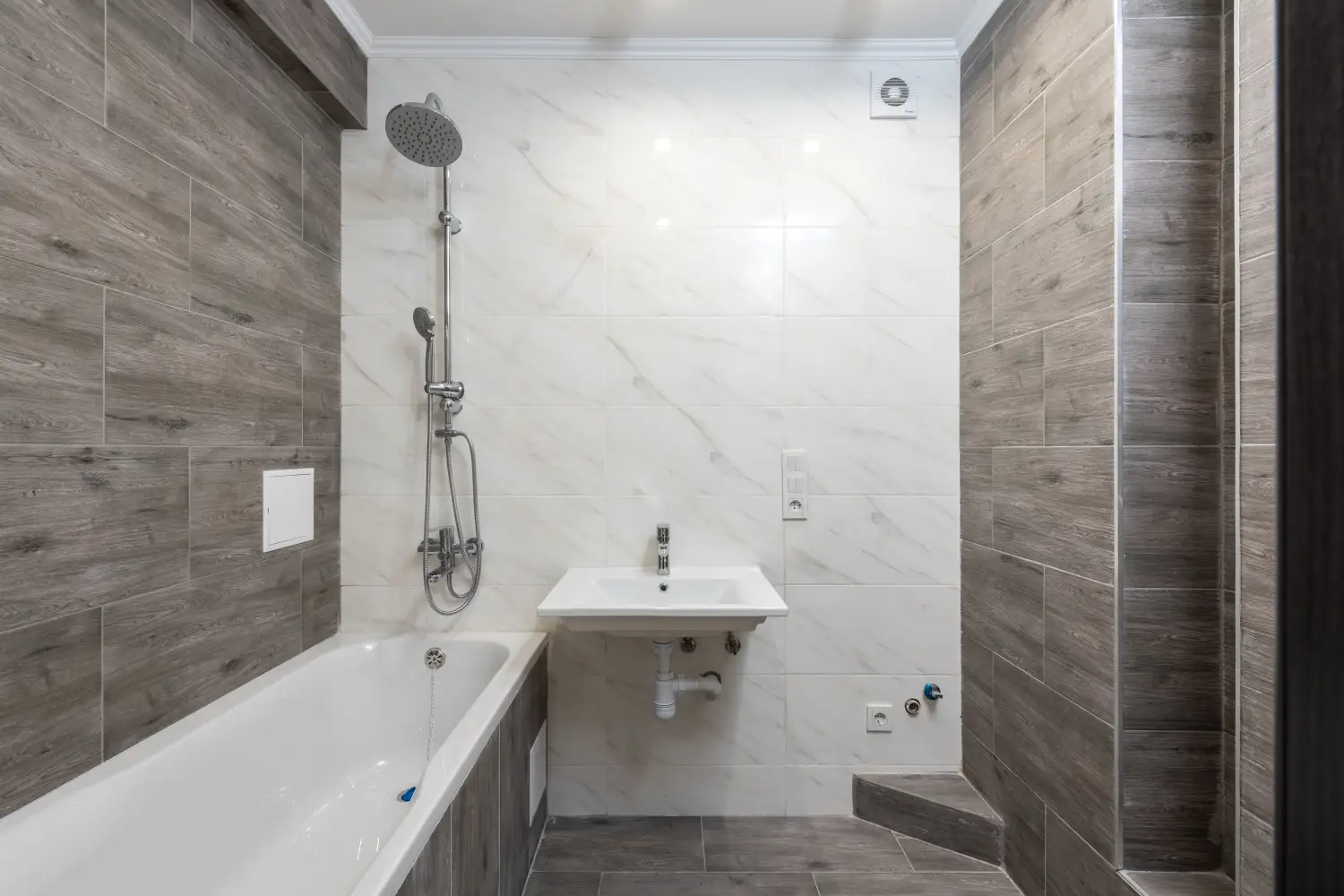
A bathroom tile that holds water on its surface is the one that will cause a slip. Most of the time that tile is ceramic. Porcelain sheds moisture almost instantly because water can’t soak into its body, so a floor stays wet for a shorter window and the risk drops. This article puts porcelain and ceramic side by side on the three things that actually control slip hazard: how each handles water while it’s still on the surface, whether the tile itself is soaking anything up, and what your feet feel first thing in the morning.
Where the Right Tile Depends on What You Need Most
There is no single safe tile. The table below matches common bathroom situations to the type that performs best in that specific situation.
| Scenario | Winner | Why |
|---|---|---|
| You step out of the shower onto a wet floor every day | Porcelain | Dries quicker because water cannot penetrate; less time walking on a slick film. |
| Your bathroom has poor air movement and puddles never evaporate | Porcelain | Absorbs under 0.5% moisture; will not swell or harbor mold below the glaze. |
| The floor will feel like ice in a cold climate and you can’t install radiant heat | Ceramic | Lower density traps less cold; the initial shock is less severe under bare feet. |
When Staying Upright on a Wet Floor Is the Only Priority
Porcelain wins this scenario. The deciding point is not that porcelain always comes with a rougher texture—texture can be added to both porcelain and ceramic during manufacturing. The difference is how fast the surface returns to a dry state after water hits. Ceramic, even a dense ceramic, can pull enough water into its body to leave a thin, slick layer sitting on top for several minutes longer than porcelain. A porcelain floor repels liquid toward the grout lines and dries noticeably faster. The shorter that drying window, the fewer steps a person takes on a slippery film.
Choosing porcelain here means giving up two practical things. First, cutting porcelain is harder; a snap cutter will not reliably break it, so a wet saw and a diamond blade become necessary, which slows a DIY project. Second, the material cost is usually higher than that of basic ceramic. In a bathroom where splashing is rare or where a bath mat stays in place, a high-DCOF ceramic with a matte glaze can perform adequately, but it will still hold moisture longer at the surface.
When the Room Stays Damp and Water Never Fully Goes Away
Poor ventilation, a shower without a door, or a claw-foot tub that sloshes water over the side makes water absorption the first decision point. Porcelain wins decisively here because it is nearly impermeable. Its absorption ceiling sits around 0.5%, so water stands on top and evaporates or drains into grout joints, but it never moves into the tile itself. Ceramic—particularly non-vitreous grades that can take up a fifth of their weight in water—expands with moisture cycles and opens the door to mildew below the glaze.
There is almost no trade-off in a damp room when you choose porcelain, other than spending more money upfront. If the budget forces ceramic into that environment, the install must include epoxy grout and an annual sealing routine, and even then the tile body remains vulnerable to water that sits underneath.
When the Floor Should Not Feel Like a Slab of Cold Concrete at 6 a.m.
In a home where barefoot cold is a real burden—a bathroom over an unheated garage, a northern-climate house, a space used by someone sensitive to temperature—ceramic earns its place. Porcelain is fired so hot that it becomes dense and transfers heat away from skin efficiently. Because ceramic is less dense, it pulls heat from bare feet more slowly, and that small difference registers as a noticeably less cold floor first thing in the morning when no radiant heating is running.
The trade-off for that gentler first step is a tile that absorbs water. Even ceramic labeled semi-vitreous will take on more moisture than any porcelain, so the subfloor must be perfectly flat and dry, and a penetrating sealer should be applied and refreshed annually. This swap works for a guest bath that sees occasional use; it works poorly in a kids’ bath where puddles are routine and the warmth won’t matter if the floor stays wet half the day.
The Differences That Aren’t Worth Your Time
Several common comparison points between porcelain and ceramic barely matter once the bathroom door closes. Put them aside:
- Style selection. Wood-look planks, stone-look squares, and plain matte fields exist in both porcelain and ceramic. If you find a tile you like, the other material almost certainly has a version of it.
- Factory slip coatings. Both products offer textured glazes and grip treatments applied during manufacturing, so a special anti-slip label does not tip the scale toward either type.
- Regular cleaning. Mopping with a pH-neutral cleaner works the same way on both. No special chemical routine is required for one but not the other.
- Scratch resistance. Both rank high on the hardness scale and hold up to normal bathroom foot traffic identically.
Wrestle with water performance, not with whether one category always looks more premium.
Specific Conditions That Instantly Eliminate Porcelain or Ceramic
Cutting curves around a pedestal sink or toilet flange with hand tools only
Ceramic is the only realistic option. Porcelain is too brittle to snap cleanly with a manual cutter, and sawing complex shapes without power equipment is frustrating. In a bathroom refresh where the installer wants to avoid buying a wet saw, ceramic removes that obstacle.
The bathroom contains a steam shower or will function as an open wet room
Porcelain is non-negotiable. Even high-grade ceramic will eventually take on moisture from sustained steam, swell, crack grout, and loosen from the substrate. No sealant can keep steam out of a ceramic body indefinitely.
Radiant floor heating is part of the renovation plan
Porcelain. Its density conducts thermal energy more effectively, so the system reaches a comfortable temperature sooner and cycles off earlier. Ceramic over radiant heat still works, but the system runs longer for the same surface warmth, which raises operating cost over time.
Questions People Ask When Tile Safety Is on the Line
Can ceramic tile be made safe enough for a wet bathroom floor?
Yes. Ceramic with an applied texture that meets a dynamic coefficient of friction of 0.42 or higher provides solid grip under wet conditions. The issue is that ceramic absorbs moisture into its body, so the surface stays damp longer than porcelain after the same amount of splashing. That extra damp time lowers effective slip resistance until the floor dries.
Do anti-slip coatings actually work long-term?
They improve grip temporarily, but bathroom coatings degrade under cleaning chemicals and foot traffic. A factory-fired non-slip texture outlasts a liquid treatment, and on porcelain that factory texture holds better because the tile body does not swell with moisture and crack the coating.
Is porcelain always the pricier choice?
No. Basic porcelain can start near $2 per square foot, which overlaps with mid-price ceramic, while decorative ceramic can easily pass $10 per square foot. Price alone should not drive the decision; water and safety needs should come first.
Does grout play a role in slip risk?
Yes. Wider grout lines with a deep profile give bare feet something to grip and channel water away, but standard cement-based grout also absorbs moisture and holds it against tile edges. On a ceramic floor, wet grout keeps the tile edges damp longer, prolonging the slick surface. Epoxy grout seals those channels and helps both porcelain and ceramic dry more evenly.
The Short Answer
For the bathroom where wet floors happen daily, porcelain is the safer and longer-lasting choice. Ask yourself one question before you buy: will this floor routinely see standing water, or does it dry quickly between uses?

Clara Bennett
After five years of transforming my 1920s bungalow room by room, I’ve refinished floors, hung blinds in bay windows, and spent more time choosing light bulbs than I’d like to admit. I learned paint sheens by painting my kitchen ceiling three times, and I found out the hard way that a rug too small makes a room feel unfinished. I believe every home can be both functional and beautiful, no matter the budget.
Related posts
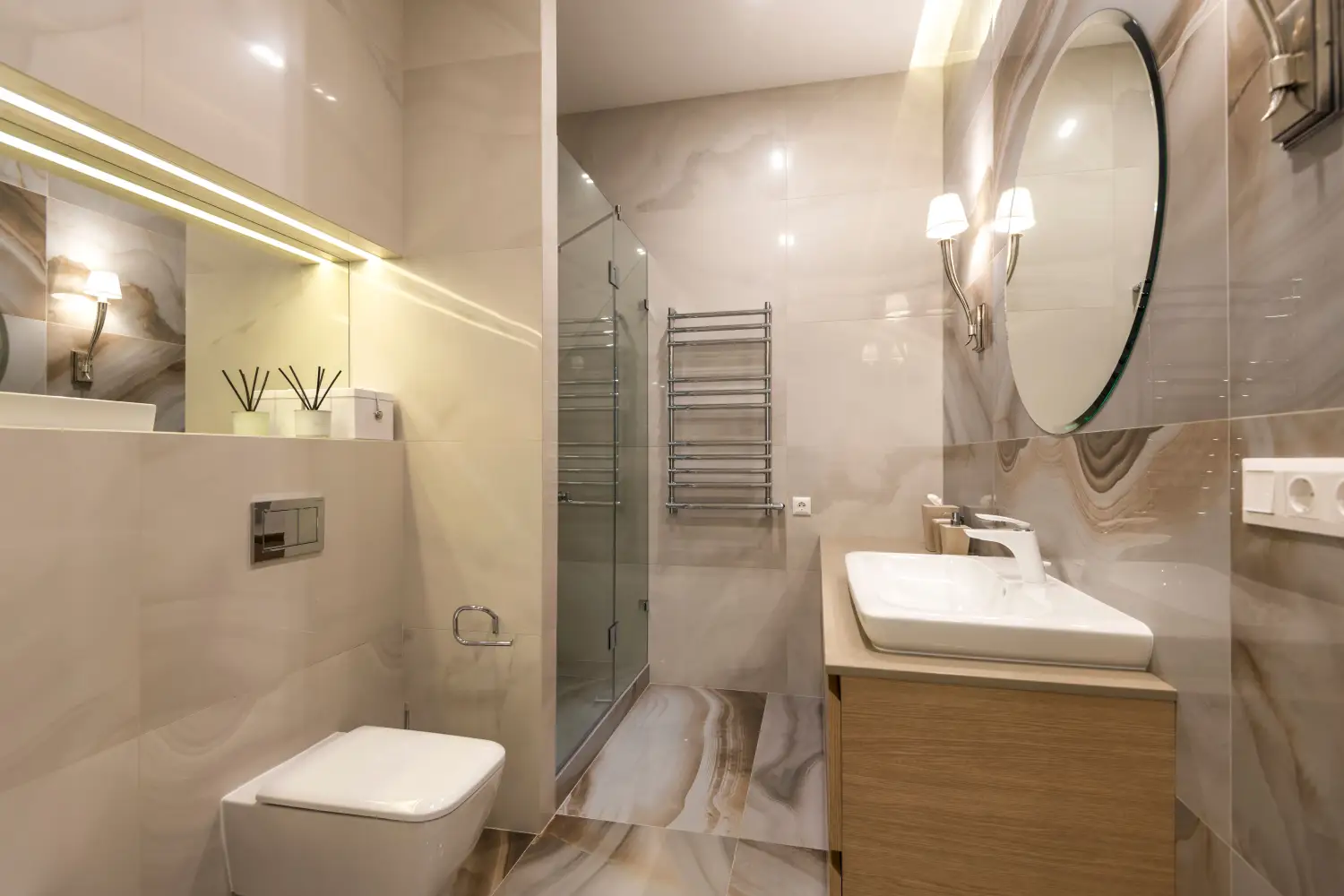
Finish Your Bathroom Without Regrets: The Pro's Decision Sequence
Follow the exact sequence of bathroom finish decisions—from layout and plumbing to grout and hardware—to avoid repainting, re-tiling, and renovation regret.
Using the Wrong Bathroom Paint Sheen Invites Mold
Flat bathroom paint traps moisture. See when satin or semi-gloss prevents mold, and the rare case where flat can work with perfect ventilation.
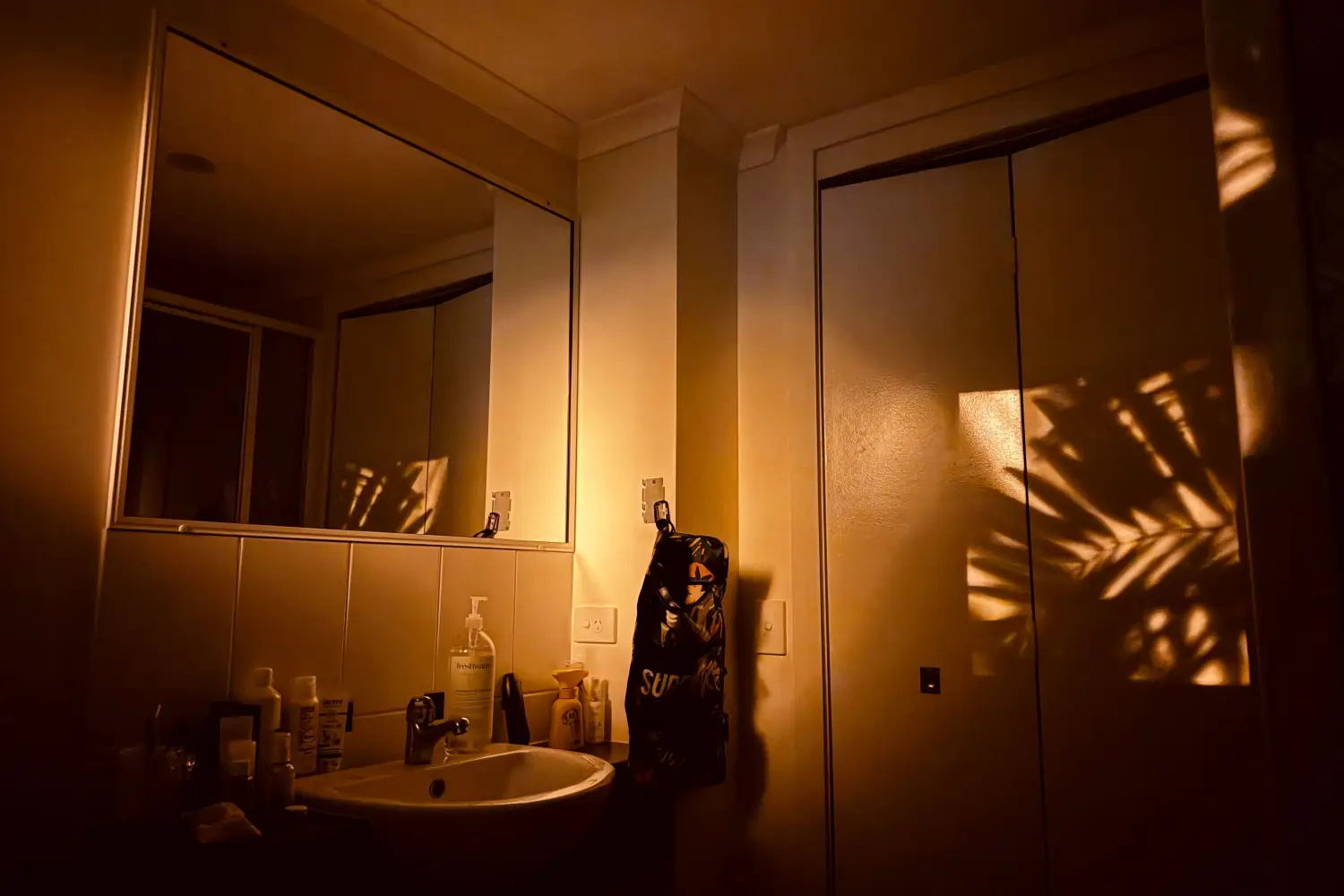
Bathroom Lighting: 3 Zones That Stop Shadows and Glare
Stop bathroom shadows and glare. Learn to layer ceiling, mirror, and shower lights for precise makeup, safe showering, and a relaxing atmosphere.

Why the 5x8 Bathroom Floor Plan Works—and How to Tweak It
The 5x8 bathroom layout relies on two clearance rules. Learn what pros adjust when square footage changes, from double vanities to walk-in showers, and what instantly rules a plan out.
The Rule Pros Use to Mix Bathroom Hardware Finishes
Pros don't match finishes—they match shapes. Learn why faucet silhouette must coordinate with cabinet pulls before you layer a second metal finish.