The Task Lighting Mistake That’s Straining Your Eyes Right Now
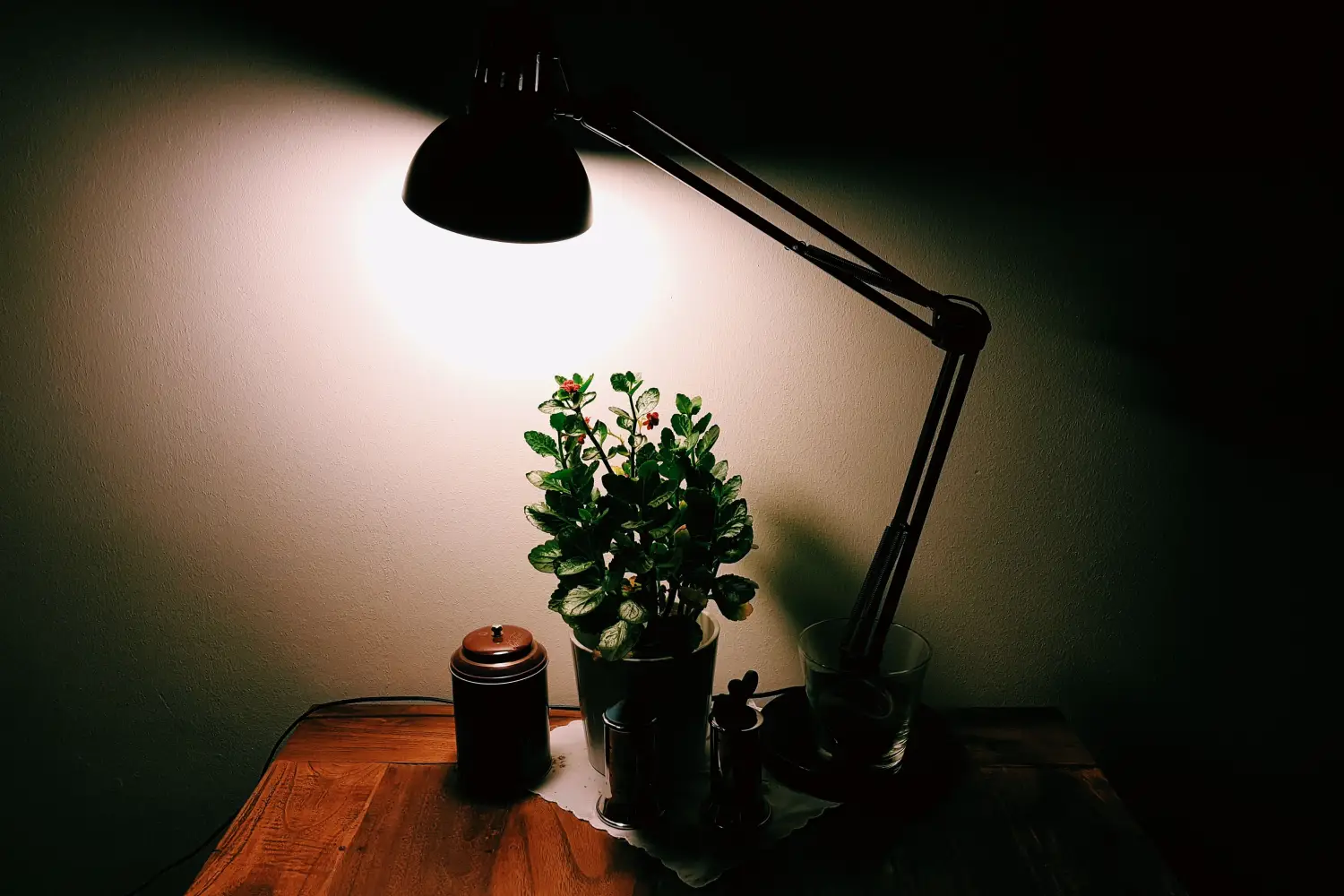
A task light that strains your eyes isn't failing because of the bulb. It's failing because of where you put it. A fixture too far back, too low, or in line with your head throws shadows onto the very thing you're trying to see. The fix isn't ambiguous design theory. It's two quick measurements that anyone can perform on site right now.
The Finished Result: No Shadows, No Glare, No Guesswork
When you're done, every task surface you use — kitchen counter, desk, vanity — gets even, glare-free light that lands exactly on your hands and your work. You'll have the floating hand test to confirm placement instantly, and you'll have a height-and-offset rule you can reuse for any fixed light you install from now on.
The 5-Minute Fix: A Checklist That Works on Every Surface
- Run the floating hand test to diagnose where shadows are coming from.
- Mark 30 inches up from the work surface — that's your fixture height.
- Set the forward offset: 6–12 inches from the wall at kitchen counters, 12–18 inches at desks, 8–10 inches at vanities.
- Mount the light or lock its arm into that exact spot.
- Repeat the hand test standing or sitting as you actually work to confirm no head or hand shadows.
- Do a glare check from your normal posture; tilt the light if you see reflections.
How to Nail Each Step — No Theory, Just Measurement
The Floating Hand Test: 30 Seconds That Expose Bad Light Placement
Place your hand flat, just above the work surface — nearly touching it. If its shadow falls forward onto the work, the light source is behind you. If the back of your hand is lit brightly, the light is in front. A shadow directly underneath your hand means the light is too low. A harsh reflection that washes out detail means the angle is too shallow and glare is hitting your eyes. The common mistake is holding your hand several inches above the surface rather than at the actual work plane, which gives a misleading reading.
Mark 30 Inches Above the Surface — Not Above the Floor
For standard 36-inch counters and 29- to 30-inch desks, the bottom of the fixture needs to sit about 30 inches above the work surface. Measure straight up from that surface, not the floor. If you're tall, add 2 inches. If you're shorter, 30 inches stays as the minimum. The mistake people make here is mounting lights too high to try to cover more area, which dims the light and creates shadows the moment you lean forward.
Pick the Forward Offset That Keeps Your Head Out of the Way
The light has to be far enough forward that your own shoulders and head don't cast a shadow. In the kitchen, under-cabinet strips belong 6–12 inches forward from the backsplash. Over a desk — especially one with a monitor — place the light 12–18 inches from the wall, right over the keyboard zone. Above a bathroom mirror, center the fixture 8–10 inches from the wall so it lights your face, not the mirror. The classic error is mounting lights flush against the wall; that puts the light behind you and guarantees a permanent head-and-shoulder shadow.
Mount the Light in Position — Don't Let It Drift
For a new fixture, drill into the marked spot. For an adjustable arm or track, lock it at the measured height and offset. For a freestanding desk lamp, reposition the base so the head ends up at the right coordinates. Even a slight drift over a few days because the arm isn't tightened enough will undo the whole setup — that's the mistake worth avoiding.
Re-Test with Your Body, Not Just Your Hand
Stand or sit as you would to work. Lean forward the way you naturally do. Now repeat the floating hand test. Watch for the shadow your head and shoulders cast — that's the one your hands can't show you. If your shadow falls on the work surface, move the light further forward. Testing with only your hand and ignoring the larger obstruction is the most frequent slip-up.
Glare Check from Your Real Working Angle
Sit in front of your screen. Glance down at your desk. If you catch a bright slab of light bouncing off a glossy surface, or if you have to squint, the fixture angle is too shallow. Tilt the head slightly more downward or move it forward an inch. Glare isn't a dramatic problem at first — but after 20 minutes of steady exposure, it's the ache behind your eyes.
Quick Confirmations: 4 Questions Before You Walk Away
- Did the floating hand test pass with both hands working simultaneously?
- Is the fixture bottom within 1 inch of the 30-inch mark?
- When you stand or sit normally, does any part of your own shadow touch the work surface?
- Can you work for five minutes without squinting or shifting your head?
Print or Save: The No-Glare Quick Card
Keep this card for your next installation:
- Height: 30 inches above work surface (add 2 inches if you're tall)
- Offsets:
- Kitchen: 6–12 inches from wall
- Desk: 12–18 inches from wall
- Vanity: 8–10 inches from wall
- Floating hand test: hand flat, almost touching surface; shadow direction tells you everything
- Glare check: look from your normal position and adjust tilt or forward position until reflections disappear
FAQ
I already have under-cabinet lights that are too far back. Can I fix them without moving the fixture?
Add a slim LED bar extender or a magnetic strip light to the cabinet's front lip. Both shift the light source forward without any rewiring.
Does the 30-inch rule work for floor lamps or adjustable desk lamps that aren't fixed?
Yes — you can adjust the arm to get the head to the right height and offset. You may need to reposition the base forward for a floor lamp so the shade lands in the correct spot.
What if my work surface height is different — like a standing desk at 42 inches?
The 30-inch measurement is from the work surface, not the floor. On a 42-inch desk, the bottom of the light remains 30 inches above the desk, putting it at 72 inches above the floor. The critical distance is between the light and your hands, not the room's floor.
How do I handle multiple work zones in the same kitchen — cooking, prep, sink?
Treat each zone as its own surface. Install dedicated task lights along the front edge of each area using the 6–12 inch offset. For the sink, center a light above it and maintain the 30-inch height from the sink basin bottom.
Your Eyes Stop Squinting Now — And One Trick for Next Time
What looked like a complex lighting problem turned into a five-minute measurement anyone can repeat. The floating hand test and the 30-inch rule stick because they match how bodies and hands actually use light. Next time you grab a fixture box, mark the 30-inch height on the wall with painter's tape before you do anything else — that single step cuts out all the guesswork.

Clara Bennett
After five years of transforming my 1920s bungalow room by room, I’ve refinished floors, hung blinds in bay windows, and spent more time choosing light bulbs than I’d like to admit. I learned paint sheens by painting my kitchen ceiling three times, and I found out the hard way that a rug too small makes a room feel unfinished. I believe every home can be both functional and beautiful, no matter the budget.
Related posts
Why More Accent Lights Won’t Make Your Room Look Better
Over-illuminating with accent fixtures creates visual chaos. Use a smartphone light meter and the 5:3:1 luminance ratio to curate focal points instead.
How to Get Even, Cozy Ambient Light in Every Room
Learn a simple three‑step lumen calculation using room size and purpose to create warm, even ambient light. Includes a fixture checklist for light spread—stop guessing.
The Hidden Cost of Skipping Layered Lighting in Your Home
A single ceiling light dulls a room daily. Fix it with a $150 rental-friendly kit of a torchiere, clamp light, and battery puck—no wiring, under 2 hours.