Why More Accent Lights Won’t Make Your Room Look Better
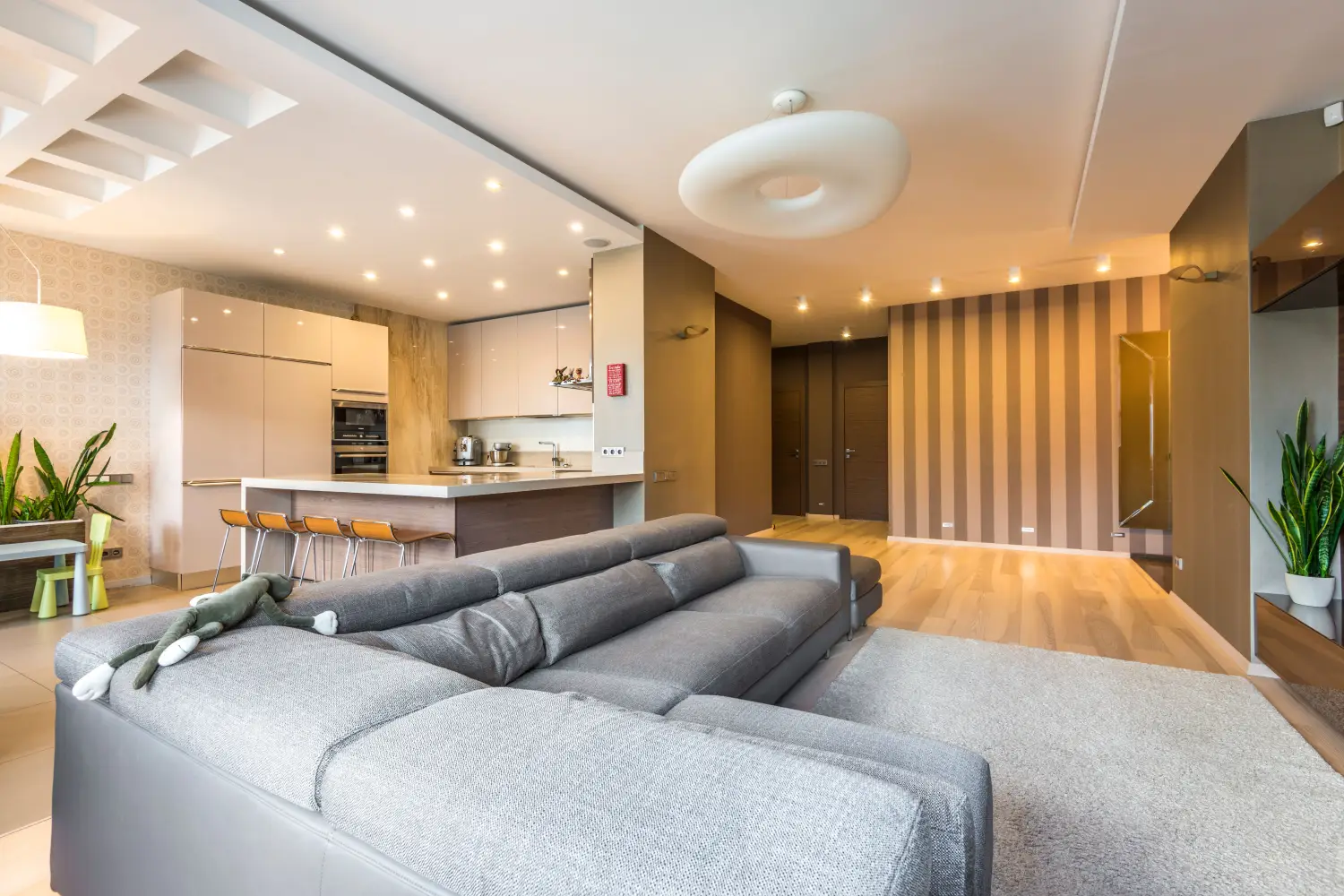
Adding more accent lights is the interior-design equivalent of shouting louder when nobody’s listening. You installed a picture light, some track heads, maybe a sconce to showcase that textured wall — and now the room feels like a cheap gallery opening, not a home. The problem isn’t how many lights you have. It’s that they’re all screaming at the same volume.
The measurement that puts the shouting to rest is the 5:3:1 luminance ratio: ambient at 5, task at 3, accent at 1. Grab a phone light meter app, point it at your focal points, and watch where the numbers land. If your accent light reads 120 lux right next to a 200‑lux wall wash, you’re flooding the scene instead of spotlighting anything.
The Instant Fix: Measure and Dial Back Accent Levels
- Download a light meter app (e.g., Lux Light Meter) and calibrate it by pointing at a white surface.
- Measure the lux at the center of the room for ambient, then at the main task surface (desk, kitchen island), and finally at the accent-lit focal point from the typical viewing distance.
- Compare the readings: aim for roughly a 5:3:1 ratio — if your ambient is 200 lux, task should be around 120 lux, and accent no higher than 40 lux.
- Reduce accent fixture brightness by dimming, swapping to lower-lumen bulbs, or adding a shade until the ratio holds.
Why Your Room Looks Overlit — Step-by-Step Diagnosis
Accent Lights Are Too Bright Relative to Ambient
What causes it: Most people pick accent bulbs by wattage or gut feel, ignoring how much light actually lands on the surface. The outcome is an accent that punches just as hard — or harder — than the general room light.
How to confirm: Fire up a light meter app on your phone. Measure ambient lux at eye level in the center of the room, then measure the accent-lit surface from your main seat. If the accent reading equals or tops the ambient reading, you’re running a 1:1 ratio that guarantees visual chaos.
Fix: Push accent lux down to roughly one-fifth of ambient. At 300 lux ambient, set accent below 60 lux. Swap a 250‑lumen picture‑light LED for a 100‑lumen equivalent behind a tight 15‑degree beam. The math is blunt, but the result is a room that finally pauses the eye where you want it.
Multiple Fixtures Compete Without a Clear Focal Point
What causes it: Adding accent lights for every shelf, art piece, and architectural feature without picking a winner. The eye bounces between identically bright hotspots, and the room feels frantic, not curated.
How to confirm: Stand in the primary viewing spot and watch where your attention goes. If it doesn’t lock onto one dominant element within two seconds, no single object is outranking the others.
Fix: Crown one focal point per viewing zone and give it the highest accent luminance. Every other accent should sit at least 40% dimmer. Kill the secondary fixtures physically or slide their dimmer down; check whether the scene snaps into a structured, readable composition. If it does, you’ve found the hierarchy that was missing.
Surface Reflectance Isn’t Factored Into Brightness
What causes it: A dark, matte oil painting drinks light while a glossy white vase bounces it back. If both get identical fixture lumens, the vase glares and the painting vanishes — yet a homeowner who never measured lux would swear they’re equally lit.
How to confirm: Measure lux directly at the surface of each accent‑illuminated object. Two objects under the same fixture can show a 3‑to‑1 difference in reflected luminance.
Fix: Measure at the surface, not the bulb. For light‑hungry surfaces, nudge fixture output upward; for reflective ones, dial it down until the lux readings align for objects of similar visual importance. A dark wood sculpture may need twice the lumens of a white ceramic piece to feel equally present.
No Dimming Control on Accent Circuits
What causes it: Permanent‑mount accent fixtures were installed with a plain toggle switch, leaving brightness frozen from the moment the electrician walked away.
How to confirm: Your accent fixture has a fixed output and no accessible dimmer.
Fix: When the fixture uses replaceable bulbs, fit dimmable LEDs and add a compatible wall‑box dimmer (trailing‑edge for most LEDs). Integrated LED fixtures without a dimmer wire can take an inline dimmer at the junction box or a smart plug with brightness control (Lutron Caséta, Kasa Smart, or similar). Renters can sidestep hardwiring by plugging a lamp‑style accent into a dimmer module.
When the 5:3:1 Rule Needs Adjustment
Low‑ambient rooms (home theaters, bedrooms at night): Ambient levels may sit at 0‑5 lux. Instead of forcing a 5:3:1 ratio, keep accent at 1‑3 lux — just enough to make the object perceptible without glare. A phone meter still works in near‑darkness.
Daylight‑flooded open plans: Big windows swing ambient lux from 50 to 500 inside an hour. Build a scene preset that scales accent lights to 1/10th of the current ambient reading. Smart sensors (Aqara, Philips Hue motion/lux sensors) can automate the shift so you don’t chase the sun manually.
Rooms with multiple seating positions: A focal point that nails 5:3:1 from the sofa may over‑illuminate when viewed from the dining table. Pick one primary viewpoint as the anchor and accept subtle over‑ or under‑lighting from secondary positions. A working compromise: drop accent lumens 20% below the anchor ratio — a small loss that keeps the room from reading as harsh from any single angle.
Designing a Contrast‑First Lighting Plan from the Start
- Settle on a maximum ambient lux target before buying a single bulb. 200‑300 lux covers most living rooms after dusk.
- Map the one or two objects that must command the eye, then assign accent fixtures only to those. Resist the urge to highlight every shelf.
- Mock it up: place a portable lamp on a stand at the planned distance, point it at the object, and measure the lux with your phone. Write down the fixture lumens that produced the right ratio, then buy a permanent fixture with comparable output.
- Wire a dimmer onto every accent circuit. Even when the calculated ratio is perfect on paper, real‑world shifts in furniture placement and wall color will demand fine‑tuning.
What to Do When the Room Still Doesn’t Feel Right
If the 5:3:1 ratio is balanced and the space still falls flat, luminance isn’t the whole story. Check that the color temperature of your accent lights matches the ambient layer — a 5000K spotlight against a 2700K wall wash creates a disjointed patch that your brain reads as a mistake. Also confirm the accent has a subject worth lighting; a blank wall won’t become a focal point no matter how precisely you meter it.
At that stage, a lighting designer with a hand‑held spectrophotometer can map reflectance values and run a photometric calculation. For a no‑cost next step, post side‑by‑side phone‑meter readings and a room photo in an online lighting design forum. Experienced DIYers routinely spot contrast‑ratio misses or glare sources invisible to the untrained eye.

Clara Bennett
After five years of transforming my 1920s bungalow room by room, I’ve refinished floors, hung blinds in bay windows, and spent more time choosing light bulbs than I’d like to admit. I learned paint sheens by painting my kitchen ceiling three times, and I found out the hard way that a rug too small makes a room feel unfinished. I believe every home can be both functional and beautiful, no matter the budget.