How to Get Even, Cozy Ambient Light in Every Room
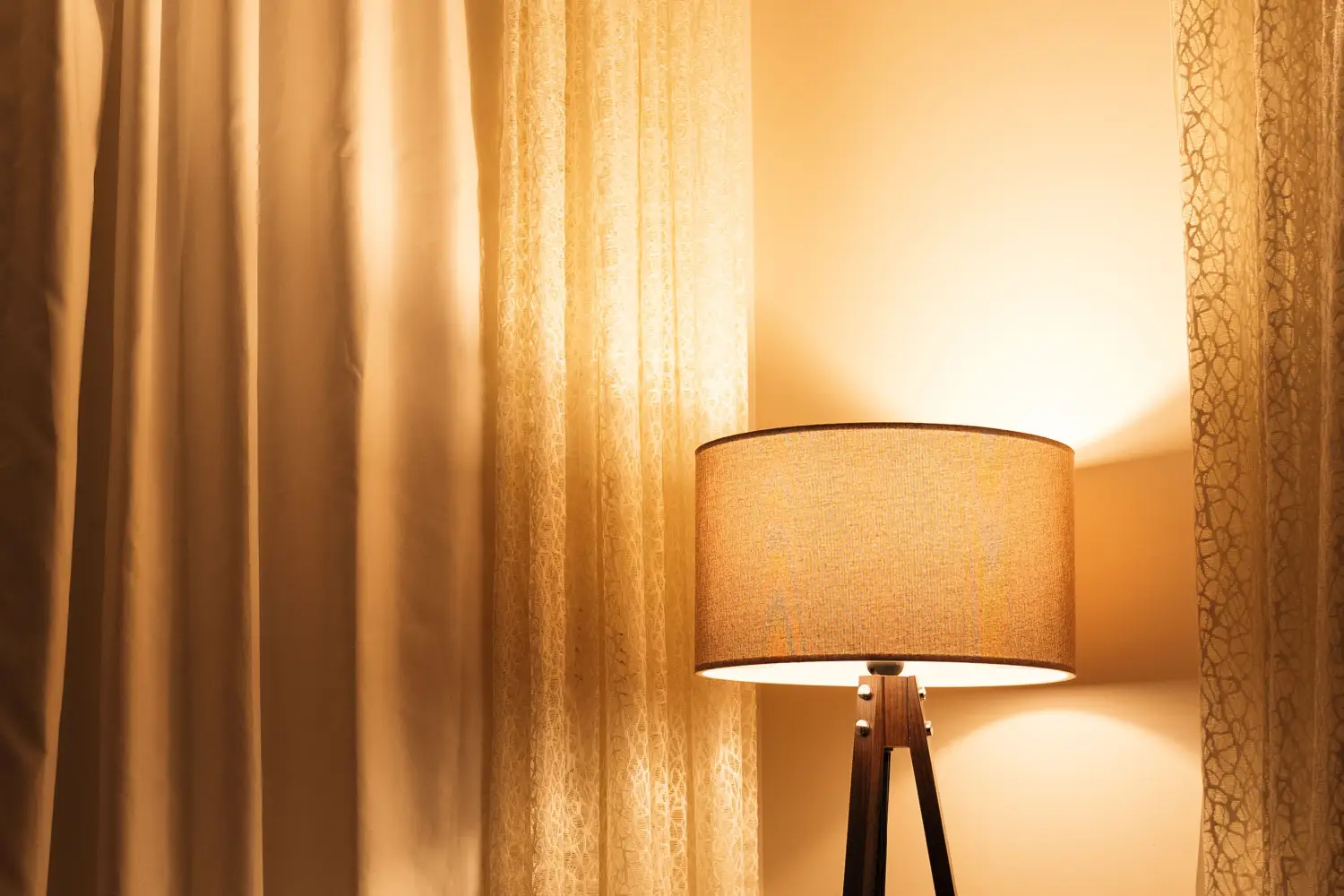
Even, cozy ambient light isn’t something you stumble into — it’s the soft, shadow‑free base layer that makes a room feel truly welcoming. To get it right consistently, work through a simple three‑step lumen calculation. Measure the room’s square footage first. Multiply that by the recommended lumens per square foot for its purpose — 10 to 20 for a living room, for instance. Then pick fixtures designed to spread light broadly, like torchiere floor lamps or cove lighting, so the brightness reaches every corner evenly. The process replaces guesswork with a repeatable plan.
New homeowners often set up a single lamp that looked bright in the box, then wonder why the room still feels gloomy. The problem isn’t the bulb — it’s the missing deliberate ambient base layer. The three‑step lumen calculation acts as that layer’s instruction sheet. It gives you a clear, repeatable method and a checklist of fixture types ranked by how well they disperse light, turning a fuzzy goal into something you can actually measure and accomplish on a free weekend.
The Frustration of Guessing Brightness in a New Home
Picture a room after moving day. A floor lamp stands in the corner, switched on — yet the opposite wall stays dark and the seating area feels closed in. Another lamp gets added, but now there’s a harsh hot spot right by the sofa while the rest remains dim. Without a target lumen number, every tweak is a blind adjustment. The three‑step calculation stops that cycle. It gives you a concrete number to aim for and explains plainly why a single “bright” bulb almost never delivers the even, cozy wash most people actually want.
The Three‑Step Lumen Calculation to Take the Guesswork Out
Step 1 — Square Footage and Room Purpose
Measure the room’s length and width, then multiply them for total square feet. The room’s function determines how much ambient light it needs. A living room meant for relaxation calls for a gentler level than a kitchen where someone is handling sharp knives. Use this chart as a starting point for ambient lighting:
| Room Purpose | Recommended Lumens per Square Foot |
|---|---|
| Living room / family room | 10 – 20 |
| Bedroom | 10 – 20 |
| Kitchen | 30 – 40 |
| Bathroom | 70 – 80 |
| Hallway / corridor | 5 – 10 |
These ranges build a soft, stable base. Task lighting will layer on later, but the ambient foundation must stand on its own.
Step 2 — The Lumens‑per‑Square‑Foot Formula
The formula is straightforward: Total Lumens = Square Footage × Lumens per Square Foot. Choose a value from the chart that fits the room’s priority — lower for a snug den, higher for a space used multiple ways. Example: a 150‑sq‑ft living room at 15 lm/sq ft requires 2,250 lumens. That number becomes your target, not a suggestion.
Step 3 — Matching Fixtures to the Light Spread You Need
A bulb that fires all its light straight down will never produce even ambient light on its own, regardless of how many lumens it carries. The checklist below rates common fixture types by how broadly they disperse light across ceilings and walls — the quality that makes a room feel genuinely filled with light, not spot‑lit.
- Torchiere floor lamp — Uplight bounces off the ceiling, creating the most even wash. A single torchiere with a 1,200‑lumen bulb can cover a medium‑sized room well.
- Cove lighting (LED strips hiding in crown molding) — An invisible source that bathes the ceiling in glow; ideal as a permanent, built‑in answer.
- Semi‑flush ceiling fixture with frosted glass — Diffuses light sideways and upward; avoid bare‑bulb versions that cause glare.
- Wall sconces with upward bounce — Mount them higher on the wall to push light toward the ceiling; they pair reliably with other sources.
- Recessed cans with wide‑beam trims (on a dimmer) — Inefficient alone, but effective when spaced and aimed to wash walls; plan for at least four in a grid.
- Table lamps with fabric shades — Soften light in a limited spot; helpful for filling a dark corner but rarely enough as the sole ambient source.
Steer clear of a single central pendant with an exposed bulb. It throws hard shadows and leaves the walls unlit — exactly the opposite of cozy.
Two Misconceptions That Undermine Ambient Lighting
Watts Tell You How Bright a Bulb Will Be
This belief hangs on from the incandescent era. A modern 9‑watt LED can output 800 lumens, matching an old 60‑watt bulb. Always choose bulbs by lumens, not watts. Otherwise, you risk installing something that looks “bright enough” on the shelf but fails to deliver the lumens your calculation needs.
One Ceiling Fixture Can Handle the Whole Room
A lone overhead light, particularly a pendant or semi‑flush model, throws a downward cone that keeps the upper walls and corners in shadow. Ambient light calls for multiple sources or fixtures that intentionally spread light sideways and upward. Even a high‑lumen ceiling fixture won’t feel cozy unless light reaches the vertical surfaces around the room.
Real‑World Application: A 150‑Square‑Foot Living Room
Take a living room that measures 12′ × 12.5′ — 150 square feet. Ambient target set at 15 lumens per square foot yields 2,250 lumens total. Combine one torchiere with a 1,200‑lumen warm‑white LED and a second torchiere or wall sconce supplying another 1,000 lumens. The light bounces off the ceiling and spreads evenly. No dark corners, no harsh glare — just a room that feels comfortable the moment you walk in. If reading requires more brightness, a separate task lamp layered on top won’t disrupt the ambient foundation.
Frequently Asked Questions About Ambient Lighting
How many lumens do I need for a cozy living room?
Start with 10–20 lumens per square foot. For a 12×15‑foot room (180 sq ft), that gives 1,800–3,600 lumens. Choose the lower end for a subdued, candle‑lit mood; the higher end if the room also functions as a play space or home office.
What’s the best fixture for ambient lighting in a bedroom?
Torchiere floor lamps work well because they reflect light off the ceiling, but cove lighting above a headboard is even gentler. Avoid ceiling‑mounted bare bulbs directly over the bed — they create uncomfortable brightness when someone is lying down looking up.
Can I use smart bulbs to control ambient light?
Yes. Smart bulbs that dim and shift color temperature let you fine‑tune the cozy feel. Just confirm the bulb’s lumen output still meets your calculated target when dimmed to a comfortable setting.
Does ambient lighting need to be on a dimmer?
It isn’t required, but a dimmer adds flexibility. A room that feels inviting at 80 % may feel stark at 100 %. Dimmers let you adjust the mood without swapping fixtures or bulbs.
How does color temperature affect cozy ambient light?
Warm white in the 2700 K–3000 K range is essential for coziness. Cooler temperatures (4000 K and above) read as clinical, not relaxing. You can have a full 2,200 lumens of 2700 K light — it will feel bright and warm, not dim.
When This Method Matters Most
Run the three‑step lumen calculation before buying a single fixture for a new home or a room refresh. It prevents the expensive mistake of installing a fixture that looks beautiful but leaves the room feeling off. Once the ambient layer is correct, adding task and accent lighting becomes a straightforward step rather than a fix.

Clara Bennett
After five years of transforming my 1920s bungalow room by room, I’ve refinished floors, hung blinds in bay windows, and spent more time choosing light bulbs than I’d like to admit. I learned paint sheens by painting my kitchen ceiling three times, and I found out the hard way that a rug too small makes a room feel unfinished. I believe every home can be both functional and beautiful, no matter the budget.
Related posts
Why More Accent Lights Won’t Make Your Room Look Better
Over-illuminating with accent fixtures creates visual chaos. Use a smartphone light meter and the 5:3:1 luminance ratio to curate focal points instead.
The Task Lighting Mistake That’s Straining Your Eyes Right Now
Misaligned task lighting creates shadows and glare that strain your eyes. Use the floating hand test and 30-inch rule to fix it in minutes.
The Hidden Cost of Skipping Layered Lighting in Your Home
A single ceiling light dulls a room daily. Fix it with a $150 rental-friendly kit of a torchiere, clamp light, and battery puck—no wiring, under 2 hours.