Stop Over-Mixing: The Editing Rule for Blending Decor Styles
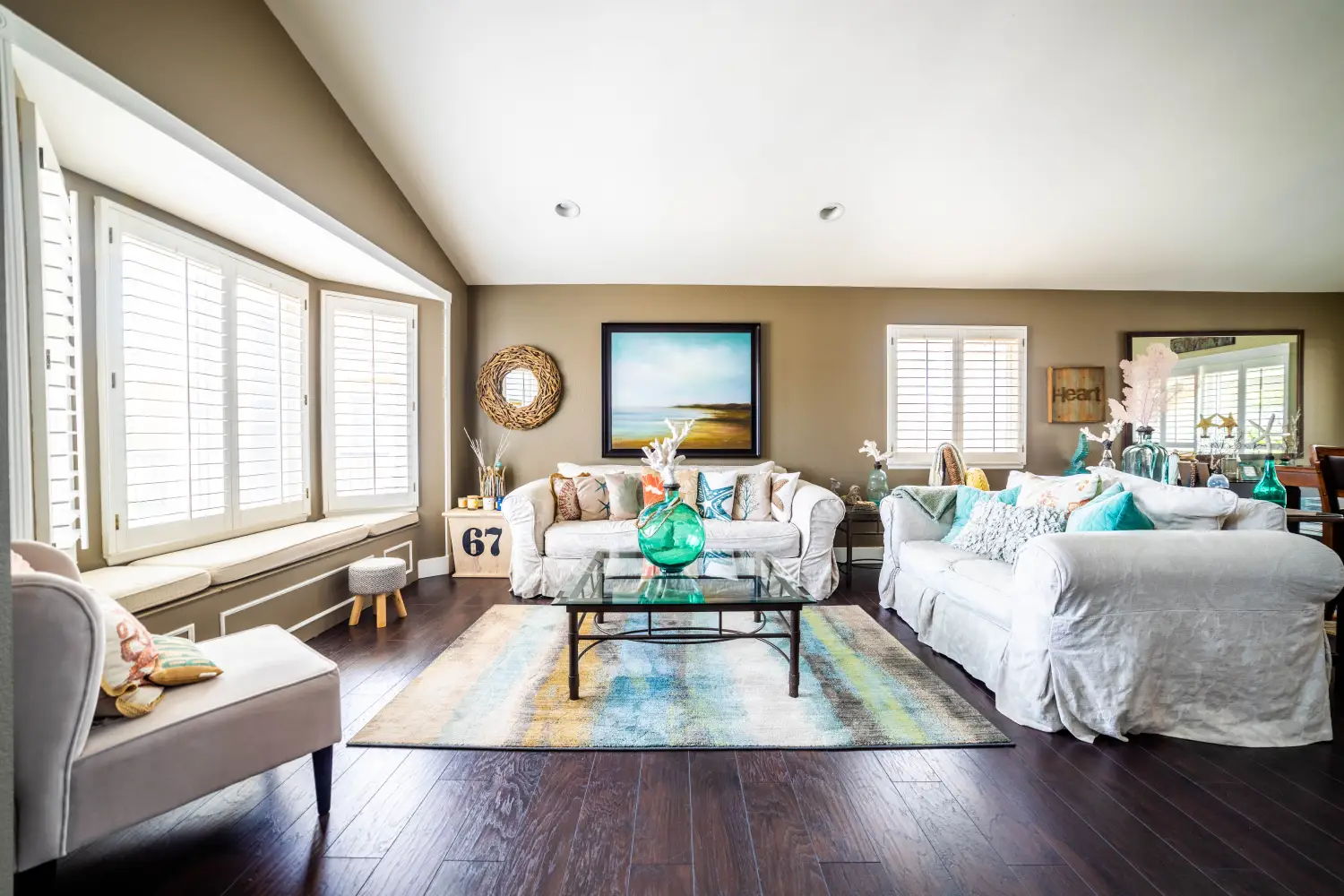
Mid-century chairs, a boho rug, an industrial pendant, and a farmhouse table crammed into one room don't read curated—they read cluttered. The mistake isn't mixing styles; it's over-mixing by adding more instead of cutting back. Visual chaos comes from refusing to decide which pieces lead and which get out of the way.
The 3-Item Cull That Restores Order
- Find the duplicate. If two objects fight for the same job—two side tables, three blankets draped on one sofa, a gallery wall so packed it can't breathe—keep the strongest and remove the rest. One item that does the work beats two that shout over each other.
- Assign a style lead. Pick one design era or influence to own the room. Secondary styles appear only in small doses: a lamp, a pillow, a piece of art. A boho chair next to a mid-century sofa works; two heavy sofas from different decades screams indecision.
- Step away and return with fresh eyes. Leave the room for an hour. Anything that still bothers you when you walk back in goes. Gut reaction after a break is the only edit signal that matters.
These steps force subtractive editing, the only route to a blended room that reads intentional instead of accidental.
Why a Room Slips Into Visual Chaos—and How to Pull It Back
Too Many Patterns Fighting for Control
Count the distinct pattern families you can see from one spot. Three or more, and none read as background, means the room has no visual hierarchy. The fix: choose one hero pattern for a large surface—rug, curtains, bedspread—and reduce everything else to trim, a throw pillow edge, or a slim book cover. For a fast edit, strip every patterned textile except that hero. Live with the quiet for a day. The silence tells you what actually belongs.
Wood Tones That Never Agreed on a Palette
Blond oak floors, a walnut coffee table, a cherry sideboard, and painted white bookcases pull the eye in four directions. From any corner, if you count more than two distinct wood finishes, there’s too much variety. Limit wood to two tones: one dominant (floor or largest casegood), one accent. Paint, restain, or replace the rest. That’s not a suggestion—it’s the fastest way to make all other style choices look intentional.
Too Many Pieces Demanding to Be the Star
A velvet armchair, an oversized floor lamp, an ornate mirror, a gallery wall—when every piece shouts, the room feels loud but says nothing. Confirm the problem by asking someone to point out the room’s main feature. Hesitation or three different answers signal trouble. Fix it: designate one clear focal point—the fireplace, a large artwork, a statement piece of furniture—and demote everything else. Move the lamp to a corner, swap the mirror for a smaller one, relocate the gallery wall to a hallway. A single star and a disciplined supporting cast give style mixing the structure it otherwise lacks.
Equal Distribution of Designs (No Style Acts as the Anchor)
Every style gets a major furniture piece: a velvet sofa for glam, a reclaimed-wood coffee table for rustic, an industrial shelf for warehouse, a jute rug for boho. That’s a pile-up, not a blend. Ask: if you removed every piece from one style, would the room still tell a coherent story, or would it collapse? Collapse means no anchor was chosen. The fix: put one style in charge of all large furnishings. Let secondary styles enter only through accessories, textiles, and art. A mid-century anchor can handle a few boho pillows and a single Moroccan lamp, but it cannot support a full rustic armoire. Subtractive discipline separates the pieces that serve the anchor from the ones that are just extra weight.
The Tricky Exceptions: Sentimental Pieces and Open-Plan Zones
Sentimental Items That Don't Fit the Edit
Handed-down furniture and gifted objects often refuse any styling rule. Instead of forcing an ornate china cabinet into the main living area where it battles clean lines, give it its own zone: a reading corner, an entryway, a dedicated wall in a home office. If the form alone is the problem, a respectful change—reupholster in a neutral fabric, repaint to a tone already in your palette—can pull it into the room without surrender. The aim is to honor the piece without letting it take over the hierarchy you built.
Blending Styles Across Open-Plan Spaces
Open living, dining, and kitchen areas expose style clashes from every angle. The editing rule still applies, but with a larger canvas. Start with one wall and trim color across the entire space. Then let each zone express a secondary style through its furnishings. A galley kitchen can lean slightly industrial while the living area stays mid-century—provided the neutral backdrop holds. The subtractive move: remove any object that belongs to a style not assigned to that zone, so the jumps between areas stay small and deliberate.
Stop Over-Mixing Before It Starts
The editing rule works as a buying filter, not just a rescue tool. Enforce these habits before a new piece comes home.
Define your 80/20 distribution. Roughly 80 percent of the room’s visual mass sits in the main style, 20 percent in a secondary one (or a split between two). This is a gut-check: if you love mid-century, farmhouse and boho pieces must stay at accent level.
Photograph the room in black and white. Color often hides a form that clashes. A black-and-white snapshot shows whether a new object’s shape and value fight the existing arrangement. If they do, pass on the piece.
Adopt a one-in, one-out rule. Every addition that brings a new style influence forces an old piece out. That keeps the style count in check and makes editing a continuous habit, not a last-minute crisis.
When a Room Still Feels Off: What to Do Next
You’ve culled, assigned a lead style, and stuck to 80/20—yet the room still doesn’t click. The issue might be the layout, not the objects. Redraw the floor plan using a free online room planner to see if furniture placement has created competing zones instead of one clear space. If that doesn’t fix it, hire a local interior stylist for a one-hour walk-through. An outsider, free of sentiment, will call out the single weakest link you’ve been avoiding.

Clara Bennett
After five years of transforming my 1920s bungalow room by room, I’ve refinished floors, hung blinds in bay windows, and spent more time choosing light bulbs than I’d like to admit. I learned paint sheens by painting my kitchen ceiling three times, and I found out the hard way that a rug too small makes a room feel unfinished. I believe every home can be both functional and beautiful, no matter the budget.
Related posts
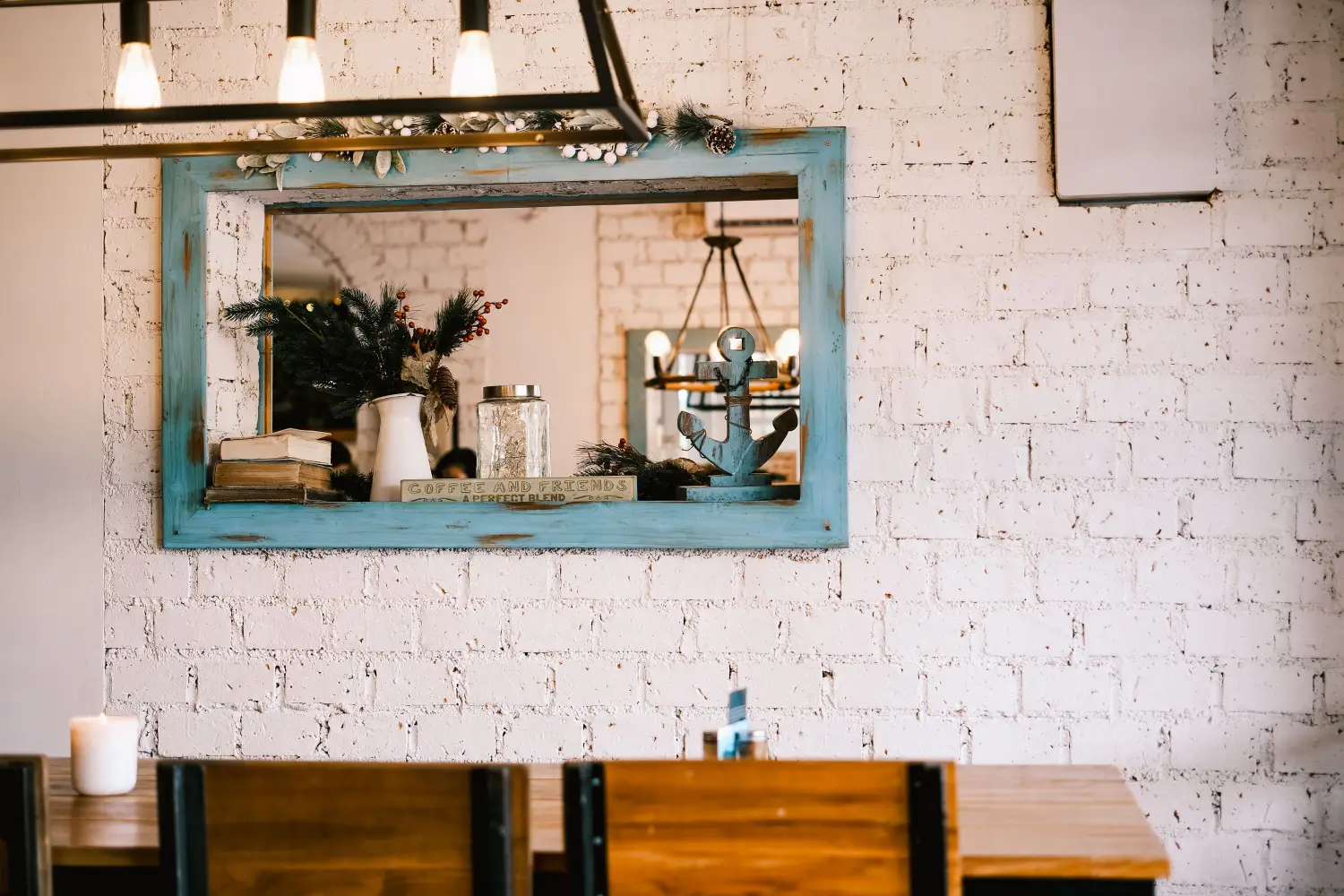
How Designers Mix Styles: The Anchor-and-Contrast Method
Learn the anchor-and-contrast method for mixing decor styles. Set a dominant anchor, layer contrast in 3 levels, and avoid the muddled look.
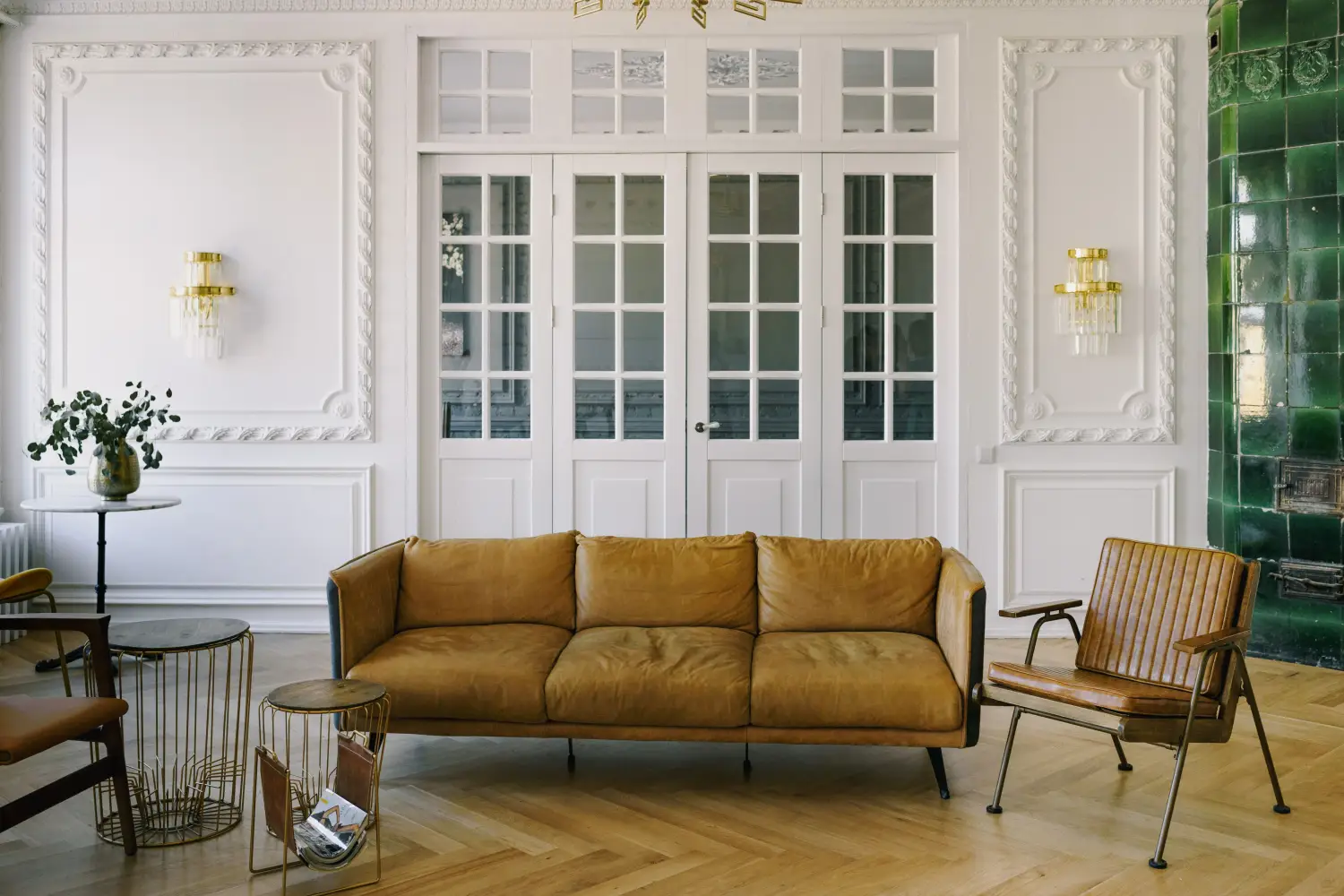
60-30-10: The Mix-and-Match Decorating Rule That Works
Use the classic color rule to blend decorating styles. Allocate 60% anchor, 30% secondary, 10% accent for rooms that feel layered and intentional.
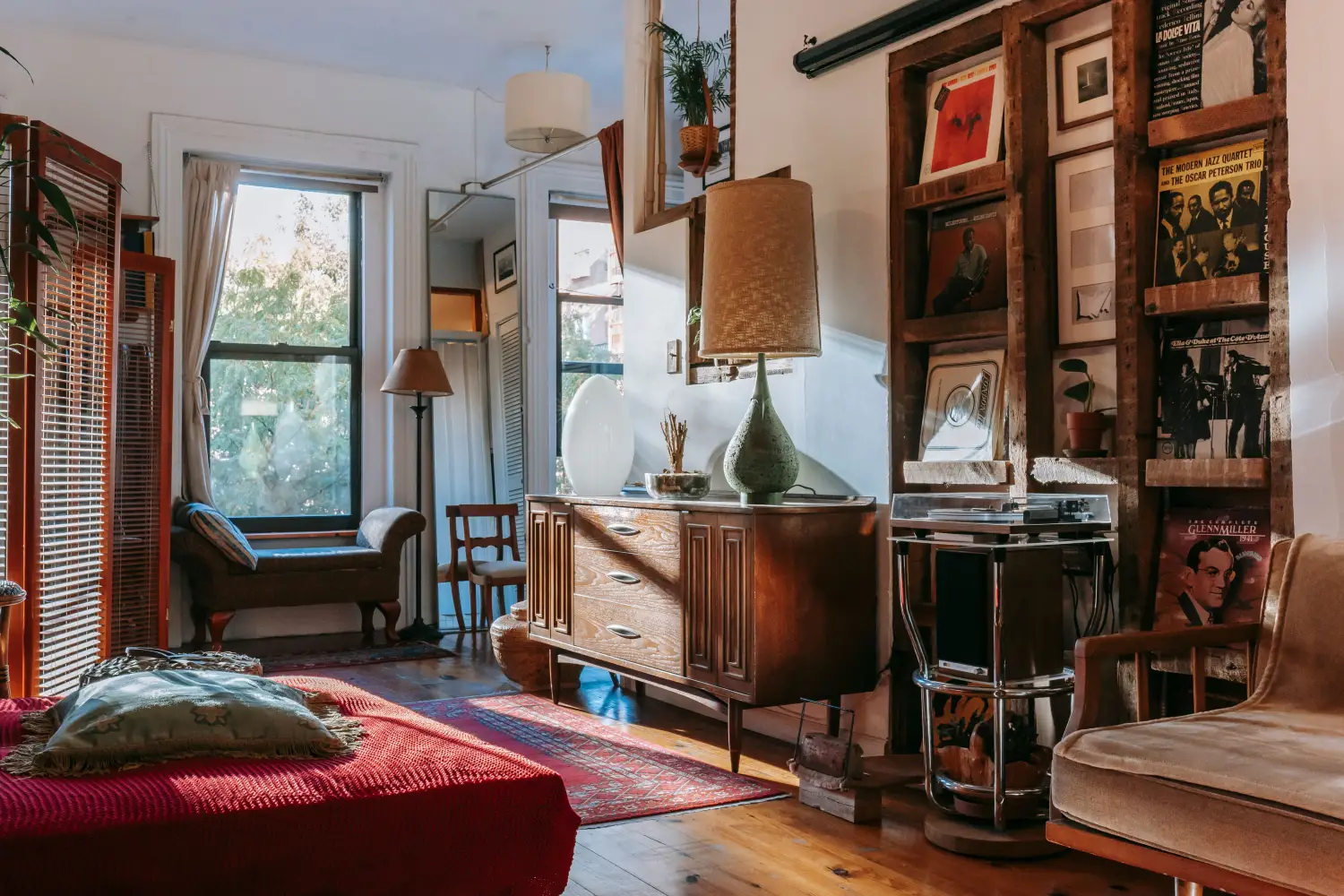
The One Element That Makes Mixed Styles Look Intentional
Mixed styles feel curated when one repeated element—wood tone, motif, or neutral palette—bridges the gap. Learn the framework to make clashing decor deliberate.