The Paint Sheen Most New Homeowners Overlook (But Shouldn't)
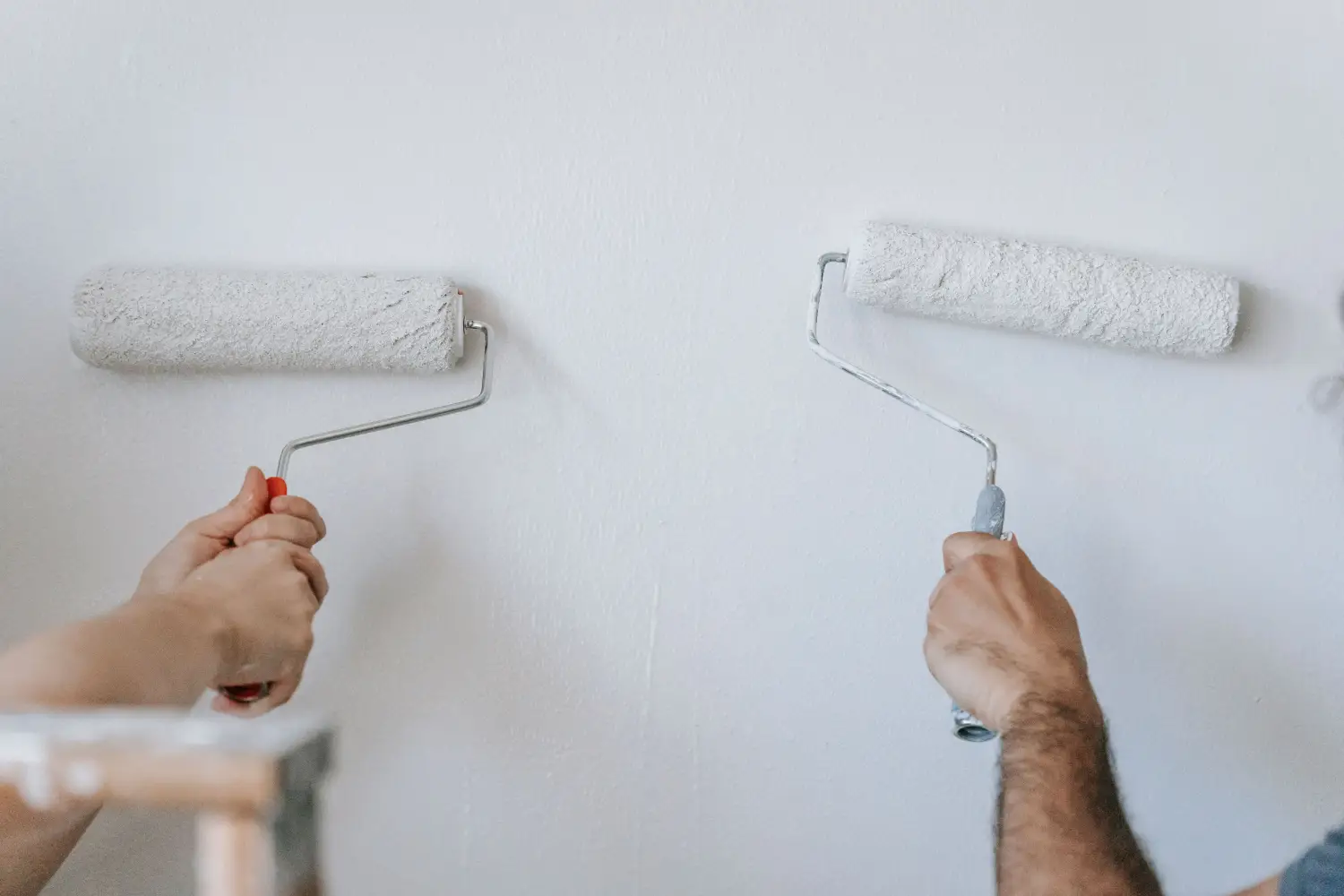
Satin paint sheen occupies a specific point on the gloss scale: a low-lustre finish that reflects light without producing a mirror-like surface. New homeowners often dismiss it as too shiny and default to eggshell, but for kitchens and bathrooms — the first rooms that must function in a new home — satin’s combination of moisture resistance and cleanability makes it the logical starting point. Its practical advantage isn’t about aesthetics alone; it’s about longevity in high-use zones that start accumulating wear the moment you move in.
The Early-Project Rooms That Demand Satin’s Resilience
Kitchen and bathroom walls become functional long before a house feels settled. Cooking begins while boxes still block the hallway; showers happen after a day of pulling up old carpet. These spaces face steam, cooking fats, toothpaste residue, and constant contact — often before a single coat of paint has had time to cure properly. The instinct among new owners is to reach for flat or eggshell, believing satin will read as glossy on a full wall. That choice creates a predictable problem: within a few months, flat paint absorbs moisture and stains permanently, and eggshell mars under light scrubbing. Satin doesn’t just sit between those options — it actively protects the surface in conditions where other sheens degrade, all while looking like an intentional finish rather than a commercial concession. The question isn’t whether satin is too shiny; it’s whether the alternative can actually survive the first year.
What Makes Satin Stand Up to Steam, Splatters, and Swipes
A Resin-Rich Formula That Handles Daily Abuse
The binder system in satin paints forms a tighter, more flexible film than what’s found in flatter sheens. This film flexes under impact — a chair back hitting a kitchen wall, a bathroom door swinging into a towel hook — rather than chipping. It also resists burnishing, the polished marks that appear when flat paint gets rubbed repeatedly. That same dense film closes off many of the microscopic pores where moisture and oil can permanently settle. In a bathroom that cycles through high humidity twice a day, those pores in flat paint swell, stain, and eventually fail. Satin limits what gets in, so the substrate stays sound longer.
Moisture Management Without a Glossy Look
Measured at an 85-degree angle, satin reflects 25–35% of light. Semi-gloss falls between 55% and 75%, which is why it often looks institutional on a vertical surface. Satin achieves its lower gloss through a specific ratio of flattening agents — particles that diffuse light just enough to cut the shine while preserving the resin network below. The practical result: condensation beads on the surface and can be patted dry without leaving a watermark. Steam from a stockpot doesn’t soak in and create ghost streaks. The finish protects the wall behind it without announcing itself as a protective coating.
The Wipe-Down Factor: Cleaning Without Compromising the Finish
Flat paint acts like a blotter. Eggshell survives a light dab but will often lighten or scuff when you work a splatter out of it. Satin tolerates a damp cloth, mild soap, and moderate pressure without losing its sheen or lifting color. That’s not a minor convenience — it’s the difference between a kitchen wall that still looks uniform after months of stovetop grease and one that develops a permanent shadow behind the range. The same holds next to a bathroom sink, where soap scum and toothpaste build up. Satin’s surface releases the grime without abrading the paint layer, so the finish remains intact through real cleaning cycles.
Where the Sheen Falls: Enough Reflection to Hide Minor Flaws
A common objection is that satin will spotlight every drywall seam and patch. In practice, satin’s moderate reflectivity softens the appearance of minor dents and textural inconsistencies. Flat paint hides defects by scattering light in all directions, but that scattering pattern breaks down once the surface gets dirty or burnished. High-gloss acts as a mirror, exaggerating every wave in the substrate. Satin splits the difference: it diffuses light enough to mute small irregularities while keeping the room from feeling visually dead. For walls that haven’t been skim-coated to a level-five finish — typical in a first home — this is genuinely useful.
Misconceptions That Keep Satin Off the Walls
The Shine Is Overpowering — Actually, It’s a Muted Lustre
Look at a satin sample under natural room light and the most common reaction is surprise at how restrained it is. It doesn’t gleam; it reads as a soft glow that shifts only slightly under angled light. The confusion usually comes from confusing satin with semi-gloss, or from seeing satin applied too thickly over poorly primed patches, which creates uneven shiny bands. A properly rolled, thin coat on well-prepared drywall produces something closer to velvet than vinyl.
Satin Magnifies Wall Defects — It’s More Forgiving Than You Think
Satin diffuses light, reducing the kind of sharp reflections that make defects jump out. With high-gloss, the edge of a taping seam can catch light like a lens. Satin’s surface breaks that reflection into a softer, wider scatter. Extreme raking light from a window might still reveal a seam, but it will be far less pronounced than the same seam under gloss. For walls still settling — common in a house that’s new to its owner — satin gives a buffer that flat paint doesn’t offer once it’s marked.
Touching Up Satin Is a Nightmare — With the Right Technique, It Blends In
Touch-up problems with satin are typically application errors, not material limitations. Dabbing brush-loaded paint onto a rolled surface creates a texture mismatch that catches the light differently. The solution: use a small roller with the same nap as the original application, thin the touch-up paint slightly to reduce edge thickness, and feather the coat outward. Done correctly, the repair disappears into the existing finish. This isn’t a satin-specific limitation — it’s a technique distinction for any sheen above flat, but flat paint’s lack of reflection simply hides poor technique better.
Satin vs. Eggshell: The Sheen Gap That Changes Everything
Eggshell and satin land next to each other on the sheen scale. Eggshell reflects roughly 10–15% of light; satin, 25–35%. That 15-percentage-point spread means eggshell is barely removed from the flat category, while satin crosses into demonstrably cleanable territory. In a kitchen, eggshell absorbs a splash of pasta water and leaves a permanent ring; satin beads it up so it wipes away. In a bathroom, eggshell behind a towel rack can develop mildew in the paint film; satin gives you a surface you can disinfect without degrading the finish. For low-use rooms — bedrooms, living spaces — eggshell works fine. But anywhere a water source or active cooking surface is present, satin’s resilience changes how long the paint job lasts and how often you’ll be hauling out the drop cloths again.
Frequently Asked Questions About Satin Paint Sheen
What exactly is satin paint sheen?
Satin is a mid-level sheen with a low lustre. It reflects 25–35% of light under standard gloss measurement, placing it between eggshell and semi-gloss. The finish is washable, durable, and substantially less reflective than semi-gloss.
Can you use satin paint in a bathroom that has a shower?
Yes, and it’s often the most practical choice for bathroom walls outside the immediate wet area. The sheen resists moisture without the hard look of semi-gloss. For the shower surround itself, a dedicated bathroom paint or semi-gloss is still the better call.
How does satin compare to semi-gloss for kitchen walls?
Semi-gloss reflects 55–75% of light and can make walls feel harsh. In a kitchen, satin provides nearly equivalent cleanability — splatters wipe off without lifting color — but at a much lower shine level. It keeps the wall looking like a room, not a galley.
Do I need a specific primer under satin paint?
No sheen-specific primer is required, but a properly selected primer appropriate for the surface (new drywall, previously painted, stained) is essential. Poor priming can cause uneven sheen development, which gets blamed on satin when it’s actually a prep failure.
Will satin paint show roller marks or lap lines?
It can if the application is rushed. Maintaining a wet edge, rolling in a consistent direction, and avoiding excessive pressure at the end of strokes prevents the texture variations that cause lap lines. Quality roller covers and deliberate technique produce a seamless surface.
Starting with Satin — A Sheen You Won’t Need to Revisit
Picking satin for the first rooms you paint in a new home isn’t a stylistic preference; it’s a functional match between the sheen and the conditions those rooms will experience immediately. Kitchens and bathrooms need a finish that tolerates moisture, resists staining, and holds up to repeated cleaning. Satin fills that need without the clinical reflection of semi-gloss or the vulnerability of flat. When you’re painting a bathroom at the end of a long moving day, the last outcome you want is to redo that room two years later because the finish gave out. Satin makes the first application the only one you’ll need for a long run.

Clara Bennett
After five years of transforming my 1920s bungalow room by room, I’ve refinished floors, hung blinds in bay windows, and spent more time choosing light bulbs than I’d like to admit. I learned paint sheens by painting my kitchen ceiling three times, and I found out the hard way that a rug too small makes a room feel unfinished. I believe every home can be both functional and beautiful, no matter the budget.
Related posts

12-Month First-Year Decorating Plan for New Homeowners
Stop guessing. This dependency-ordered 12-month plan puts paint before furniture, window treatments after move-in, and prevents costly rework. Start where you are and follow the sequence.

You're Installing Window Treatments at the Wrong Time: Here's When
Treating window treatments as a move-in afterthought costs you months of glare and lost privacy. The right time to decide is during the initial walkthrough. Here's the early order that works.
This Rug Size Is Destroying Your Living Room Layout
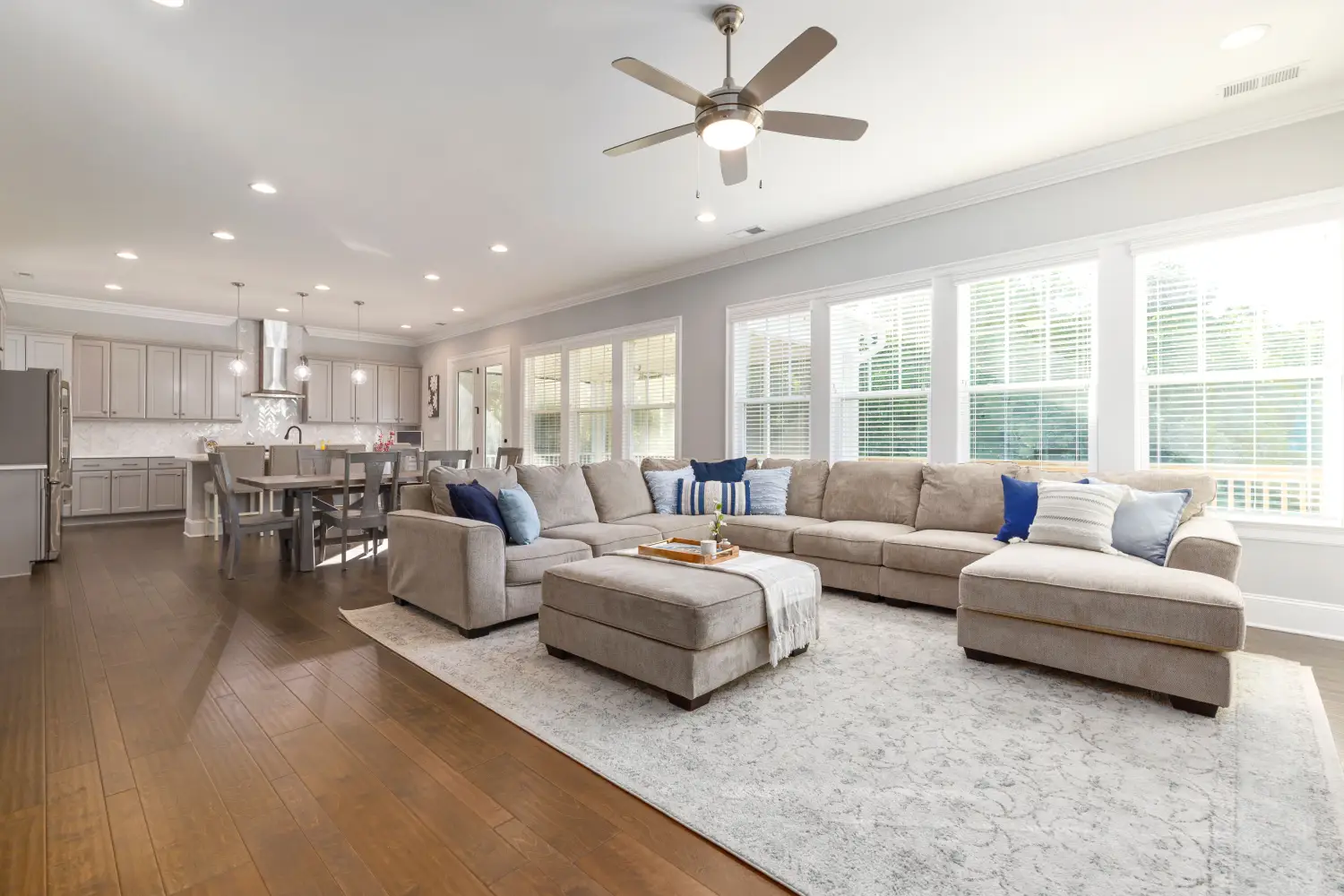
The most common beginner decorating mistake? A rug too small for the furniture. Learn exact sizing rules for every room and avoid buying twice.

The 36-Inch Rule Designers Use to Prevent Cramped Rooms
Learn how the 36-inch clearance rule creates walkable, open-feeling rooms. Get the step-by-step checklist and find out where you can shrink the gap without sacrificing comfort.

Don't Waste Your $10,000 Budget: A Room-by-Room Split
A fixed $10,000 renovation budget needs a clear room-by-room split before any shopping begins. Use these percentage rules of thumb to plan where the money goes first.