Living Room Overspend? Fix Your Decorating Budget Split
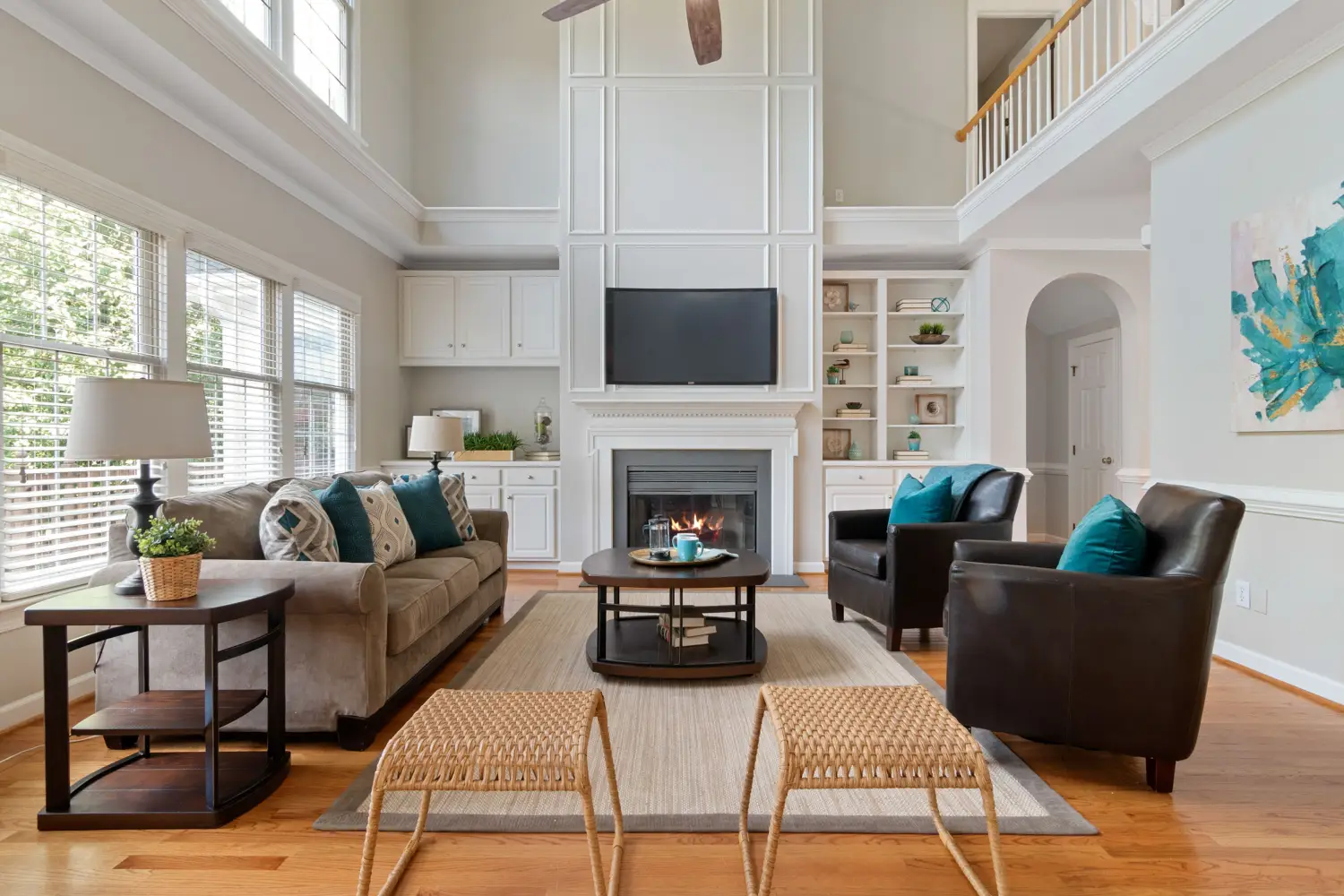
Stop sinking money into the living room first. Instead, divide your decorating dollars based on each room’s square footage, daily use, and guest traffic. Apply this split: 30% living room, 20% kitchen, 20% master bedroom, 15% bathrooms, 15% other spaces. That finishes every room — not just the spot with the television.
Divide Your Decorating Budget This Way
Step 1: Know Your Total Number Before a Single Purchase
Set a firm dollar figure across the entire house. Add up cash, savings tagged for decorating, and gift cards. If you are financing part of it, cap that amount now. Without a total, spending drifts and the living room quietly takes the overflow.
Step 2: List Every Room’s Size, Traffic, and Hours Used
A tiny powder room needs fewer furnishings but still demands clean finishes because guests see it immediately. Build a simple list: room name, square footage, estimated hours used daily, and guest traffic level (high, medium, low). This data — not a wish list — points to where money belongs.
Step 3: Cap the Living Room at 30% — Then Stop
Thirty percent of $5,000 is $1,500. That buys a solid sofa, a rug, and some lighting, not a full custom lineup. Choose the items that make the biggest difference within that slice and refuse to add “one more” accent chair. Paint, window treatments, and decor all draw from the same bucket. Blowing the lot on a sectional leaves bare walls and a bathroom mirror you hate.
Step 4: Send 20% to the Kitchen, the Hardest-Working Room
The kitchen isn’t a showpiece; it earns its keep daily. Twenty percent covers countertop accessories, cabinet-friendly paint, updated hardware, window coverings, and practical lighting. Remodeling is a separate job. The expensive mistake is skimping on task light because the budget went to a decorative backsplash that nobody works under.
Step 5: Put 20% Into the Master Bedroom for Real Rest
A bedroom treated as an afterthought wrecks sleep quality. Use this 20% for a good mattress topper or bedding, bedside lamps, blackout curtains, and wall color that quiets the room. Don’t spend it on a bed frame that looks good but leaves no money for adequate lighting. Prioritize what you feel every night.
Step 6: Give Bathrooms 15% — Neglect Shows Instantly
Even small bathrooms get sharp guest attention. With $750 from a $5,000 budget, update faucets, re-caulk, hang new mirrors, and replace tired towels and mats. These details prove the house is cared for. Avoid costly tile replacement unless the room is dangerously outdated; refresh without tearing anything out.
Step 7: Use the Final 15% on Entryways, Halls, and Leftover Rooms
This last slice rescues forgotten areas: entry consoles, hallway runners, art, and small items for a spare bedroom or office. It stops the “showroom room, bare hallway” problem. A laundry room gets a shelf and a cheerful mat. A barren hallway next to a lavish living room reads as unfinished — and it is.
When the Living Room Steals Every Other Room’s Money
Buying the Sofa Before Writing the Total Budget
Without a firm number, the living room pulls cash like a magnet. You choose a sofa, then a rug, then lamps, then a coffee table, and half the money is gone. Write the total first, assign percentages, then shop.
Funding the Prettiest Room, Not the Hardest-Working One
A statement chandelier in the living room doesn’t help when the kitchen has one bare bulb. Match spending to hours used. For most households, the kitchen and bedroom rack up more waking and sleeping time than the living room does.
Skipping the Small Guest-Facing Spaces
A powder room or entry needs very little money, yet if it looks shabby the whole house feels neglected. A guest’s first impression usually forms there, not in the living room. Dedicate a slice of the “other” 15% to spackle, paint, and a decent mirror.
Demanding a Catalog Living Room While Bedrooms Stay Bare
Some people will not stop until the living room matches a magazine, while bedrooms remain empty for years. A cohesive house means every room reaches a comparable finish level. Use the split to lift the floor everywhere.
Adjust the Split for Your Home’s Layout
Small Apartment or Studio
When the living area doubles as dining and sleeping, merge the living and bedroom percentages. Keep the kitchen and bathroom at their base. A 40% living/sleeping zone, 20% kitchen, 15% bathroom, 25% other makes sense.
Open-Plan Living and Kitchen
Treat the open expanse as a single visual zone. Shift some money from the living room allocation to the kitchen so finishes and colors connect. A 25% living, 25% kitchen, 20% bedroom, 15% bathrooms, 15% other split often performs better.
Multi-Bedroom Home with a Home Office
With extra bedrooms or a dedicated office, pull from the “other spaces” bucket and possibly trim a little from the master so each functional room gets its share. No room gets left unfurnished.
Your Budget Split Questions, Answered
I host often. Can the living room exceed 30%?
Only if you shrink another room’s percentage. Don’t inflate the total. Take from the “other spaces” slice or a rarely used guest bath.
My kitchen needs nothing extra. Do I still assign 20%?
Move that 20% to the next most neglected space. The point is that no room is left behind, not that every number is fixed.
I have only one bathroom — do I cut its share?
No. That single bathroom handles all household and guest traffic. Keep the full 15% and be ruthless with what counts as “other spaces.”
Does this split work if I decorate one room at a time over months?
Yes, but only if you track every receipt against the total. Run a tally per room. Without it, the living room will creep up and drain the bathroom fund.
What a Proportional Budget Delivers — and Your First Move
You now have a split that stops the living room from swallowing your whole decorating budget. Every room gets its fair share, and the finished look extends past one room. Pick the most currently forgotten room — the kitchen or master bedroom is usually the one — and spend its allocation on the single highest-impact item first. Complete that upgrade, then move to the next room until the full 100% is placed with purpose.

Clara Bennett
After five years of transforming my 1920s bungalow room by room, I’ve refinished floors, hung blinds in bay windows, and spent more time choosing light bulbs than I’d like to admit. I learned paint sheens by painting my kitchen ceiling three times, and I found out the hard way that a rug too small makes a room feel unfinished. I believe every home can be both functional and beautiful, no matter the budget.
Related posts

New Homeowner? Your Whole-House Decorating Budget Starts Here
Set a whole-house decorating budget as a percentage of home value, then allocate room by room with the soft-first rule. Avoid the furniture-first trap that drains your fund.

The Decorating Budget Category Most People Forget
Soft furnishings—curtains, rugs, blinds—can cost as much as your furniture. Learn the exact percentage splits for a realistic room budget and stop overspending.
Decorating Budget Timeline: The First 6 Months Matter Most
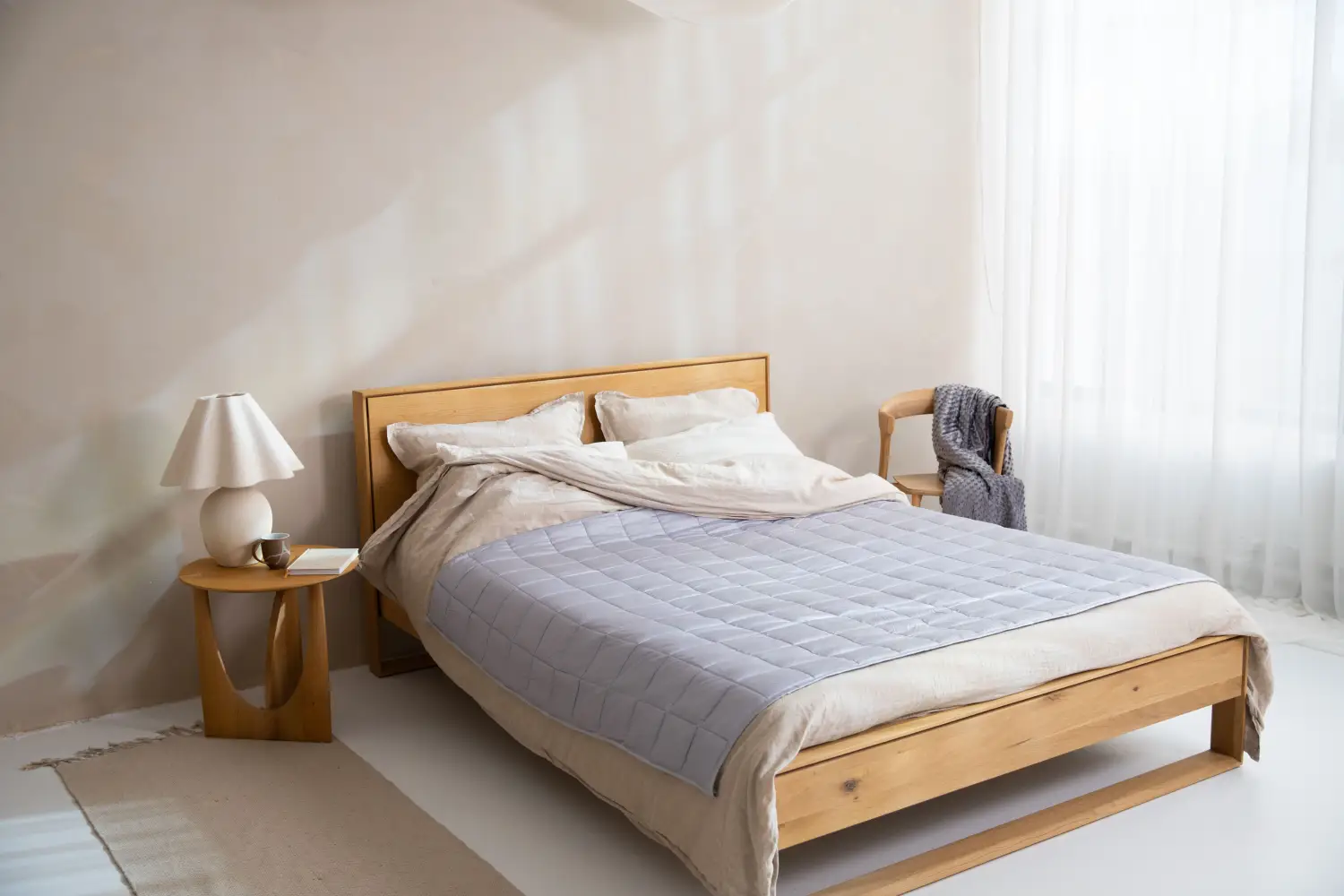
Stop buying art before a bed. This month-by-month spending plan puts mattress, window coverings, and seating first, with a rolling budget that adapts to real costs. See the checklist.
Decorating a Whole House on $5,000? Here’s the Real Plan
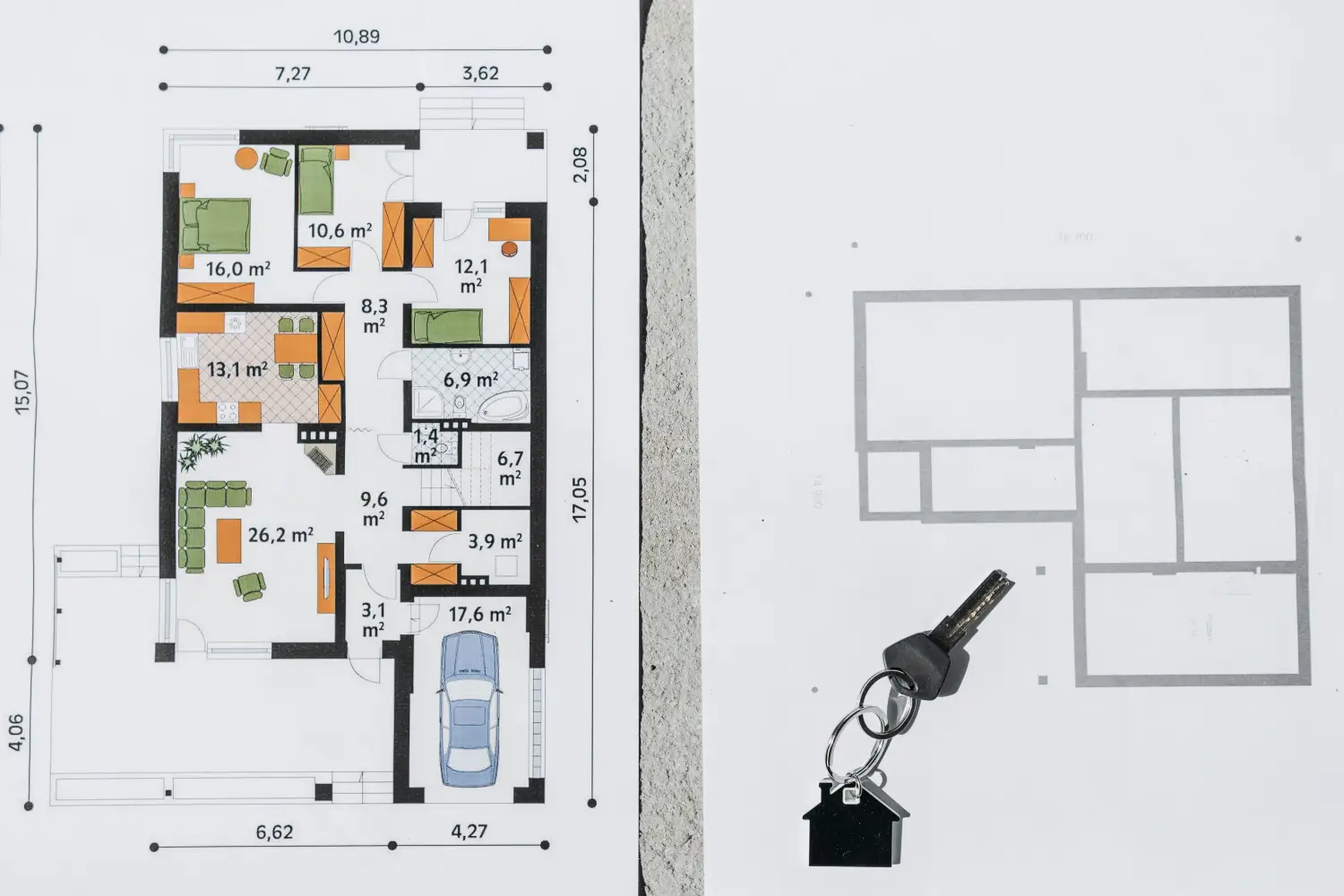
A step-by-step plan to furnish a 1,200 sq ft first house on $5,000: prioritize sofa, bed, dining table; save with paint, secondhand finds, IKEA hacks.