Decorating a Whole House on $5,000? Here’s the Real Plan
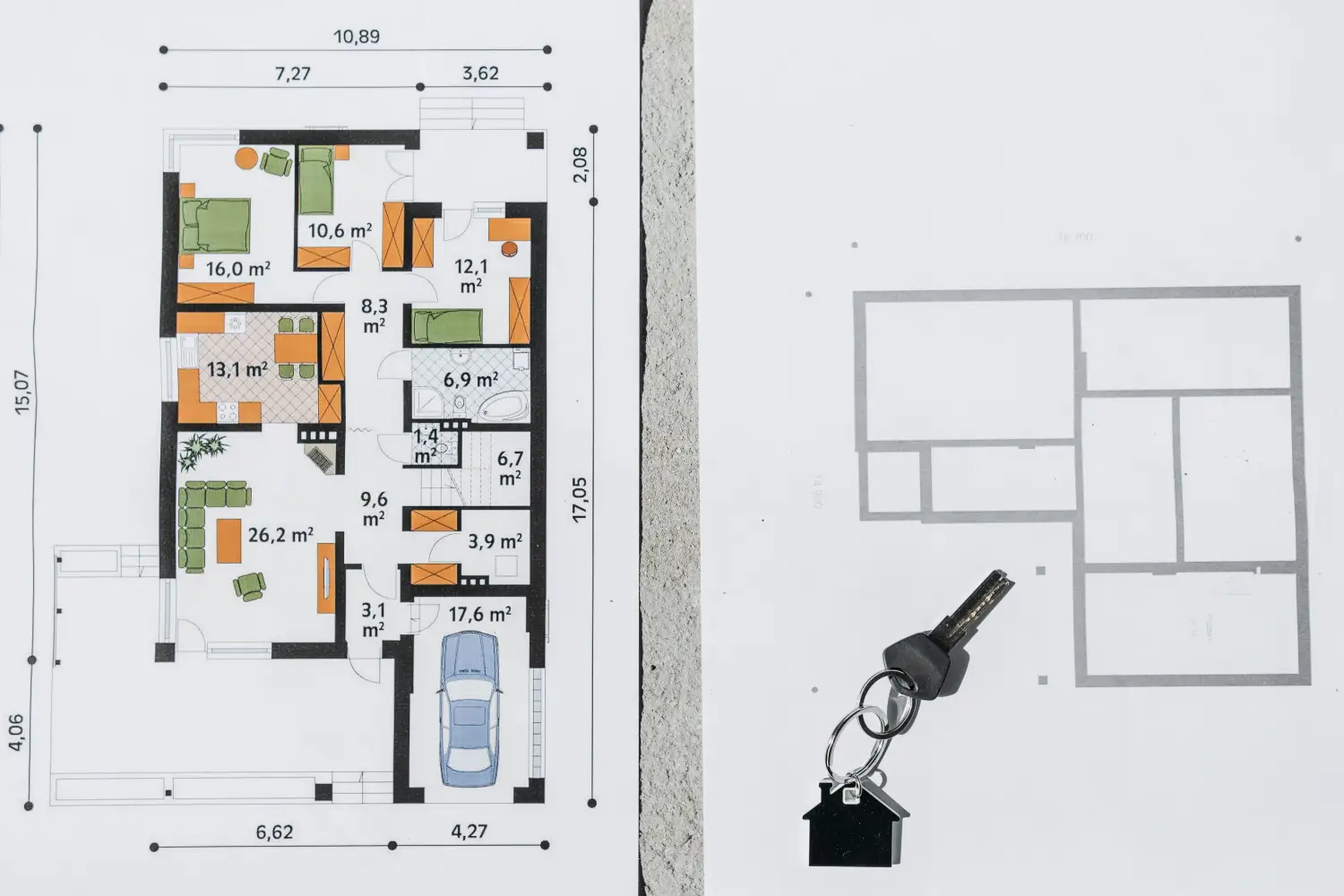
Yes, you can absolutely decorate a 1,200-square-foot house for $5,000 — even if you’re starting with empty rooms and a tight first-time-homeowner budget. The trick is to spend most of your money on the three things you’ll use every single day: a comfortable sofa, a good mattress and bed frame, and a sturdy dining table that can also be your workspace. Then you save on everything else through paint, used furniture, and smart IKEA hacks, while pulling the whole look together so it feels calm and intentional.
The $5,000 Plan That Actually Feels Like Home
Picture this: a first-time homeowner walks into a 1,200-square-foot house with a living room, a bedroom, and a small dining nook — and zero furniture. The challenge is to furnish all three spaces for $5,000 without making it look thrown together. The outcome: by putting roughly 60% of the budget into a sofa, a bed, and a dining table, and using paint, secondhand gems, and a few IKEA upgrades for the rest, the house becomes a cohesive, comfortable home in a matter of weeks, all for around $4,950. The process was far from random; it followed a careful, repeatable plan.
The Starting Point: Empty Rooms and a Firm Number
A new homeowner just closed on a modest house with an open living area (about 400 square feet), a compact bedroom, and an eat-in kitchen with a tiny dining alcove. The previous owners left only wall sconces and a beat-up stove. There was no sofa, no bed frame, and the dining area held a wobbly card table. After the down payment and closing costs, exactly $5,000 remained for decorating. That number had to work across three rooms, and the pressure to make it feel like home was real.
It would have been easy to blow the whole budget on small, pretty things while still sleeping on the floor. The smarter path was to anchor the house around a few high-quality, everyday pieces and then build outward with patience and creativity.
Step by Step: How to Furnish Three Rooms for Under $5,000
Paint First: The Cheapest, Fastest Transformation
Before moving in anything heavy, the first purchase was paint. A gallon of high-quality paint in a neutral warm white covered the main living area walls, and the bedroom got a soft, warm greige that worked with the same white trim. The ceiling was painted flat white to bounce light, and all trim and doors received the same semi-gloss white for a continuous, clean line. The total for paint, brushes, and rollers came to about $200. That one step instantly unified the three rooms and set the stage for every future decision.
Choosing a whole-house palette at the start made a huge difference. The homeowner settled on just two wall colors — one for the main space, one slightly deeper for the bedroom — plus one universal trim color. That simple limitation later made thrifted furniture and even simple IKEA decor feel like they were planned.
Anchor Pieces: Where Every Dollar Earns Its Keep
With fresh walls, attention turned to the three pieces that would carry daily life: a sofa, a bed, and a dining table.
For the living room, a three-seat fabric sofa with removable, washable covers came from a direct-to-consumer brand at $1,050. It wasn’t fancy, but the classic shape and heathered gray fabric hid wear and felt inviting. In the bedroom, a medium-firm queen mattress and a simple platform bed frame from a big-box store totaled $820 — the mattress made the most noticeable difference in how restful the room felt. The dining alcove got a six-foot rectangular table and four matching chairs from a secondhand shop, sanded and refinished at home for $550. Together, the three anchors cost $2,420, leaving plenty of room for the rest.
Fill the Gaps with Thrifted Pieces and a Little DIY
Once the big pieces were set, the search for filler furniture began. Side tables, a coffee table, a dresser, and a bookcase all came from Facebook Marketplace and local thrift stores. The goal was to find solid wood or sturdy veneer pieces with clean lines that could be lightly sanded and repainted. A $40 coffee table got three coats of white semi-gloss. A $75 mid-century dresser replaced the missing bedroom closet door and became a focal point after new knobs and a coat of deep charcoal paint.
Lighting changed the mood completely. Two floor lamps from a Habitat for Humanity ReStore ($30 each) and three plug-in wall sconces from IKEA ($25 each) replaced the harsh overhead fixtures. This filler phase cost about $500 and left the rooms feeling far more layered.
IKEA Hacks That Add Storage and Style
The open living area lacked any built-in storage, so two IKEA Billy bookcases were painted to match the wall color, then trimmed with baseboard and crown molding to create a floor-to-ceiling built-in look — all for under $200. In the dining nook, an IKEA Kallax unit was topped with a plywood surface and hairpin legs, turning it into a room divider and buffet for about $350, including hardware and molding.
Textiles and Decor: The Layer That Pulls It All Together
Rugs, curtains, pillows, and art came last. A large 8x10 rug in the living room, placed so it sat under the front legs of the sofa, defined the whole space and cost $180 from an online clearance sale. Bedroom curtains were simple cotton panels with a subtle linen texture, while the living area used sheer white curtains to maximize natural light. Pillows in warm gray, soft blue, and wood tones echoed the palette, and a set of digital prints downloaded and framed at a local shop went into thrifted frames. This layer added another $580.
Where Every Dollar Went
- Paint and painting supplies: $200
- Sofa: $1,050
- Mattress and bed frame: $820
- Dining table and chairs: $550
- Secondhand filler furniture and lighting: $500
- IKEA hack storage pieces: $350
- Rugs, curtains, pillows, and art: $580
- Miscellaneous (hardware, sandpaper, screws): $60
Total: $4,110 — which left $890 for a cushion or a future upgrade.
That leftover money wasn’t a mistake; it was deliberate. It later covered a rug exchange with no stress and proved that building in a buffer makes the whole plan more human.
Where It Gets Tricky: Obstacles You’ll Probably Face
Furnishing a whole house on $5,000 is never a perfectly smooth ride. The biggest roadblock was finding a dining table that didn’t look like it came from a frat house — many secondhand tables were the wrong size for the compact dining nook, so the search ate up three weekends. Looking for a used sofa also taught a tough lesson: bargain sectionals often carry permanent odors, so the homeowner passed on two that seemed like good deals before settling on the new option.
Paint caused a small stumble too. The first greige swatch turned lavender in the bedroom’s afternoon light, requiring another gallon of a warmer shade — adding $35 and a few hours of re-rolling. That could have been prevented by testing large swatches on the wall and checking them at different times of day. It’s a humbling moment many first-timers share.
What $5,000 Actually Bought
After six weeks, the three rooms were no longer empty skeletons. The living room had a cozy seating area, a functional media console, and a rug that gave the space definition. The bedroom felt peaceful with a real mattress and an organized dresser. The dining alcove comfortably seated four people, with storage right there. Counting the paint correction, the total spend landed at roughly $4,920 — right under the cap.
Best of all, no guest could tell what cost $1,000 and what cost $40. The consistent color palette and unified white trim made the secondhand dresser look intentional, and the IKEA built-in read as custom. The result wasn’t a magazine spread, but it was a home that felt collected and warm, not chaotic.
Five Lessons Worth Carrying Into Your Own Project
Paint is the fastest way to make a house yours. It costs less than any piece of furniture and can tie the most random thrift finds together.
Put your money where your comfort lives. A sofa, a bed, and a dining table anchor your daily life. If you skimp on these, you’ll end up replacing them sooner — and blow past that $5,000 ceiling.
Used furniture isn’t a compromise; it’s often better quality. A secondhand solid-wood dresser will outlast a new particleboard one of the same price, and it has more character.
A fixed color palette is the secret to making thrifted decor sing. Sticking to three or four shades makes mismatched eras vanish. Every pillow, frame, and rug suddenly belongs together.
Rug size matters more than rug price. An undersized rug makes even the nicest room feel unsettled. An 8x10 that reaches under the front legs of the sofa is worth every inch, even if it’s a budget find.
How to Use This Plan in Your Own Home
Start by listing the three rooms you use most and naming the anchor piece each one needs. Give yourself a realistic budget for those anchors — around $1,000 for a sofa, $800 for a bed setup, and $600 for a dining set is a solid guide. Before you buy any other item, paint. Pick a limited palette: one main neutral, a slightly deeper shade for the bedroom, and a single trim color everywhere.
Next, dedicate a weekend to thrifting. Look online ahead of time for wood furniture within a 20-mile radius, and be patient — the right coffee table might take two weeks to show up. When you find a piece, ask yourself: can a coat of paint and new hardware turn this into something special?
Finally, don’t try to finish every room all at once. Let textiles and decor arrive slowly, always within your chosen palette. The leftover $890 guideline is also good practice: set aside about 10% of your budget for corrections and happy surprises. That cushion makes a tight plan feel forgiving instead of fragile.
Questions That Come Up When You Decorate a Whole House on $5,000
Can I really find a decent sofa for less than $1,000?
Absolutely. Several direct-to-consumer brands and seasonal sales offer well-reviewed three-seat fabric sofas between $800 and $1,100. Look for removable, washable covers and a high-density foam core. If you go used, check for a solid frame and avoid anything with a pet or musty smell.
Where do I find used furniture that doesn’t look sad?
Stick with solid wood — it ages much better than veneer or particleboard. Facebook Marketplace, OfferUp, and Habitat for Humanity ReStores are the best spots. Sort by newly listed and inspect photos for deep scratches or water damage. A piece with good bones and a dated finish is actually a gift, because sanding and repainting will pull it into your whole-house look.
Is it safe to buy a used mattress just to save money?
This is the one place where “used” isn’t worth the risk — bedbugs, allergens, and sagging springs are real. Buy a new mattress, even an affordable mattress-in-a-box that starts around $300 for a queen. If the $800 bed budget feels tight, spend less on the frame (a simple metal platform is fine) and put the savings into the mattress itself. Your sleep will thank you.
The single most important truth from this whole $5,000 plan is that a pulled-together home doesn’t demand a big budget — it demands a few brave choices. Pour your resources into a sofa, a bed, and a dining table; paint the walls to connect everything; and let secondhand and hackable pieces fill in the rest. Stay patient, keep a limited palette, and a 1,200-square-foot house can feel like home far sooner than you expect.

Clara Bennett
After five years of transforming my 1920s bungalow room by room, I’ve refinished floors, hung blinds in bay windows, and spent more time choosing light bulbs than I’d like to admit. I learned paint sheens by painting my kitchen ceiling three times, and I found out the hard way that a rug too small makes a room feel unfinished. I believe every home can be both functional and beautiful, no matter the budget.
Related posts

New Homeowner? Your Whole-House Decorating Budget Starts Here
Set a whole-house decorating budget as a percentage of home value, then allocate room by room with the soft-first rule. Avoid the furniture-first trap that drains your fund.

The Decorating Budget Category Most People Forget
Soft furnishings—curtains, rugs, blinds—can cost as much as your furniture. Learn the exact percentage splits for a realistic room budget and stop overspending.
Decorating Budget Timeline: The First 6 Months Matter Most
Stop buying art before a bed. This month-by-month spending plan puts mattress, window coverings, and seating first, with a rolling budget that adapts to real costs. See the checklist.
Living Room Overspend? Fix Your Decorating Budget Split
Stop dumping the whole decorating budget into the living room. Use a 30-20-20-15-15 split by room size, use, and visibility to finish every room.