Decorating Budget Timeline: The First 6 Months Matter Most
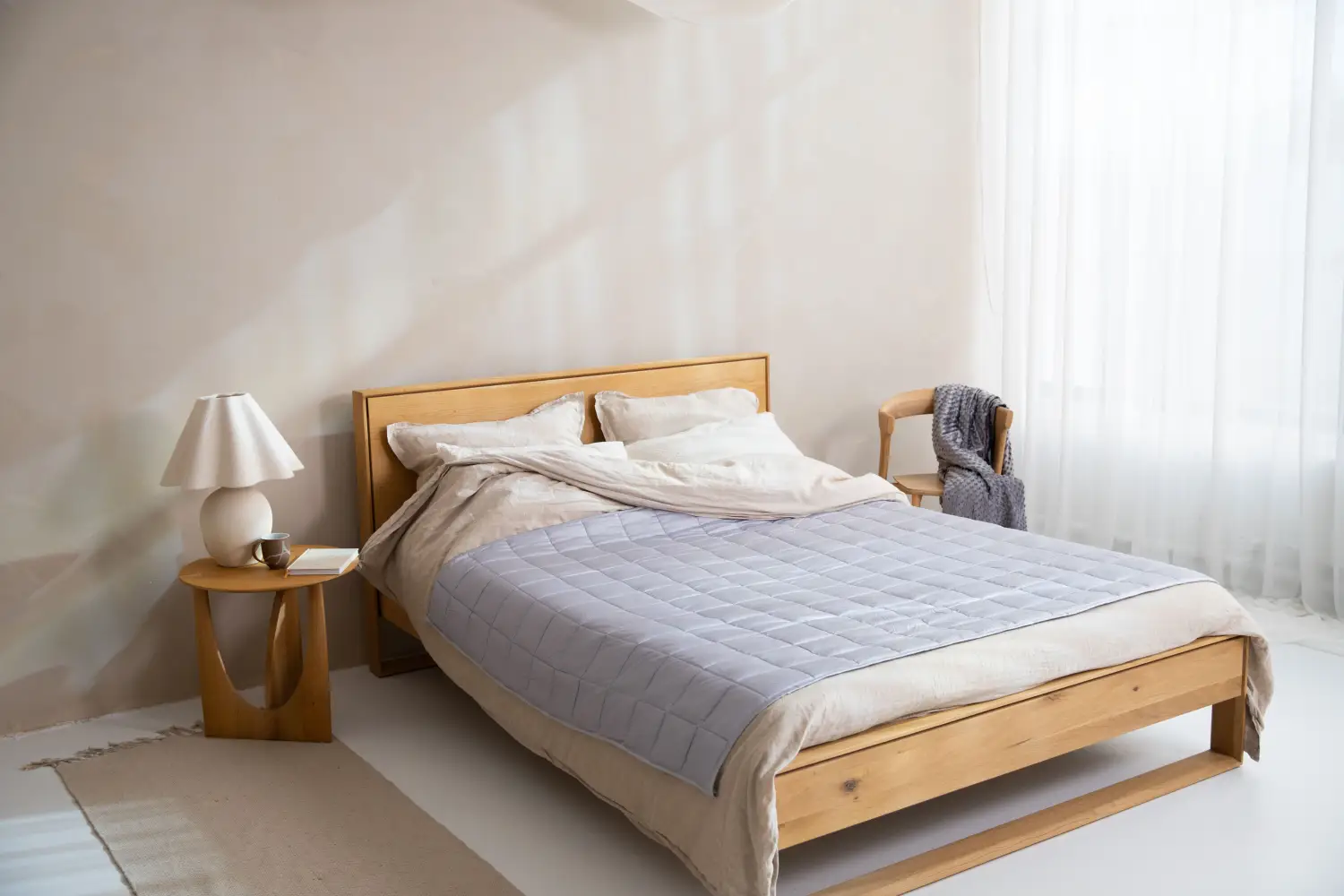
Most first-time decorators blow their budget on art and end up sleeping on a floor mattress. Don’t. This plan forces the boring-but-essential purchases up front, so you’re never hanging a canvas in a room without a place to sleep. It’s a month-by-month spending sequence that starts with a mattress and window coverings and saves purely decorative items for month six, using a rolling budget that flexes when real-life costs hit.
What Smart Spending Looks Like After 6 Months
Walk into any room and it works. Beds have real mattresses and blackout curtains that let you sleep in. Sofas you can actually sink into anchor living spaces. A table for eating, a lamp you can read by—no more squinting under a single overhead bulb. Clothes are in a dresser, not piled on a chair. Sure, the walls might be a little bare, but nothing screams “I bought this before I could sleep properly.” And you’ll have a spending log that tells you exactly how much next phase can cost without guessing.
The 6-Month Purchase Sequence: A Checklist
This checklist isn’t just a list—it’s your rolling budget playbook. Each checkbox is a spending gate. If you under-spend one month, push the extra into the next. Over-spend? Pull it from the later decorative months. A $50 secondhand sofa frees up cash for better lighting in month three. No rigid numbers, just priorities.
- Month 1: Buy a supportive mattress and install blackout curtains or privacy blinds.
- Month 2: Add one main seating piece (sofa or large chair) and a dining surface (table, cart, or bar-height counter).
- Month 3: Install lighting that works—replace missing fixtures, add floor and task lamps.
- Month 4: Bring in storage (dresser, shelving, entryway hooks) to get belongings off the floor.
- Month 5: Layer in textiles—rugs, upgraded bedding, bath towels—plus a large mirror.
- Month 6: Add purely decorative items (art, plants, throw pillows) only after confirming all essentials are covered. If money is short, skip entirely.
Breaking Down Each Month’s Purchases
Month 1: Buy the Mattress and Hang Window Coverings First
Get a mattress—any decent mattress. A $300 foam mattress in a box beats a pricey bed frame that shows up with nothing to put on it. Then install blackout curtains using tension rods if you rent; privacy and sleep come before styling. Don’t even look at a headboard yet. The mistake everyone makes: ordering a statement bed and sleeping on an air mattress for weeks. Timeline: one week to research, a few days to get everything set up.
Month 2: Add Seating and a Surface You Can Actually Use
A sofa or oversized chair gives the living room a focal point—secondhand is perfectly fine if money’s tight. Pair it with a dining surface: a small table, a kitchen cart, a wall-mounted drop-leaf. The goal is one spot to eat or work that isn’t the floor. People mess this up by buying a coffee table first, leaving them with a surface and nowhere comfortable to sit. That’s backwards. Allow two to three weeks for used finds, one week for new delivery.
Month 3: Light the Room Properly
Replace bare bulbs with a basic flush-mount or plug-in pendant. Add a floor lamp in the living area and a task lamp by the bed. Use 2700K–3000K bulbs—cool white turns a sparse room into an operating theater. Even renters can use plug-in sconces. The big error: living with one overhead light and wondering why every corner looks grim. A weekend is all it takes.
Month 4: Get Storage Before the Clutter Wins
A dresser, a bookshelf, or entryway hooks stops the box-living spiral. Closed storage hides daily chaos better than open shelves. If cash is tight, sturdy boxes wrapped in fabric make temporary nightstands. Common mistake: buying pretty baskets before you have any surface to put them on, so stuff still piles up everywhere. One to two weeks to assemble or thrift something.
Month 5: Add Textiles and a Mirror—Get the Rug Size Right
An 8x10 or larger rug anchors the living room; all front legs of furniture should sit on it. Buy a duvet cover, two sets of sheets, and decent towels. Hang a big mirror opposite a window to spread light. The classic mistake is a too-small rug—it floats in the middle like a postage stamp and makes the whole room feel off. Bedding and towels are quick, but rug delivery can take up to three weeks.
Month 6: Decorate Only If Everything Else Is Done
Now you can add art, pillows, plants, a vase. Lean prints on a shelf instead of hanging them right away. But first, physically check that months one through five are all in place. If an unexpected bill ate your budget, skip this month entirely—the room already functions beautifully. The trap: buying decorative pillows while you still haven’t fixed a broken overhead light or lack a reading lamp. One to two weeks, only if earlier months are fully covered.
The 5-Minute Audit: Did You Cover the Essentials?
- Every sleeping area has a real mattress and light-blocking window treatment.
- Each main room has layered light (overhead plus floor or task lamp).
- There is a dedicated surface for eating and working.
- No piles of belongings without a storage home in any room.
- No decorative item was purchased before the mattress, window coverings, seating, lighting, or storage were fully addressed.
Frequently Asked Questions
What if my budget is too tight to follow this timeline?
Scale down the amounts, not the order. A $150 mattress and $20 blackout curtains still cover month one; free sofas exist in buy-nothing groups. The sequence protects functions; cheap and functional beats pretty and useless.
Can I swap months around if I find a great deal on something earlier?
Only if the earlier months’ essentials are already done. A markdown rug in month three might tempt you, but without a dining surface it sits on empty floor. Build the foundation before adding layers.
How much should I allocate per month?
No magic number, but starting with $200–$300 in month one and adjusting based on actual spending works. Under-spend one month, funnel the surplus forward. Over-spend, pull from the decorative months at the end. That’s the rolling budget in action.
What about kitchen essentials—where do they fit in?
Kitchen tools are functional, not decorative. If you cook, budget a basic pot, pan, knife, and cutting board alongside month two’s dining surface. They don’t replace seating or lighting priorities.
Do I need to buy everything new?
No. Used furniture often holds up better than cheap new particleboard. The only must-buy-new items are the mattress and any soft goods you can’t thoroughly clean (pillows, duvet) for hygiene.
The First Six Months Are Your Foundation—Use Them
Follow this plan and you get a home that works from day one: dark bedrooms, a place to sit and eat, light you can read by. Every later decorative choice adds meaning instead of covering a gap. One tip for next time: start a private notepad now with price alerts set on need-now and want-later items months before you move. Then you’ll never window-shop for a sofa before you even know what size your next living room will be.

Clara Bennett
After five years of transforming my 1920s bungalow room by room, I’ve refinished floors, hung blinds in bay windows, and spent more time choosing light bulbs than I’d like to admit. I learned paint sheens by painting my kitchen ceiling three times, and I found out the hard way that a rug too small makes a room feel unfinished. I believe every home can be both functional and beautiful, no matter the budget.
Related posts

New Homeowner? Your Whole-House Decorating Budget Starts Here
Set a whole-house decorating budget as a percentage of home value, then allocate room by room with the soft-first rule. Avoid the furniture-first trap that drains your fund.

The Decorating Budget Category Most People Forget
Soft furnishings—curtains, rugs, blinds—can cost as much as your furniture. Learn the exact percentage splits for a realistic room budget and stop overspending.
Living Room Overspend? Fix Your Decorating Budget Split
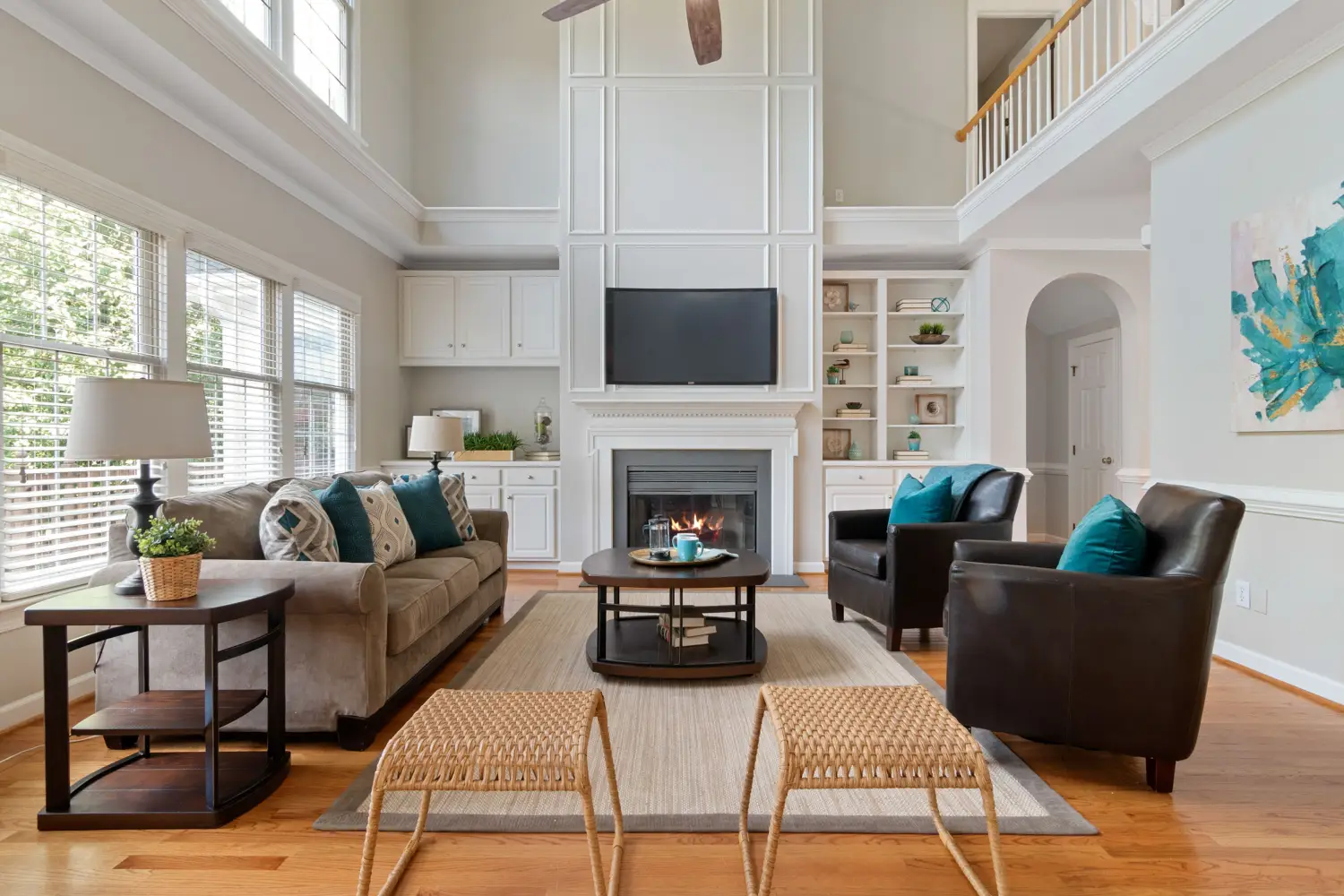
Stop dumping the whole decorating budget into the living room. Use a 30-20-20-15-15 split by room size, use, and visibility to finish every room.
Decorating a Whole House on $5,000? Here’s the Real Plan
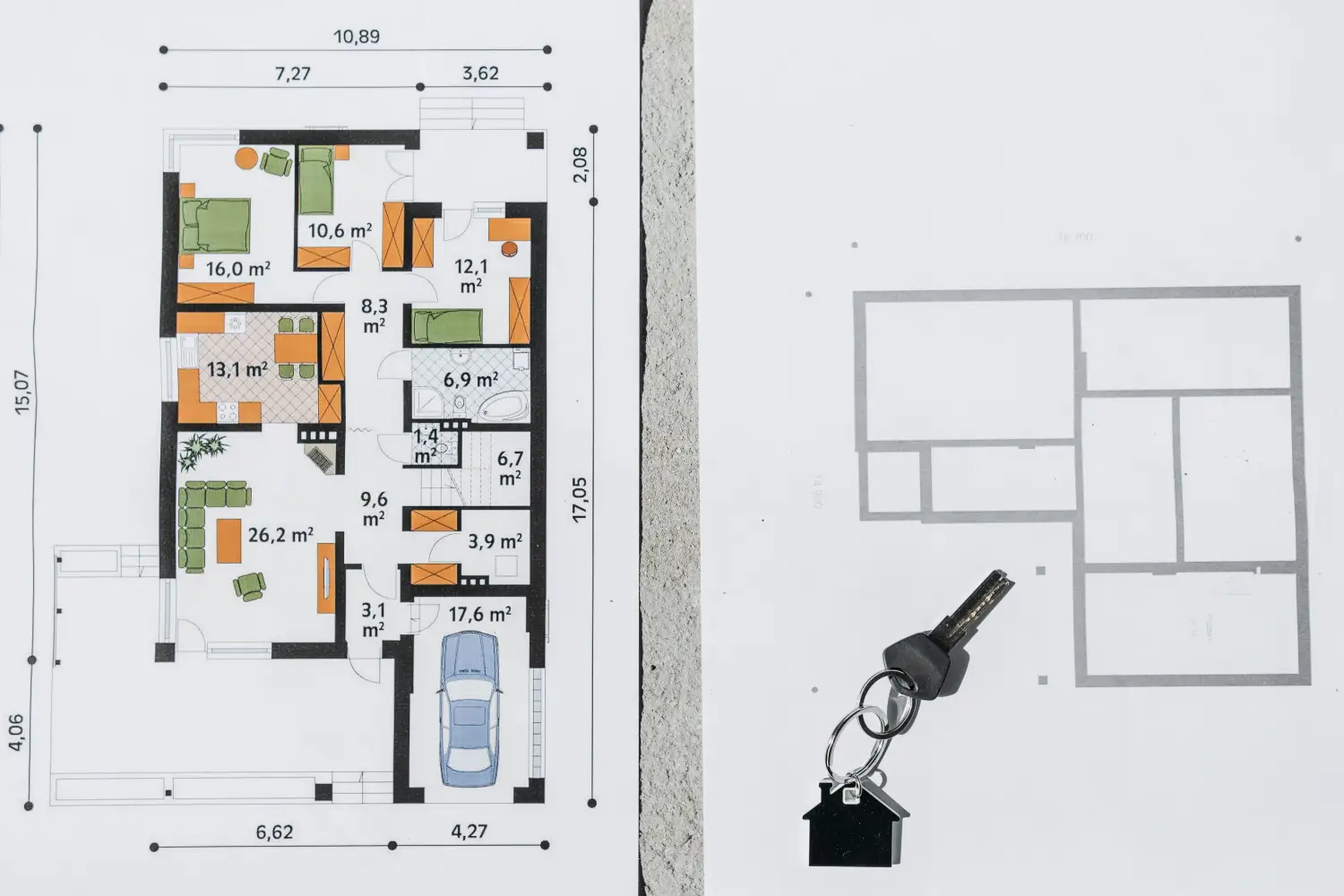
A step-by-step plan to furnish a 1,200 sq ft first house on $5,000: prioritize sofa, bed, dining table; save with paint, secondhand finds, IKEA hacks.