The Decorating Budget Category Most People Forget

Most room budgets start with a furniture list and end with a scramble for curtains and rugs. What gets left off the initial calculation is the soft furnishing category—blinds, drapes, pillows, and area rugs—which routinely absorbs about 25% of total spend, often matching the furniture line itself. This article gives a category-by-category percentage split that stops the guessing.
The Financial Reality of Soft Furnishings
When building a room budget, people price the sofa, the dining set, the bed. They rarely tally curtain panels per window or compare wool rug costs against the coffee table they plan to place on it. The individual prices feel small—$120 for a throw pillow, $90 for a sun-blocking shade—but a typical living room with two exposures needs six to eight soft furnishing items. The aggregate swings the budget dramatically. A single custom Roman shade runs $400–$800; a mid-range 8x10 wool rug runs $600–$1,200. By the time four pillows and a pair of drapes join the list, the soft furnishing line can match or exceed a sofa’s cost. The error is structural: the soft category is left off the spreadsheet until the furniture numbers are already firm.
The 100% Room Budget Split
Assigning fixed dollar amounts early rarely works; percentage allocations handle scope changes better. The following distribution comes from tallying hundreds of real room redos, with soft furnishings deliberately pulled into its own line.
| Category | % of budget | Example (total budget $5,000) |
|---|---|---|
| Furniture | 40% | $2,000 |
| Soft furnishings | 25% | $1,250 |
| Paint and wallcoverings | 10% | $500 |
| Lighting | 10% | $500 |
| Accessories | 15% | $750 |
These percentages aren’t a rule so much as a reality check. In a room with four large windows, soft furnishings will climb toward 30%; in a room with bare walls and one small window, they might drop to 20%. The table’s value is preventing soft furnishings from staying invisible until the checkbook is empty.
Furniture Commands 40%, But It Leaves a Void
The largest allocation goes to the pieces that define function: seating, case goods, and tables. That 40% can feel substantial, yet it rarely stretches beyond the must-haves. Without deliberate planning, nothing remains for the layers that actually make a room livable.
Soft Furnishings Take 25%—The Number That Surprises Every First-Time Decorator
Window treatments, area rugs, decorative pillows, and throws sit in this bucket. Together they equal a quarter of what you spend—and in rug-anchored living spaces, the rug alone can exceed the cost of an accent chair. Because few people pull soft furnishing costs during the design phase, this category causes most budget blowouts.
Paint and Wallcoverings Cover 10%—A Predictable Baseline
Wall finishes are often the one category people estimate correctly. Expect $100–$300 for DIY paint, $400–$800 for hired painting, and more if wallpaper enters the picture. The 10% allocation holds for average-sized rooms without exotic wallcoverings.
Lighting Claims 10%—Easy to Overspend
A single semi-flush mount or a few table lamps can eat this entire allocation. Ceiling fixtures, floor lamps, and sconces are frequently purchased before soft furnishings, which is a sequencing mistake—lighting is important, but a room with a perfect chandelier and bare windows still feels incomplete.
Accessories Finish at 15%—The Part You Buy Last
Art, mirrors, ceramics, books, and greenery. These items personalize the space, but purchasing them ahead of a rug or window treatments leaves the room with personality on the walls and none underfoot.
Room Types Where Soft Furnishings Push the Percentage Higher
In a living room with a large rug, two big windows, and throw pillows on a sectional, soft furnishings can easily reach 30–35% of total spend, reducing furniture’s share to 35%. A bedroom with blackout curtains and a thick rug under the bed might hover at 25–28%. Kitchen and bathroom remodels barely use soft goods, but in any space where sitting and sleeping happen, the 25% baseline is conservative. Count the windows and measure the floor area before you commit to a percentage; those two metrics determine whether the soft furnishing allocation is adequate or dangerously low.
What Soft Furnishings Actually Cost, Line by Line
Concrete numbers prevent the mental accounting gap. For a standard living room:
- Curtains or drapes (two panels): ready-made, $80–$400; custom, $400–$1,200.
- Blinds (per window): faux wood, $60–$200; cellular or Roman shades, $150–$500.
- Area rug (8x10): synthetic, $200–$800; wool, $500–$2,000.
- Throw pillows (four, with inserts): $80–$240.
- Throws: $30–$100.
In a room with two exposures, a seating area, and standard finishes, the soft furnishing subtotal lands between $1,200 and $3,000. That number is not an add-on; it is a structural piece of the budget.
A Budgeting Sequence That Accounts for Soft Goods
- Price the rug and window treatments before the sofa. If the room needs $1,600 in curtains to be functional, the furniture budget must adjust downward.
- Floor area and window dimensions dictate cost, not style preferences. A 6x9 rug under an 8-foot sofa looks unbalanced; measure the seating footprint and add 24 inches on each side for proper rug size.
- Allocate a dedicated line item for soft furnishings. Avoid lumping them under “decor.” A clear 25% line prevents the sort of creeping spend that leaves you with expensive furniture and bare windows.
- Spend on the rug; compromise on the pillows. A high-quality wool rug anchors the entire room while pillow covers can be swapped or made inexpensively. Ready-made curtains hung properly often look nearly identical to custom.
Key Takeaways
- Soft furnishings—curtains, rugs, blinds, pillows—typically account for one-quarter of a room’s total budget and can outpace furniture costs in window-heavy spaces.
- A practical percentage split is: furniture 40%, soft furnishings 25%, paint/wallcoverings 10%, lighting 10%, accessories 15%.
- The single biggest planning error is burying soft furnishings in a general “decor” category rather than treating them as a fixed cost.
- Window count and floor area are the variables that move the 25% figure up or down; check both before finalizing any spend caps.
- Invest in the rug, not the pillows; use ready-made curtains wherever possible to protect the soft furnishing budget.
FAQ
Why are soft furnishings so costly?
Materials like wool, blackout lining, and hardwood blinds, plus skilled fabrication and installation, drive prices. A custom curtain can involve hours of labor for patterning and sewing, and window treatments frequently require professional mounting.
Can I skip soft furnishings to stay on budget?
A room can function without them, but it will feel unfinished, echoey, and uninviting. Even basic options like simple roller shades and a flatweave rug dramatically improve comfort and visual weight.
How do I estimate soft furnishing costs before I start?
Measure every window width and height, calculate the square footage of the floor area you want to cover, and research standard-size products online. Add 15–20% for hardware and installation to avoid underestimating.
What’s the one soft furnishing worth spending more on?
The main area rug. An undersized or poor-quality rug undermines the proportions of the entire room, while a correctly sized durable rug pays back over years of daily use.
Your Budget Should Start With the Rug, Not the Sofa
The 25% soft furnishing allocation isn’t optional. It’s the piece that makes a room feel finished, not staged. Pick the rug size and window coverings before choosing the furniture, because those numbers create the container the rest of the budget fits inside. When you price the soft items first, the furniture spend adjusts automatically—and that’s a room budget you can trust.

Clara Bennett
After five years of transforming my 1920s bungalow room by room, I’ve refinished floors, hung blinds in bay windows, and spent more time choosing light bulbs than I’d like to admit. I learned paint sheens by painting my kitchen ceiling three times, and I found out the hard way that a rug too small makes a room feel unfinished. I believe every home can be both functional and beautiful, no matter the budget.
Related posts

New Homeowner? Your Whole-House Decorating Budget Starts Here
Set a whole-house decorating budget as a percentage of home value, then allocate room by room with the soft-first rule. Avoid the furniture-first trap that drains your fund.
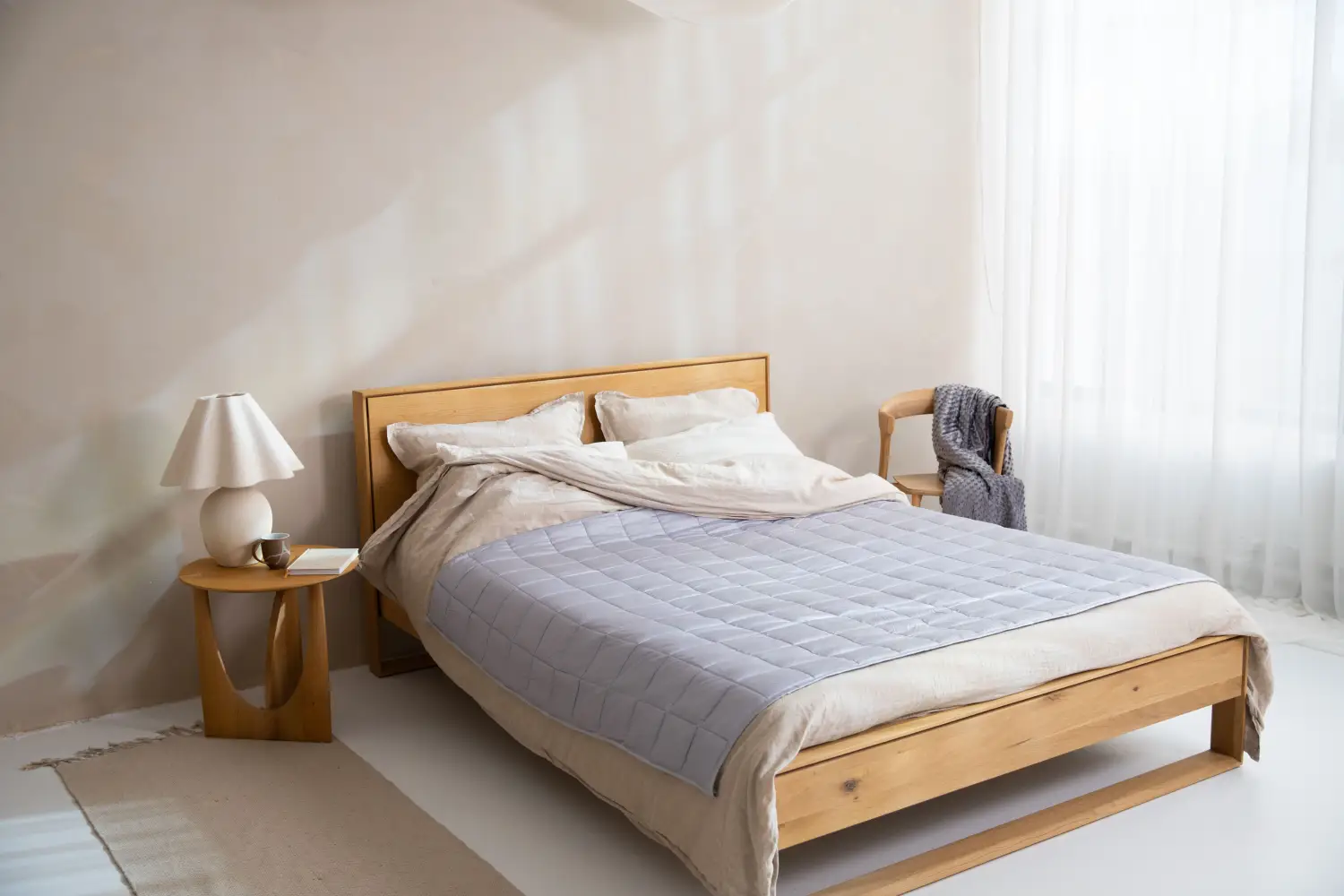
Decorating Budget Timeline: The First 6 Months Matter Most
Stop buying art before a bed. This month-by-month spending plan puts mattress, window coverings, and seating first, with a rolling budget that adapts to real costs. See the checklist.
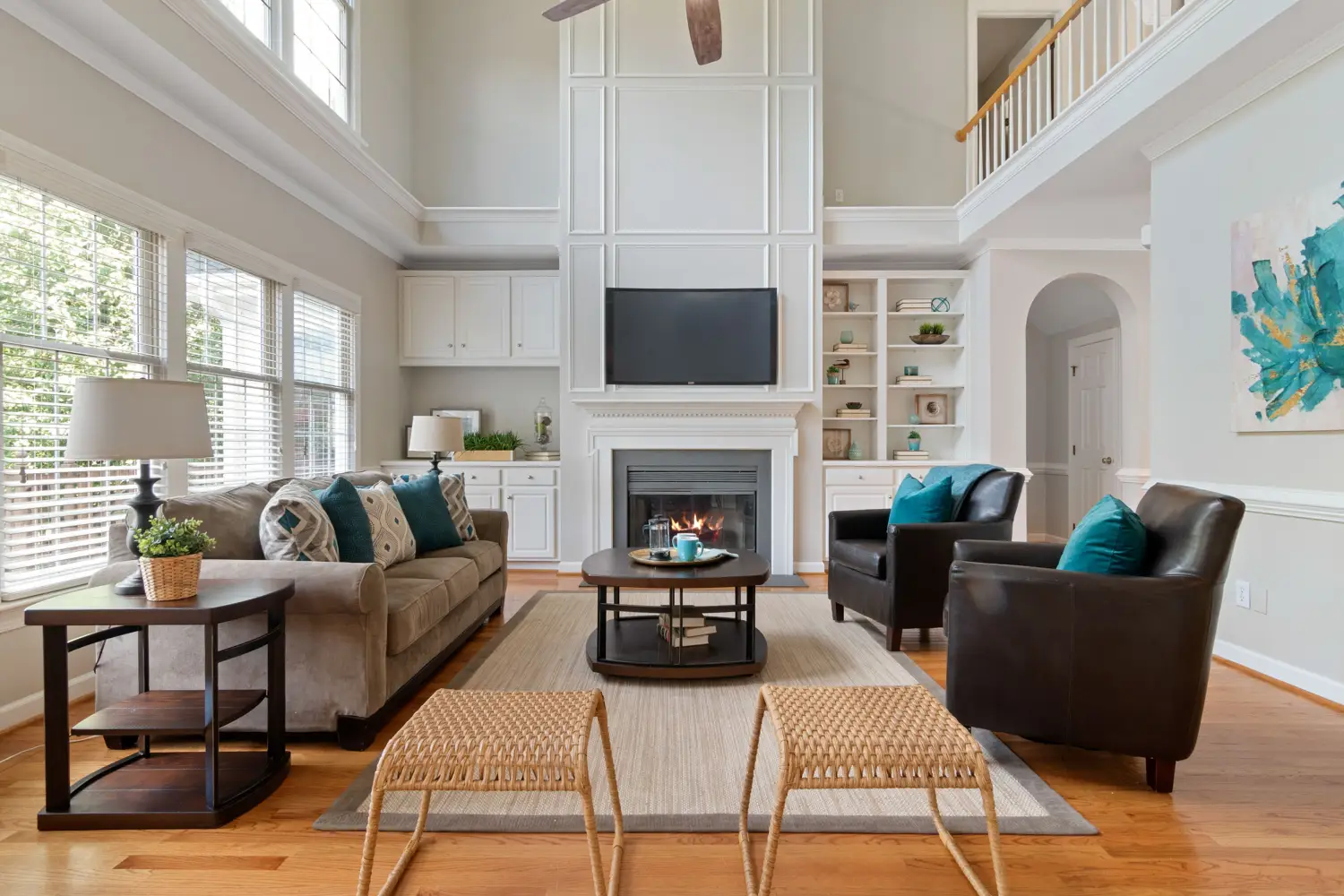
Living Room Overspend? Fix Your Decorating Budget Split
Stop dumping the whole decorating budget into the living room. Use a 30-20-20-15-15 split by room size, use, and visibility to finish every room.
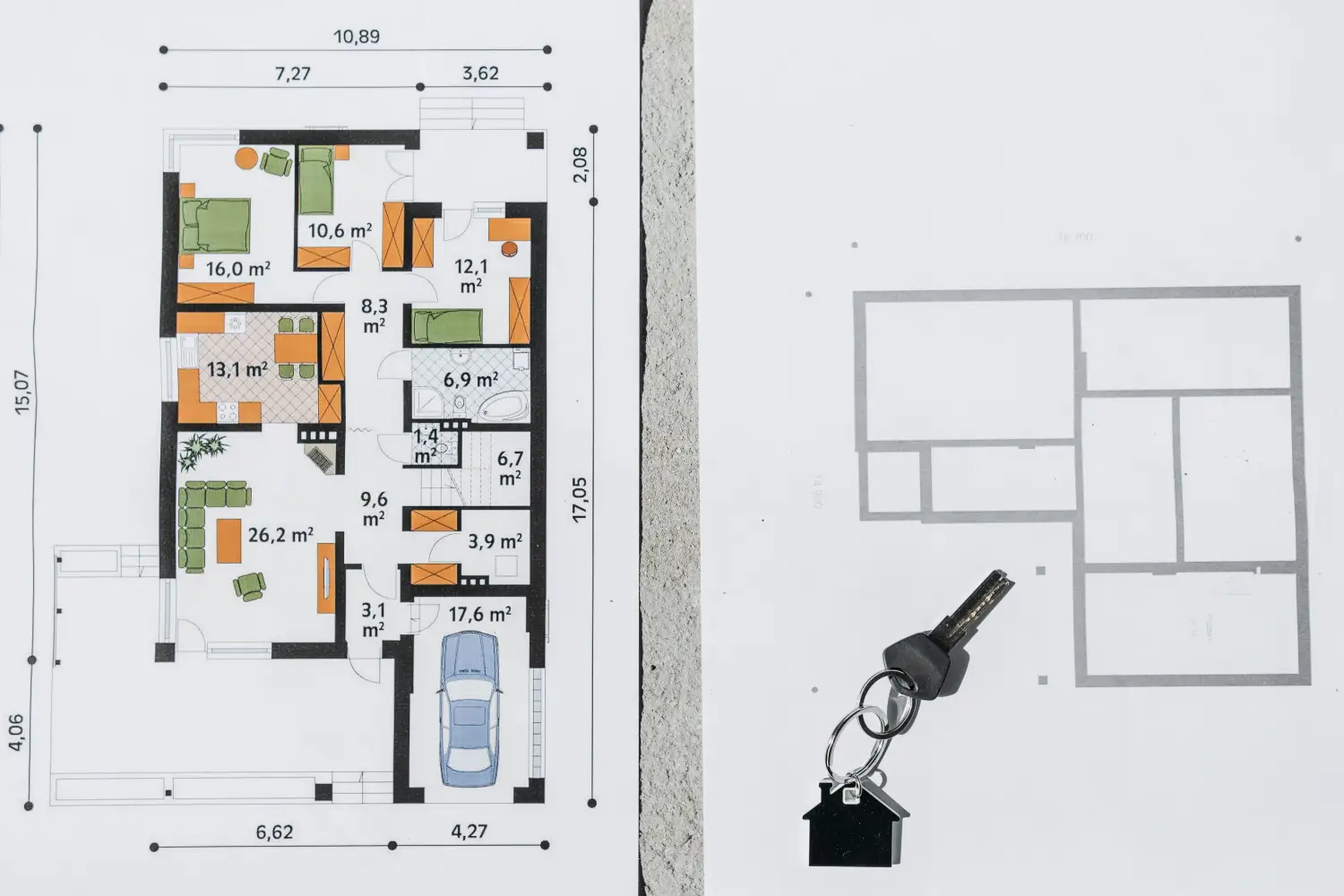
Decorating a Whole House on $5,000? Here’s the Real Plan
A step-by-step plan to furnish a 1,200 sq ft first house on $5,000: prioritize sofa, bed, dining table; save with paint, secondhand finds, IKEA hacks.