How Much Does Wool Carpet Really Cost Over 15 Years?
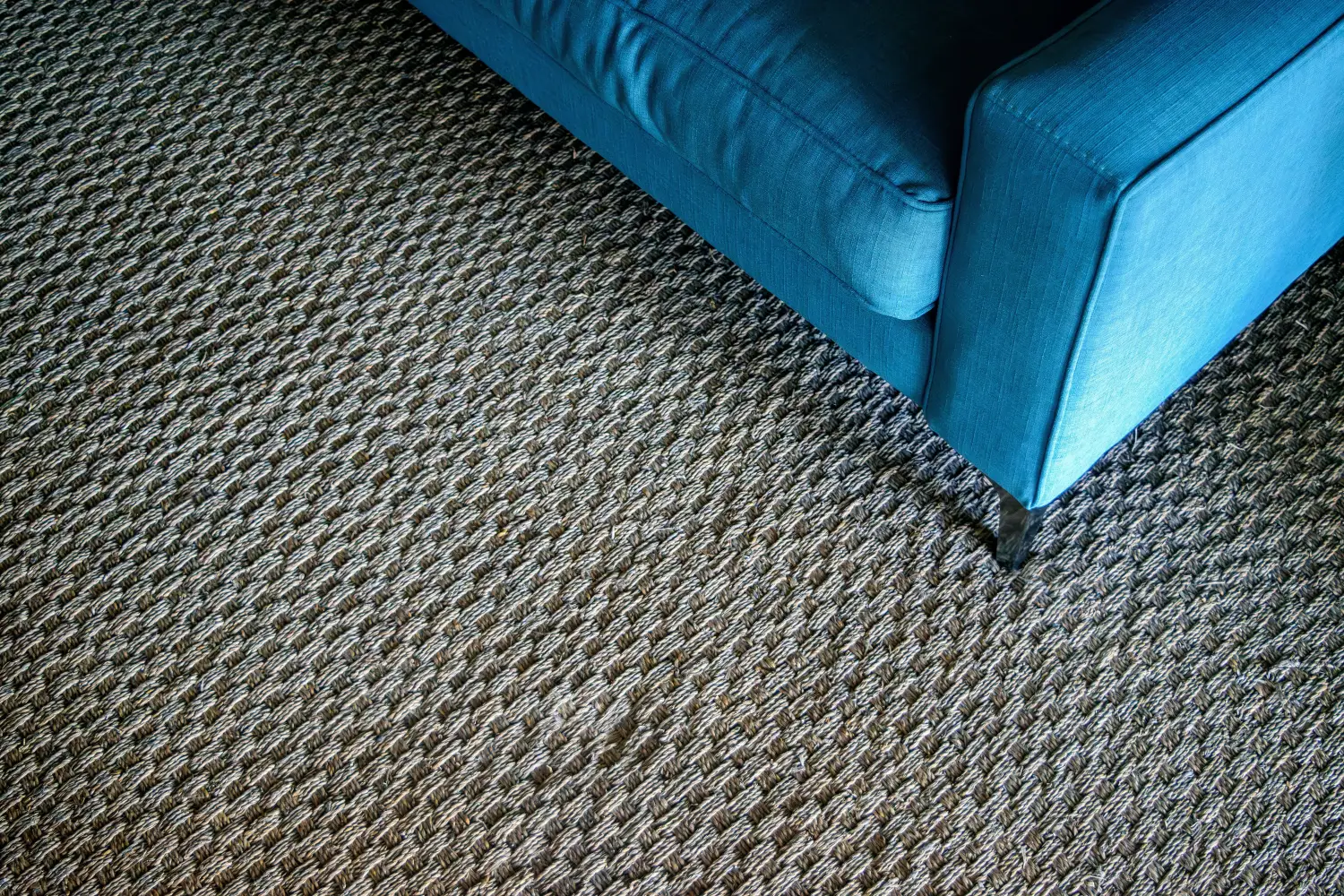
Over 15 years, wool carpet costs between $12 and $20 per square foot in total ownership, including installation, professional cleaning every 12–18 months, and potential replacement. That works out to $0.80–$1.35 per square foot per year — a number that shocks most people who only see the $5–$12/sq ft sticker price.
Calling wool "natural" does not mean carefree. The label says nothing about the fiber shedding that fills vacuum bins for a year, the mandatory professional cleanings that cost more for wool than for synthetics, or the quiet threat of carpet beetles if the construction is not dense and insect-resistant. Wool is a beautiful investment, but it becomes a burden when its real costs are ignored. This article walks through the 15-year equation so you can compare wool to any other floor on equal terms, without romance.
Three Reasons to Calculate Wool’s True Cost — Pick Yours
- Replacing Builder-Grade Carpet: You are moving into a 1990s house and the tired nylon needs to go. Wool appeals to your senses, but you need numbers, not feel-good marketing. Your route: follow the numbers from purchase price to year 15, measuring each cost against a high-quality nylon.
- Furnishing a Forever Home: You are remodeling the house you intend to stay in, and you want floors that age well. Wool’s texture is alluring, but you need a maintenance plan that you can actually live with. Your route: linger on the cleaning and shedding stage, and notice how construction choices shape long-term appearance.
- Recovering from an Insect Disaster: A wool area rug has already been lost to beetles, and you hesitate before installing wall-to-wall wool. You need to know whether modern prevention works. Your route: make the insect-resistance stage your priority, then examine the deferred concerns about treatments.
What Wool Carpet Costs to Buy and Install
Wool carpet ranges from $5–$7 per square foot for entry-level blends to $8–$12 for premium New Zealand wool with a high face weight. Once padding, labor, and furniture moving are included, installation adds $1–$3 per square foot. The upfront number lands between $6 and $15 per square foot.
Lower-priced wool often uses shorter, coarser fibers that shed more and show wear early. Paying more does not guarantee a lower lifetime cost, but it buys a denser construction that reduces shedding and can stretch the time between professional cleanings — a trade-off worth weighing carefully.
You are ready to move on when you have identified a specific wool grade and have a written installer quote that covers all prep work.
The Annual Bill You Don't See: Shedding and Professional Cleaning
A new wool carpet sheds noticeably for the first 6 to 12 months, sometimes filling a vacuum canister every week. Even after that, wool keeps releasing fibers at a slower rate, which means a vacuum with strong suction and a brush roll that will not snag loops is essential. Budget for a good machine if you do not already own one.
Professional cleaning is not a suggestion for wool — it is a warranty requirement. Most manufacturers mandate hot-water extraction every 12 to 18 months. Cleaning costs typically run $0.30 to $0.60 per square foot per visit, so a 200-square-foot room adds $60 to $120 to your annual outlay. Over 15 years, 10 to 12 cleanings can total $600 to $1,440 for that single room.
You are ready to move on when you have built a 5-year cleaning budget that accounts for the estimated frequency and any equipment replacement.
Beetles, Moths, and the Carpet Construction That Stops Them
Carpet beetles and clothes moths feed on keratin, the protein in wool. They need only a dark, undisturbed corner to settle in — a rug or a wall-to-wall installation alike. The best defense lies in the carpet’s construction: a dense, low-pile woven carpet leaves little room for larvae, and a permethrin treatment during manufacturing adds chemical protection that holds for several years.
Look for carpets labeled "mothproof" or "insect-resistant," and ask for a written warranty covering beetle damage for at least 10 years. A face weight over 40 ounces and a tight loop or cut pile design also discourage infestation. Avoid loose Berber styles with deep crevices, which can quietly become pest harbors.
You are ready to move on when you have confirmed your carpet’s insect resistance rating and the exact terms of its insect warranty.
Wool’s True Lifespan: When Replacement Becomes Part of the Math
With proper care, high-quality wool can last 20 to 25 years in bedrooms and formal living spaces. In hallways and family rooms, the realistic window is 10 to 15 years before wear patterns appear and the padding compresses. If you plan to stay in the home for 15 years, you should plan for one replacement during that period — not because wool fails, but because every floor has a useful midpoint.
Replacing the carpet mirrors the initial installation cost: $6 to $15 per square foot again, though some savings on padding and labor may be possible if the subfloor is still sound. That means total ownership can include two full installs over 15 years, essentially doubling the upfront figure.
You are ready to move on when you have a projected replacement year and have added that cost to your running total.
Your 15-Year Cost Per Square Foot, Final Number
Bring together the upfront installation, 10 to 12 professional cleanings, one replacement, and any pest treatment expenses, then divide by the square footage and by 15 years. For a 200-square-foot room with mid-range wool installed at $10 per square foot and $80 per cleaning, plus a replacement at year 12, the math is ($2,000 + $960 in cleanings + $2,000 replacement) = $4,960 over 15 years, or about $1.65 per square foot per year.
If you stretch the replacement to year 18 and use a dense, mothproof carpet that sheds less and needs cleaning only every 18 months, the per-year figure can drop below $1.00. That is the honest range: $0.80 to $1.65 per square foot annually for wool, once all the hidden bills are counted.
You are ready to move on when you have a per-year number that you can set beside synthetic quotes.
What to Ignore for Now
- Wool’s entire environmental footprint — The "eco" debate is incomplete until you have also accounted for nylon’s microplastic shedding over 15 years. Revisit this once you have both per-year costs in hand.
- Static shock in winter — Wool is naturally anti-static to a degree, but low indoor humidity can weaken that property. Worry about it only after you have chosen a carpet and monitored your home’s humidity levels.
- Stain protection treatments — Factory-applied stain blockers help early on, but annual reapplications get expensive. Live with the carpet for a year before deciding whether extra protection is worth the ongoing cost.
- Underfloor heating compatibility — Wool insulates well, which can reduce a radiant system’s efficiency. Once you have settled on a carpet style, check the manufacturer’s specifications for heating systems.
Shortcut to a Lower Per-Year Cost: Two Choices That Save Money
Two decisions shrink the 15-year equation without giving up the feel of wool:
- Choose a dense, woven cut-pile with built-in mothproofing. A face weight of 45 ounces or more, combined with a permethrin treatment applied during manufacturing, can eliminate the insect risk and cut shedding significantly. That allows you to stretch cleaning intervals to 18–24 months and avoid early replacement.
- Buy from a retailer that includes a 15-year wear and insect warranty. Some suppliers bundle a free first-year professional cleaning with the purchase — a small financial incentive that also reinforces the habit of regular maintenance.
Quick Answers to Common Wool Carpet Questions
Does wool carpet help with allergies? Wool can trap allergens such as dust and pollen inside its fibers, which may improve the air you breathe — but only if you vacuum frequently and keep indoor humidity below 55% to discourage dust mites. It is not a standalone allergy solution.
Can I install wool in a basement? Most manufacturers advise against it because wool absorbs moisture and can quickly develop mildew. If your basement has any history of dampness, a synthetic carpet or luxury vinyl plank is the safer, more predictable choice.
How does wool compare to nylon over 15 years? Nylon costs roughly the same upfront, sheds no fibers, requires less frequent professional cleaning (every 18–24 months), and is naturally insect-proof. However, nylon can show traffic patterns faster and lacks wool’s warm feel underfoot. The per-year cost often tips in nylon’s favor when low maintenance is the priority.
Is wool carpet pet-friendly? Wool stands up well to paw traffic and resists crushing, but pet urine can permanently bleach and stain the fibers. If you have young pets or an older animal with occasional accidents, the investment may not hold up.
Your 15-Year Number and Your Next Step
With a per-year figure in hand, you can compare wool to any other flooring on a level field. If your situation is replacing builder-grade carpet, the first concrete action is to request three samples of dense, moth-treated wool, get installation quotes that cover furniture moving, and ask each supplier for a written 10-year insect-damage warranty. That one step anchors the decision in real numbers instead of a romantic attachment to the word "natural."

Clara Bennett
After five years of transforming my 1920s bungalow room by room, I’ve refinished floors, hung blinds in bay windows, and spent more time choosing light bulbs than I’d like to admit. I learned paint sheens by painting my kitchen ceiling three times, and I found out the hard way that a rug too small makes a room feel unfinished. I believe every home can be both functional and beautiful, no matter the budget.
Related posts
The Carpet Fiber Rule That Flooring Inspectors Swear By
Use the four-variable decision matrix inspectors rely on: rate foot traffic, stain risk, budget, and underfoot feel to pick between nylon, polyester, wool, Triexta, and olefin. Checklist included.

How to Get a Carpet That Still Looks New After 10 Years
Nylon and Triexta are the only carpet fibers that survive a decade of family foot traffic. See how polyester, wool, and olefin compare—and avoid paying twice for the same floor.

The Hidden Wear Cost of Polyester Carpet You're Not Seeing
Polyester carpet's stain-resistant label hides a flaw: it absorbs oils and mats in traffic lanes. Learn the real wear cycle and how to avoid permanent damage.
The Carpet Stain-Resistance Mistake That Ruins Floors
Not all stain-resistant carpets are equal. Learn why fiber chemistry vs. topical coatings is the difference between a wipeable spill and a permanent stain.
Why All Nylon Carpets Are Not the Same Underfoot
Not all nylon carpet withstands stains or feels soft the same way. Learn how solution-dyed vs acid-dyed and Nylon 6 vs 6,6 determine durability, feel, and room suitability.