The Carpet Stain-Resistance Mistake That Ruins Floors
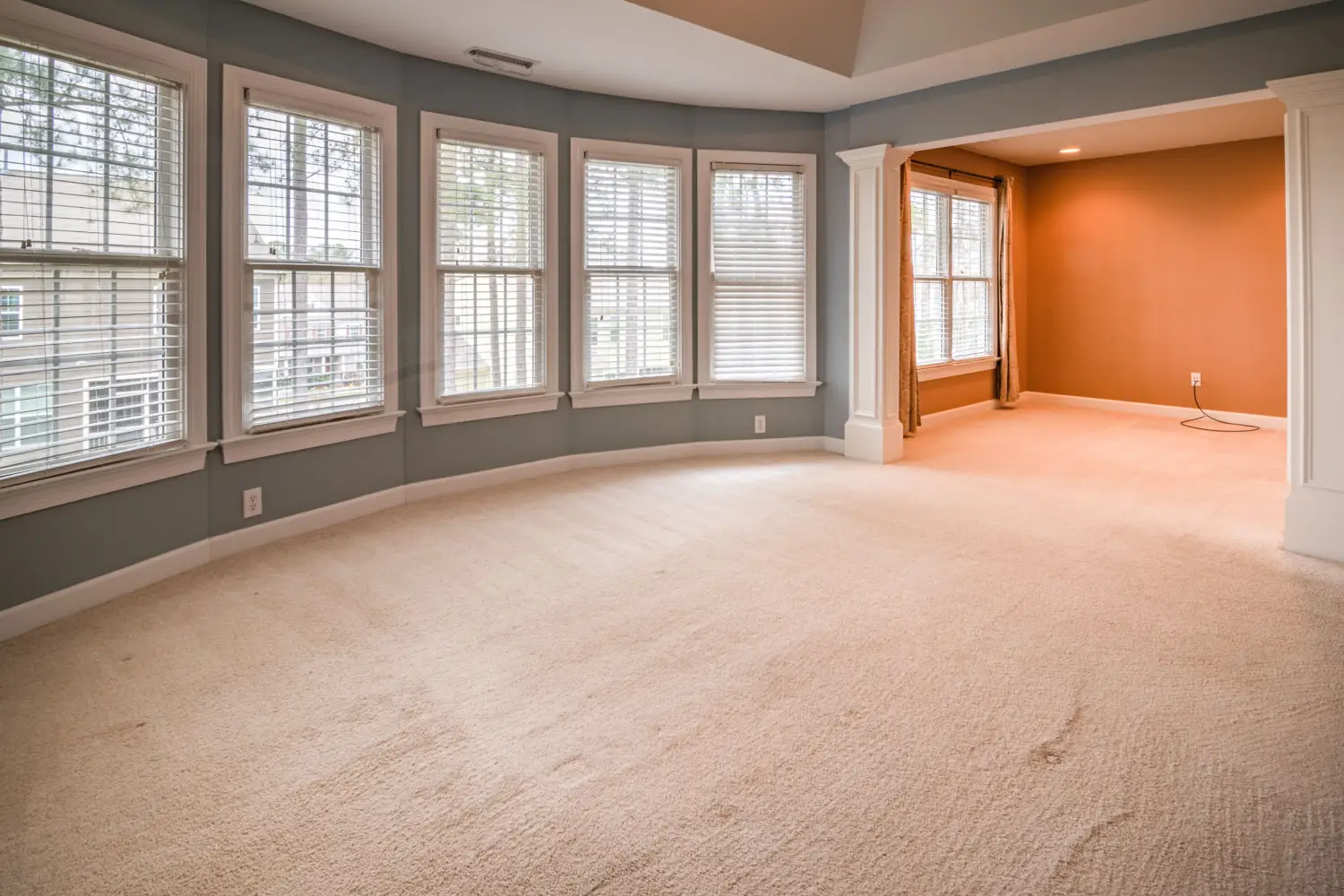
The phrase “stain-resistant” on a carpet sample doesn’t tell you how it works. One type resists spills because the fiber itself repels liquid—permanently. The other gets a spray-on coating that wears off. Mistaking the two is the reason a coffee spill leaves a ghost stain that won’t come out years after installation. If the mechanism isn’t clear, you’re betting your floor on a temporary barrier.
For the most common scenario—water-based drinks like juice, wine, and coffee—a carpet with built-in resistance (solution-dyed nylon or triexta) is the right long-term call. The resistance doesn’t scrub off, and it handles daily drips without reapplication.
Quick Comparison: Built-in Resistance vs. Coated Protection
The table compares the two main approaches—fiber chemistry and topical treatments—using the carpet types that best represent each. Prices are approximate mid-grade material costs, U.S. market, excluding installation.
| Mechanism / Fiber | Typical Price/sq ft | Water-Based Spill Resistance | Oil-Based Spill Resistance | Protein-Based Spill Resistance | Resistance Longevity | Best For |
|---|---|---|---|---|---|---|
| Topical Treatment (e.g., treated nylon) | $2–$4 | Good when new; degrades steadily | Poor after coating fades | Poor after coating deteriorates | 1–3 years | Budget-focused buyers willing to reapply treatments |
| Solution-Dyed Nylon (inherent) | $3–$6 | Excellent; permanent | Moderate—oil can adhere | Good with prompt cleanup; colorfastness prevents dye stain | Permanent | High-traffic zones with frequent drink spills |
| Triexta / SmartStrand (inherent) | $3–$5 | Excellent; permanent hydrophobic | Moderate; oil needs fast blotting | Very good—resists protein bonding better than nylon | Permanent | Homes with kids, pets, heavy use |
| Polyester (PET) with topical treatment | $2–$3.50 | Fair—coating helps, but wicking occurs | Poor—polyester attracts oil | Poor once coating wears; protein sets stubbornly | 1–2 years | Low-traffic rooms where retreatment is acceptable |
| Wool (natural inherent resistance) | $5–$15+ | Fair—slow absorption, but can stain if wet | Good—natural lanolin offers oil resistance | Very poor—wool is protein and bonds permanently to protein spills | Permanent, with a critical caveat | Formal low-spill spaces |
Stain Resistance That Lives Inside the Fiber
This mechanism comes from the polymer structure or the dye process itself. Nothing is worn off or scrubbed away. The fiber starts repellent and stays that way. The trade-off: no single construction defeats all three spill groups equally; you pick based on your house’s spill profile.
Solution-Dyed Nylon: Color Locked In, Spills Out
Solution dyeing mixes pigment into molten nylon, saturating each fiber. The result is a non-porous surface that repels water-based liquids almost completely. Juice, wine, coffee bead up instead of soaking in. The permanent pigment means even if a stain does manage to set, cleaning won’t cause the carpet’s own color to bleed—unlike topically treated nylon where a failed coating exposes dye sites.
Strengths: Zero-maintenance resistance to everyday drink spills. Holds up in hallways, living rooms, anywhere with constant traffic.
Weaknesses: Oil-based spills—cooking grease, lotion—can cling because nylon lacks inherent oleophobicity. Without a topical oil barrier, they require immediate blotting. The price is moderate, though durability offsets it.
Triexta (SmartStrand): Engineered Repellency
Triexta’s molecular backbone contains hydrophobic segments that push water away at the fiber level. It resists protein-based spills—milk, blood, pet urine—better than nylon because the surface offers fewer bonding sites for proteins, as long as the spill is not left to dry.
Strengths: Broad stain protection covering the three most common groups. Good wear performance at a price comparable to mid-range nylon.
Weaknesses: Oil stains still demand quick action; once oil penetrates, removal is tough. Fewer decades-long durability reports exist than for nylon, though lab and early field data are solid.
Wool: Nature’s Oil Defense—With a Fatal Flaw
Wool contains lanolin, which repels oil, giving it an advantage on grease spills that trouble synthetics. Its scaly cuticle slows liquid entry. But wool is a protein fiber, and that makes it catastrophically vulnerable to protein-based spills. Blood, egg, pet urine can chemically bond with wool’s own protein, creating a stain that professional cleaning often can’t break. Even water can cause discoloration if it sits.
Strengths: Inherent oil resistance and a long lifespan in controlled environments.
Weaknesses: The protein vulnerability is absolute. Any room with a chance of pet accidents or food spills involving egg or dairy is a risk. Wool also demands specific pH cleaners and is the costliest option.
Stain Resistance That Sits On Top
Topical treatments—fluorochemical or silicone-based—lower the fiber’s surface energy so liquids bead. The barrier is physical, not chemical, and foot traffic, vacuuming, and wet cleaning remove it over time. Once gone, the carpet’s raw fiber is exposed, and that fiber usually has poor stain resistance.
Nylon with a Factory-Applied Shield
Standard nylon absorbs water and is susceptible to acid dyes in ketchup, mustard, and colored sodas. A fluorochemical treatment corrects that temporarily. When fresh, these carpets handle spills across all three categories. The clock starts immediately.
Strengths: Low entry price compared to solution-dyed nylon. Broad short-term protection.
Weaknesses: 1–3 years of use thins the treatment; hot-water extraction speeds it up. After failure, water-based spills cause acid-dye stains, and oil-based spills grip the exposed nylon. Re-treatment is essential to maintain performance.
Polyester: The Label That Misleads
Polyester is often sold as “stain-resistant,” but the raw fiber only partly resists water—wicking draws liquid deeper over minutes, leaving a halo. Its big problem is oil: polyester chemically attracts oily substances. Grease, butter, skin oils bond quickly and resist removal. A topical coating is a temporary fix. Without it, oil stains become a near-certainty within a few years.
Strengths: Low cost, often recycled content. Factory-applied treatments improve early performance.
Weaknesses: Oil affinity is baked into the polymer. Topical coatings wear off, and retreatment is only a temporary patch. Protein spills also set stubbornly once they dry.
Head-to-Head: The Three Spill Types Meet the Fibers
The whole mistake is picking a carpet without mapping it to your actual spills. Here’s how inherent and topical mechanisms fare against each category.
Water-Based Spills (Juice, Coffee, Wine, Soda)
Inherent options (solution-dyed nylon, triexta) perform year after year: liquids bead, wipe gone. Wool can work if immediate blotting happens; left wet, staining is possible. Topically treated carpets start strong but within two years, bare spots appear, and a drink that once beaded soaks in—causing an acid-dye stain on nylon or set-in color on polyester.
Oil-Based Spills (Cooking Oil, Grease, Butter, Lotion)
Wool leads because of lanolin, though still not impervious. Synthetic inherent fibers (nylon, triexta) need a topical oil barrier to perform at all; without it, oil adheres. Polyester and untreated nylon are the worst—oil bonds rapidly. No carpet solves oil spills completely; wool is the strongest inherent defense.
Protein-Based Spills (Milk, Blood, Urine, Egg)
Triexta’s surface minimizes protein adhesion, making it the best synthetic choice. Solution-dyed nylon works if cleaned before drying—colorfastness prevents dye stains, but residue is possible. Topically treated carpets, once the coating thins, offer little barrier; protein reaches the raw fiber and sets. Wool fails here: protein bonds with wool’s own structure and cannot be un-done.
Resistance Durability Over Time
Inherent resistance is embedded and never degrades. Topical treatments last 1–3 years in average traffic, less in hallways. Retreatment costs should be factored in; over a 10-year lifespan, a topically treated carpet may need three or more reapplications, erasing the initial price gap.
Which Carpet Fits Your Spill Reality?
Choose based on the dominant spill type, not a generic label.
- Water-based drinks dominate (living rooms, dining rooms): Solution-dyed nylon or triexta. The upfront premium is recovered by avoiding stain work.
- Oil and grease are frequent (kitchens, near grills): Wool for natural resistance, but it’s expensive. A topically treated nylon with a 12–18-month retreatment rhythm is the lower-cost alternative, with known risks.
- Protein spills dominate (homes with kids, pets): Triexta is the strongest all-around. Treated nylon can work but demands unwavering retreatment discipline.
- Upfront cost is the hard limit: Polyester with a factory coating fits low-traffic rooms with few spills. Accept that resistance will degrade; oil stains in particular will appear.
Pricing at a Glance
Material-only costs per square foot (U.S. market, 2025), reflecting typical mid-grade products:
- Polyester with topical treatment: $2.00–$3.50
- Topically treated nylon: $2.50–$4.00
- Solution-dyed nylon: $3.00–$6.00+
- Triexta: $3.00–$5.00
- Wool: $5.00–$15.00+
Inherent resistance costs more upfront but requires no spending to maintain the stain-fighting feature.
Frequently Asked Questions
Is solution-dyed nylon stain-proof?
No. It handles water-based spills better than nearly any other option, and its colorfastness prevents bleeding, but oil and dried protein can still leave marks. No material is immune.
Can I reapply a topical treatment myself?
Yes. Consumer-grade sprays (Scotchgard™, etc.) work on cleaned dry carpet. Reapply every 6–18 months depending on traffic. Professional applications bond more thoroughly and last longer.
Which carpet handles kids and pets best?
Triexta covers the water and protein spills common in those homes. Its durability under heavy traffic is a practical bonus.
A stain-resistant label is useless without knowing whether the protection is inside the fiber or just on top. When a carpet relies on a coating, that protection dies a little every time someone walks across it. Built-in resistance—the kind that comes from solution-dyed nylon or triexta—doesn’t have that expiration date. For nearly every household where drinks get spilled, pets walk through, and kids drop things, it’s the only type that makes the label mean what it says.

Clara Bennett
After five years of transforming my 1920s bungalow room by room, I’ve refinished floors, hung blinds in bay windows, and spent more time choosing light bulbs than I’d like to admit. I learned paint sheens by painting my kitchen ceiling three times, and I found out the hard way that a rug too small makes a room feel unfinished. I believe every home can be both functional and beautiful, no matter the budget.
Related posts
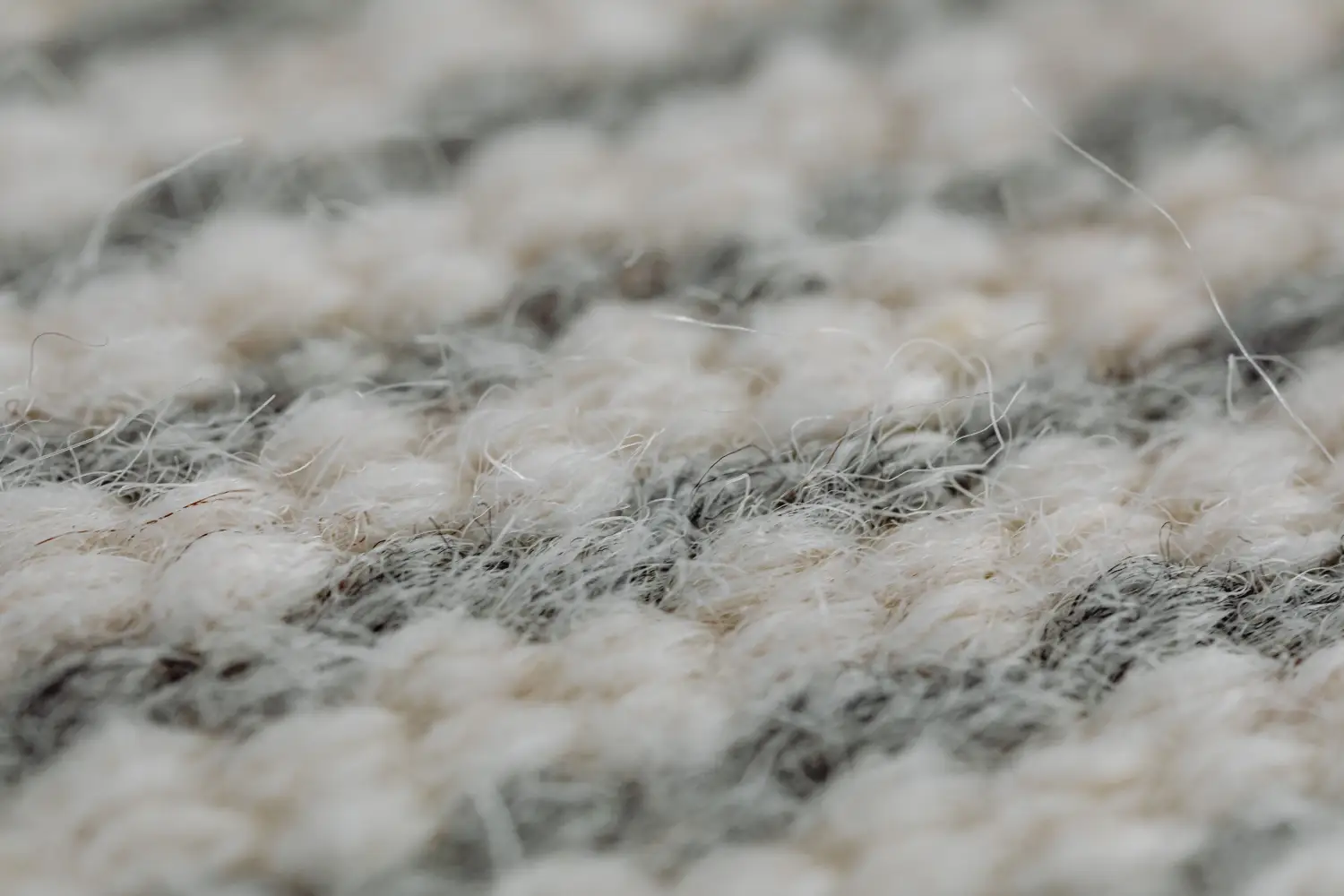
The Carpet Fiber Rule That Flooring Inspectors Swear By
Use the four-variable decision matrix inspectors rely on: rate foot traffic, stain risk, budget, and underfoot feel to pick between nylon, polyester, wool, Triexta, and olefin. Checklist included.

How to Get a Carpet That Still Looks New After 10 Years
Nylon and Triexta are the only carpet fibers that survive a decade of family foot traffic. See how polyester, wool, and olefin compare—and avoid paying twice for the same floor.

The Hidden Wear Cost of Polyester Carpet You're Not Seeing
Polyester carpet's stain-resistant label hides a flaw: it absorbs oils and mats in traffic lanes. Learn the real wear cycle and how to avoid permanent damage.
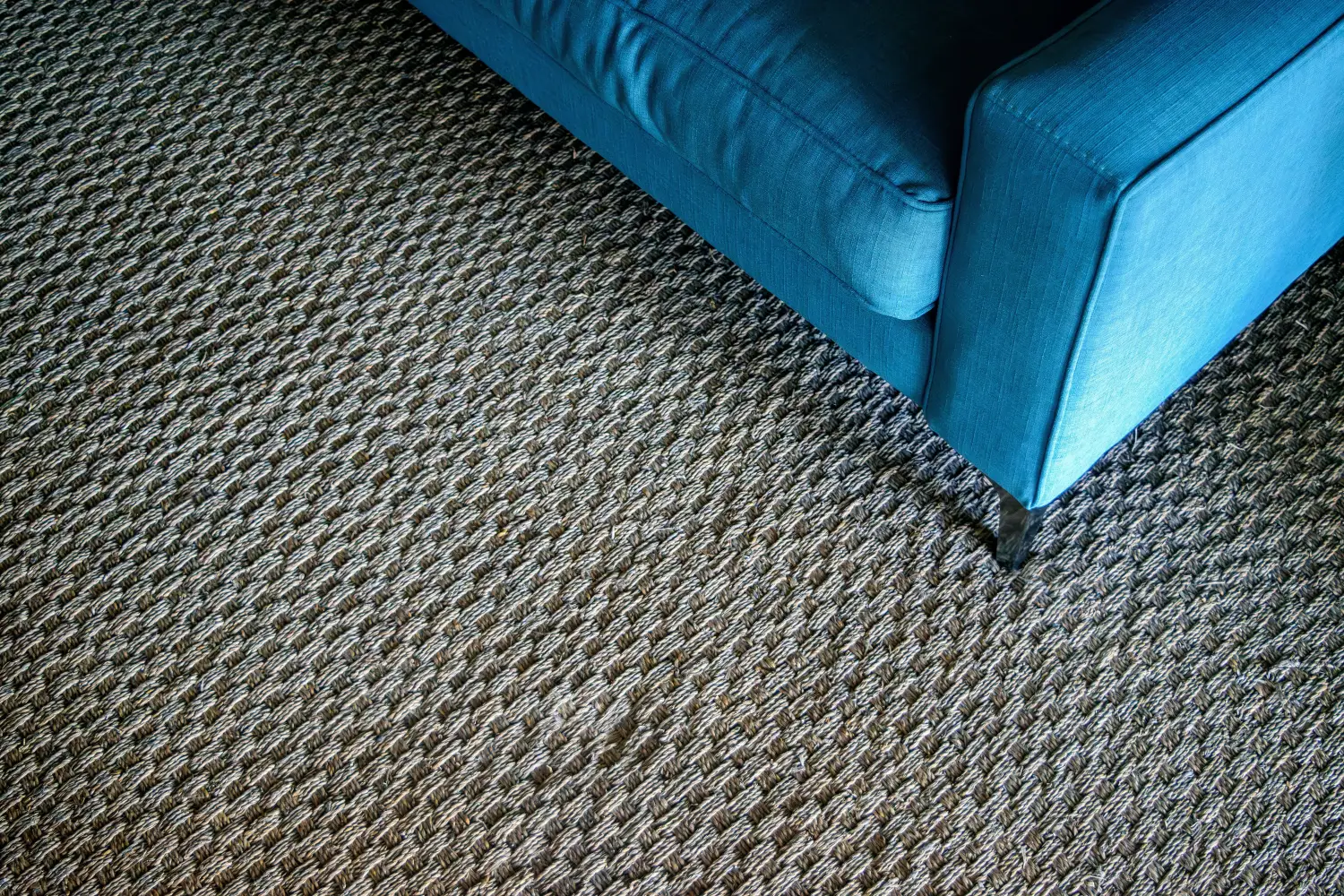
How Much Does Wool Carpet Really Cost Over 15 Years?
Wool carpet isn't a one-time buy. Our 15-year per-square-foot breakdown accounts for professional cleanings, shedding, beetle-resistant construction, and replacement. See the real cost before you commit.
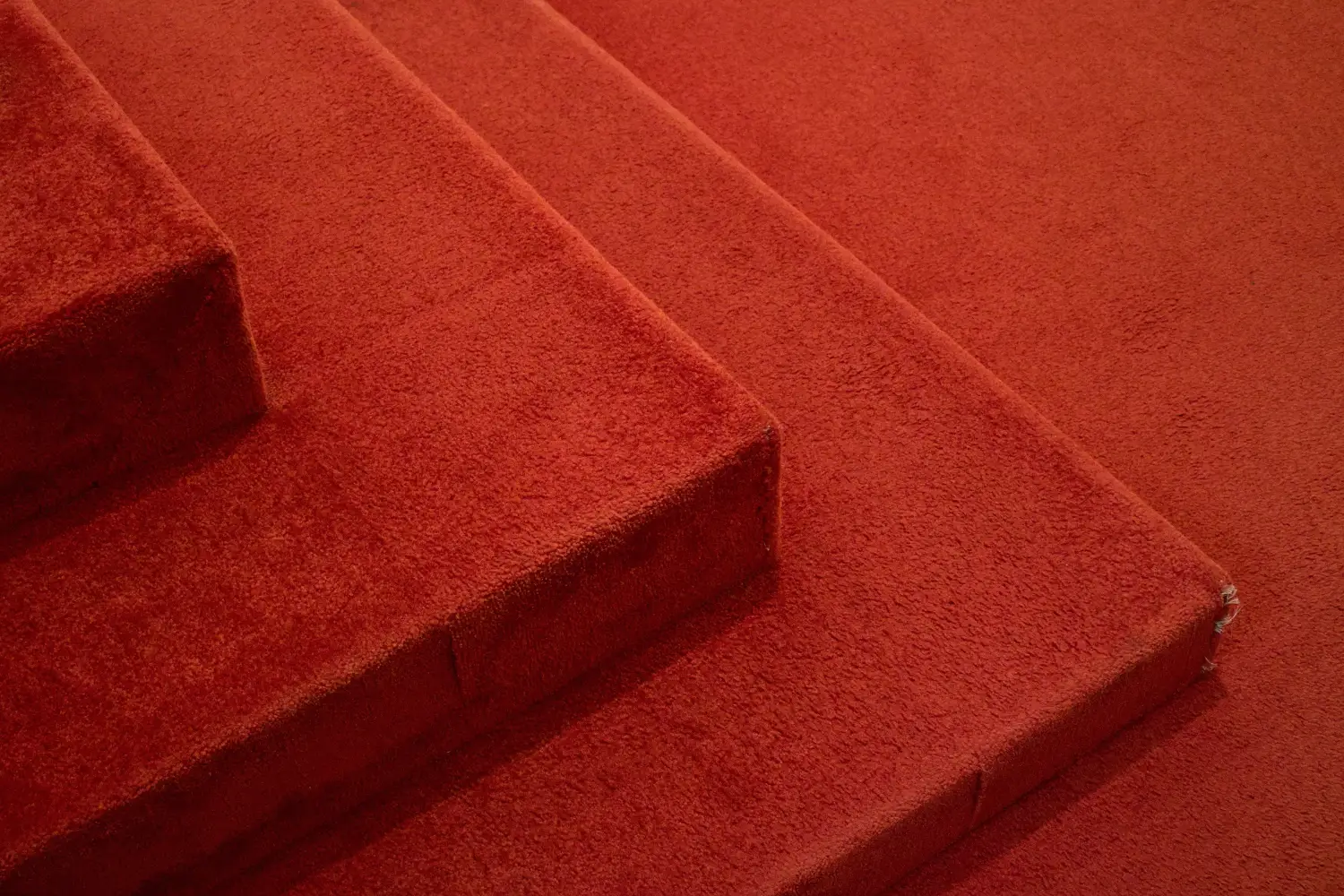
Why All Nylon Carpets Are Not the Same Underfoot
Not all nylon carpet withstands stains or feels soft the same way. Learn how solution-dyed vs acid-dyed and Nylon 6 vs 6,6 determine durability, feel, and room suitability.