The Hardwood Flooring Checklist That Expert Builders Follow
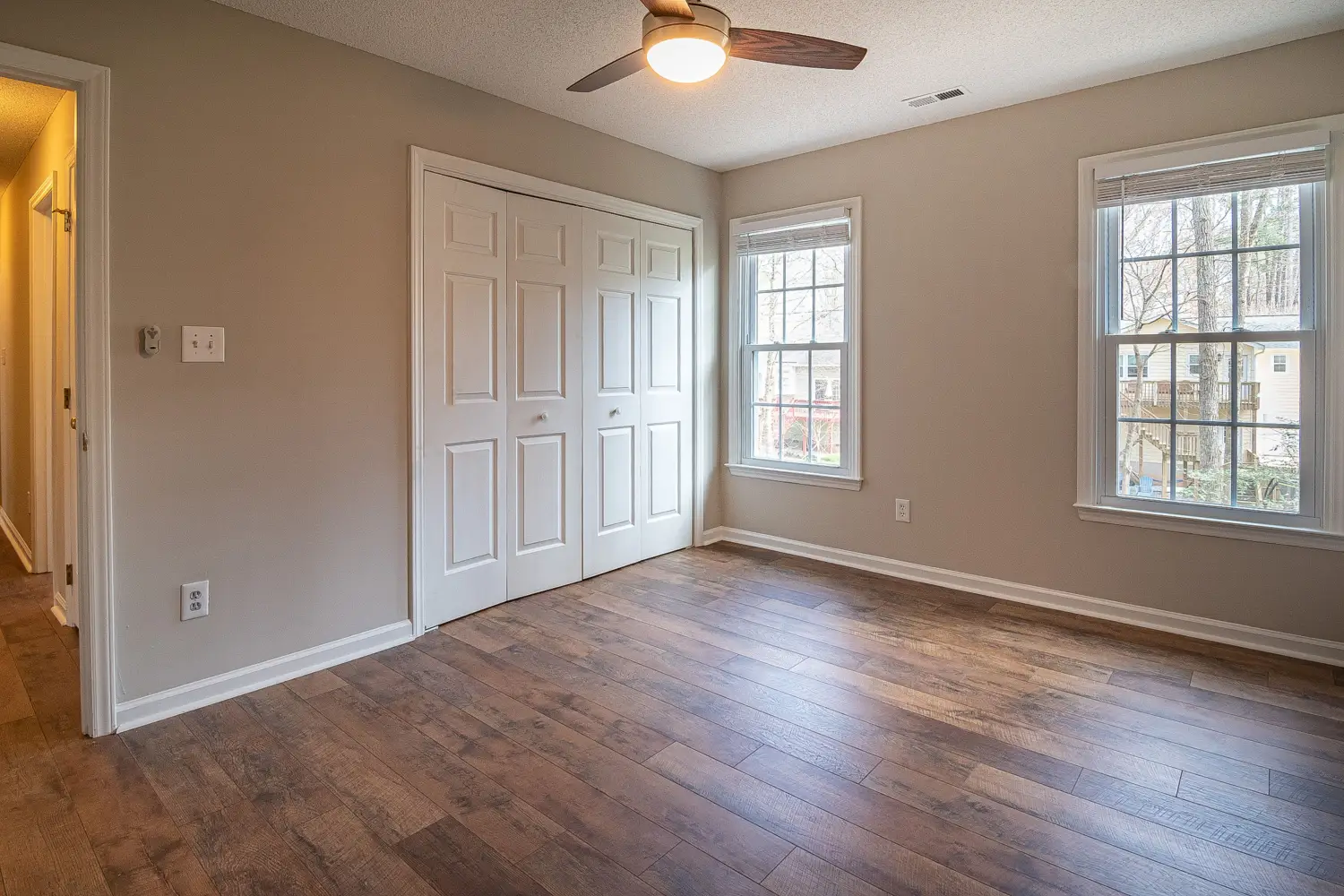
If you search for a hardwood flooring checklist, you’re likely facing a showroom of 50 samples and a price range in the thousands. Expert builders do not start there. They treat a wood floor as a 30‑year capital asset — and the wrong choice costs more in repairs and early replacement than the upfront price gap between two planks ever would. This guide replaces sample‑board paralysis with a decision sequence based on what actually determines a floor’s survival: your home’s moisture cycles, your household’s daily wear patterns, and your total cost of ownership over time.
Why Builders Measure in Decades, Not Square Feet
A wood floor is a structural surface that should outlast a mortgage. Builders view it through the lens of equity because a floor that cups, gaps, or wears through too soon becomes a liability during resale. That alone flips the selection criteria. The question isn’t “Which wood looks best?” It’s “Which wood stays dimensionally stable in this house, resists the abuse it will actually take, and costs the least over the period I intend to own it?”
Those three constraints — climate, wear, and true cost — form the framework for every decision that follows.
Climate Is the Non‑Negotiable First Filter
Wood is hygroscopic. It swells when it absorbs moisture, shrinks when it dries. A floor installed in a dry mountain town and the same species installed in a Gulf Coast cottage will behave as different materials. Before any style question, climate eliminates the species and constructions that are set up to fail.
Solid Wood and the Seasonal Humidity Swing
Solid planks are a single piece of lumber and therefore the most reactive flooring product on the market. In a house where summer relative humidity consistently exceeds 60% — especially if the air conditioning is shut off for long stretches — solid oak can absorb enough moisture to cup within two seasons. In winter, when a gas furnace drops indoor humidity below 30%, the same boards shrink and open visible gaps.
The safe operating range for most North American solid hardwoods is 35–55% relative humidity, with only modest seasonal drift. Any home that can’t hold that band year‑round — because it lacks whole‑house humidification or sits in a coastal or subtropical climate — needs a different construction.
Engineered Construction: The Builder’s Workaround for Basements and Slabs
Engineered hardwood uses a cross‑ply core of alternating wood layers (or high‑density fiberboard) topped with a real hardwood veneer. The multi‑directional layering dramatically reduces expansion and contraction. Builders specify engineered wood over concrete slabs, in below‑grade basements, and in any zone where moisture swings are unavoidable.
The constraint here is the wear layer. A veneer of 2–3 mm allows at most one light sanding; 4 mm or more can handle two. For a high‑traffic entryway that will need a refresh in 15 years, the thicker wear layer justifies its price. For a spare bedroom, a thin layer is sufficient.
The Acclimation Period Your Floor Must Have
Builders never omit acclimation. The planks must sit inside the conditioned home — out of their packaging — for at least three to five days before installation. In humid regions, a full week is standard. The target is equilibrium moisture content, typically 6–9% for most interiors, so the wood doesn’t move after it’s fastened.
A moisture meter reading of both the subfloor and the wood immediately before nailing is the cheapest warranty against a future call‑back.
The Janka Scale and Your Daily Routines
Hardness matters only when it’s measured against real use. A wood’s Janka rating — the pounds‑force required to embed a steel ball to half its diameter — becomes a decision tool once you inventory what actually walks, rolls, and drops on your floors every day.
Real‑World Wear: Pets, Roller Chairs, and Grit
A 70‑pound Labrador concentrates claw pressure into points that dent wood rated below roughly 1,000 lbf. Pine (690 lbf) will crater in a year; hickory (1,820 lbf) will show surface marks that a matte finish can hide. Roller chairs and furniture castors add repetitive point loads that break down softer species faster.
Grit tracked in from outside works like sandpaper underfoot. No wood is immune, but harder species resist the micro‑abrasion that dulls a floor’s sheen. Builders routinely specify a Janka rating above 1,350 for entryways and kitchens regardless of the wood used in bedrooms.
Finish Selection: Sacrificial Layers That Buy Time
The finish is the wear surface. Site‑finished polyurethane — oil‑ or water‑based — forms a thick film that can be screened and recoated without touching the wood itself. Factory‑finished planks arrive with multiple layers of aluminum‑oxide‑cured coating, which is harder than wood but difficult to repair seamlessly if it chips.
The pragmatic choice for heavy‑use areas is a matte or satin sheen. Gloss acts as a contrast agent; it reveals every scratch the moment it appears. With factory‑finished floors, keeping an extra carton of planks in storage allows for future spot replacements without hunting for a discontinued run.
Color and Grain Camouflage
Light, wire‑brushed, or heavily figured woods hide wear. A white oak floor with a natural tone and visible grain structure absorbs the visual impact of pet hair, dust, and light scratches far better than a dark, uniform stain on maple. This isn’t about aesthetics alone; it’s a maintenance interval strategy. The longer a floor looks clean and intact, the further you postpone refinishing costs.
True Cost: From Sample Price to the Final Invoice
A $5‑per‑square‑foot solid oak tag is not the number that matters. Builders budget the fully installed and lifetime cost, because the raw material is only the first line item.
Installation Variables: Subfloor Leveling, Adhesives, and Trim
Subfloor preparation is the most common budget sink. An uneven slab may require self‑leveling compound at $2–$4 per square foot. Glue‑down installation over concrete costs more than nail‑down over wood subfloors. Removing and reinstalling baseboards or adding quarter‑round trim, installing thresholds and stair nosing — these items typically add 30–50% to the plank price. A contractor quote that omits them should be treated as incomplete.
The Refinishing Budget: How Many Sands You Get
Solid wood can be sanded and refinished four to six times over its life, at roughly $3–$5 per square foot per cycle. Engineered wood may offer one refresh — or none. A homeowner planning to stay 20 years and anticipating a kitchen renovation in year 12 should factor that sanding into the total cost. In that scenario, a solid hickory kitchen floor sanded once still costs less over time than an engineered product that gets pulled up and replaced.
Resale and Engineered vs Solid: The Equity Equation
In most U.S. markets, solid hardwood still adds marginally more resale value than engineered, but the gap is narrowing as high‑quality engineered products gain market acceptance. The bigger financial error is installing a wood that doesn’t fit the home’s price tier. Exotic species in a mid‑range neighborhood rarely recoup their cost. Builders match the floor grade to the comps, because the market, not personal preference, sets the ceiling on return.
The Expert Builder’s Hardwood Selection Checklist
Run this sequence before any plank is ordered.
- Record indoor humidity for one week during the peak seasonal extreme (summer or winter, depending on your region). Target 35–55% RH. If readings fall outside that band for more than a few hours a day, engineered construction becomes the baseline, not solid.
- Identify the two rooms that receive the hardest wear. Assign a wood with a Janka rating ≥1,350 to those spaces, even if you use a softer species in bedrooms.
- Match the wear layer thickness to the room’s expected lifetime use. Kitchens, entryways, and hallways need at least 3 mm on an engineered floor; 4 mm if you plan to refinish once.
- Calculate the total installed cost, not the plank price. Obtain three quotes that include subfloor prep, trim, and disposal of the old flooring.
- Choose a finish sheen that doesn’t work against you. Matte or satin for high‑traffic zones; gloss only for low‑impact rooms like formal living areas.
- Confirm the acclimation timeline with the installer. Require a moisture meter reading of both the subfloor and the wood before installation begins — and compare the two numbers.
- Check the neighborhood comps. Unless your home sits in a luxury market, skip exotic species. A properly installed domestic oak floor often produces a better return than an expensive import.
Key Takeaways
- Hardwood is a decades‑long asset; the selection must be driven by climate stability, wear tolerance, and lifetime cost, not by sample‑board preference.
- Climate determines construction: solid for tightly controlled interior humidity, engineered for slabs, basements, and humid regions.
- Janka hardness must match the actual household load — pets, grit, and rolling traffic each carry distinct thresholds.
- Finishes and grain patterns are wear‑management tools; matte sheens and lighter colors extend the floor’s useful cosmetic life.
- Installed cost including prep, trim, and future refinishing can be 50% higher than the wood’s sticker price; plan accordingly.
Frequently Asked Questions
What is the best hardwood for a humid climate?
Engineered hardwood with a multi‑ply core handles high moisture best. Among species, white oak tolerates moderate humidity swings more gracefully than maple or Brazilian cherry. Solid wood should only be used where indoor humidity stays controlled year‑round.
Can I install solid hardwood in a basement?
No. Concrete slabs transmit moisture, and below‑grade humidity is too high. Engineered planks or wood‑look luxury vinyl are the standard builder alternatives for basements.
How much does it cost to refinish hardwood floors?
A screen and recoat runs $3–$5 per square foot; a full sand and refinish costs $5–$8 per square foot, depending on location and job complexity. Furniture removal is extra.
What is Janka hardness and why does it matter?
The Janka scale measures resistance to denting and wear. Floors rated below about 1,000 lbf show deep indentations from dog claws and dropped objects; species above 1,400 lbf absorb daily abuse with surface marks that can be hidden by finish and grain choice.
Is engineered wood as durable as solid wood?
Surface durability depends on the veneer species and the finish, not the core construction. The distinction is longevity: solid can be refinished many times; engineered is limited by its wear‑layer thickness.
How long should hardwood acclimate before installation?
At least three to five days inside the conditioned home. The installer should verify that the wood’s moisture content is within 2–4% of the subfloor’s moisture level before nailing or gluing.
A hardwood floor is a building system — wood, subfloor, fasteners, finish — that must survive decades of the home’s actual environment. The single most useful action to take right now is to hang a $15 hygrometer in the room where the floor will go, track the high and low readings for one week, and take that data to the supplier. Let those numbers eliminate every option that can’t handle the conditions. Color, grain, and board width can be chosen after the floor has already proven it can stay stable.

Clara Bennett
After five years of transforming my 1920s bungalow room by room, I’ve refinished floors, hung blinds in bay windows, and spent more time choosing light bulbs than I’d like to admit. I learned paint sheens by painting my kitchen ceiling three times, and I found out the hard way that a rug too small makes a room feel unfinished. I believe every home can be both functional and beautiful, no matter the budget.
Related posts
Hardwood Floor Budget: What $8–$15 per Sq Ft Actually Costs
Waste, subfloor prep, and transitions add 25–35% to hardwood floor quotes. Use this all-in budget formula to see your true cost per square foot before signing.
The Drawback of Aluminum Oxide That Homeowners Overlook
Aluminum oxide hardwood finishes resist scratches and stains, but their repairability becomes a deal-breaker. Compare chemical resistance and refinish options before you buy.
The Hardwood Debate: Why Engineered Often Beats Solid
Engineered hardwood beats solid on stability and modern installation needs. See which flooring wins in concrete-slab, humid-climate, and wide-plank scenarios.
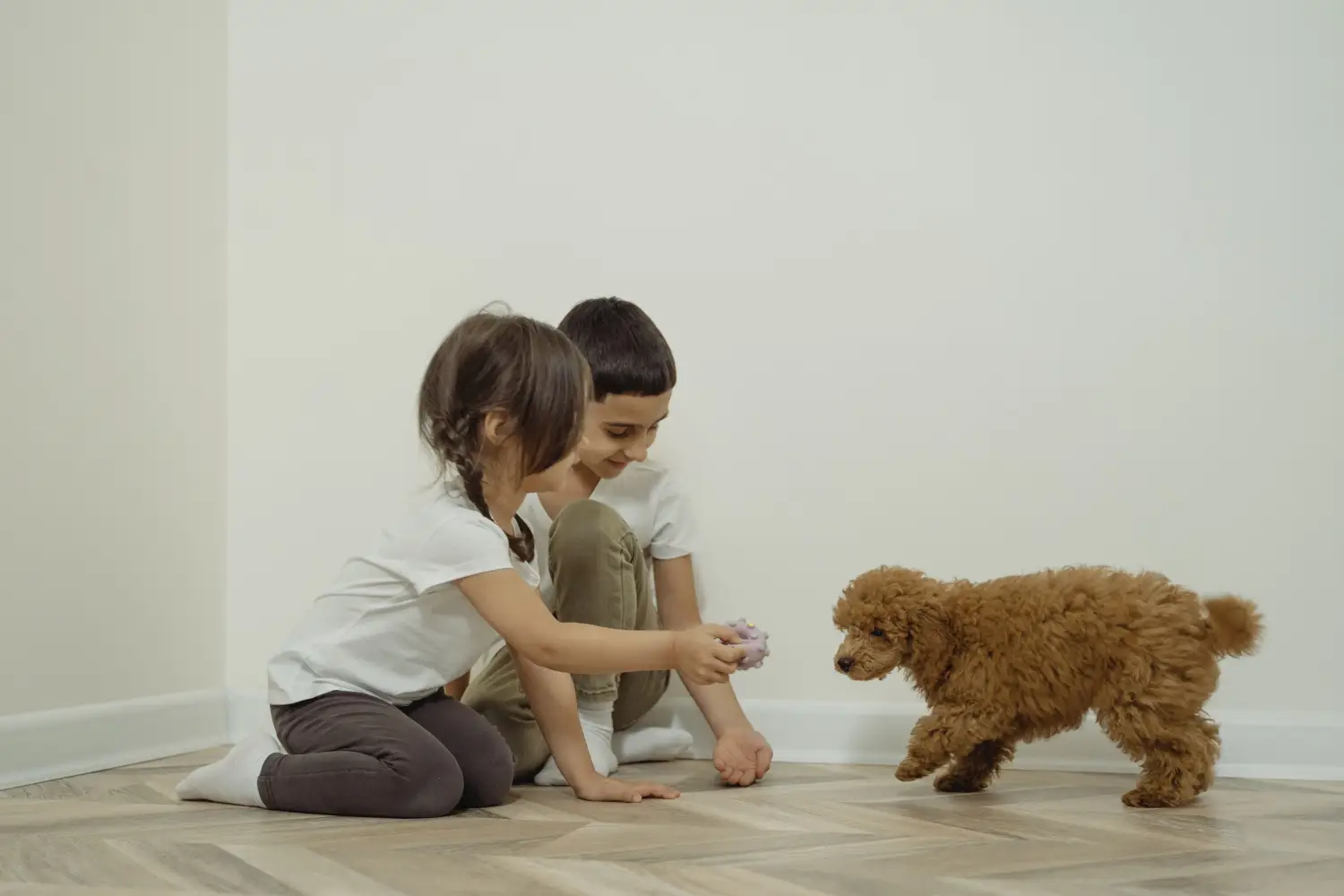
The Hardwood Species Guide for Homes With Dogs and Kids
Translate Janka hardness numbers into everyday scratches, dents, and spills. Find the hardwood species that survives big dogs, toddlers, and parties without sacrificing looks.