The Drawback of Aluminum Oxide That Homeowners Overlook
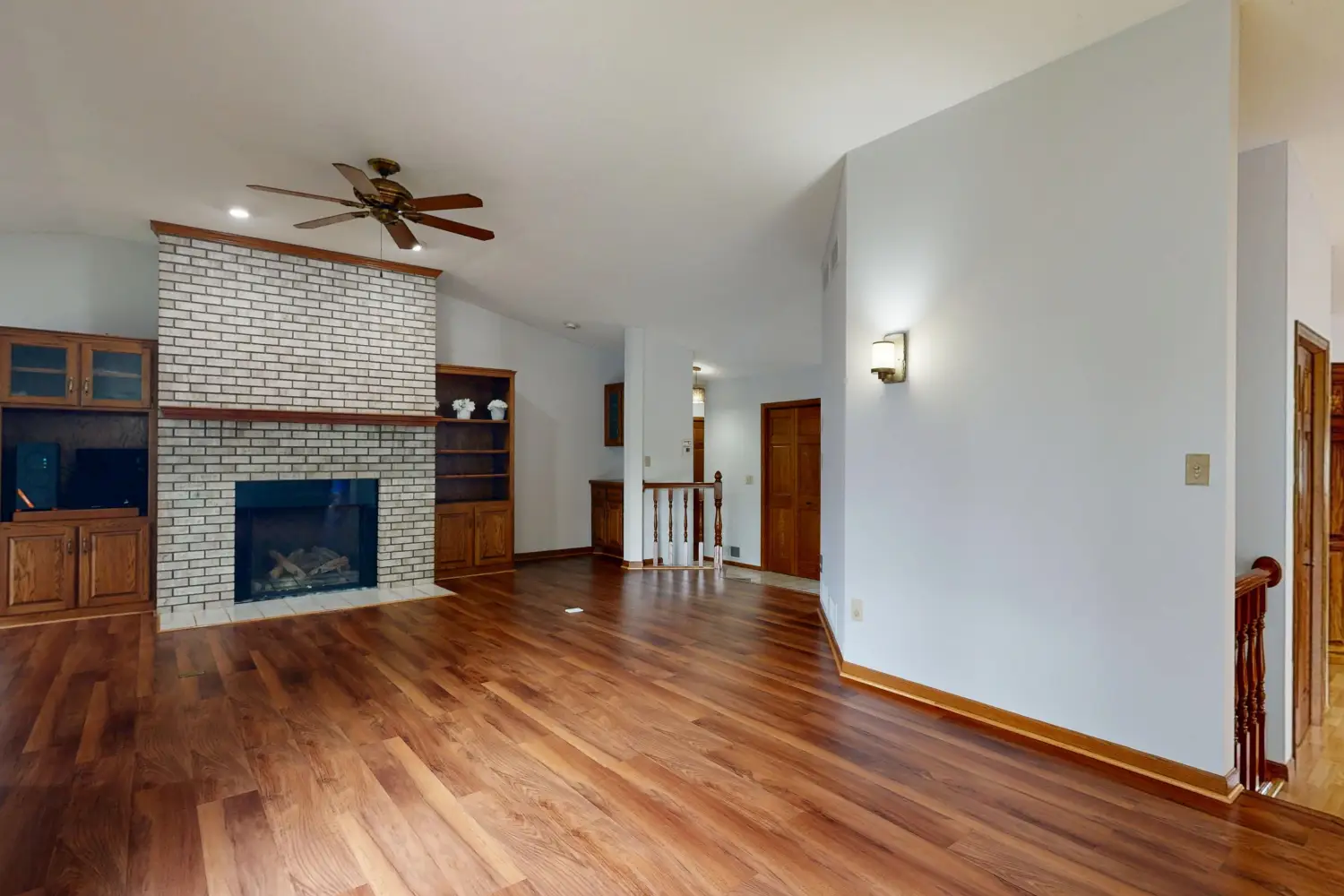
Homeowners researching prefinished hardwood floor finishes usually fixate on scratch resistance. The real drawback of aluminum oxide, though, is what happens when the floor does get scratched – and that scratch cannot be fixed without sanding through the factory wear layer. Most showroom displays never mention this trade-off: a finish that protects against damage today can lock you out of repairs tomorrow. Aluminum oxide is a double‑edged sword – its hardness is unmatched, but that same hardness makes later refinishing an expensive and sometimes impossible task.
This comparison ignores sheen and surface appearance. It looks instead at chemical resistance and repairability, the two factors that determine whether a floor remains functional and attractive over decades, not just during the first week after installation.
| If you need… | The smarter finish | Why |
|---|---|---|
| Maximum scratch defense against pets and toys right now | Aluminum oxide | Hardest clear coat available; shrugs off claw marks and dropped objects. |
| The ability to refinish the floor 20 or 30 years later | Site-applied polyurethane | Can be screened and recoated indefinitely without removing the factory wear layer. |
| Strong resistance to household chemicals like nail polish remover or wine stains | Either – with a catch | Both finishes resist most chemicals, but polyurethane can be spot-recoated if a stain does set. |
| Freedom to change the floor color in the future | Site-applied polyurethane | Sanding aluminum oxide risks eating through the thin veneer on engineered planks; color change is often not an option. |
When You Plan to Keep This Floor for 30+ Years
Solid hardwood floors are often bought with the expectation that they can be refinished multiple times. That expectation holds only when the floor receives a site-applied polyurethane finish. A contractor can screen and recoat the existing layer or sand down to bare wood to change color – and repeat the process later. The finish is meant to be removed and reapplied.
Aluminum oxide breaks that logic. The coating is so hard that sanding through it demands aggressive abrasives and more passes. On engineered flooring with a thin sawn top layer – commonly 2 mm or 3 mm – that extra sanding can wear through the usable wood altogether. Even on solid hardwood, removing aluminum oxide adds significant labor and dust, making a full refinish costlier than starting fresh with site-finished wood. The upfront scratch protection is real, but the long-term flexibility vanishes. If the goal is a floor that outlasts the current owner, polyurethane preserves that ability; aluminum oxide often does not.
When Pet Claws and Heavy Traffic Are Your Biggest Concern
In a house with large dogs, active children, or constant foot traffic, aluminum oxide performs better for the first five to ten years. The finish embeds aluminum oxide crystals in a UV‑cured urethane topcoat at the factory, producing a surface that measures significantly harder on the Taber abrasion test than conventional site‑applied polyurethane. Scratches that would immediately show up in a softer finish simply do not appear. That’s why prefinished flooring with aluminum oxide typically carries warranties of 25 years or longer for residential use.
The problem arrives when the finish eventually wears in high-traffic pathways – and it will. Those worn areas cannot be buffed and recoated. The wear pattern stays permanent. That trade-off may be acceptable if the plan is to replace the floor once it looks tired, but it contradicts the lifetime promise often heard in the showroom.
When Your Floor Might Face Chemical Spills
Both aluminum oxide and two‑component polyurethane finishes offer solid chemical resistance. Nail polish remover, wine, mustard, pet accidents – a quick cleanup usually prevents permanent harm. The difference appears when a spill sits unnoticed and leaves a stain or etched surface.
With site‑applied polyurethane, a floor professional can lightly sand the affected planks, apply a fresh coat, and blend the repair. With aluminum oxide, that repair is not an option. The only fix is board replacement, and replacement boards rarely match the surrounding floor in color and grain. So while neither finish is immune to chemical damage, the repairability gap makes polyurethane the safer choice for kitchens, dining areas, or any space where spills are likely.
When You Might Want a Different Stain Color Someday
Design preferences change. A dark espresso stain chosen in 2025 may look wrong in 2040. If the floor was finished on site with polyurethane, sanding to bare wood and applying a new stain is a straightforward job – dusty and disruptive, but doable. If the floor came prefinished with aluminum oxide, a color change is rarely worth the risk. The aggressive sanding required to cut through the finish can thin the wood below the minimum usable thickness on engineered products, and even on solid wood it adds considerable expense. Many flooring contractors will recommend against it entirely. That forces the homeowner to live with one color for the life of the floor, a constraint that can drag down resale value later.
When the Two Finishes Deliver Identical Results
Several characteristics that dominate online discussions actually make no practical difference between these finishes. Stop weighing these factors:
- Sheen. Aluminum oxide finishes come in matte, satin, semi-gloss, or gloss – the same range as site-applied polyurethane. Neither product has an inherent appearance advantage.
- Clarity and color depth. Modern UV‑cured aluminum oxide finishes are clear and do not amber noticeably over time, similar to high-end water-based polyurethanes. The wood’s natural look comes through either way.
- Immediate walk‑on hardness. Both factory‑cured aluminum oxide and fast‑curing two‑component polyurethanes reach full hardness within a day or two. Any difference in the first 48 hours ceases to matter once furniture is in place.
- Underfoot feel. The thickness of the flooring and underlayment determines footfall sound and warmth, not the clear coat’s chemistry.
When a salesperson emphasizes these points, redirect the conversation to repairability.
Non-Negotiables That Eliminate One Option
You’re buying engineered flooring with a thin sawn top layer
If the wear layer is 2 mm or less, sanding will rarely remove enough material to make aluminum oxide removal a realistic concern. In that case, the factory finish’s hardness offers pure benefit, and the inability to spot-repair is irrelevant because the floor has no extra wood to sacrifice anyway. Aluminum oxide wins by default.
You or a family member has chemical sensitivity
Some catalyzed polyurethanes release volatile organic compounds (VOCs) during application that can linger for days. When off‑gassing is a health concern, prefinished aluminum oxide flooring – cured at the factory and emitting virtually nothing after installation – is the safer immediate choice.
You want a floor that can be spot‑maintained without professional help
A homeowner cannot effectively spot-repair either finish without training. A professional can do it quickly on polyurethane, but still cannot on aluminum oxide. This is not a strong differentiator.
The genuine deal-breakers are refinishability and wear-layer thickness. If refinishing is never in the plan, aluminum oxide’s hardness is an unambiguous advantage. If refinishing is part of the long-term plan, site-applied polyurethane is the only choice that preserves the possibility.
How Cost Fits Into the Refinish Equation
Factory‑finished aluminum oxide floors often cost more per square foot than site‑finished ones because of the manufacturing process and brand markup. That upfront premium is partially offset by lower on‑site finishing labor. But when the floor eventually needs rejuvenation, aluminum oxide swings the cost disadvantage back. A full sand-and-refinish of an aluminum oxide floor can run 50% to 100% more than the same job on a site‑finished polyurethane floor, based on contractor estimates. And if board replacement becomes necessary, material matching adds further expense. For a floor that will stay only 10 to 15 years before renovation, those numbers barely apply. For a permanent floor, they matter significantly.
Common Questions About Aluminum Oxide and Polyurethane Finishes
Can I put a new coat of polyurethane over an aluminum oxide finish to freshen it up?
No. Polyurethane does not bond reliably to aluminum oxide without mechanical abrasion, and that abrasion requires sanding through the tough existing coat – the very process homeowners want to skip. The factory finish must be thoroughly scuffed or removed with heavy equipment before any recoat.
Does aluminum oxide yellow over time like some oil-based polyurethanes?
Modern aluminum oxide finishes contain UV inhibitors and stay clear for years. They do not develop the amber tint that oil-modified polyurethanes do. Water-based polyurethanes share this non‑yellowing property, so the two finishes are comparable on this point.
Is it safe to use strong cleaners on aluminum oxide floors?
Yes, for the finish itself. Aluminum oxide is chemically inert and stands up to most household cleaners, including ammonia-based and mildly acidic products. The real risk is not to the finish but to the wood if moisture seeps into seams, a hazard with any wood floor regardless of finish type.
How can I tell if my floor has an aluminum oxide finish?
Check the manufacturer’s specifications. Most prefinished engineered flooring sold today contains aluminum oxide. Terms like “UV‑cured urethane with aluminum oxide” or “commercial wear layer” indicate its presence. A flooring professional can also test a concealed area – aluminum oxide coatings are noticeably harder to scratch with a coin than conventional polyurethanes.
The Finish That Fits Most Homes (And the Question That Decides It)
For the majority of homeowners buying prefinished flooring, aluminum oxide is the correct finish today – it provides unmatched scratch protection during the years when children and pets subject the floor to the most abuse. The decision boils down to one question: “Do I plan to refinish this floor, or will I replace it when it wears out?” Answering that honestly avoids the most common and expensive regret.

Clara Bennett
After five years of transforming my 1920s bungalow room by room, I’ve refinished floors, hung blinds in bay windows, and spent more time choosing light bulbs than I’d like to admit. I learned paint sheens by painting my kitchen ceiling three times, and I found out the hard way that a rug too small makes a room feel unfinished. I believe every home can be both functional and beautiful, no matter the budget.
Related posts
The Hardwood Flooring Checklist That Expert Builders Follow
Expert builders pick hardwood by climate, lifestyle, and budget—not looks. Use this checklist to make a long-term material investment that holds up.
Hardwood Floor Budget: What $8–$15 per Sq Ft Actually Costs
Waste, subfloor prep, and transitions add 25–35% to hardwood floor quotes. Use this all-in budget formula to see your true cost per square foot before signing.
The Hardwood Debate: Why Engineered Often Beats Solid
Engineered hardwood beats solid on stability and modern installation needs. See which flooring wins in concrete-slab, humid-climate, and wide-plank scenarios.

The Hardwood Species Guide for Homes With Dogs and Kids
Translate Janka hardness numbers into everyday scratches, dents, and spills. Find the hardwood species that survives big dogs, toddlers, and parties without sacrificing looks.