The Hardwood Debate: Why Engineered Often Beats Solid
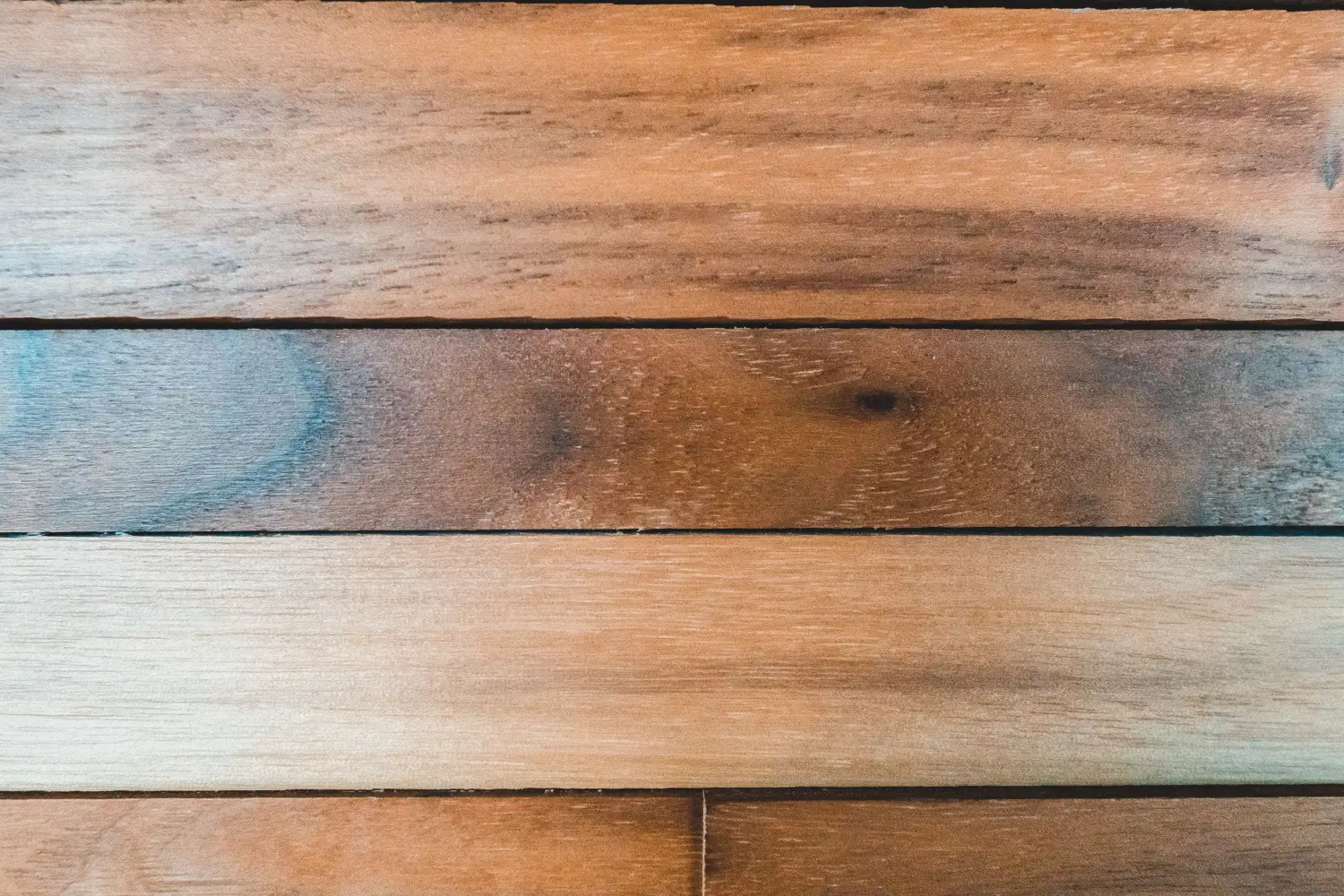
Solid hardwood has a century of reputation. Engineered hardwood has the numbers—and in most American homes, the numbers decide. Engineered wins on the two metrics that actually matter: it stays dimensionally stable where solid warps, and the refinishing advantage solid clings to is something few homeowners ever use. This isn’t a cheaper alternative; it’s the rational choice for modern builds, period.
Verdict by Scenario
| Scenario | Winner | Reason |
|---|---|---|
| Installing over a concrete slab | Engineered | Solid can’t be glued directly to concrete without a plywood subfloor, while engineered is designed for it. |
| Living in a high-humidity climate | Engineered | Narrower expansion gaps and cross-ply construction resist cupping better than solid. |
| You plan to refinish three or more times in 30 years | Solid | Solid’s thick wear layer allows multiple full sandings; engineered top layers max out at two refinishes. |
| Choosing wide planks (5 inches or wider) | Engineered | Solid wide planks are prone to warping; engineered’s plywood core keeps them flat. |
| Tight budget for materials and installation | Engineered | Engineered costs less per square foot and often uses click-lock systems that simplify DIY. |
When the Subfloor Is Concrete
Concrete slabs sit under millions of American ground floors, basements, and condos. Solid hardwood has no direct-install method for that surface. The only workaround is a plywood subfloor added over the slab, which jacks up the floor height, adds cost, and creates a moisture trap if not detailed perfectly. Engineered sidesteps all of that: glue it down or float it over a vapor barrier and you’re done.
Choosing solid here isn’t a preference—it’s a whole sub-project. Engineered solves the installation problem outright. The sacrifice is that a cheap engineered product with a paper-thin wear layer can’t be refinished at all, but that’s a selection mistake, not a flaw of the category.
Living in a High-Humidity Climate
From Houston to Charleston, summer air can swell a solid oak board by a quarter of an inch across its width. When that board is fastened down and can’t move, the edges curl. Engineered flooring’s plywood core locks the dimensions, neutralizing almost all of that seasonal movement. A 5-inch engineered plank in those conditions behaves like a 2¼-inch solid strip.
The only thing you give up is the ability to sand off deep damage decades later. But in high humidity, a solid floor that cups in year two never survives to see a refinish. Stability wins by knockout.
You Plan to Refinish the Floor Multiple Times
Solid’s whole advantage is a full-thickness wear layer that can be sanded six times across a century. Engineered’s top veneer, depending on its thickness, permits one or two refinishes—maybe none on bargain products. That sounds like a deal-breaker until you look at actual behavior.
Most families move, remodel, or change flooring before the floor would be sanded a third time. A 2mm or 3mm wear layer, properly cared for, handles the number of refinishes that actually occur in a 25-year span. Solid’s extra sandability is capacity you pay for and rarely use. Unless you’re restoring a historic house and plan to change stain colors every decade, engineered covers the realistic window.
Choosing Wide Planks (5 Inches or Wider)
Wide-plank flooring in solid hardwood is an invitation for trouble. The wider the board, the more it moves. Gaps open between planks in winter; edges peak in summer. Engineered construction makes that movement negligible. A 7-inch engineered plank stays flat with only a small expansion gap at the perimeter, no humidification system required.
The cost of getting this look with solid is constant vigilance and, sooner or later, warping. Engineered delivers the aesthetic without the failure risk. Just confirm the wear layer is at least 2mm, because a wide plank with a veneer too thin to sand becomes a disposable floor.
Where They’re Basically the Same
Stop debating these items. They tilt nothing.
- Appearance after installation. A finished floor with real wood on top looks like wood, whether it’s a solid board or an engineered plank.
- Day-to-day scratch and dent resistance. Both surfaces are genuine hardwood. A chair leg scrapes them equally.
- Routine maintenance. Sweep and damp-mop identically. Neither product forgives standing water.
These factors are a draw. Save your decision-making energy for stability and refinishing.
Deal-Breakers
Some requirements instantly eliminate one option.
Solid hardwood cannot go:
- Over a concrete slab without building a plywood subfloor.
- Below grade—basements below ground level are an automatic no.
- In continuously wet spaces like bathrooms and laundry rooms.
Engineered hardwood cannot be refinished more than once or twice—and a wear layer below 1.5mm makes it zero. If the requirement is “I want to strip and recolor this floor three times over its life,” engineered is the wrong answer. That buyer needs solid.
When Budget Shifts the Verdict
Material for engineered runs roughly $3–$7 per square foot; solid starts at $5 and climbs. Installation cost widens the gap further on concrete slabs, where solid’s subfloor requirement can add several thousand dollars to a whole-house project.
At the luxury tier, the price difference collapses. A premium engineered plank with a thick sawn veneer can cost as much as solid. In that bracket, the decision flips back to structure and refinishing needs. Budget is a factor that pushes the verdict toward engineered in most builds, but it’s not the final word.
FAQ
Can engineered hardwood be refinished?
Yes, if the wear layer is thick enough. At 2mm, expect one light sanding and refinish. At 3mm or more, two sandings are possible. Check the manufacturer’s spec; anything under 1.5mm is not sandable.
Is engineered hardwood real wood?
Yes. The top layer is genuine hardwood—oak, maple, hickory—bonded to a stable core. It feels and ages like solid wood from the surface down.
Does engineered hardwood last as long as solid?
It can last 20 to 30 years or more under normal use. The limiting factor is the number of times the veneer can be sanded, not the core’s durability. If the floor is never sanded, its lifespan matches solid’s.
Does engineered flooring hurt resale value?
In most U.S. markets, no. A quality wood floor reads as a quality wood floor to buyers. In historic districts where original solid floors carry a premium, it may matter; elsewhere, the market accepts engineered without a discount.
Can I install engineered hardwood in a bathroom?
Not recommended. Engineered handles moisture better than solid, but puddles from a leaking toilet or shower overspray will ruin any wood floor. Use tile or luxury vinyl plank in full baths.
The Deciding Question
Engineered hardwood wins the most common American scenario: a home built on a slab, running HVAC, styled with wide planks. The single question that cuts through the noise is, “How many times will I actually sand this floor in the next 30 years?” If the honest answer is once or twice, engineered gives up nothing that matters.

Clara Bennett
After five years of transforming my 1920s bungalow room by room, I’ve refinished floors, hung blinds in bay windows, and spent more time choosing light bulbs than I’d like to admit. I learned paint sheens by painting my kitchen ceiling three times, and I found out the hard way that a rug too small makes a room feel unfinished. I believe every home can be both functional and beautiful, no matter the budget.
Related posts
The Hardwood Flooring Checklist That Expert Builders Follow
Expert builders pick hardwood by climate, lifestyle, and budget—not looks. Use this checklist to make a long-term material investment that holds up.
Hardwood Floor Budget: What $8–$15 per Sq Ft Actually Costs
Waste, subfloor prep, and transitions add 25–35% to hardwood floor quotes. Use this all-in budget formula to see your true cost per square foot before signing.
The Drawback of Aluminum Oxide That Homeowners Overlook
Aluminum oxide hardwood finishes resist scratches and stains, but their repairability becomes a deal-breaker. Compare chemical resistance and refinish options before you buy.
The Hardwood Species Guide for Homes With Dogs and Kids
Translate Janka hardness numbers into everyday scratches, dents, and spills. Find the hardwood species that survives big dogs, toddlers, and parties without sacrificing looks.