A Pro's Paint Sheen Checklist: Get It Right First Time
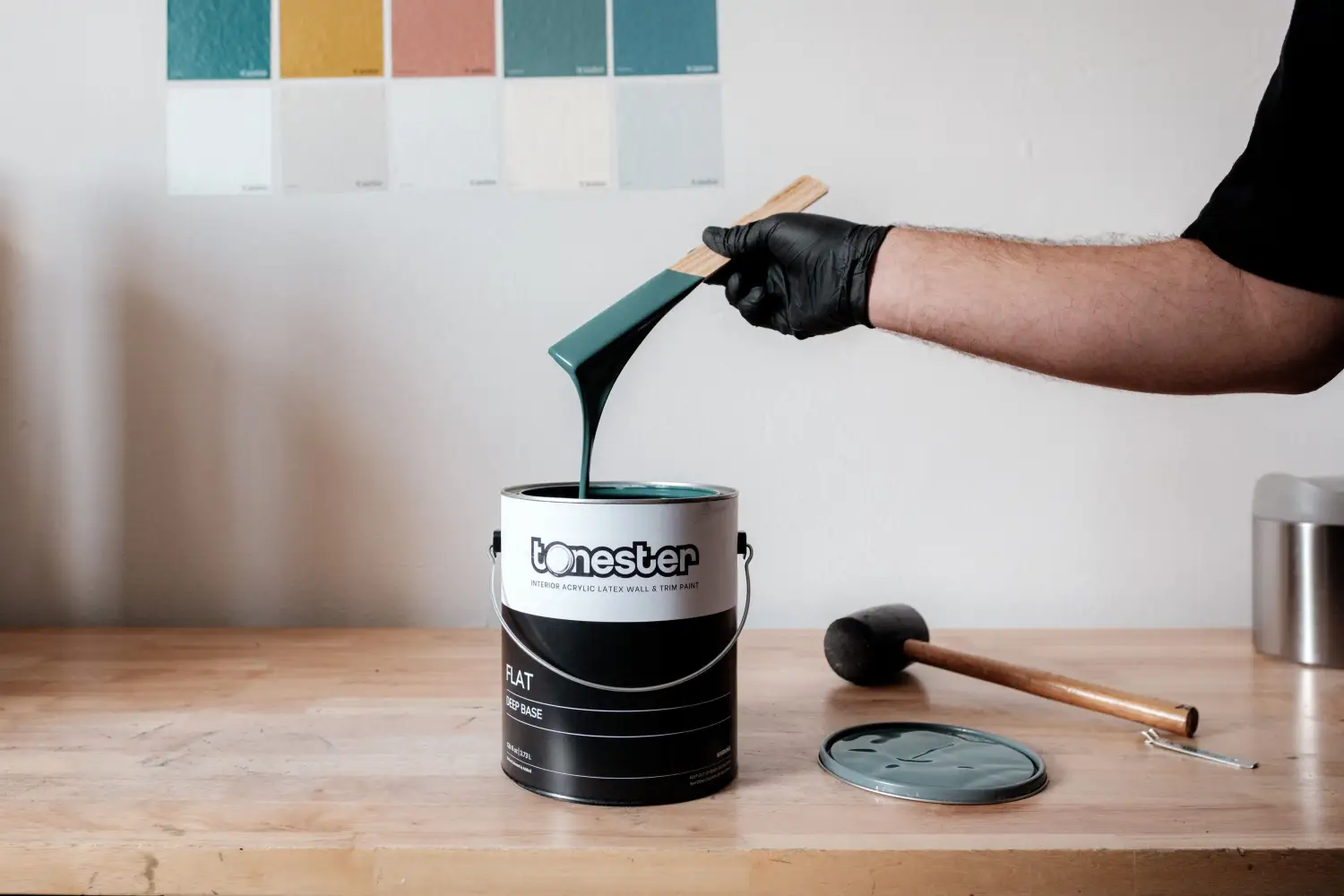
Paint sheen choice collapses to three variables: mechanical wear, water exposure, and incident light. Ignore any one, and the paint fails predictably. Diagnose all three before opening a can, and you eliminate the guesswork that sends most DIYers back to the store for a second gallon.
This framework treats a surface as an engineering problem, not a decorating preference. A wall that takes daily backpack scrapes demands a different film integrity than a ceiling nobody touches. Steam, condensation, and splashes attack the binder in ways no scrubbing ever will. And a window’s cross light will turn a glossy wall into a defect map that would have been invisible under flat. By the final section, you’ll have a repeatable decision process—not a wish list of sheen personalities.
Surface Abuse Level: What Will This Wall Actually Endure?
Abuse is the cumulative mechanical stress a surface absorbs: scrubbing, impacts, friction, and the rub of hands and furniture. The sheen’s job is to resist that stress without burnishing, scratching, or losing adhesion.
Flat and matte offer almost no resistance. They belong on ceilings and formal walls that see zero contact. Eggshell tolerates a gentle wipe but will burnish under repeated rubbing. Satin handles regular cleaning and light scuffs—it’s the minimum for corridors and family spaces. Semi-gloss and high-gloss form hard, tightly bonded films that shrug off scrubbing and impacts, which is why they go on trim, doors, and high-contact areas.
When Low Abuse Allows Flat
Ceilings, formal living rooms, and master-bedroom walls with no children or heavy traffic gain nothing from a scrubbable sheen. Flat’s advantage is that it scatters light and hides drywall flaws—joint compound, tape seams, and minor texture—by diffusing rather than reflecting. The price is that you cannot clean it without damaging the surface. If the surface is truly low-touch, that price is acceptable.
When Moderate Abuse Requires Eggshell or Satin
Eggshell sits just above flat and handles an occasional damp-cloth wipe. Use it in adult spaces that need infrequent cleaning: dining rooms, low-traffic hallways, guest rooms. Satin is the cutoff for active family rooms and most hallways. It reflects more light, which can brighten a dim corridor, but that reflectivity also registers patchy repairs and uneven texture more than eggshell. If the walls have visible flaws, the durability gain of satin forces you to invest additional prep time to keep the finish acceptable.
When High Abuse Demands Semi-Gloss or High-Gloss
Trim, doors, chair rails, and baseboards collect impacts and fingerprints daily. Mudrooms, laundry areas, and stairwells see repeated scuffs. Kitchens and bathrooms add moisture to the abuse load. Semi-gloss is the floor for these zones. High-gloss provides a harder, more cleanable shell but amplifies every surface imperfection—so the prep standard must be flawless. Any shortcut in sanding or patching will be permanently visible under high-gloss.
Moisture Exposure: When Water Vapor Decides the Finish
Moisture degrades paint from within, loosening the bond to the substrate and feeding mold. Sheen controls how closed the film is: flat has microscopic pores that allow water vapor to penetrate; glossier sheens form a nearly continuous barrier. A wall that stays dry doesn’t need that barrier. A bathroom ceiling above a daily shower does.
Dry Environments: Where Flat and Eggshell Operate Without Risk
Bedrooms, living rooms, and dry-conditioned hallways face negligible moisture. Sheen choice here is driven by abuse and lighting alone. The only exception is a wall directly behind a shower in an otherwise dry room—that specific surface qualifies as a moisture zone and demands a tighter sheen.
Occasional Humidity: Bathrooms With Working Ventilation
A bathroom with a capable exhaust fan and regular towel-drying still generates bursts of steam. Eggshell can survive if the fan runs long enough, but satin removes the risk on walls and the upper portion of the ceiling. For the shower surround, tile handles the direct water; the painted surfaces outside it still need a sheen that won’t soften under condensation.
Constant Moisture: Kitchens, Damp Basements, and Poorly Ventilated Baths
Kitchens add grease and splatter to the moisture load. Basements bring ground dampness that saturates air. Bathrooms without adequate ventilation subject the paint film to extended steam cycles. Semi-gloss is the baseline recommendation for these spaces; it resists water penetration, cleans with minimal effort, and tolerates the soap-and-grease chemistry that destroys flat finishes. Satin works as a compromise in a kitchen with excellent range hood ventilation, but it shortens the repaint interval noticeably.
How Lighting Turns a ‘Wrong’ Sheen into a Glare Problem
Lighting is the third variable because it determines whether a sheen’s reflectivity helps or hurts. Flat scatters light, smoothing texture. Gloss mirrors it, emphasizing topography. The direction and color of light turn a sheen choice from an interior-design decision into a physics problem.
Direct Sunlight: The Imperfection Amplifier
A south- or west-facing wall under afternoon sun acts like a raking light that catches every drywall wave, tape seam, and patch. Any sheen above eggshell will reflect those irregularities back at eye level. If abuse says satin but sunlight says flat, you have three options: drop to eggshell and accept less durability, invest in Level 5 drywall finishing to flatten the surface, or live with the texture. There is no fourth option.
Low-Light Spaces: Where Satin and Eggshell Earn Their Keep
Windowless bathrooms, interior hallways, and north-facing rooms feel smaller and darker without reflective assistance. Satin bounces ambient light around enough to open the space, while still hiding moderate flaws. Eggshell provides a safer floor if the walls are imperfect. High-gloss in a dim room creates isolated specular highlights that pull the eye to a single bright spot—usually an unpleasant effect.
Artificial Light: Color Temperature Shifts Sheen Perception
Warm-white bulbs (2700–3000K) soften the reflective edge of satin and semi-gloss, making them read as less severe. Cool daylight LEDs (4000K+) harden the same sheen and can make it feel sterile. Test a sample board under the exact bulbs installed in the room, especially in kitchens and bathrooms where sheen and task lighting overlap. Without this step, you are guessing.
From Diagnosis to Decision: A Room-by-Room Sheen Guide
Apply the three variables to common spaces, prioritizing the most dominant stress factor in each.
| Room / Surface | Abuse Level | Moisture | Lighting Influence | Recommended Sheen |
|---|---|---|---|---|
| Ceilings (dry rooms) | Very low | None | Overhead, indirect | Flat |
| Living room walls | Low | None | Varies; often moderate | Eggshell |
| Main hallway | Moderate | None | Often dim, artificial | Satin |
| Kids’ bedroom | High | None | Varies | Satin |
| Kitchen walls | High | High | Task lighting, windows | Semi-gloss |
| Kitchen ceiling | Low–moderate | High | Ceiling, near steam | Semi-gloss or satin |
| Powder room walls | Low–moderate | Low–moderate | Artificial | Eggshell |
| Full bath walls | Moderate | High | Artificial, window | Satin or semi-gloss |
| Bathroom ceiling | Low | High | Overhead, steam | Semi-gloss |
| Trim & doors (all rooms) | Very high | Low to moderate | Accent, not focal | Semi-gloss |
The table is a starting assumption, not a contract. When one variable dominates—a sun-blasted living room wall with heavy texture, a damp basement with no natural light—override the matrix. A textured wall under direct sun may need flat even if abuse suggests eggshell. A basement with constant dampness and dim lighting gets semi-gloss on walls, not the satin the chart might imply, because moisture is the overriding threat.
The Abuse-Moisture-Lighting Triad: Your New Default Checklist
Before any paint purchase, interrogate the surface with these three questions. They force a diagnosis instead of a guess.
- Abuse: What contacts this surface daily? Hands, bags, furniture, shoes—choose greater durability. Nothing—flat becomes viable.
- Moisture: Will steam, splashes, or dampness be present? If yes, the sheen must seal. If no, moisture does not constrain your options.
- Lighting: Does direct or raking light strike this wall? If yes, glossy sheens will amplify defects. Drop the sheen or invest in better substrate preparation.
Match sheen to the most restrictive answer. If abuse demands satin but lighting demands flat, the trade-off is unavoidable. The framework’s job is to make that trade-off explicit so you choose consciously, not by accident.
Questions About Paint Sheen That the Sheen Chart Never Answers
Can a “washable” flat paint survive in a bathroom?
Improved flat formulations resist burnishing and moisture better than traditional versions, but they do not form the sealed film of a semi-gloss. In a guest bath used once a week, a high-quality washable flat may be adequate. In a daily-use family bath, semi-gloss remains the lower-risk choice.
Does sheen change how a color reads?
Higher sheen concentrates pigment and creates a smoother reflective surface, making the color appear deeper and more saturated. The same tint in flat and semi-gloss will register as two different colors. Sample the actual sheen, not just the color chip.
What sheen works on textured walls?
Texture already diffuses light, so adding gloss creates competing highlights that draw attention to the pattern. Flat or matte minimizes that interference. If durability forces a higher sheen, use the lowest sheen that meets abuse and moisture requirements—typically eggshell or satin—and accept that some highlights will remain.
Is there a ceiling sheen rule?
Dry ceilings should be flat to hide imperfections and avoid glare. Kitchen and full-bath ceilings need a sheen that resists steam and grease; semi-gloss is standard. Satin ceiling paint can work in a well-ventilated room. A flat bathroom ceiling is a maintenance commitment.
Sheen mistakes are preventable because the failure conditions are known in advance. Treat every surface as a brief with three specs to satisfy, and the answer emerges from the constraints themselves. That shift—from aesthetic guesswork to constraint-based selection—turns a paint project into a system you can repeat on every wall in the house.

Clara Bennett
After five years of transforming my 1920s bungalow room by room, I’ve refinished floors, hung blinds in bay windows, and spent more time choosing light bulbs than I’d like to admit. I learned paint sheens by painting my kitchen ceiling three times, and I found out the hard way that a rug too small makes a room feel unfinished. I believe every home can be both functional and beautiful, no matter the budget.
Related posts
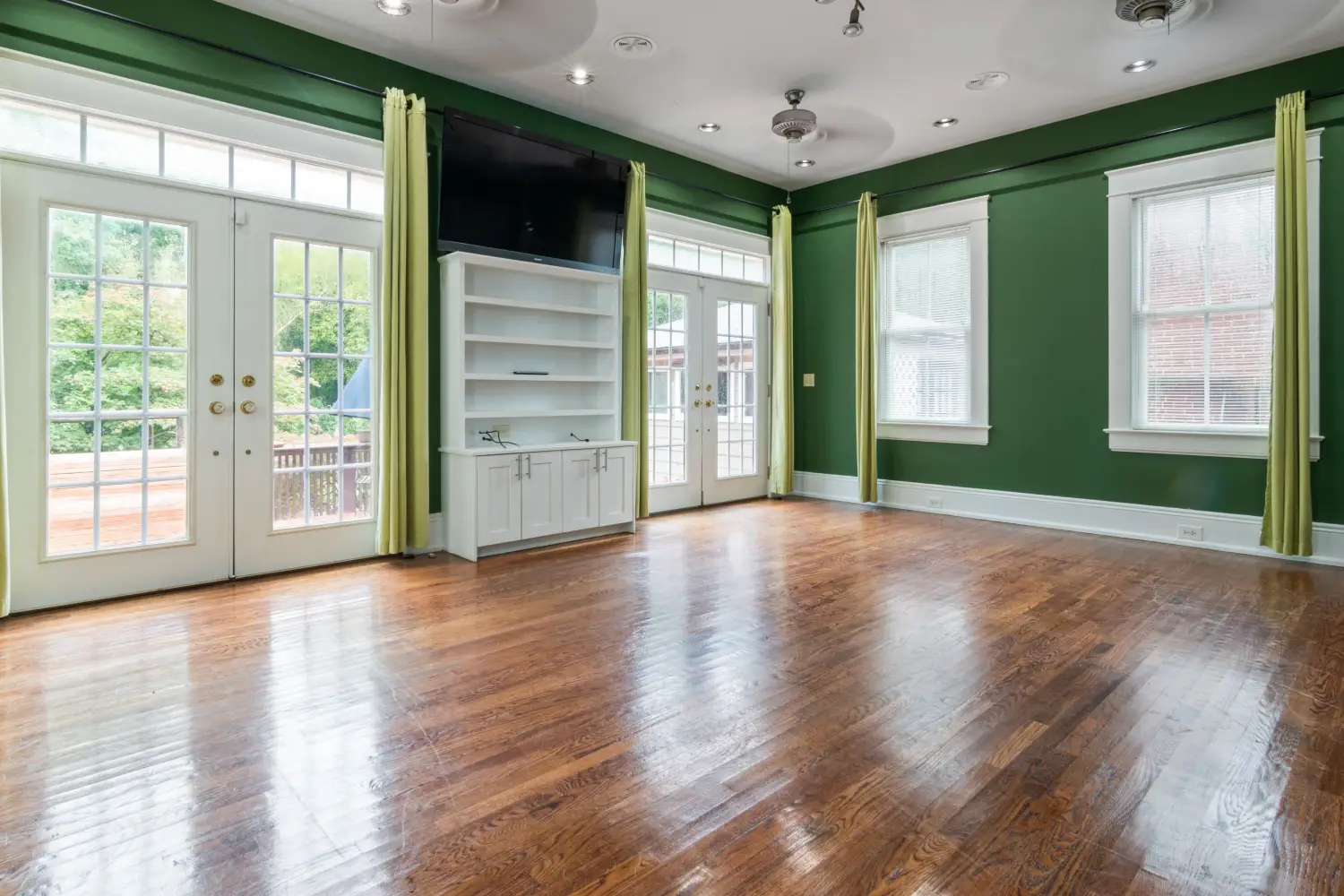
3 Reasons Semi-Gloss Beats Satin on Trim and Doors
A per-year cost breakdown shows semi-gloss saves cleaning time and repaint cycles on trim and doors. See the numbers behind the durability advantage over satin.
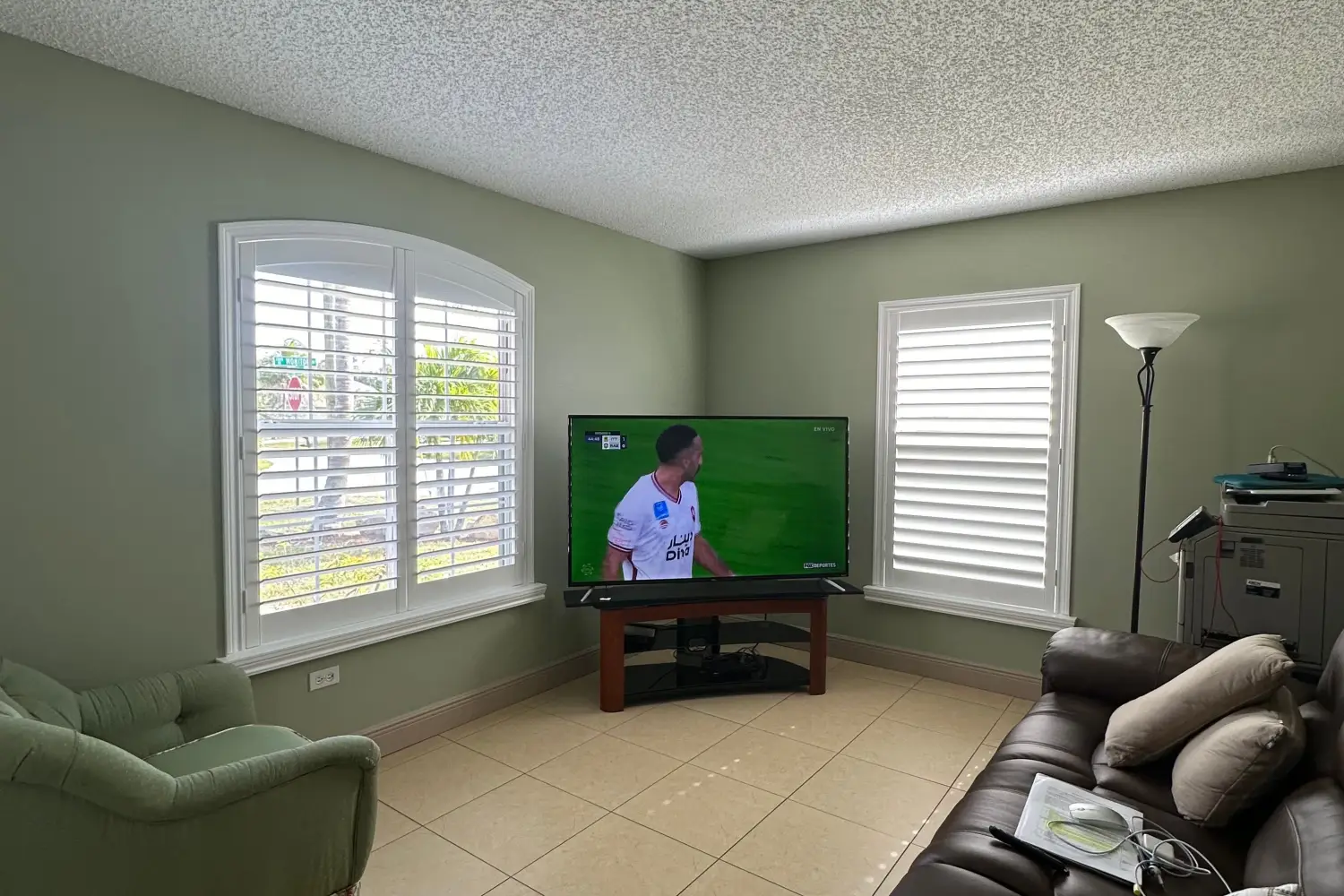
How to Make a Dark Room Feel Brighter with Paint Sheen
Turn a dim room into a light-filled space just by switching paint sheen. This guide shows exactly which finishes to use on walls, ceilings, and trim—with real room examples.

The One Room Where Flat Paint Actually Outperforms Eggshell
Flat paint isn't just for ceilings. In a low-light master bedroom, its deep matte finish hides imperfections and color looks richer—with a simple touch-up trick.