The One Room Where Flat Paint Actually Outperforms Eggshell
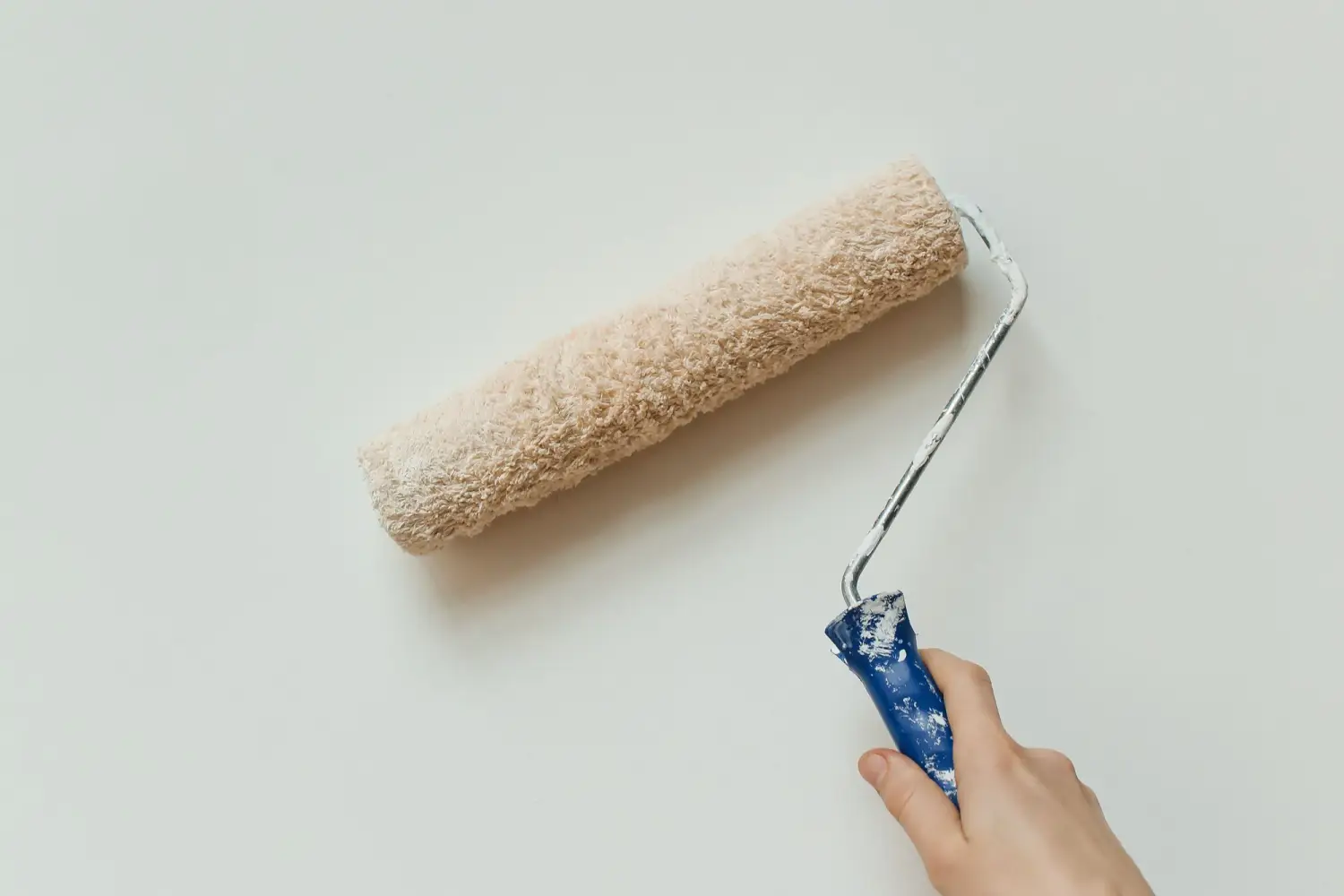
In a low-light master bedroom, flat paint outperforms eggshell because its matte surface scatters light rather than reflecting it specularly. This optical property makes wall colors read deeper and suppresses visibility of surface irregularities—hairline cracks, spackle patches, drywall seams—that a glossier sheen would catch and emphasize. The standard objection to flat paint, that it scuffs and cannot be scrubbed, loses force in a dim room: marks are intrinsically harder to see, and a structured touch-up routine handles what remains.
| Scenario | Winner | One-Line Reason |
|---|---|---|
| A dim master bedroom where depth of color matters | Flat | Zero sheen means no light reflection to highlight imperfections; touch-ups blend invisibly. |
| A kitchen or bathroom exposed to moisture and cooking grease | Eggshell | Slight sheen creates a wipeable surface that won't absorb stains. |
| A child's playroom or hallway with heavy traffic and scuffs | Eggshell | Scrub resistance prevents burnishing when marks are cleaned. |
| A formal dining room used a few times a year | Flat (with caution) | Deep color richness impresses, but walls must stay largely untouched. |
A Master Bedroom That Rarely Sees Direct Light
Flat paint wins in a master bedroom lit only by north-facing windows or lamps after sundown because it eliminates a variable: specular highlight. Without a sheen layer, the wall behaves as a diffuse reflector—incoming light scatters uniformly, so the pigment’s saturation stays intact. Eggshell’s thin gloss film, by contrast, mixes reflected white light into the color, shifting perception toward a lighter, less intense version. The same optics handle flaws. A poorly feathered drywall seam or a patch that never quite sat flush under eggshell catches grazing light and turns into a bright ridge; under flat, the absence of gloss removes that edge-highlighting mechanism entirely.
The practical gap between flat and eggshell closes once a touch-up protocol becomes routine. Scrubbing flat paint is, strictly, a mistake: mechanical action compresses the pigment-binder matrix, burnishing a shiny spot that is more conspicuous than the original mark. Instead, keep a small sealed jar of the original paint—a well-stirred sample container is sufficient—and apply it to a scuff with an artist’s brush or foam wedge. The touched area dries to the same micro-roughness as the surrounding surface, so no sheen boundary forms. In low ambient light, the eye lacks the contrast data to detect the repair. This system does not replace washability—a wall that gets weekly wipedowns will break the protocol—but in a bedroom where marks arrive one at a time and months apart, it maintains a flawless appearance indefinitely.
The trade-off is straightforward: you trade the convenience of a damp-cloth wipe for a two-minute dab of paint. For a velvety, gallery-like finish, that exchange tips in flat’s favor.
A Kitchen or Bathroom With Constant Moisture
Where humidity and splatter are routine—the wall behind a cooktop, a bathroom without strong ventilation—eggshell’s performance is unambiguous. Its gloss level, typically 10–25%, forms a film that resists liquid penetration. A drop of oil or tomato sauce sits on the surface long enough to be wiped away, and mild soap and a soft sponge handle the rest without altering the finish. Flat paint in the same environment absorbs the splatter, leaving a stain, and any attempt to scrub it polishes a shiny patch that cannot be reversed.
Eggshell’s practical benefit exacts an aesthetic cost. On any wall with texture—orange-peel from a previous roller, a slight wave in the plaster—the sheen catches light at an angle and converts subtle variation into visible topography. Color also reads lighter because part of the incident light bounces off the gloss layer before reaching the pigment, desaturating the appearance. In a naturally bright room, ambient light overpowers these effects; in a dim space, they work against the intended mood.
Aspects Where the Sheens Are Practically Identical
A few points of comparison produce differences too small to guide a decision.
Color fidelity in the can. Both sheens accept the same tints and bases; the paint itself does not shift hue warm or cool. The only variable is perceived saturation, which is a function of the surface’s reflectivity—flat appears deeper, eggshell slightly lighter under identical illumination. The underlying color formulation is the same.
Hide of large defects. A patch that leaves a ridge a fingertip can detect will show through flat and eggshell alike under raking light. The sheer lack of gloss cannot flatten physical topography. The real solution is primer and sanding, not sheen selection.
Application mechanics. Both roll on with the same nap length, cut in with the same brush technique, and dry to comparable film thicknesses. Ease of application does not differentiate them.
When the Choice Is Already Made for You
Certain conditions eliminate one sheen instantly.
Flat paint is ruled out wherever the wall will be scrubbed regularly—behind a kitchen sink, at child-height in a playroom, along a mudroom entry. The moment friction is applied, the matte surface burnishes.
Eggshell is ruled out on walls with heavy texture the owner wants to downplay, or where a series of amateur drywall repairs have left less-than-perfect surfaces. Eggshell’s gloss will amplify every inconsistency.
Questions Worth a Straight Answer
Can I use eggshell everywhere and skip the deliberation?
In a low-light bedroom, doing so sacrifices the rich color depth and the ability to touch up invisibly. It also increases the risk that wall imperfections—ones flat would have softened—will become visible.
Does the touch-up method hold up on dark paint?
It holds up especially well. Dark pigments in a flat finish absorb almost all incident light, so a touched spot differs from its surroundings by a margin too small for the eye to resolve under typical bedroom illumination. Stir the paint thoroughly beforehand.
Will a small bedroom feel even smaller with flat paint?
Not in dim conditions. The slight spatial expansion gloss provides is an effect of reflectivity; when light levels are low, the difference is negligible. The deeper color flat produces tends to make the room feel deliberate and cocooning rather than confined.
How do I maintain flat walls without scrubbing?
Dust them with a dry microfiber mop every few months. Both sheens attract dust similarly through static; the difference is that wet-wiping flat alters the surface. Dry dusting preserves the matte finish.
The search that typically leads to this question is a homeowner evaluating a dim bedroom. In that room, flat is the right choice. The single deciding question is: will these walls get dirty from moisture and wiping, or from the occasional bump and brush? That answer routes you to the correct sheen.

Clara Bennett
After five years of transforming my 1920s bungalow room by room, I’ve refinished floors, hung blinds in bay windows, and spent more time choosing light bulbs than I’d like to admit. I learned paint sheens by painting my kitchen ceiling three times, and I found out the hard way that a rug too small makes a room feel unfinished. I believe every home can be both functional and beautiful, no matter the budget.
Related posts
A Pro's Paint Sheen Checklist: Get It Right First Time
Stop guessing paint sheen. Use this three-question framework to match finish to abuse, moisture, and lighting for a flawless result every time.
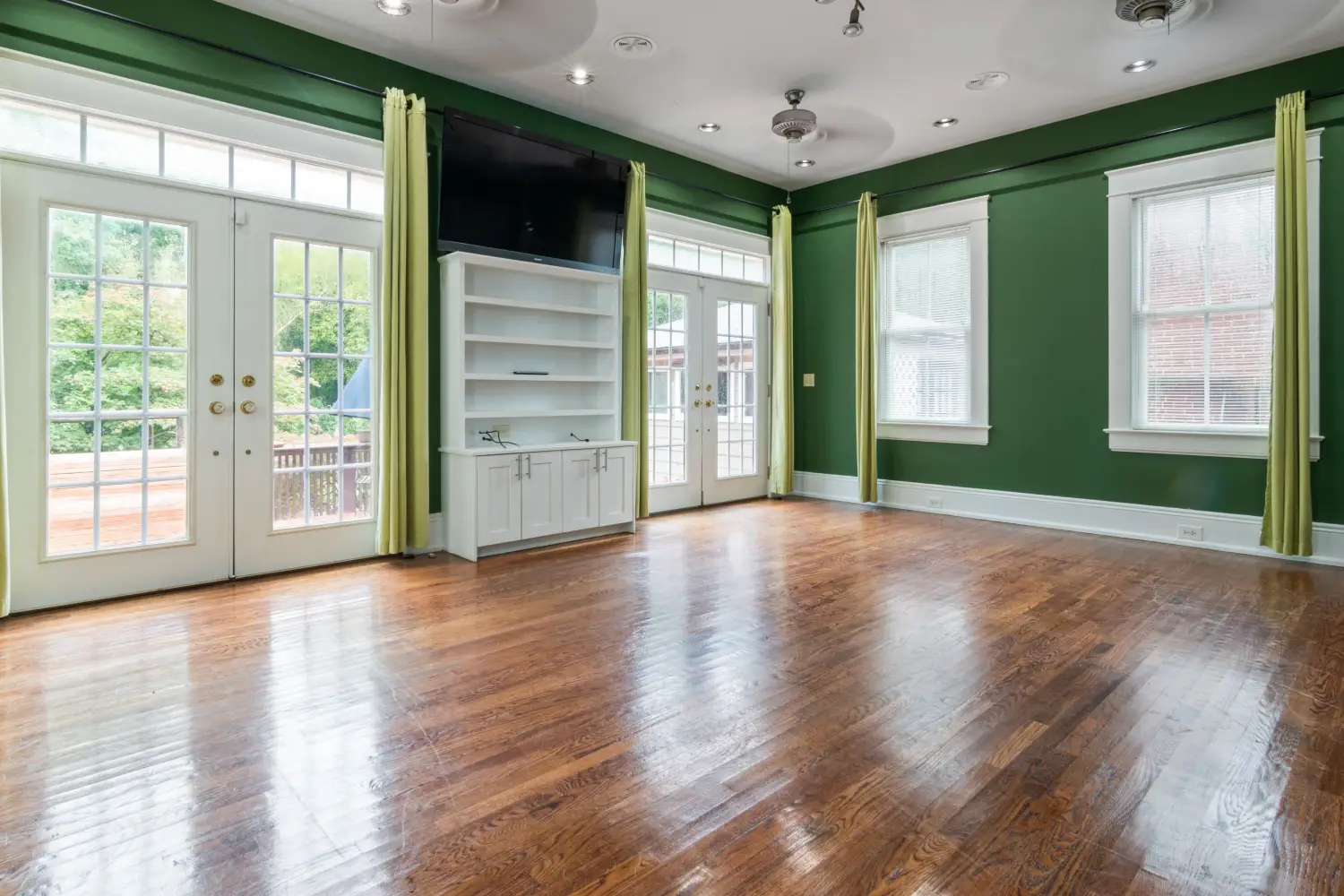
3 Reasons Semi-Gloss Beats Satin on Trim and Doors
A per-year cost breakdown shows semi-gloss saves cleaning time and repaint cycles on trim and doors. See the numbers behind the durability advantage over satin.
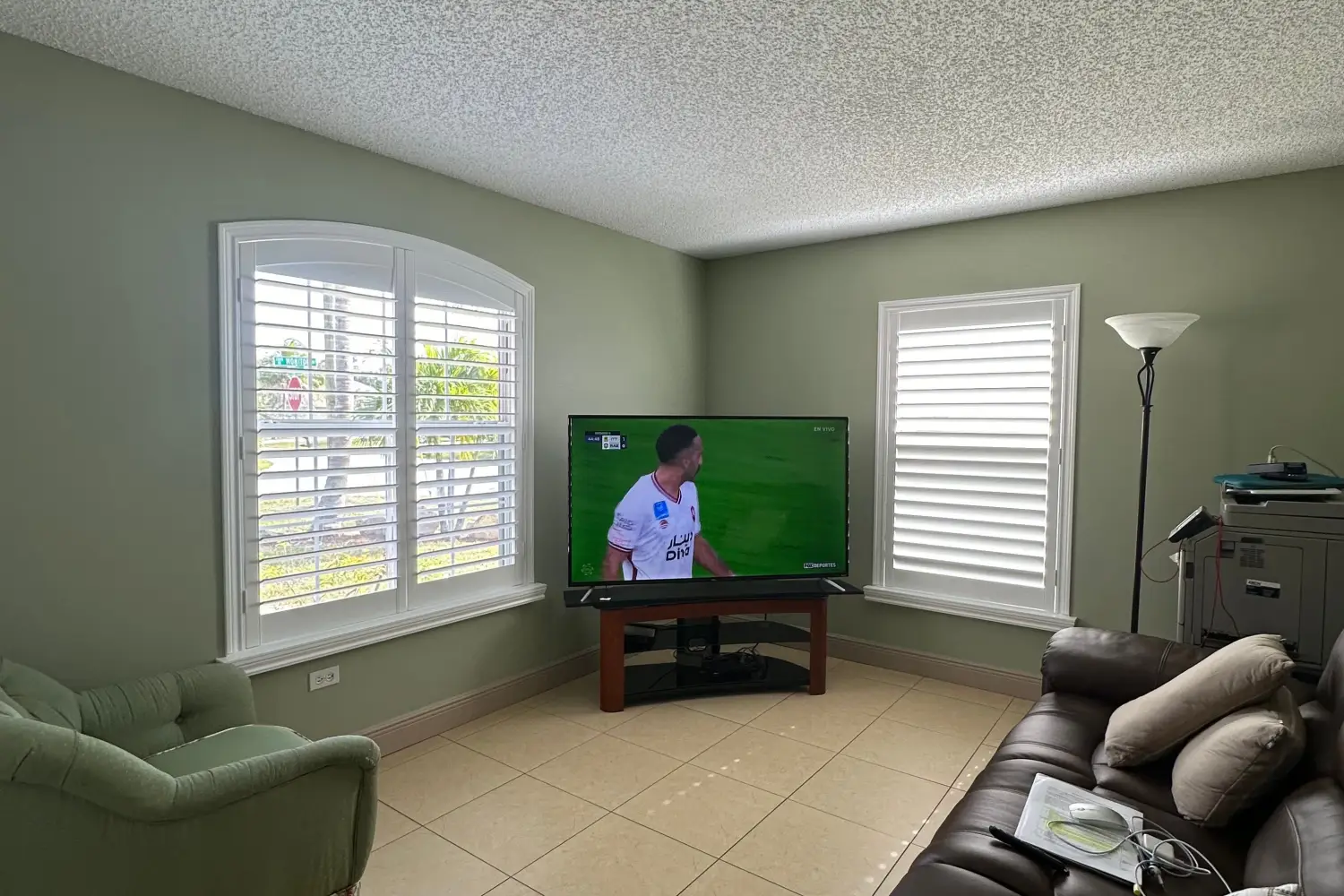
How to Make a Dark Room Feel Brighter with Paint Sheen
Turn a dim room into a light-filled space just by switching paint sheen. This guide shows exactly which finishes to use on walls, ceilings, and trim—with real room examples.