How to Make a Dark Room Feel Brighter with Paint Sheen
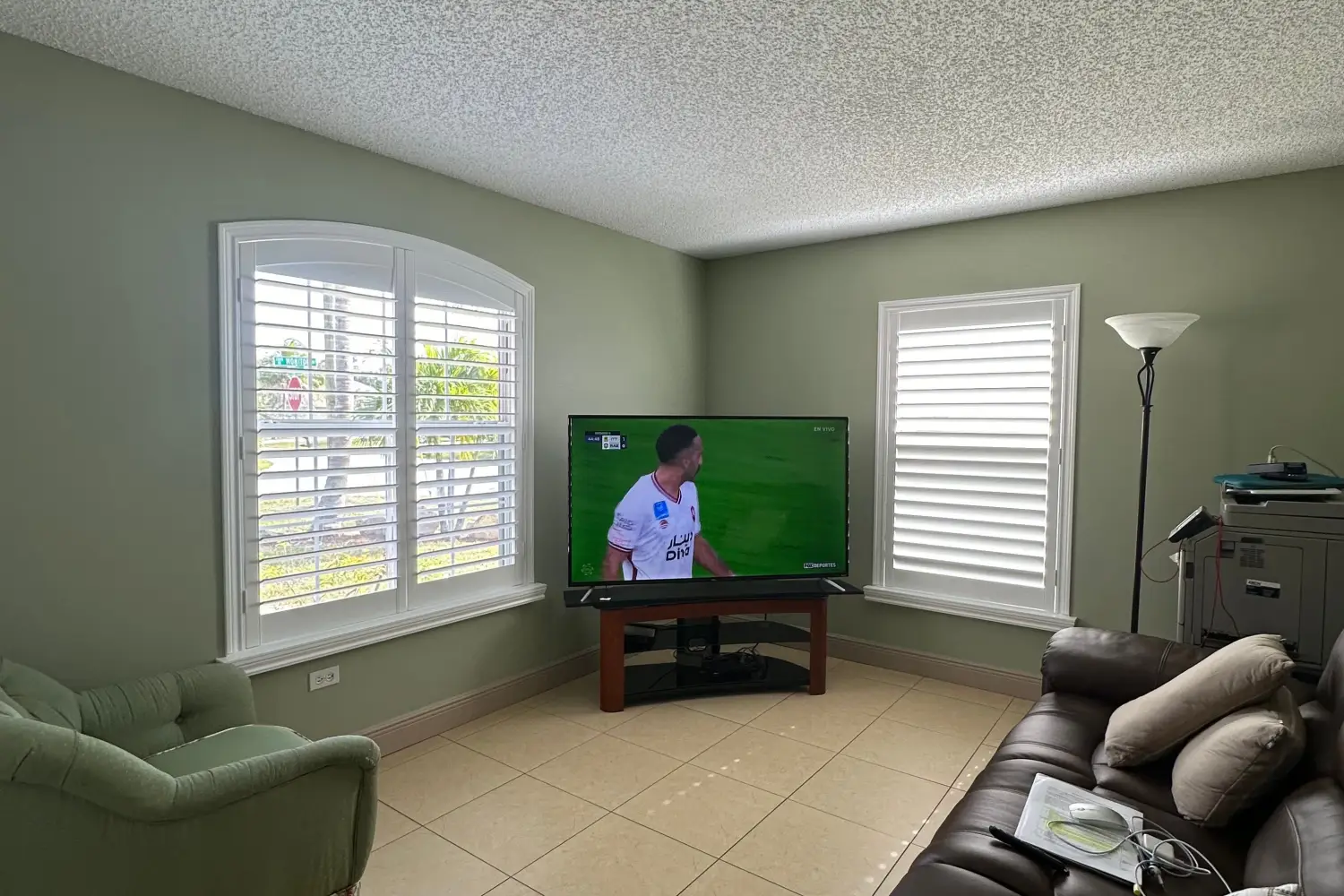
If your living room, bedroom, or hallway feels gloomy despite the lights you’ve added, the answer might be right in your paint can. Paint sheen—the level of gloss in the finish—is a powerful, often overlooked tool for amplifying every bit of light a room already has, without a single renovation.
Why Paint Sheen Changes the Light in Your Dark Room
What you’re really trying to do is get the light you already have to work harder. Flat and matte paints absorb most of the light that touches them, which is why a room with even decent lamps can still feel dim. A higher sheen—anything from eggshell up to gloss—turns walls and ceilings into light bouncers, spreading illumination across the space. Think of a north-facing living room that feels cold and shaded in the afternoon, or a windowless bathroom where you have to turn on every light just to see. With a strategic switch in sheen, the room itself starts to feel like it’s contributing to the brightness rather than swallowing it whole.
Your 5-Step Plan for a Brighter Atmosphere
- Identify where your room’s light really comes from—direct sun, reflected daylight, or just a ceiling fixture.
- Match walls to eggshell or satin, depending on how much surface texture you have.
- Give the ceiling a semi-gloss or high-gloss finish to throw light back down.
- Paint trim and doors one sheen step above the walls so edges catch light and give the room dimension.
- Choose a light paint color (high LRV) to work with the sheen, not against it.
Walkthrough: Using Sheen to Lift Your Darkest Rooms
First, Know Your Room’s Lighting Reality
Walk into the room at different times of day. If you see cool, indirect light from a north-facing window, you’ll need a bit more reflection than a room that gets warm afternoon sun. In a bathroom with no window, the only source is whatever fixture you use—usually overhead. That means every surface you paint must reflect as much light as possible. For a room that gets even a sliver of natural light, an eggshell sheen might be enough to make it feel airy. But if the room relies entirely on a single bulb, you’ll want satin walls and a ceiling with serious gloss.
Choosing the Right Sheen for Your Walls
Flat and matte finishes are essentially light traps. Even a “bright white” in flat can look gray in a dim corner. Eggshell gives you a subtle glow, reflecting enough light to lift the room without shining too much, and it’s forgiving on older walls. Satin reflects more but also reveals more flaws; so if your walls have been patched or have a slight texture, eggshell is often the safer bet. If the surfaces are in excellent condition, satin can really pay off, especially in spaces like a windowless powder room where one wall sconce needs to carry the light. There, the extra sheen spreads the light around so you aren’t staring into shadows.
Don’t Overlook the Ceiling’s Role
A flat white ceiling is standard, but it’s doing very little to help a dark room. Switching to semi-gloss on the ceiling can change everything—it catches light from table lamps, floor lamps, and fixtures and redirects it down into the space. In a small bedroom with just one window, a semi-gloss ceiling alone can make the room feel taller and more open. If you go all the way to high-gloss, you’ll get maximum reflection, but it demands a flawless ceiling surface; every little crack or texture will stand out. For most older homes, semi-gloss strikes the right balance between reflection and forgiveness. In hallways lit only by recessed lights, that gloss ceiling becomes a diffuser, making the corridor feel wider.
Trim and Doors: The Finishing Reflection
Trim, baseboards, and doors aren’t just framing—they’re reflective edges that can make a room feel more three-dimensional. When you paint them one sheen level above the walls (for example, semi-gloss trim with eggshell walls), you create subtle highlights that break up darkness. A dark den or home office with low light can feel far less enclosed with that small shimmer along the baseboards. If your walls are satin, carry that gloss up a notch to semi-gloss on trim; if walls are eggshell, satin trim is enough.
Sheen and Color Work Together
The paint color’s LRV (light reflectance value) matters just as much as the sheen. Even a high-gloss navy will absorb light, while a soft cream with an LRV around 80 in satin will feel radiant. For a truly brightening effect, aim for an LRV above 60. A warm white like Benjamin Moore’s Cloud White (LRV 87) in eggshell on walls, paired with semi-gloss on the ceiling and trim, can completely shift the feeling of a north-facing living room from dreary to welcoming. The combination of high reflection from both color and sheen multiplies the light in a way you can see the moment you enter.
Is Your Paint Sheen Doing Its Job?
- After the first coat has dried, step back. Look at the farthest corners: if they still feel like shadows, you may need a higher sheen or an extra coat to build reflectivity.
- In the evening, with only the room’s artificial lights on, does the illumination feel more spread out? A successful sheen will soften the light so it fills the room, not just the area directly under the fixture.
- Compare the painted wall to the original chip. If the color looks dimmer, the sheen might be too low—eggplant instead of satin, for example—or the LRV might be too dark. Try a higher sheen first before swapping colors.
- Look up at the ceiling. If it doesn’t seem to catch any light, it probably needs a glossier finish. A proper ceiling sheen should give off a gentle, even glow.
When the Darkness Won’t Lift: Troubleshooting
The walls ended up blotchy or show roller marks.
High-sheen paints highlight every surface flaw. This often happens when the wall wasn’t primed or the coat was too thin. Apply a primer, then a second full coat of satin using a high-density roller sleeve, working methodically in small sections.
The room feels brighter but the light source now creates glare.
A gloss that’s too shiny can create hard reflections from lamps or recessed lights—hot spots that are distracting. If you’re seeing this, dial down the wall sheen to satin or eggshell, but keep the ceiling glossy. That way you maintain bounce without the glare.
The color looks washed out or colder than you expected.
High sheen can shift how a color reads, sometimes making a soft greige look flat or an off-white feel clinical. Try moving to eggshell instead of satin, or choose a slightly warmer version of the same color to restore depth while keeping the brightness.
Common Questions About Paint Sheen and Light
What sheen works best in a hallway without windows?
Satin walls and a semi-gloss ceiling are the most effective combination. Hallways get a lot of traffic, and satin holds up to cleaning while reflecting enough light from what is usually a single overhead fixture.
Why not just use high-gloss everywhere for maximum brightness?
High-gloss reflects the most, but it’s unforgiving—it reveals every ding and can create an intense, institutional glare. In a home, it’s best limited to ceilings, trim, and doors. Walls in satin give you good reflection without the cold, shiny feel.
Can a lighter paint color alone solve the darkness?
A light color without sheen can still look dull. Flat white in a dark room often appears gray and lifeless because there’s no reflective finish to activate the light you have. Sheen is what gives the color its vitality.
How do you keep a glossy finish clean without ruining it?
Glossy surfaces show dust and fingerprints sooner. Use a soft microfiber cloth, barely damp, and wipe gently. Skip abrasive cleaners—they can dull the sheen over time. Look for scrubbable or washable paint lines for high-traffic areas.
Once your room feels noticeably brighter thanks to sheen, the natural next move is to check your window coverings (sheer curtains work with the new reflection) or upgrade your light bulbs to ones with a high CRI so that your freshly reflective surfaces show colors as they should.

Clara Bennett
After five years of transforming my 1920s bungalow room by room, I’ve refinished floors, hung blinds in bay windows, and spent more time choosing light bulbs than I’d like to admit. I learned paint sheens by painting my kitchen ceiling three times, and I found out the hard way that a rug too small makes a room feel unfinished. I believe every home can be both functional and beautiful, no matter the budget.
Related posts
A Pro's Paint Sheen Checklist: Get It Right First Time
Stop guessing paint sheen. Use this three-question framework to match finish to abuse, moisture, and lighting for a flawless result every time.
3 Reasons Semi-Gloss Beats Satin on Trim and Doors
A per-year cost breakdown shows semi-gloss saves cleaning time and repaint cycles on trim and doors. See the numbers behind the durability advantage over satin.

The One Room Where Flat Paint Actually Outperforms Eggshell
Flat paint isn't just for ceilings. In a low-light master bedroom, its deep matte finish hides imperfections and color looks richer—with a simple touch-up trick.