Nylon vs Wool Carpet: A Flooring Installer's Decision Guide
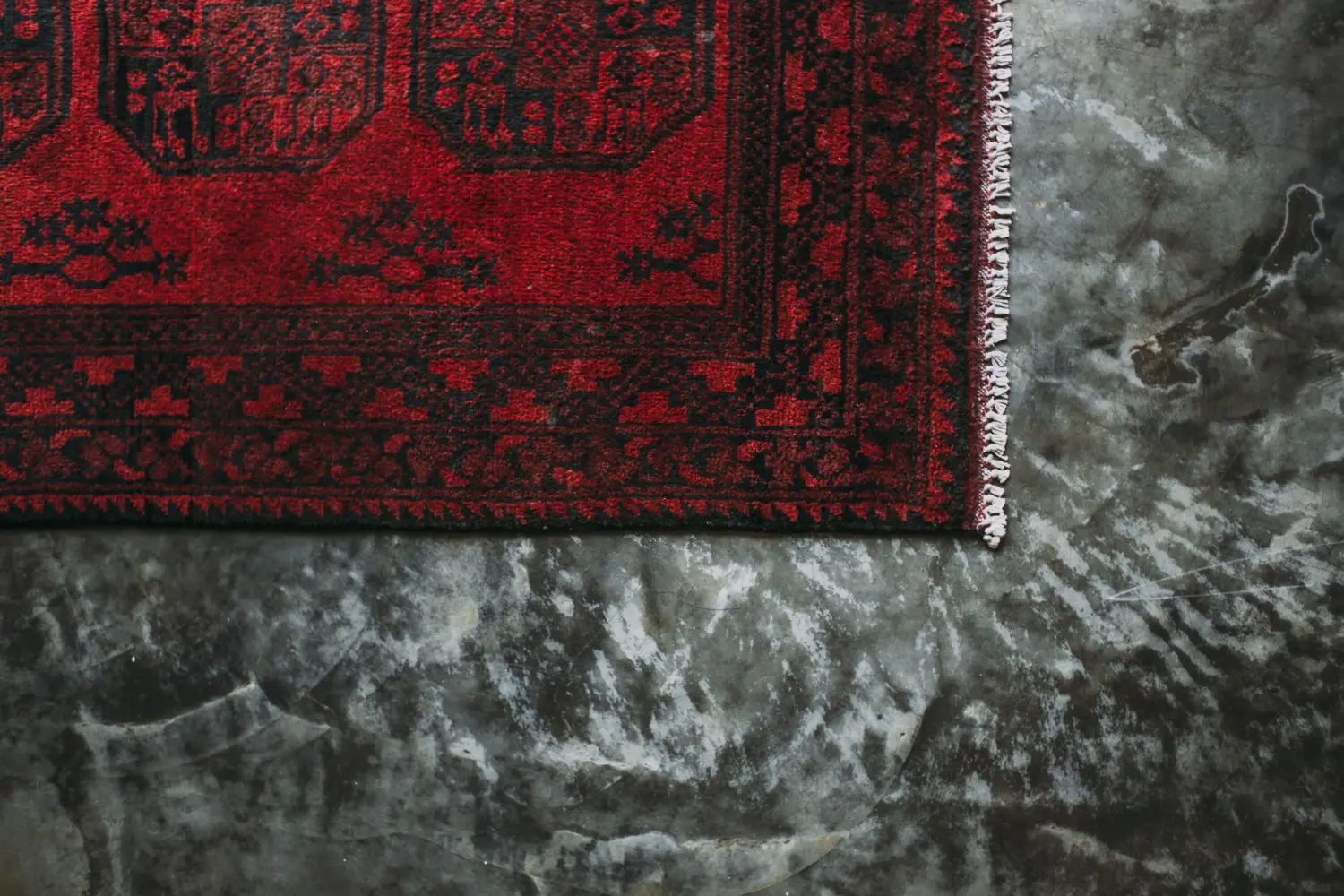
For a 1,500 sq ft whole-house carpet installation, nylon is the more durable, stain-resistant, and budget-conscious choice, while wool delivers superior comfort, natural temperature regulation, and a smaller long-term environmental impact at a distinctly higher cost and upkeep level. The decision comes down to which performance metrics you actually value under daily use.
New homeowners face a structured decision tree—seven factors that will either make the carpet a daily frustration or a background asset. This article evaluates initial cost, durability, stain resistance, comfort, maintenance effort, style range, and environmental impact through a single scenario: carpeting every liveable square foot of a typical 1,500 sq ft house. That square footage forces abstract differences into hard, comparative numbers, making it clear where each fiber saves money today and where it extracts hidden costs over a decade.
The 1,500 sq ft Homeowner’s Verdict
For the majority of new homeowners furnishing a 1,500 sq ft home, nylon carpet is the logical investment: it withstands traffic and spills better, costs substantially less to install, and demands less specialized care than wool. Wool is the superior option when comfort underfoot, natural sound insulation, and environmental stewardship outweigh tight budget constraints and a willingness to manage more frequent, more delicate maintenance. The rule of thumb: nylon for the rooms that work hard; wool for the rooms that don’t.
How Nylon and Wool Stack Up on Every Practical Criterion
| Criterion | Nylon | Wool |
|---|---|---|
| Installed cost per sq ft | $3 – $7 | $8 – $15 |
| Durability under traffic | Crush-resistant, recovers well | Resilient but crushes over time, especially under heavy furniture |
| Stain resistance | Excellent with stain treatments; resists water-based and oil-based spills | Moderate; lanolin repels some liquids, but acidic stains (wine, coffee, pet urine) can set permanently |
| Comfort and insulation | Soft, especially new solution-dyed types; insulates moderately | Naturally soft, excellent thermal and acoustic insulation |
| Maintenance frequency | Vacuums easily; professional cleaning every 18–24 months | Requires more frequent vacuuming with a brush attachment; wool-safe cleaners needed; initial shedding common |
| Style and color range | Enormous—hundreds of colors, textures, and patterns; mimics wool looks | Rich, natural variation; limited dye lots; fewer synthetic-style high-sheen finishes |
| Environmental impact | Petroleum-based, not biodegradable; recycled-content options reduce footprint | Renewable, biodegradable; land use and methane from sheep production are the main environmental costs |
Nylon Carpet: Built for the Realities of Daily Use
Nylon is a synthetic polymer, and the current generation of carpet-grade nylon is optimized for households that don’t treat their floors gently. Nylon 6 and nylon 6,6 dominate the residential market; the latter’s tighter molecular structure provides a small edge in toughness and colorfastness, though both types perform well.
Strength is nylon’s primary advantage. In a 1,500 sq ft installation that includes stairs, a family room, and hallways that see constant foot traffic, nylon resists matting and crushing far longer than wool. Its elasticity allows it to spring back after furniture is moved—a characteristic a homeowner who rearranges living spaces every few years will value.
Stain resistance is the larger practical win. Most nylon carpets ship with acid-dye blockers that sit on the fiber surface. A spilled cup of coffee or a splash of juice wiped up within a minute rarely leaves lasting evidence. Oil-based stains like butter or salad dressing clean up with standard spot removers, as long as they aren’t allowed to sit for hours. Bleach and powerful oxidizers remain threats, but everyday accidents are low-risk.
The functional downside of nylon is its lack of natural thermal mass. It can feel cool underfoot in winter and doesn’t absorb airborne moisture the way wool does, so static buildup is more common in dry climates. On the financial side, the numbers are straightforward: for a 1,500 sq ft whole-house job, the material and installation difference can run $7,500 to $12,000 less than wool, depending on the quality tier. That’s capital a homeowner can allocate elsewhere.
Weaknesses: nylon is plastic, and prolonged exposure to direct sunlight through south-facing windows will eventually fade it. Some lower-grade nylons emit a mild chemical odor for a few days after installation—proper ventilation solves that quickly.
Wool Carpet: A Natural Fiber with Demands
Wool is a protein fiber, and it brings properties no synthetic has replicated in full. In a 1,500 sq ft home, wool’s advantages shine in bedrooms, formal spaces, and upstairs corridors where foot traffic is lighter and the desire for a quiet, warm surface matters more.
The tactile quality of wool is its strongest argument. It’s springy, cushioned, and insulates thermally and acoustically. In a two-story house, an upstairs wool runner can noticeably reduce the thud of footsteps transmitted to the room below. Wool also moderates indoor humidity—absorbing and releasing moisture without feeling damp—which contributes to comfort in climates with varying seasonal humidity.
Durability under load tells a more complicated story. Wool fibers are resilient initially, but sustained pressure from furniture legs compresses the pile, and the indentation may not fully recover without professional steaming or grooming. In high-traffic hallways of a 1,500 sq ft home, visible wear paths can emerge within three to five years if the carpet isn’t rotated with runners. On stairs, wool’s tendency to shed loose fibers during its first year, combined with abrasion from shoe edges, makes it a risky choice for the most active zones.
Stain resistance in wool is conditional. The natural lanolin coating repels water-based liquids temporarily—a wet spill blotted quickly often leaves no trace. The problem is acidic and alkaline substances. Orange juice, tomato sauce, or pet accidents can chemically alter the fiber’s protein structure, producing a permanent bleach-like spot. Wool-safe cleaners are mandatory, and rough scrubbing can felt the yarn and change the texture permanently.
Environmentally, wool’s renewable and biodegradable nature eclipses nylon’s petroleum origins. It breaks down in a landfill or composting environment in a matter of years, while nylon persists for centuries. The production of wool does involve methane emissions from sheep and land-use impacts, but lifecycle assessments typically favor it over virgin nylon. Recycled-content nylon narrows the gap, but for a homeowner who prioritizes end-of-life impact, wool remains ahead. The higher price per square foot reflects a shorter, more labor-intensive supply chain. For a 1,500 sq ft installation, wool’s installed cost can reach $12,000 to $22,000—a significant multiplier over nylon.
The Seven-Decision Framework Applied to a 1,500 sq ft House
Initial Cost — Nylon dominates. A mid-grade nylon installed across 1,500 sq ft typically lands between $6,000 and $9,000. An equivalent wool installation starts near $12,000 and climbs quickly. The savings on nylon can fully fund the underlayment or even a portion of the project’s padding upgrade.
Durability — Nylon’s abrasion resistance and crush recovery make it the stronger candidate for stairs, entryways, and family rooms. Wool survives well in low-traffic zones but shows visible wear faster under real household use.
Stain Resistance — Nylon’s engineered treatments outperform wool’s lanolin barrier. In a home with children or pets, this factor alone tilts the decision toward nylon.
Comfort — Wool wins unequivocally. The difference in thermal insulation and sound dampening is palpable, especially in winter. Nylon is adequate but never feels luxurious.
Maintenance — Nylon requires less overall effort. It accepts standard carpet cleaners and steam cleaning without strict chemical limitations. Wool demands pH-neutral products, faster spill response, and more frequent vacuuming with a brush attachment. The upside: wool hides soil visually better, but that can lead to deferred cleaning, which degrades the fiber over time.
Style Range — Nylon offers a broader color palette, more texture options, and the ability to mimic wool’s appearance at a lower cost. Wool’s natural color depth and variation are hard to match, but if matching a specific paint color or design scheme is critical, nylon’s consistency provides more reliable results.
Environmental Impact — Wool is the clear pick for those who prioritize biodegradability and renewable sourcing. Nylon’s petroleum-based composition and multi-century degradation timeline are real liabilities. Recycled nylon options mitigate the issue somewhat, but the total fiber weight of a 1,500 sq ft nylon installation represents a substantial future waste stream.
Nylon vs Wool: Guidelines for the 1,500 sq ft Homeowner
Choose nylon if the house holds energetic kids and shedding pets. The fiber’s stain treatment and crush resistance mean you won’t police every footstep. A medium-pile nylon in a mid-tone color will look presentable even after months of real use.
Choose wool if the goal is a comfortable, quiet bedroom suite or formal living area where shoes come off and the pace is slower. The sensory payoff is genuine, and a well-made wool broadloom can define a room’s character. Plan for a vacuum with adjustable brush height and commit to cleaning spills the moment they happen.
If upfront cost is the single binding constraint, nylon is the only viable path. Redirect the savings into a premium underlayment—this step improves comfort and extends carpet life for any fiber.
If environmental impact is non-negotiable, wool holds the edge, but also look at recycled-content nylon. A 1,500 sq ft carpet commitment is large; wool’s ability to biodegrade is a strong argument. Reserve wool for spaces that justify the investment, or save toward it as a long-term upgrade.
Common Questions New Homeowners Ask About Carpet Fiber
Does nylon carpet off-gas or affect indoor air quality?
New nylon carpet can release low levels of VOCs for a few days after installation, producing a temporary odor. Products with the Carpet and Rug Institute’s Green Label Plus certification meet stricter emission limits. Once aired out, nylon contributes little to ongoing air quality concerns, and the fiber doesn’t harbor dust mites to the degree wool can.
Will wool carpet attract moths or other pests?
Wool is a protein fiber, making it a potential food source for carpet beetles and clothes moths, particularly in dark, undisturbed areas with accumulated soil. Regular vacuuming along edges and under furniture prevents infestations. Modern wool carpets often receive moth-proofing treatments during manufacturing, though the protection diminishes over time. The risk is manageable with consistent cleaning.
Is wool carpet harder to install than nylon?
The installation process for both fibers is similar when handled by a qualified crew. Wool is slightly less dimensionally stable, so it requires proper power-stretching and acclimation to the home’s humidity level to avoid rippling. The added weight of wool rolls demands more labor to maneuver, but for a 1,500 sq ft project, labor costs won’t differ dramatically beyond maybe an extra helper for a few hours.
The Final Word on 1,500 sq ft of Carpet
Nylon remains the recommended fiber for most new homeowners covering 1,500 sq ft of living space. It tolerates real life—pets, spills, frequent foot traffic—with less anxiety and a smaller financial outlay. Wool justifies its place in quiet, comfort-focused rooms where the household can accept the maintenance and upfront cost. Match the fiber to the room’s expected workload: nylon for the active core, wool for the retreats that deserve a softer step.

Clara Bennett
After five years of transforming my 1920s bungalow room by room, I’ve refinished floors, hung blinds in bay windows, and spent more time choosing light bulbs than I’d like to admit. I learned paint sheens by painting my kitchen ceiling three times, and I found out the hard way that a rug too small makes a room feel unfinished. I believe every home can be both functional and beautiful, no matter the budget.
Related posts
5 Stains That Ruin Wool Carpet (And How Nylon Fares)
Red wine, pet urine, coffee, paint, and mud test wool versus nylon beyond the label. See which fiber survives real spills with the right cleaning steps.
Nylon vs Wool Carpet: The $4,000 10-Year Savings Breakdown
See why wool carpet can cost $4,000+ less than nylon over a decade for a 1,200 sq ft home. We break down cleaning, lifespan, and replacement costs.

What Flooring Inspectors Know About Nylon vs Wool Durability
ASTM tests like tuft bind and pile reversal reveal which carpet fiber handles a high-traffic hallway with kids and a dog. Nylon vs wool durability, explained with lab benchmarks.

Is Wool Warmer Than Nylon Carpet? Softness & Sound Decoded
R-value data, STC ratings with different pads, and a blind-test underfoot comparison from new homeowners. Find out whether wool or nylon carpet wins for warmth, softness, and noise control.