Nylon vs Wool Carpet: The $4,000 10-Year Savings Breakdown
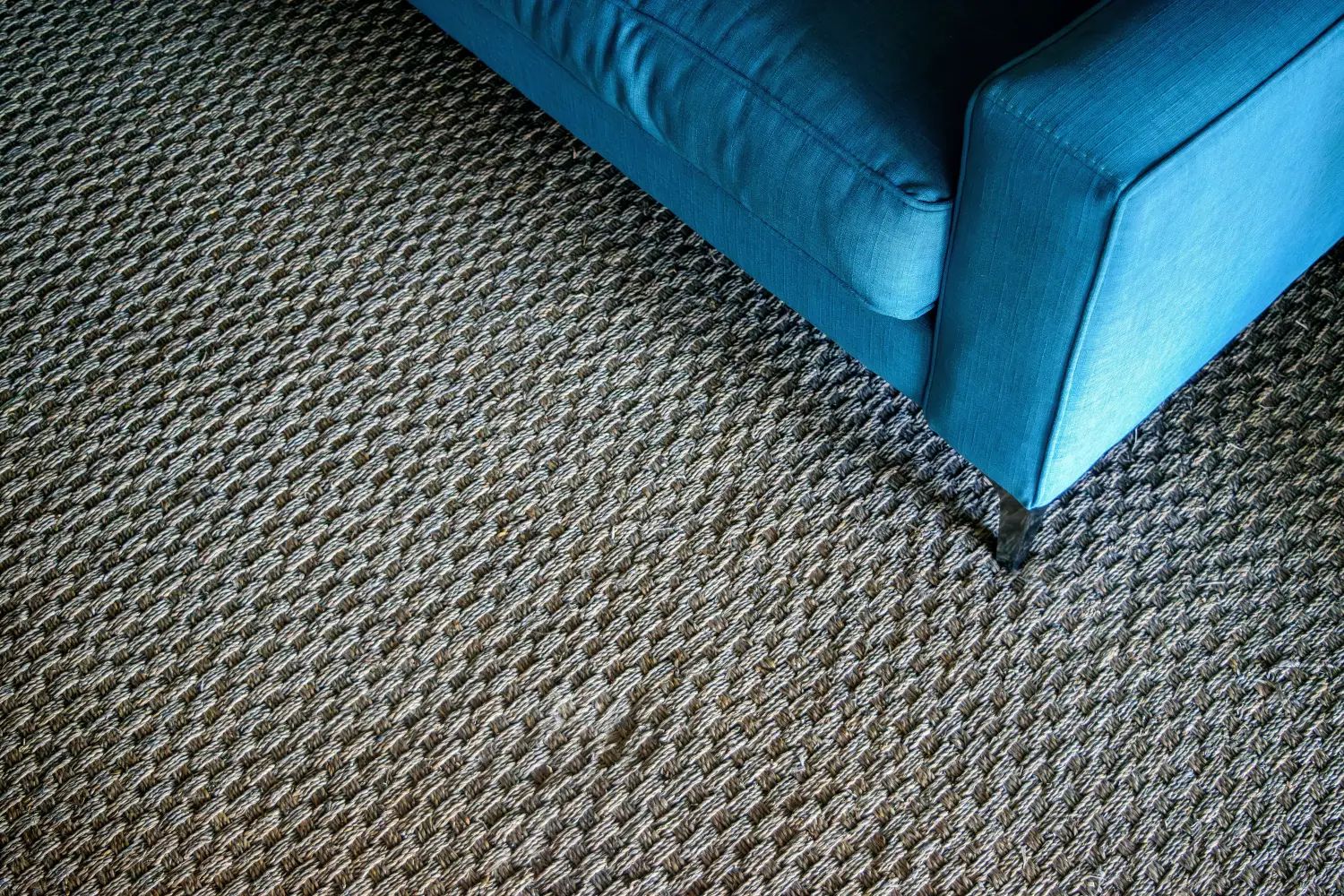
When comparing nylon versus wool carpet, the upfront price is a trap. A 1,200-square-foot nylon install runs $5,000 to $7,000. Wool comes in $10,000 to $14,000. That $6,000 gap makes nylon look like the budget hero. But add up a decade of cleaning bills and the inevitable mid-life replacement, and nylon’s total cost overshoots wool’s by roughly $4,000—while you spend years walking on a crushed, tired floor.
The real cost of carpet isn’t the per-square-foot price. It’s the long-term cash flow: what you pay every year to keep it clean, and when you pay again to rip it out. This 10-year model for 1,200 square feet shows exactly where the cheaper fiber stops being cheap.
The 10-Year Winner: Wool Saves Over $4,000 in Most Homes
For primary living areas with moderate to heavy traffic, wool delivers a lower total cost over a decade despite costing twice as much upfront. The math only flips for spaces with light, occasional use or when you're certain you'll move within three years. In every other scenario, wool is the strategic financial choice.
Cost Trajectory: Nylon vs Wool Over a Decade
| Criteria | Nylon Carpet | Wool Carpet |
|---|---|---|
| Upfront installed cost (1,200 sq ft) | $4,800 – $7,200 ($4–$6/sq ft) | $9,600 – $14,400 ($8–$12/sq ft) |
| Expected lifespan | 8 – 12 years | 20 – 25+ years |
| Replacement within 10 years? | Likely 1 (at year 8–10) | Unlikely |
| Annual professional cleaning cost | $400 – $800 (2 cleanings/year) | $200 – $400 (1 cleaning/year) |
| 10-year total cost (range) | $12,800 – $22,400 | $11,600 – $18,400 |
| Best for | Budget-friendly short-term needs, low-traffic rooms | Long-term value, high-traffic living spaces |
Nylon Carpet: Low Entry Price, High Upkeep
Nylon wins on day one because it’s cheap to buy and treat. Most nylon carpets come with a surface stain protection that works for a couple of years. Then it fades, and the fiber starts holding onto soil and oils like a magnet.
In a 1,200-square-foot home with children and pets, nylon shows matting and crushing along hallways within three to five years. The pile doesn't bounce back. You end up with a permanently flattened lane while the room's corners still look new—a visual cue that replacement is coming.
Cleaning costs are the hidden drain. Because nylon grabs oily soils, it needs hot-water extraction at least twice a year to stay presentable. At $400 a visit, that's $800 annually—$8,000 over a decade. Often that alone exceeds the carpet’s original price.
Wool Carpet: Premium Upfront, Predictable Long Game
Wool fibers have a natural crimp and a waxy outer layer that repels soil and static. Spills sit on the surface longer before absorbing, and the fiber’s structure makes it recover from compression. A wool hallway looks consistent year after year; a nylon one doesn’t.
The upfront cost is the barrier: $12,000 or more for 1,200 square feet is a serious check. But that number is an investment, not an expense. A well-maintained wool carpet lasts 25 years or more. Inside a 10-year window, you skip replacement entirely. You also clean it less—one deep clean per year is usually enough, halving the decade’s cleaning spend compared to nylon.
The tradeoff is chemical sensitivity. Bleach and high-alkaline cleaners destroy wool. A household that can commit to mild, wool-safe cleaning gets the long-term financial return. One that might pour bleach on a stain should not buy wool.
Where the Dollars Add Up: Maintenance, Replacement, and Real Cost
Upfront vs. Long-Term Cost
Nylon’s lower first price releases cash today, but over 10 years a wool installation ends up $1,200 to $4,000 cheaper on total outlay. That’s the difference between writing one substantial check and writing two (plus years of aggressive cleaning bills in between).
Lifespan and Replacement Cycles
Nylon’s 8- to 12-year lifespan guarantees nearly every 1,200-square-foot home will face a full replacement within a decade. Wool’s 20 to 25 years lets you avoid that event. Replacing wall-to-wall carpet means moving every piece of furniture, living without a floor for days, and paying for removal and disposal—a disruption that doesn't show up in a per-square-foot quote.
Maintenance and Cleaning Expenses
Professional cleaning runs $0.25 to $0.50 per square foot. Twice-a-year cleanings for nylon double that expense relative to wool’s annual schedule. Spot cleaning also tilts toward wool; many spills blot out without a chemical intervention, whereas nylon often demands immediate treatment to prevent permanent staining.
Stain and Wear Performance
Wool hides soil better because the fiber is opaque. Nylon, especially in light tones, highlights every traffic pattern. After a decade, a wool carpet still looks deliberate; a nylon one typically looks patched and exhausted.
Comfort and Indoor Air Quality
Wool moderates humidity and absorbs sound more effectively than nylon. It also traps allergens between vacuumings—an advantage if you vacuum regularly. Nylon can off-gas VOCs from stain treatments for longer.
When to Choose Nylon and When to Splurge on Wool
Choose nylon when:
- You’re furnishing a short-term home or rental and will move within three to five years.
- The installation is a low-traffic room—a guest bedroom or home office.
- Your first priority is minimizing the initial payment, and future costs are someone else’s problem.
Choose wool when:
- This is a long-term home and you want to avoid the cost and hassle of a replacement.
- The area sees heavy foot traffic—hallways, stairs, family gathering areas.
- Allergies or indoor air quality matter over the long run.
- You’re willing to front-load the investment to save substantially over the next decade.
Breaking Down the 10-Year Cost Model
Consider a 1,200-square-foot installation in a typical family home. Nylon, installed at $5 per square foot, totals $6,000. Wool, at $10 per square foot, totals $12,000.
Nylon demands professional cleaning every six months. At $400 per service, that’s $800 a year, or $8,000 over ten years. By year eight, the nylon carpet is worn out. It gets replaced for another $6,000, plus $500 for removal of the old material. Total nylon cost: $6,000 + $8,000 + $6,500 = $20,500.
Wool gets cleaned once yearly at $300—$3,000 over a decade. No replacement. Total wool cost: $12,000 + $3,000 = $15,000.
The difference: $5,500. That’s solidly within the $4,000-plus savings range that this model uncovers. Using lower-end pricing for both fibers narrows the gap, but the direction holds: wool’s total lifetime outlay is almost always lower when the clock runs ten years.
Frequently Asked Questions
Is wool carpet worth the higher upfront cost?
If you'll stay in the home more than seven years, absolutely. The break-even point arrives around year eight, when nylon’s cleaning and replacement costs exceed wool’s higher initial price. After that, wool continues saving money while nylon’s costs keep climbing.
How often should you clean nylon and wool carpets?
Nylon needs professional cleaning every 6–12 months, depending on traffic. Wool can typically go 12–18 months between deep cleans. Both benefit from weekly vacuuming, but nylon soils visibly faster and demands more frequent extraction to avoid permanent damage.
Does nylon carpet need to be replaced more often than wool?
Yes. Nylon’s typical 8–12 year lifespan means at least one replacement within a 10-year window for a busy household. Wool regularly lasts 20–25 years, eliminating that second purchase.
The True Budget Champ Over a Decade
If you measure value by the total cash that leaves your account over ten years—not the sticker price on installation day—wool is the smarter financial move for most American households. The $4,000-plus gap isn't a theoretical number; it's what happens when you account for every cleaning, every spot treatment, and the unavoidable day nylon’s flattened pile forces a replacement. Nylon has its short-term uses, but for a long-term investment in your home's floors, wool wins.

Clara Bennett
After five years of transforming my 1920s bungalow room by room, I’ve refinished floors, hung blinds in bay windows, and spent more time choosing light bulbs than I’d like to admit. I learned paint sheens by painting my kitchen ceiling three times, and I found out the hard way that a rug too small makes a room feel unfinished. I believe every home can be both functional and beautiful, no matter the budget.
Related posts
Nylon vs Wool Carpet: A Flooring Installer's Decision Guide
See how nylon and wool carpet compare across cost, durability, stains, comfort, and more using a real 1,500 sq ft whole-house scenario. Clear verdict inside.

5 Stains That Ruin Wool Carpet (And How Nylon Fares)
Red wine, pet urine, coffee, paint, and mud test wool versus nylon beyond the label. See which fiber survives real spills with the right cleaning steps.

What Flooring Inspectors Know About Nylon vs Wool Durability
ASTM tests like tuft bind and pile reversal reveal which carpet fiber handles a high-traffic hallway with kids and a dog. Nylon vs wool durability, explained with lab benchmarks.

Is Wool Warmer Than Nylon Carpet? Softness & Sound Decoded
R-value data, STC ratings with different pads, and a blind-test underfoot comparison from new homeowners. Find out whether wool or nylon carpet wins for warmth, softness, and noise control.