5 Stains That Ruin Wool Carpet (And How Nylon Fares)
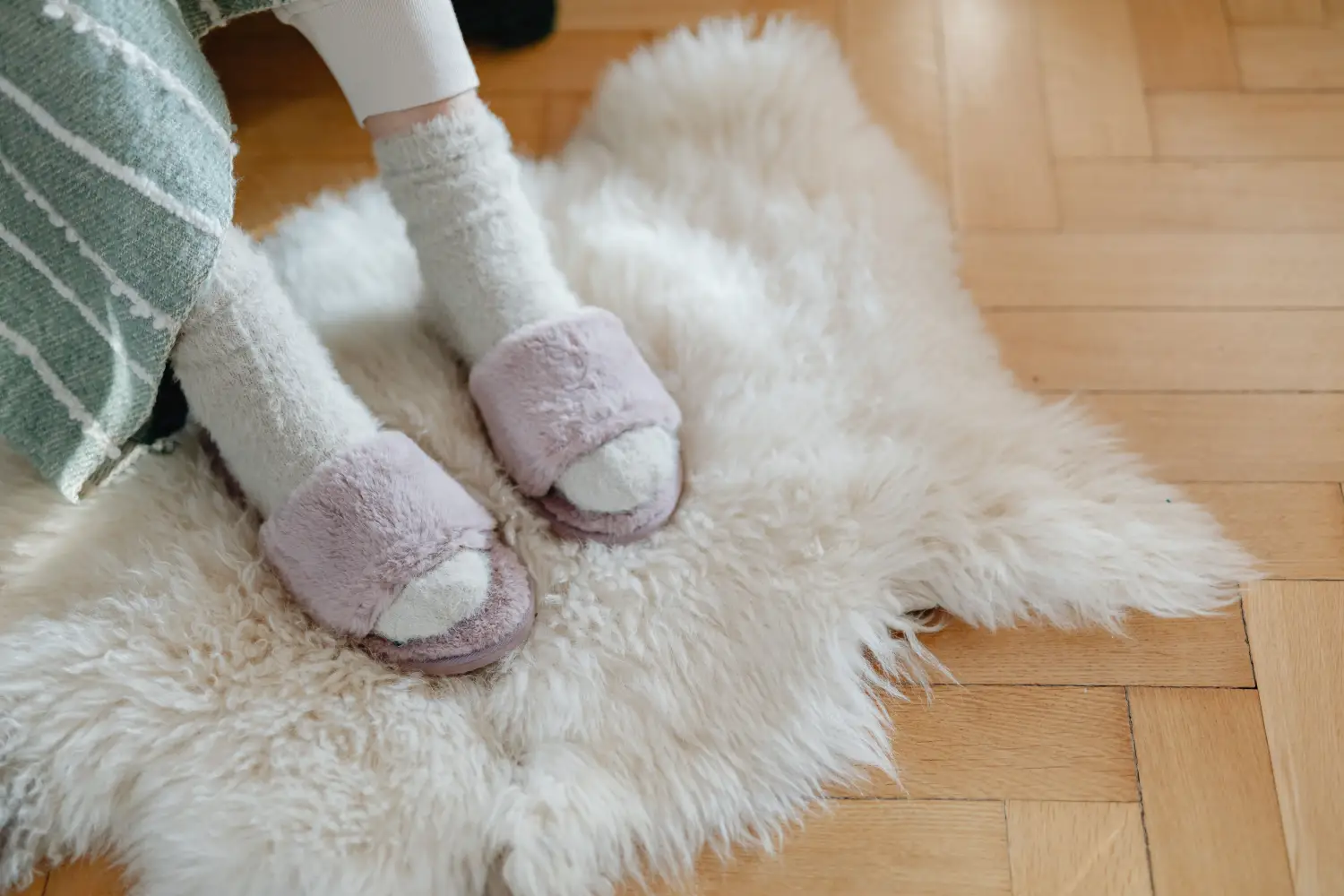
Wool carpet looks elegant until red wine hits it—and nylon’s “stain-resistant” tag doesn’t blot up a spill. New homeowners dealing with these five messes need a plan, not a label.
Red Wine: How Wool’s Absorbency Works Against You
Red wine stains wool fast because the tannins and pigment sink into the protein fiber the moment it touches the carpet. Nylon buys you a few extra seconds, but both carpets will stain if you wait.
The cleanup protocol that matters: Blot immediately with a clean white cloth. For wool, mix one tablespoon of white vinegar into two cups of cool water, apply it with a second cloth, and blot from the edges inward until no more color lifts. Do not rub. For nylon, after the initial blotting, use a diluted hydrogen peroxide solution—one part 3% peroxide to six parts water—to remove remaining color. Test the peroxide on an inconspicuous spot first. Wool bleaches instantly if you skip this step.
Pet Urine: The Chemical Reaction That Bleaches Wool
Pet urine contains ammonia that breaks down wool protein within hours, causing yellowing that no cleaner can reverse. Nylon doesn’t degrade the same way, but the alkaline urine shifts the dye and leaves lighter patches, and the synthetic fiber traps odor longer than wool does.
The cleanup protocol that matters: Soak up as much urine as possible with paper towels, then flush the area with cool water. Apply an enzyme cleaner made for pet stains—never use an ammonia-based product on wool. Let the enzyme sit for 10 to 15 minutes, blot, rinse, and extract moisture with a wet-dry vac. On nylon, a remaining stain may respond to an oxygen bleach cleaner only if the carpet is solution-dyed. Check the manufacturer’s tag before using anything beyond enzyme cleaners.
Coffee: Hot Liquid, Cool Fibers—Which One Handles Heat?
Hot coffee drives tannins deeper into wool’s cuticle faster than a cold spill would, almost dyeing the fiber. Nylon’s surface repels the liquid at first, but if the coffee cools and sits, the stain sets just as stubbornly.
The cleanup protocol that matters: Blot with cold water and a drop of mild dish soap. For wool, follow with a diluted white vinegar rinse to stop the tannin reaction. For nylon, if a shadow lingers, cover the spot with a baking soda and water paste overnight, then vacuum. Do not steam or apply heat to either carpet.
Paint: When a Dry Scrape Is Your Best Tool
Wet paint fills wool’s scaly fibers; nylon lets it sit on top. Dried paint on wool bonds to the cuticle, and the solvents strong enough to remove it also eat away at wool. Nylon tolerates mild solvents better, but you still risk softening the fiber.
The cleanup protocol that matters: Scrape off excess wet paint with a plastic scraper or spoon. Blot, don’t spread. For dried paint on wool, lift what you can with a dull knife, then dab remaining flecks with rubbing alcohol on a cloth and blot repeatedly—test in a hidden area first. On nylon, mineral spirits on a cloth can handle stubborn residue. Never use acetone on either fiber. Rinse with cold water after any solvent.
Mud: The Grit That Grinds Down Fibers Over Time
Mud damages carpet through abrasion, not by staining. On wool, wet mud drives grit between fibers, and once dry, foot traffic grinds it like sandpaper. Nylon’s smoother surface offers some protection, but repeated abrasion wears away the stain treatment.
The cleanup protocol that matters: Let the mud dry completely. Vacuum with a beater bar to pull out the particles. Spot-clean any remaining mark on wool with a wool-safe detergent and cold water; on nylon, use a mild dish soap solution. Never steam clean a fresh mud stain.
Which Carpet Fiber Makes Sense for Your Household’s Messes
Wool works in low-mess rooms where you’ll act on spills immediately—formal living areas, adult bedrooms. It fails when anyone reaches for bleach or a strong alkaline cleaner, because those ruin wool instantly.
Nylon tolerates peroxide and oxygen bleach, which makes it the practical choice for homes with pets, kids, or guests who spill red wine. Solution-dyed nylon resists fading and handles repeated scrubbing. The downside: it holds onto odors and can discolor under harsh solvents.
Pick solution-dyed nylon for high-traffic, high-mess areas. Keep wool for spaces where you control the risk and never delay a cleanup.
One fact overrides all the marketing: a ruined carpet comes from waiting too long or using the wrong product, not from the fiber itself. Keep the right cleaners labeled by room and act in minutes, not hours.

Clara Bennett
After five years of transforming my 1920s bungalow room by room, I’ve refinished floors, hung blinds in bay windows, and spent more time choosing light bulbs than I’d like to admit. I learned paint sheens by painting my kitchen ceiling three times, and I found out the hard way that a rug too small makes a room feel unfinished. I believe every home can be both functional and beautiful, no matter the budget.
Related posts
Nylon vs Wool Carpet: A Flooring Installer's Decision Guide
See how nylon and wool carpet compare across cost, durability, stains, comfort, and more using a real 1,500 sq ft whole-house scenario. Clear verdict inside.
Nylon vs Wool Carpet: The $4,000 10-Year Savings Breakdown
See why wool carpet can cost $4,000+ less than nylon over a decade for a 1,200 sq ft home. We break down cleaning, lifespan, and replacement costs.

What Flooring Inspectors Know About Nylon vs Wool Durability
ASTM tests like tuft bind and pile reversal reveal which carpet fiber handles a high-traffic hallway with kids and a dog. Nylon vs wool durability, explained with lab benchmarks.

Is Wool Warmer Than Nylon Carpet? Softness & Sound Decoded
R-value data, STC ratings with different pads, and a blind-test underfoot comparison from new homeowners. Find out whether wool or nylon carpet wins for warmth, softness, and noise control.