How Designers Measure Curtain Length (Sill, Apron, Floor, Puddle)
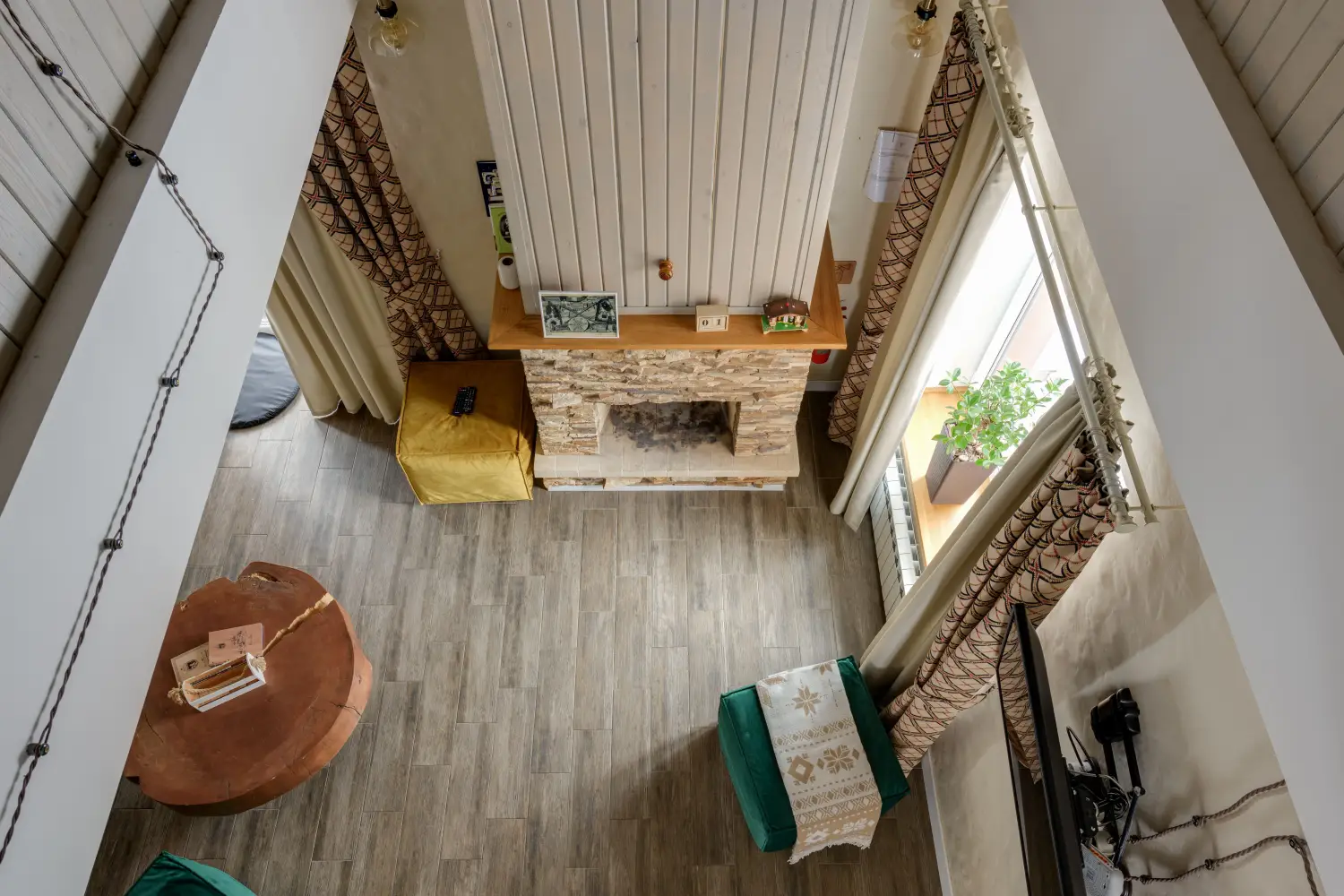
Four curtain hem heights — sill, apron, floor, puddle — get tossed around like interchangeable terms, but the difference between a room that feels settled and one that feels off often comes down to that single measurement. A designer approaches the tape measure not with a preference for a number, but with a quiet read of the room: what the window needs to do, how the light behaves, and whether the floor must stay clear for a radiator or a pair of muddy boots. This article gives that decision tree structure, walking from rod height through each length’s purpose, down to the final inch on the tape.
Your Window Sets the Starting Point — Not a Standard Chart
Before the measuring begins, identify the situation that matters most right now. Each path below moves through the same core steps, but the emphasis shifts to what’s keeping you stuck.
- You’ve never hung curtains before and the terms feel like jargon — Follow rod placement first, then a clear walk-through of the four lengths with their measurement rules. By the end, you’ll hold a single, accurate number ready for ordering.
- You’re torn between floor‑length and a soft puddle for a formal dining room — This route weighs the quiet luxury of extra fabric against the practical upkeep, comparing how different puddle depths read in a room and which floor conditions make even a small puddle a problem.
- Your window sits above a radiator, a deep sill, or a low ceiling — Here the path leans on sill and apron lengths as functional solutions, then checks for obstructions that would snag a longer panel.
Let the Rod Do the Hard Work — Its Height Shapes Everything That Follows
Every length measurement starts at the rod, so how high it sits changes the final number and the room’s whole posture. Setting the rod isn’t a hardware afterthought; it’s the first design move.
Aim: Place the rod so the window gains presence and the ceiling reads taller, without pushing the curtains into a length that fights the way the room is used.
Concrete actions:
- Mark a minimum of 4 inches above the window casing. With unusually tall trim or a low ceiling, 2–3 inches can still work.
- When the ceiling height allows, raise the rod higher — 6 to 12 inches above the frame — to pull the eye upward. This often lets standard 84‑inch panels break cleanly at the floor.
- Extend the rod 8–12 inches beyond each side of the window so open curtains stack back onto the wall instead of blocking the glass. That width decision helps you picture later where the fabric will hang when you measure length.
- For French doors or oversized openings, floor‑mount brackets or ceiling‑mounted tracks may be necessary; measure from the top of the drapery pin or the ring eyelet in those setups.
Ready to move on sign: The bracket marks feel like a thoughtful choice, not a default. The rod isn’t crowded against the trim, and you can imagine the fabric dropping from that height without catching on a radiator or sill.
The Four Classic Lengths, Chosen by What the Room Asks For
This is the moment where function meets feeling. Each hem height answers a specific set of needs — not just a style note, but a response to how the room works day to day.
Sill Length — When Clearance and Cleanliness Lead
A sill‑length hem rests at or just above the window sill. It keeps fabric away from kitchen counters, steamy bathroom surfaces, and baseboard heaters. The room stays light, and the curtains stay out of harm’s way. Measure from the rod to the top of the sill, or subtract ½ inch for a whisper of clearance that prevents dust traps.
Apron Length — A Tailored Middle Ground
A hem that drops 2 to 4 inches below the sill, typically landing at the bottom of the apron trim. This length acknowledges a detailed millwork piece while keeping the fabric above floor vents and furniture. It suits bedrooms or living spaces where a deep sill or window seat would otherwise push a full‑length panel outward. Measure from the rod to the lower edge of the apron board, or to a point 3 inches below the sill when no apron trim exists.
Floor Length — The Elegance of a Clean Vertical Line
A floor‑length hem floats about ½ inch above the finished floor. It’s the workhorse of designer lengths because it draws a straight, uninterrupted line from rod to ground, making standard eight‑foot ceilings feel taller. Living rooms, dining rooms, and main bedrooms all benefit from this choice. Measure from the rod straight down to the floor, then subtract ½ inch. For unlevel floors, measure at both ends of the window and use the shorter reading — this avoids one side unintentionally pooling.
Puddle Length — Luxury That Asks for Daily Care
A puddled hem extends 2 to 4 inches onto the floor for a soft break, or up to 6 inches for a fuller pool. The effect is deliberate, rich, and calm — but it collects dust, shows pet hair, and can’t coexist with heating vents or heavy footfall. Reserve it for formal rooms where the floor stays clear and someone is willing to tend it. Measure from the rod to the floor, then add the chosen puddle depth, such as floor length plus 3 inches.
Ready to move on sign: The length that fits the room feels self‑evident now. If someone asked why floor won out over apron, the answer would be immediate — the ceiling height, the clearance, the furniture layout all point in the same direction.
From Rod to Hem: Pulling the Measurement That Locks the Look
With rod height set and the hem style decided, the tape measure finally takes over. The measurement always begins at the point where the curtain fabric actually starts its fall — the top of the rod for rod‑pocket panels, or the bottom of the ring eye for clips and traverse hooks.
For each length, here is the exact stop point:
- Sill: Rod top to sill top, or subtract ½ inch for hover.
- Apron: Rod top to the lower edge of the apron board; without an apron board, measure to 3 inches below the sill.
- Floor: Rod top to floor, minus ½ inch.
- Puddle: Rod top to floor, plus 2–6 inches.
Always check left and right sides. With floor‑length, pick the shorter measurement for uniform clearance. For puddle, the longer side can create a deliberate waterfall — but only if the floor’s slope is gentle enough to keep the difference from looking like a mistake.
Ready to move on sign: A single number sits on the page for each panel, and you know whether it came from the rod top or a ring eyelet. No ranges, no guesswork.
Check the Ground‑Level Truth Before You Finalize Anything
A measurement that works on paper can fail the moment it meets a baseboard heater, a protruding sill, or an uneven floor. Walk the area directly beneath the window before you commit.
- Baseboard heaters and floor vents: Keep any hem at least 4 inches above a heat source. That often means switching to sill or apron length.
- Deep sills — more than 3 inches of projection: Floor‑length fabric may hit the sill and kick outward. Measure from the rod to a point where the fabric clears the sill’s front face. If that height compromises the look, apron length becomes the smarter choice.
- Carpet pile and unlevel floors: Thick carpet can steal ¼ to ½ inch from your effective length. Measure with the flooring in place and favor the shorter of any side‑to‑side readings so the hem hovers, not drags.
- Door swing zones: Near a French door or patio slider, ensure a puddled hem won’t get caught when the door opens.
Ready to move on sign: Every practical conflict — heat, sill projection, floor slope — has been recognized and written into the measurement.
You Know It’s Final When These Things Are True
- Rod brackets sit at a height that lifts the room’s proportions.
- A length name — sill, apron, floor, or puddle — aligns with the room’s style and daily function.
- One clear numerical measurement is recorded per panel from the correct rod point.
- Obstructions below the window no longer threaten the hemline.
Things You Should Put Out of Your Mind Right Now (Yes, Even Width)
A few details that sound urgent will only complicate this stage. Set them aside.
- Curtain width and rod length — Those affect how many panels you buy, not the drop you’ve just measured.
- Fullness ratio and pleat style — Pinch pleats, ripplefold, double fullness — none of these change the hem‑to‑floor distance. They’re width and fabric‑quantity considerations only.
- Return depth and bypass brackets — How far the rod stands from the wall influences the curtain’s projection, never the hem height.
- Fabric weight and lining choice — A heavy velvet puddles heavier than linen, but the raw length number stays the same. Adjust puddle depth later if the weight demands it.
When to revisit them: Once the length is locked, measuring rod width and calculating panel counts becomes the next logical step. That’s when returns, stackback, and fullness ratios finally earn their place in the planning.
Quick Answers When a Specific Question Slows You Down
Do I measure from the top of the rod or the bottom of the ring?
Measure from the spot where the fabric actually hangs. For rod‑pocket curtains, that’s the top of the rod. With rings, clips, or pin hooks, measure from the bottom of the ring eye or the top of the pin hole — wherever the fabric begins its descent.
What’s the safest length for a household with pets or toddlers?
Sill or apron length keeps the fabric above curious hands and paws. Floor‑length can work if the hem hovers well above the floor and the panels are light, but puddle lengths are almost always a hazard.
How do I handle a window directly above a kitchen counter?
Sill length is the only sensible choice — measure to the top of the sill or slightly above so the hem clears the counter entirely.
Can one room mix two different hem heights?
Consistency usually reads better, so keep all windows at the same height when possible. In a bay window with a seat‑level panel, however, a sill‑length treatment beside a floor‑length window can work if header style and color link the two.
A single number written down — that’s the reward for working through the decision tree. If you’ve never tackled curtains before, take the simplest first step now: mount the rod at least 4 inches above the window frame, measure straight down to the floor, and subtract half an inch. That clean floor‑length line anchors everything else.

Clara Bennett
After five years of transforming my 1920s bungalow room by room, I’ve refinished floors, hung blinds in bay windows, and spent more time choosing light bulbs than I’d like to admit. I learned paint sheens by painting my kitchen ceiling three times, and I found out the hard way that a rug too small makes a room feel unfinished. I believe every home can be both functional and beautiful, no matter the budget.
Related posts

The One-Try Curtain Measurement Guide: No Mistakes, No Remeasuring
Measure curtains right the first time with a sequential decision framework. Choose mount type, then calculate width and length using formulas for header, stackback, and hem.
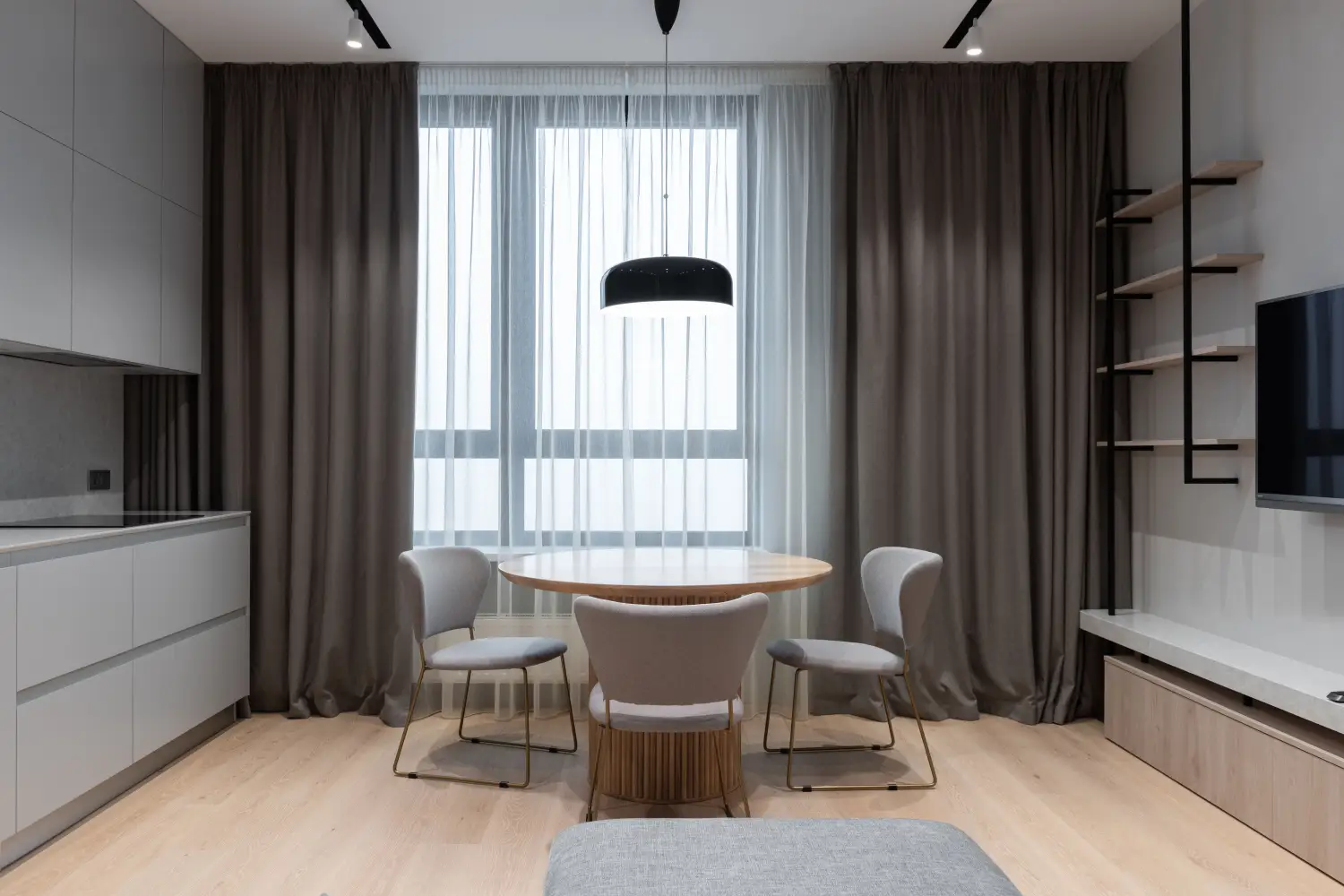
7 Curtain Measurement Mistakes That Cost You Money
Most curtain returns start with one missing number: bracket projection. Learn the 7 measurement mistakes new homeowners make — and the exact steps to measure correctly before you order.

The 2-Inch Rule: Curtain Width Measuring Without Math
Stop using fractions and fullness charts. Measure the rod, add 2 inches for the center overlap, then multiply by 1.5, 1.8, or 2 based on fabric weight. Get the right width every time.
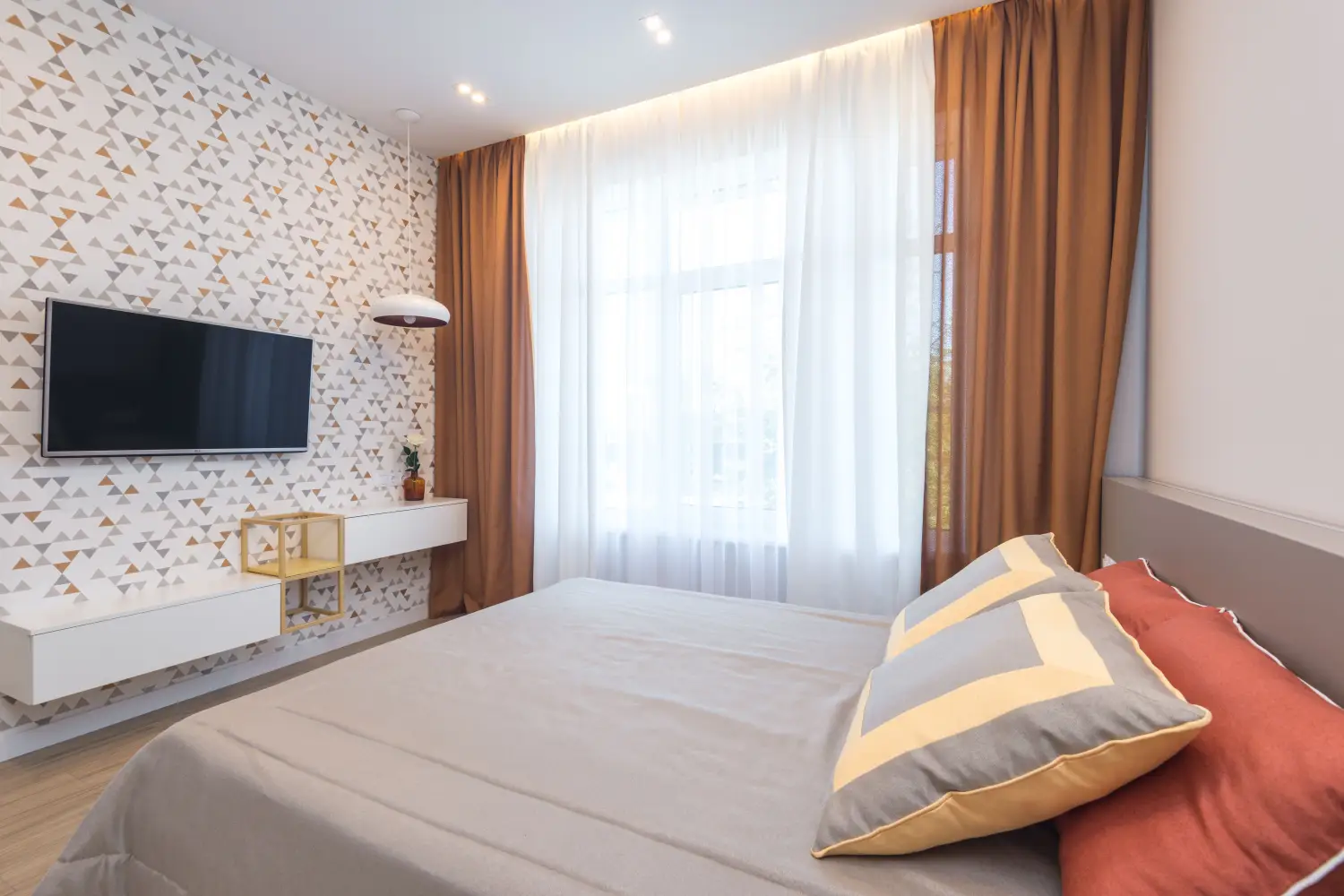
The Hidden Cost of Measuring Inside Mount Curtains Wrong
A mis-measured inside mount curtain often leads to a non-returnable order and a full-price replacement. Learn the exact bracket depth and return clearance checks that stop the waste.